Animals & Plants of North Cascades National Park
The 44 animals, plants, and fungi you can find at North Cascades National Park, with sizes, diets, and whether you should worry. See the full park guide at North Cascades National Park.
North Cascades is the wet, steep knot where western red cedar and Douglas fir climb from valley floor to ridge. American pikas whistle from talus slopes, mountain goats work the cliffs, and black bears wander the low forest. Gray wolves and wolverines range the same country, far harder to see.
Turn this into a game: Play North Cascades National Park Bingo →Common questions
Which North Cascades species should kids keep their distance from?
At North Cascades National Park, give space to Grizzly bear, American black bear, Gray wolf, Elk, and Mountain goat. Grizzly bear: A grizzly is one of the few animals you must give real room. American black bear: Black bears are usually shy and would rather leave than meet you. Gray wolf: Wild wolves almost never bother people. Elk: Elk look calm but they are large and wild. Mountain goat: A mountain goat looks calm but is a large wild animal with sharp horns, so keep your distance, at least 50 yards, and never get between a goat and its kid. (per NPS species pages).
What do the most interesting North Cascades residents eat?
At North Cascades National Park, the most interesting eaters are Grizzly bear, Gray wolf, Bald eagle, and American pika. Grizzly bear eats berries, pine nuts, roots, insects, elk calves, trout. Gray wolf eats elk, deer, moose, caribou, beaver, snowshoe hare. Bald eagle eats fish, ducks, gulls, small mammals, carrion. American pika eats grasses, wildflowers, leaves, mountain plants. (per NPS species pages).
Which North Cascades species has the strangest true fact?
The strangest true thing about North Cascades National Park: Grizzly bear: You can tell a grizzly from a black bear by the hump of muscle over its shoulders and its long, straight claws, up to about 4 inches, built for digging, not climbing. American black bear: Great Smoky Mountains National Park has about two black bears per square mile, roughly 1,900 bears, one of the thickest black-bear populations anywhere. (per NPS species pages).
Anything here that bites?
Keep away
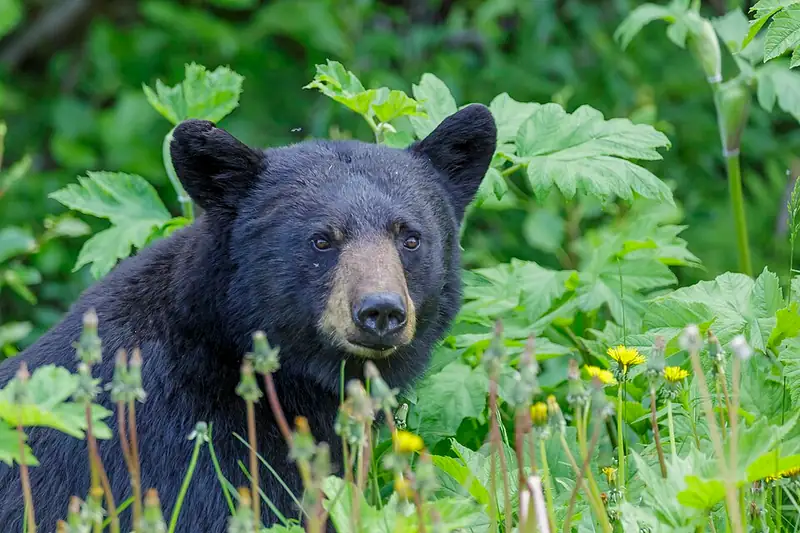
- American black bear: Black bears are usually shy and would rather leave than meet you.
- Columbian black-tailed deer: Usually calm around people, but they are wild animals, not park mascots.
- Coyote: Coyotes almost always run from people.
- Elk: Elk look calm but they are large and wild.
- Gray wolf: Wild wolves almost never bother people.
- Grizzly bear: A grizzly is one of the few animals you must give real room.
- Mountain goat: A mountain goat looks calm but is a large wild animal with sharp horns, so keep your distance, at least 50 yards, and never get between a goat and its kid.
- Mule deer: Mule deer look calm and tame, but they are wild animals with sharp hooves, and bucks have antlers in fall.
- Wolverine: Not a real worry.
Don't touch or eat
- Fly agaric: Poisonous if eaten.
- Rough-skinned newt: Never put one near your mouth or an open cut.
- Subalpine lupine: Do not eat any part of it.
- Western toad: Harmless to touch, but the two glands behind its eyes ooze a thick white poison meant to deter predators, so wash hands after handling and don't touch your eyes or mouth first.
Bites if handled
- American pika: Pikas are harmless.
- Bald eagle: A bald eagle will not come after you.
- Douglas squirrel: Harmless if left alone.
- Northern flying squirrel: No real risk.
- Northern spotted owl: No real worry.
- Peregrine falcon: None to worry about.
- Snowshoe hare: None.
Everything else on this page is harmless. What each group means.
-
 Mammal
 American black bear
Ursus americanus
The bear you're most likely to meet east of the Rockies, a strong tree-climber that eats mostly plants and comes in black, brown, or cinnamon.
-
 Bird
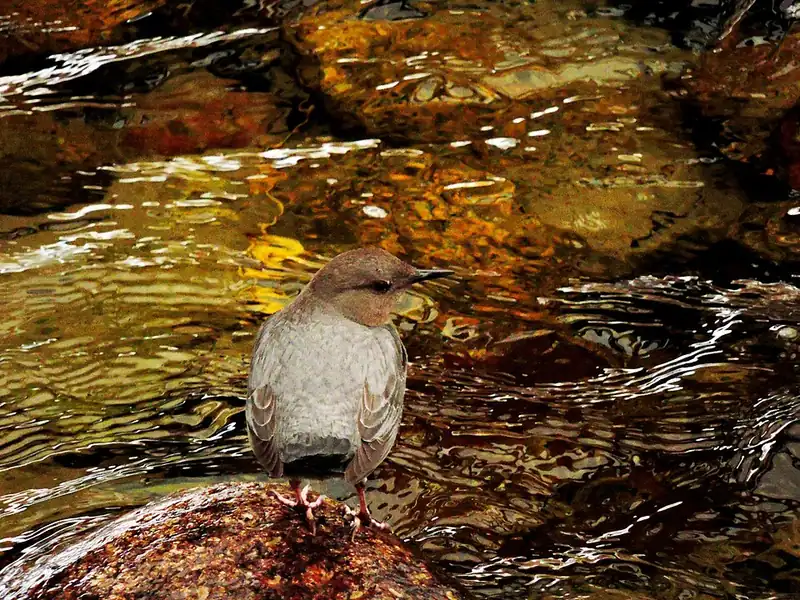
Bird American dipper
Cinclus mexicanus
A stream-gray songbird that walks along the bottom of cold mountain creeks to hunt, the only songbird in North America that does.
-
 Mammal
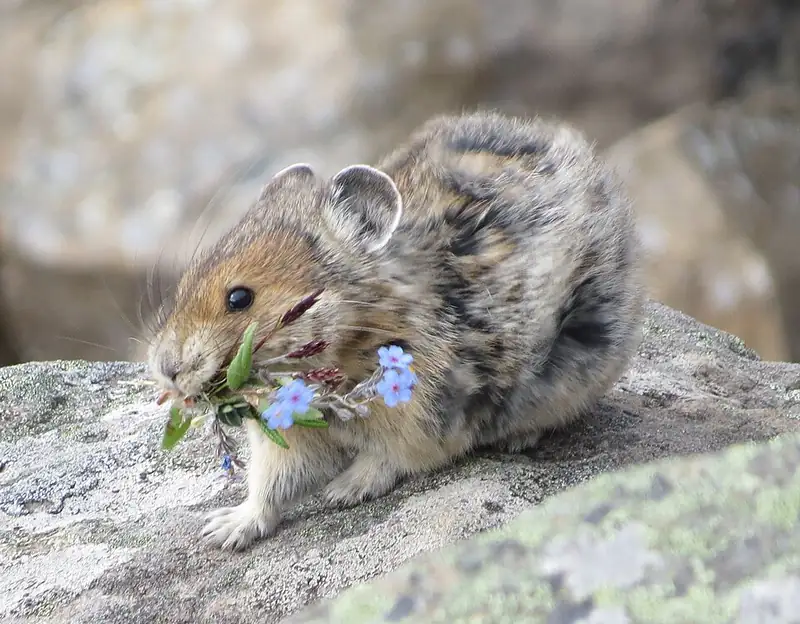
 American pika
Ochotona princeps
A small round cousin of the rabbit that lives in mountain rock piles at Rocky Mountain, Mount Rainier, and North Cascades, and never sleeps through winter.
-
 Bird
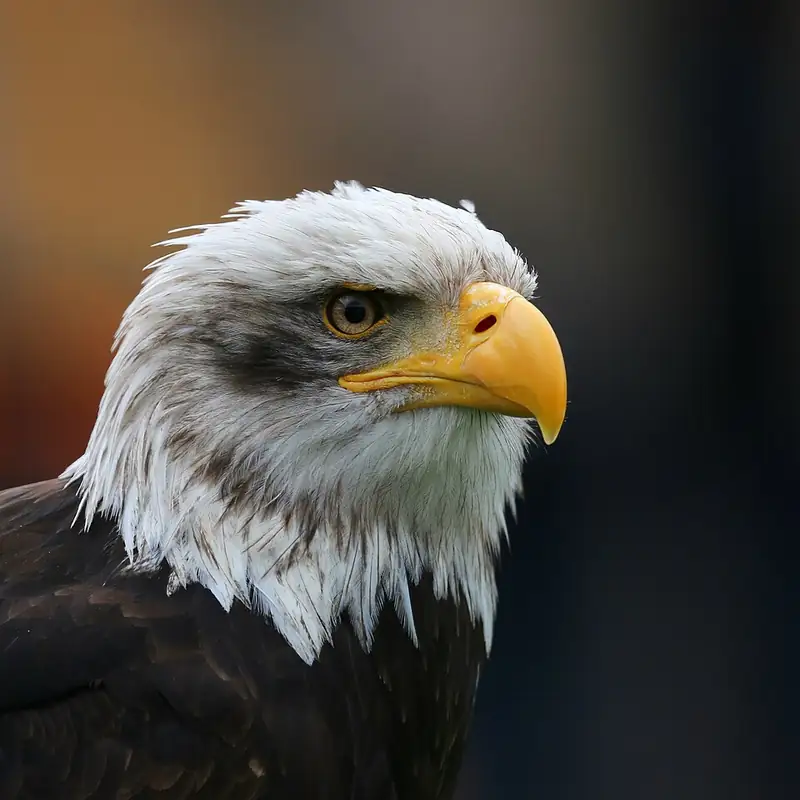
Bird Bald eagle
Haliaeetus leucocephalus
The white-headed fish hawk that is the national bird of the United States, common along the lakes of Voyageurs and the coasts of Olympic and Katmai.
-
 Invertebrate
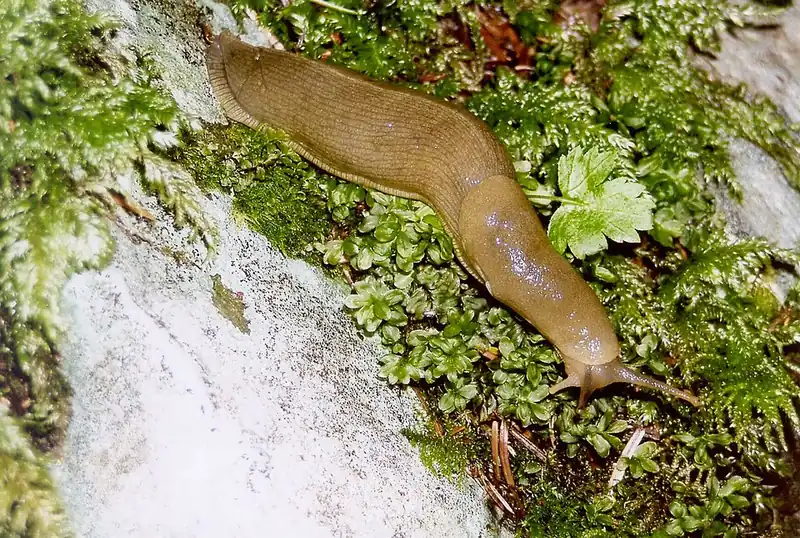
 Banana slug
Ariolimax columbianus
A long yellow slug, sometimes as big as a real banana, that glides across the damp floor of the redwood forest and cleans up what falls there.
-
 Plant
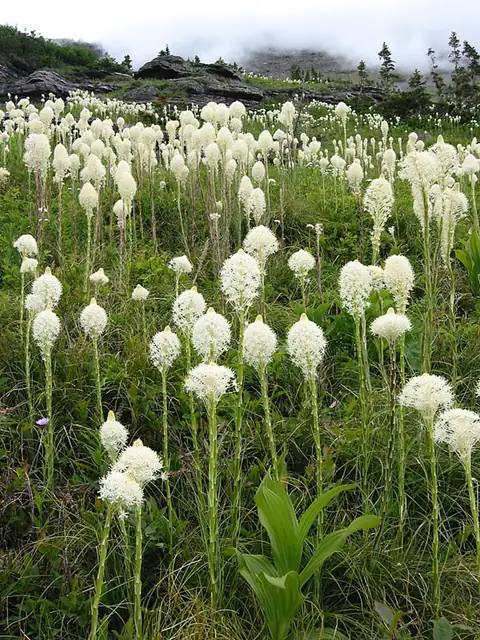
Plant Beargrass
Xerophyllum tenax
A mountain plant that is not a grass but a lily, sending up a tall creamy plume only every few years, its tough leaves woven into watertight baskets and hats.
-
 Plant
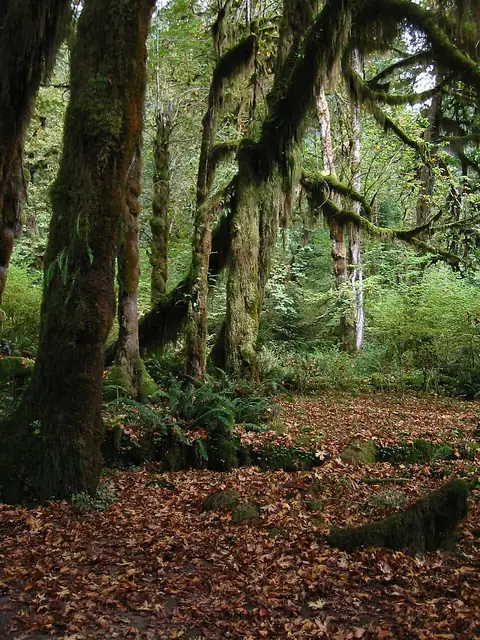
Plant Bigleaf maple
Acer macrophyllum
A Pacific Northwest maple with the largest leaves of any maple, often draped in moss and ferns in the rainforests of Olympic and North Cascades.
-
 Fish
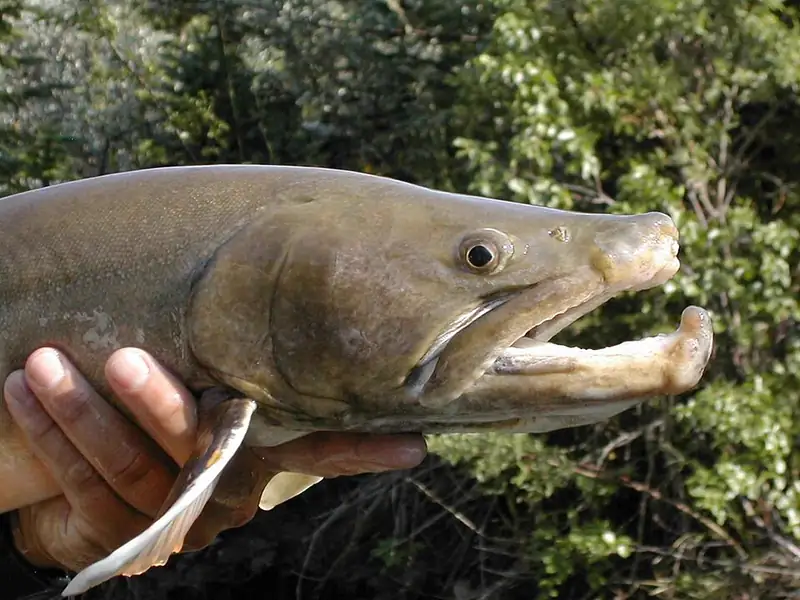
Fish Bull trout
Salvelinus confluentus
A char, not a true trout, that needs the coldest, cleanest water in the mountains, so finding one is itself a kind of water-quality report.
-
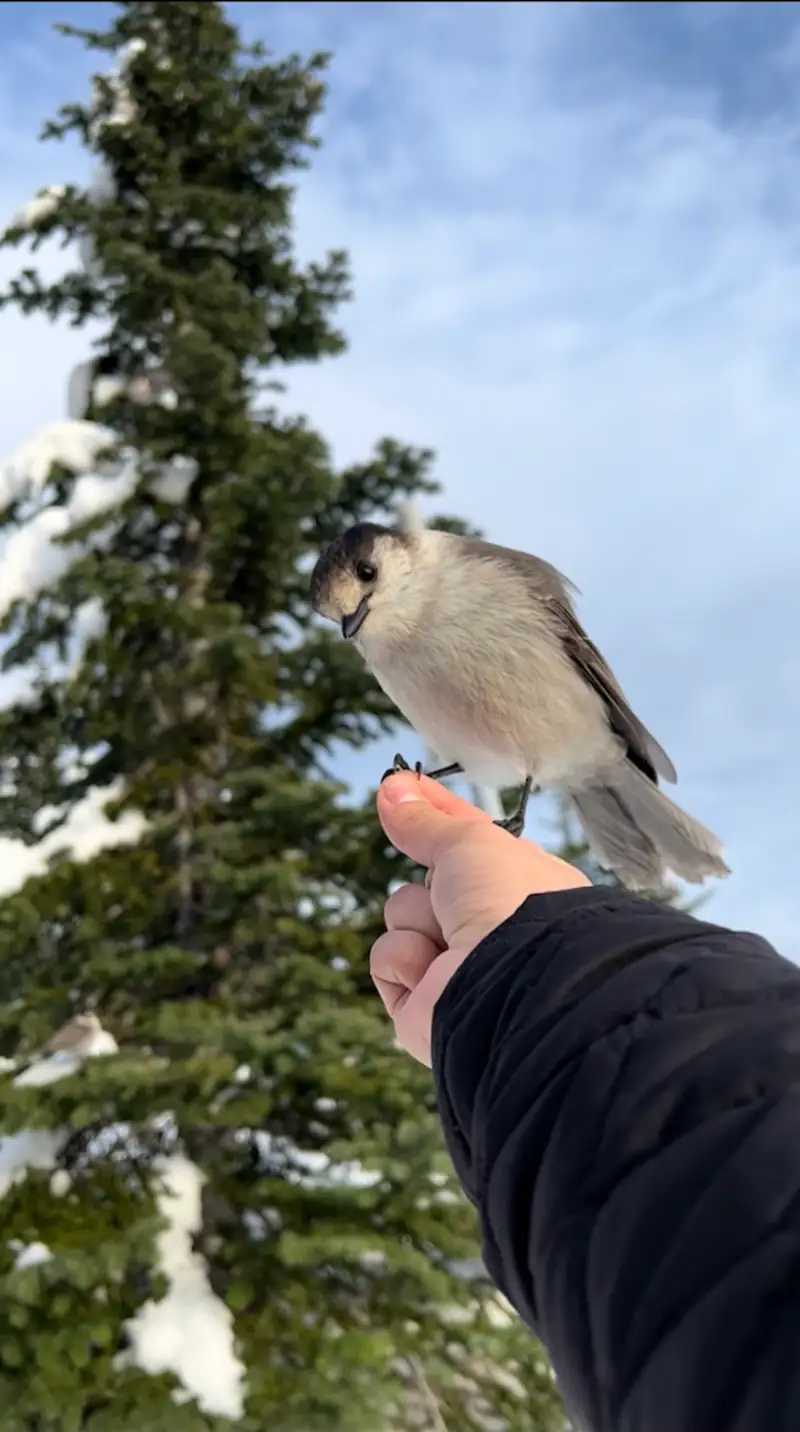 Bird
Bird Canada jay
Perisoreus canadensis
A fearless, fluffy gray bird that glues thousands of food scraps into tree bark with its own sticky spit and remembers nearly all of them through winter.
-
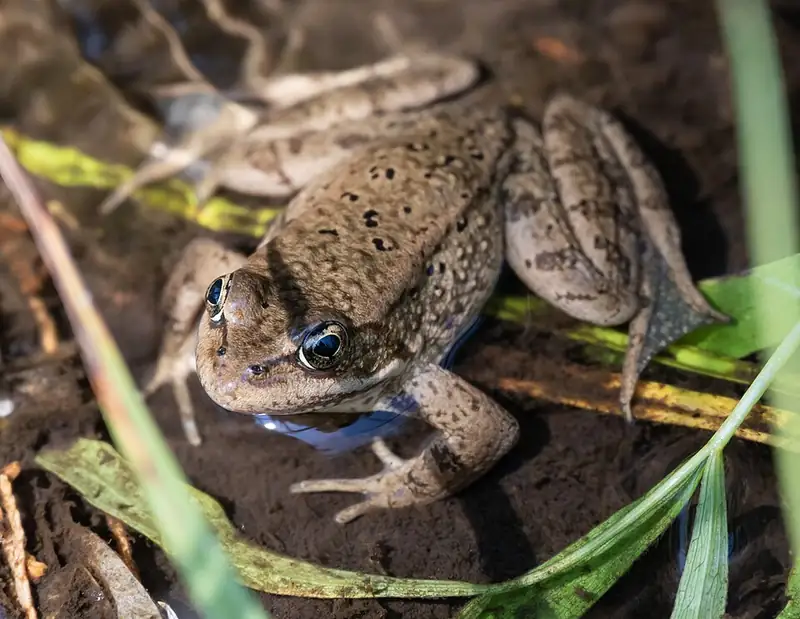 Amphibian
 Cascades frog
Rana cascadae
A brown, black-spotted frog of cold high-mountain meadow ponds, once common through the Cascades and now vanishing from parts of its range.
-
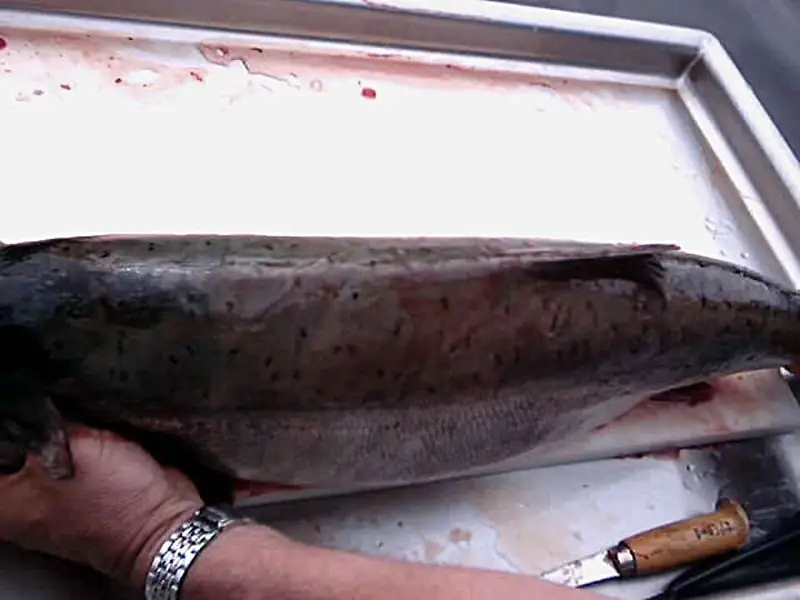 Fish
Fish Chinook salmon
Oncorhynchus tshawytscha
The biggest Pacific salmon, called king salmon, whose Elwha River run climbed back over a hundred-year-old dam site within a few years of its removal.
-
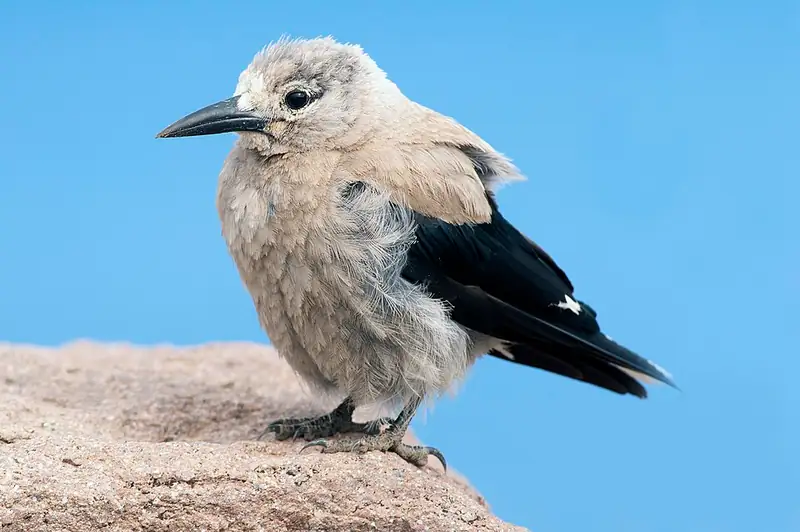 Bird
Bird Clark's nutcracker
Nucifraga columbiana
A pale-gray, black-winged cousin of the crow that hides tens of thousands of pine seeds each fall and remembers where to find them again.
-
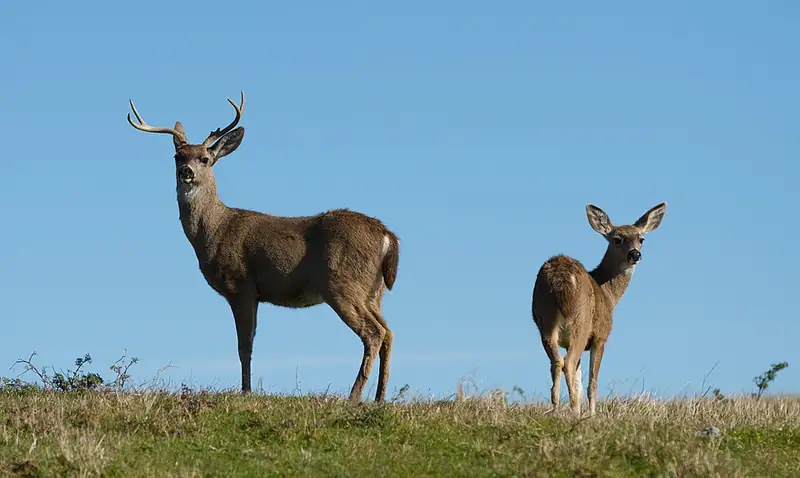 Mammal
 Columbian black-tailed deer
Odocoileus hemionus columbianus
The coastal rainforest subspecies of mule deer, common on foggy meadow edges from Olympic to Redwood, easy to tell apart by its all-black tail.
-
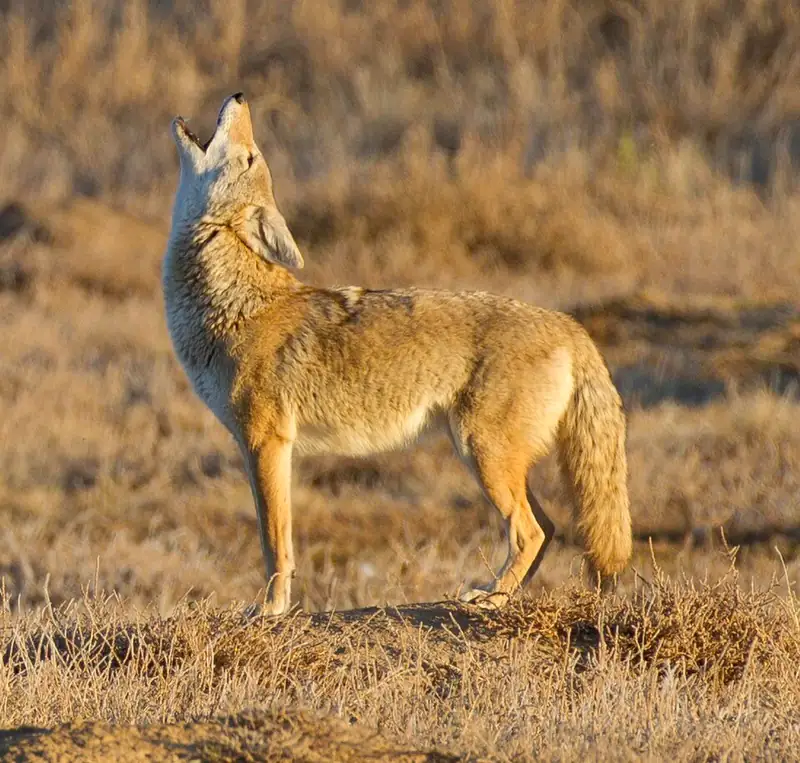 Mammal
 Coyote
Canis latrans
The wild dog you're most likely to hear at a national park — a coyote, at home in the desert, the mountains, and the edges of towns.
-
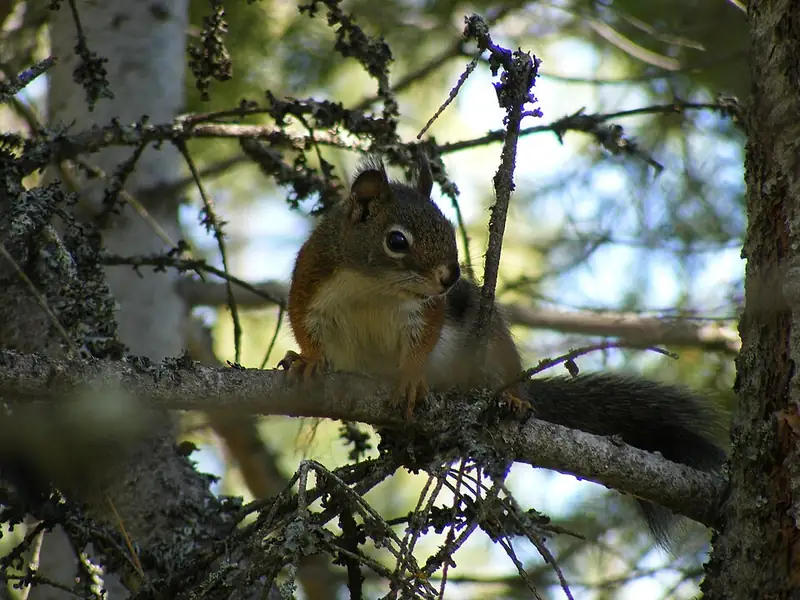 Mammal
 Douglas squirrel
Tamiasciurus douglasii
A small, loud tree squirrel of West Coast conifer forests, known for cutting green cones by the hundred and scolding every hiker who walks under its tree.
-
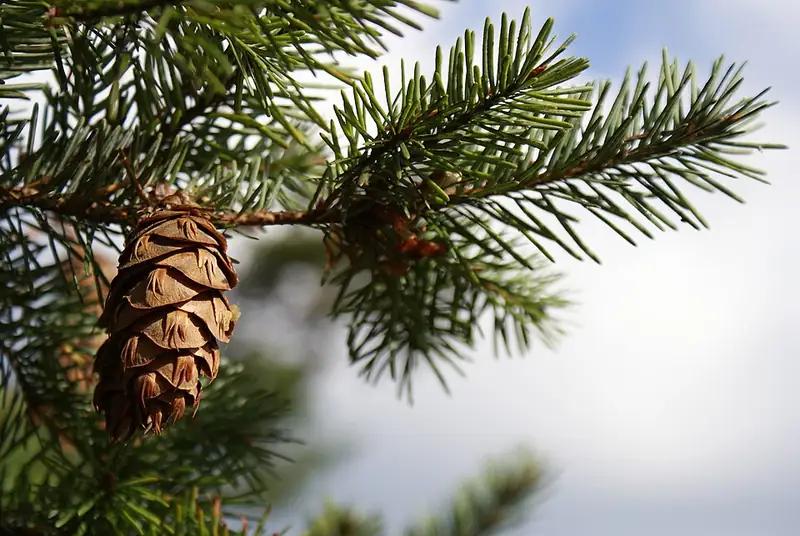 Plant
Plant Douglas-fir
Pseudotsuga menziesii
One of the tallest trees on Earth, not actually a true fir, whose cones carry little three-pointed flaps a Native story calls the tails and legs of hiding mice.
-
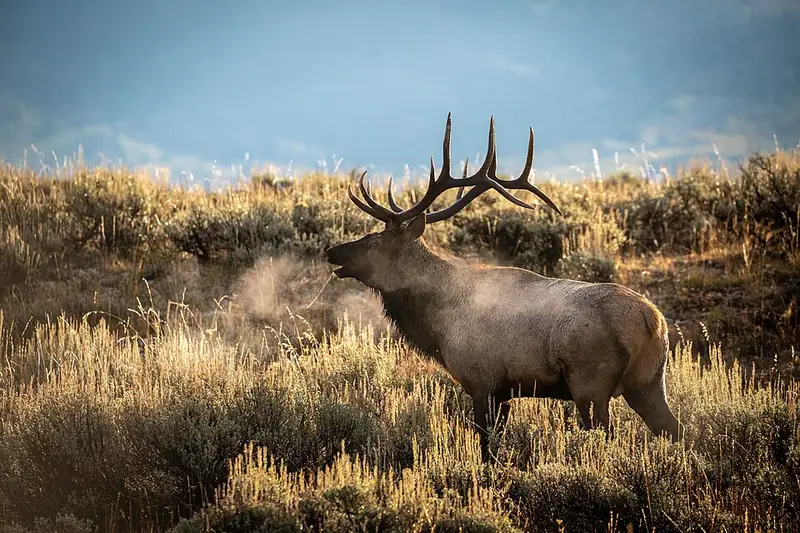 Mammal
 Elk
Cervus canadensis
A large deer of mountain meadows whose bulls grow branching antlers and, each fall, bugle a high whistling call across the valley.
-
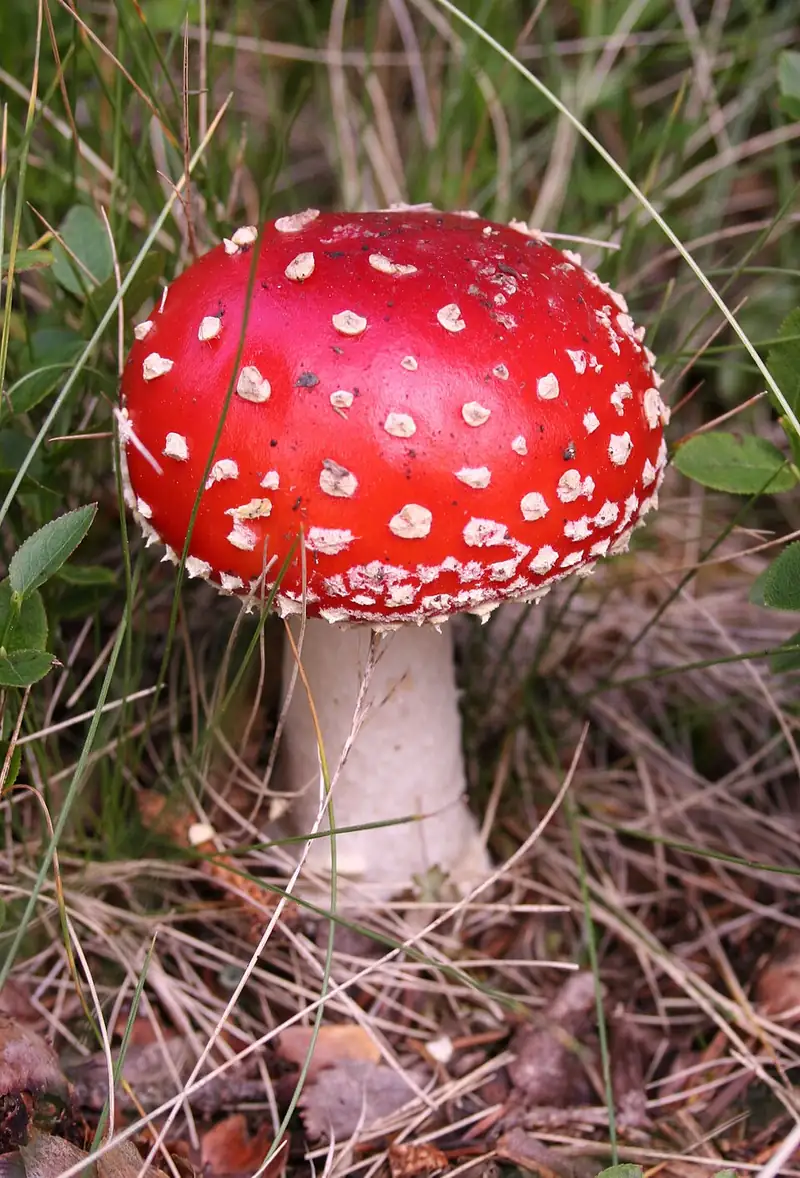 Fungus
 Fly agaric
Amanita muscaria
The storybook red mushroom with white spots, found in northern conifer and birch woods. It is joined to tree roots and poisonous to eat.
-
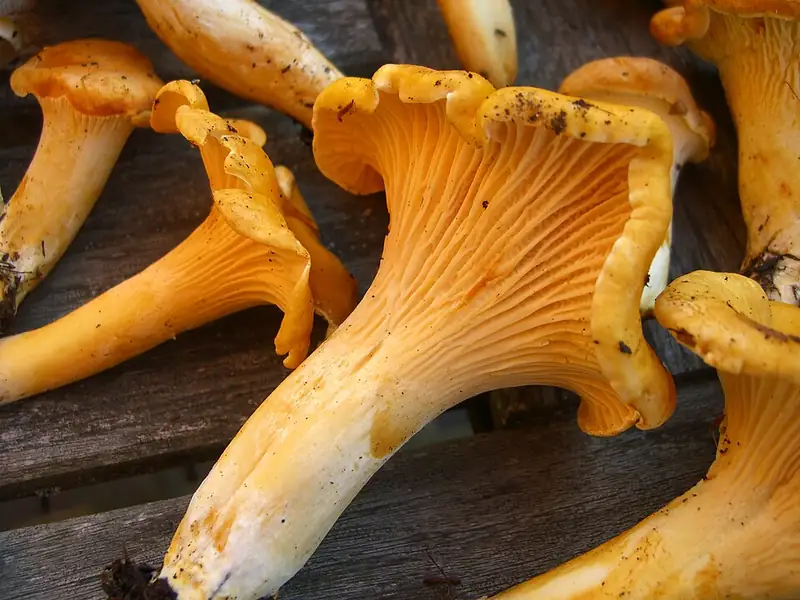 Fungus
 Golden chanterelle
Cantharellus formosus
A trumpet-shaped golden mushroom of Pacific Northwest conifer forests that lives joined to tree roots and trades food with the trees.
-
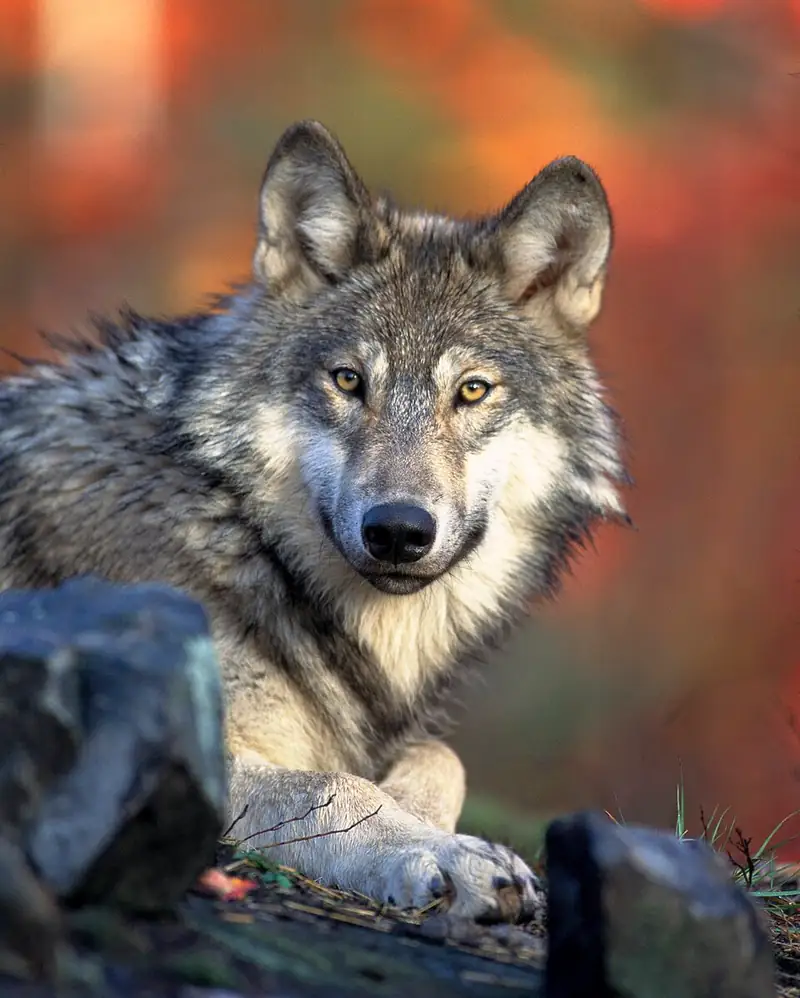 Mammal
 Gray wolf
Canis lupus
The biggest wild dog in North America, a pack hunter you might hear howling at dawn in Yellowstone, Denali, or Isle Royale.
-
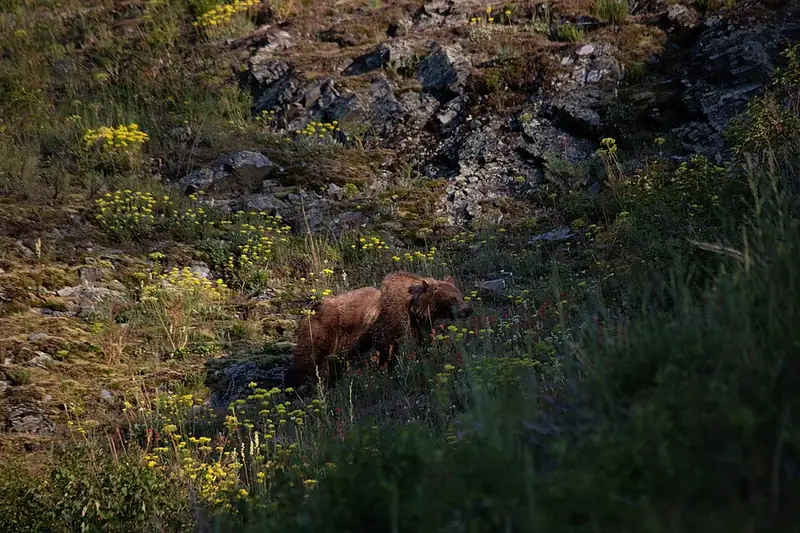 Mammal
 Grizzly bear
Ursus arctos horribilis
A big brown bear of the northern Rockies and Alaska, marked by a hump of muscle over its shoulders and long digging claws.
-
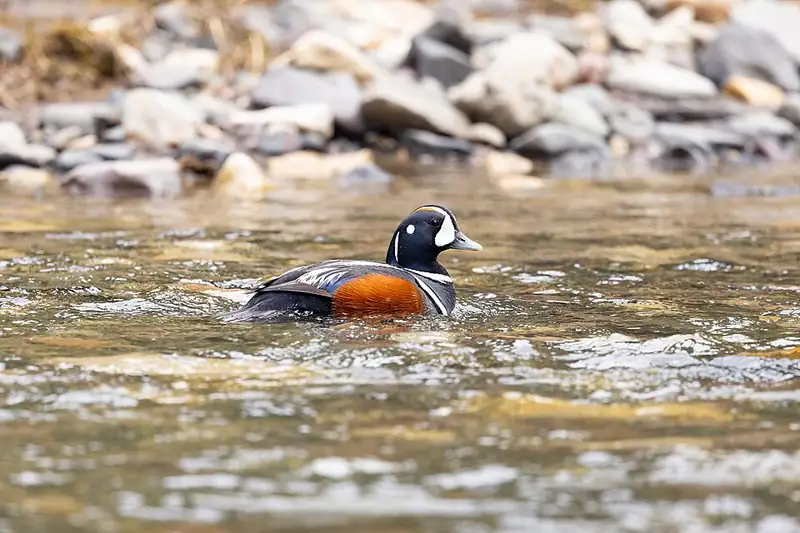 Bird
Bird Harlequin duck
Histrionicus histrionicus
A slate-blue and chestnut sea duck that breeds by diving and bracing in fast mountain whitewater instead of calm water.
-
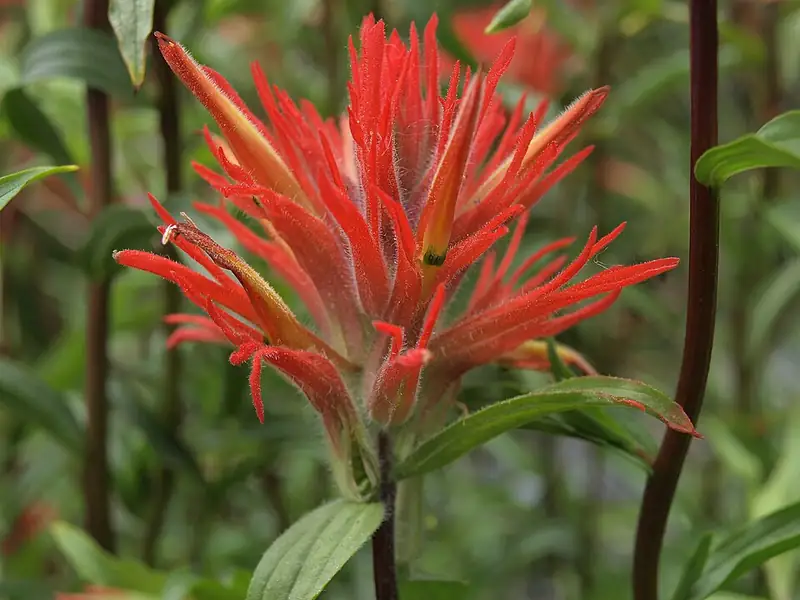 Plant
Plant Indian paintbrush
Castilleja miniata
A scarlet mountain wildflower that steals water and food from its neighbors' roots, and whose bright color comes from leaves, not petals.
-
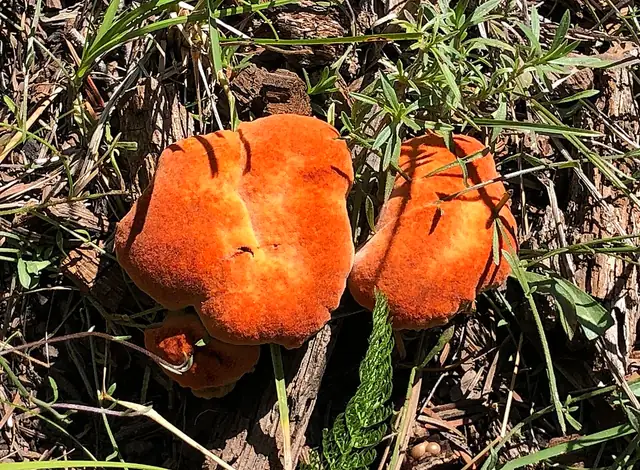 Fungus
 Lobster mushroom
Hypomyces lactifluorum
Not really a mushroom at all, but a fungus that attacks another mushroom, turning it lobster-orange, firm, and good to eat.
-
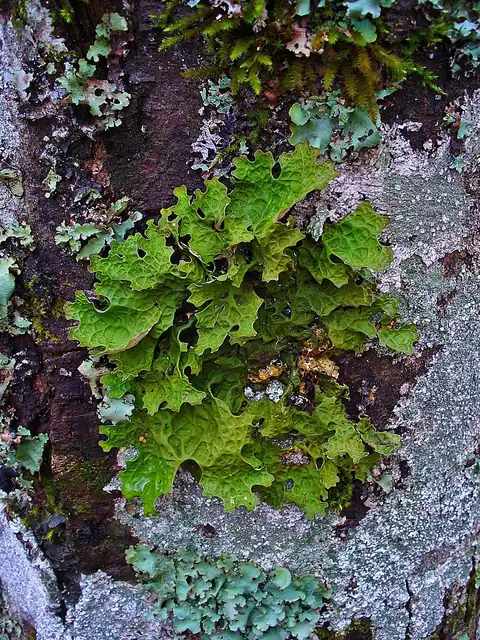 Fungus
 Lungwort lichen
Lobaria pulmonaria
A green, lettuce-like patch on old-growth trees that is three living things in one, and grows only where the air is clean.
-
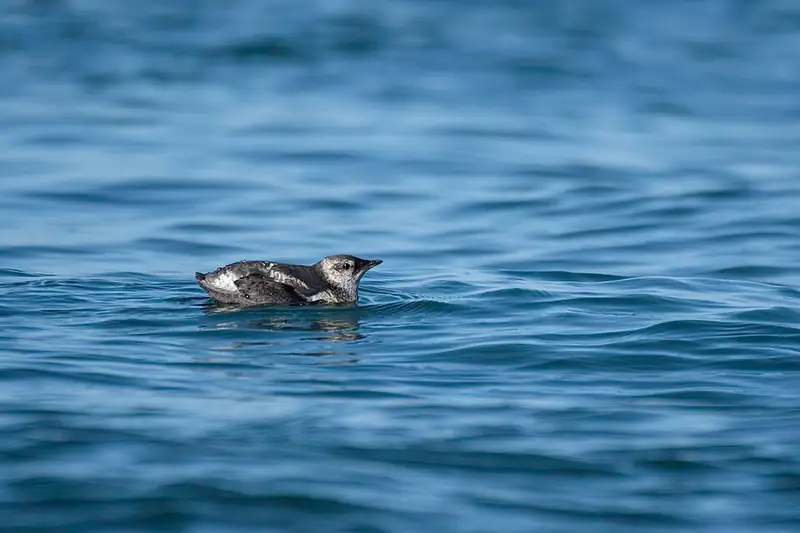 Bird
Bird Marbled murrelet
Brachyramphus marmoratus
A small seabird that nests far inland on a mossy old-growth limb, with no nest built around the egg, a nest nobody found until 1974.
-
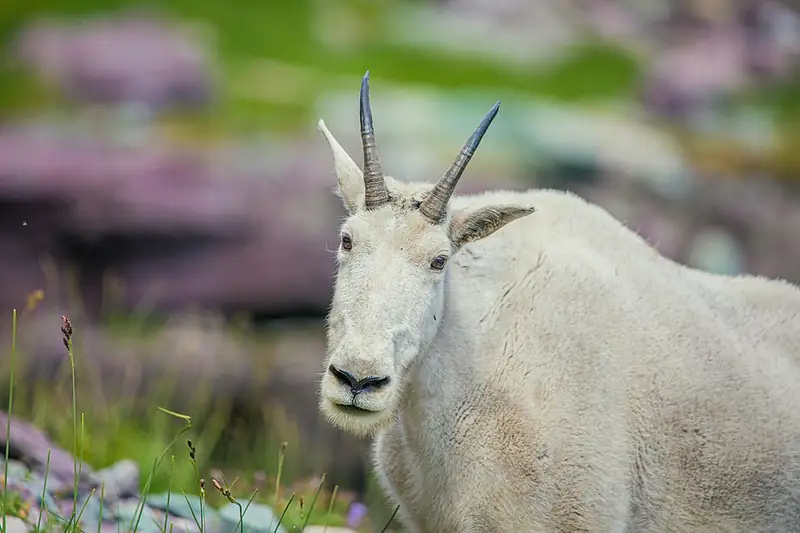 Mammal
 Mountain goat
Oreamnos americanus
A white, shaggy climber with black horns that lives on the steepest crags and pumice fields high on Mount Rainier, where almost nothing else can walk.
-
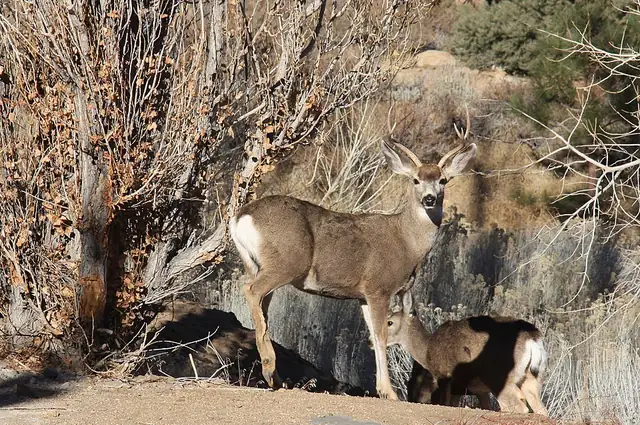 Mammal
 Mule deer
Odocoileus hemionus
A western deer named for its big mule-like ears, common along canyon rims and desert washes in Grand Canyon, Zion, Yosemite, and Saguaro.
-
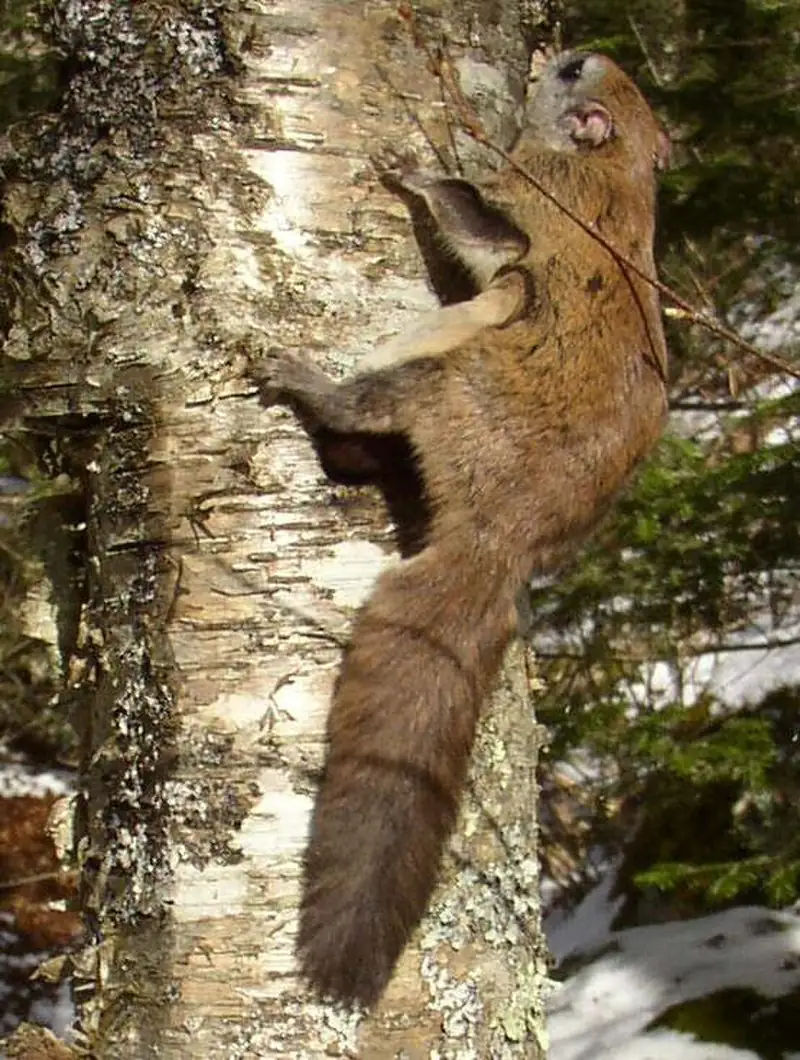 Mammal
 Northern flying squirrel
Glaucomys sabrinus
A nocturnal glider of old-growth conifer forests that eats mostly underground fungus and, under a UV light, glows bubblegum pink.
-
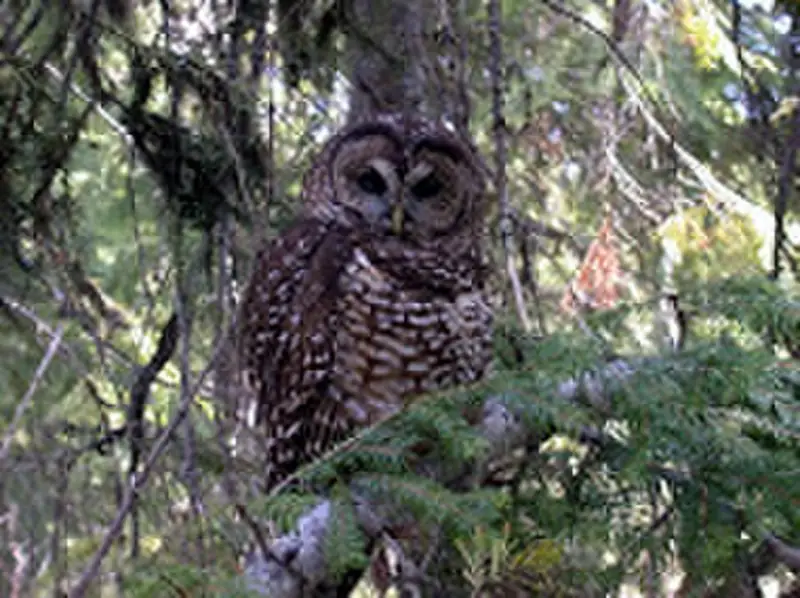 Bird
Bird Northern spotted owl
Strix occidentalis caurina
A nocturnal old-growth owl whose numbers keep falling even in protected forest, as a bigger relative from the East moves into its territory.
-
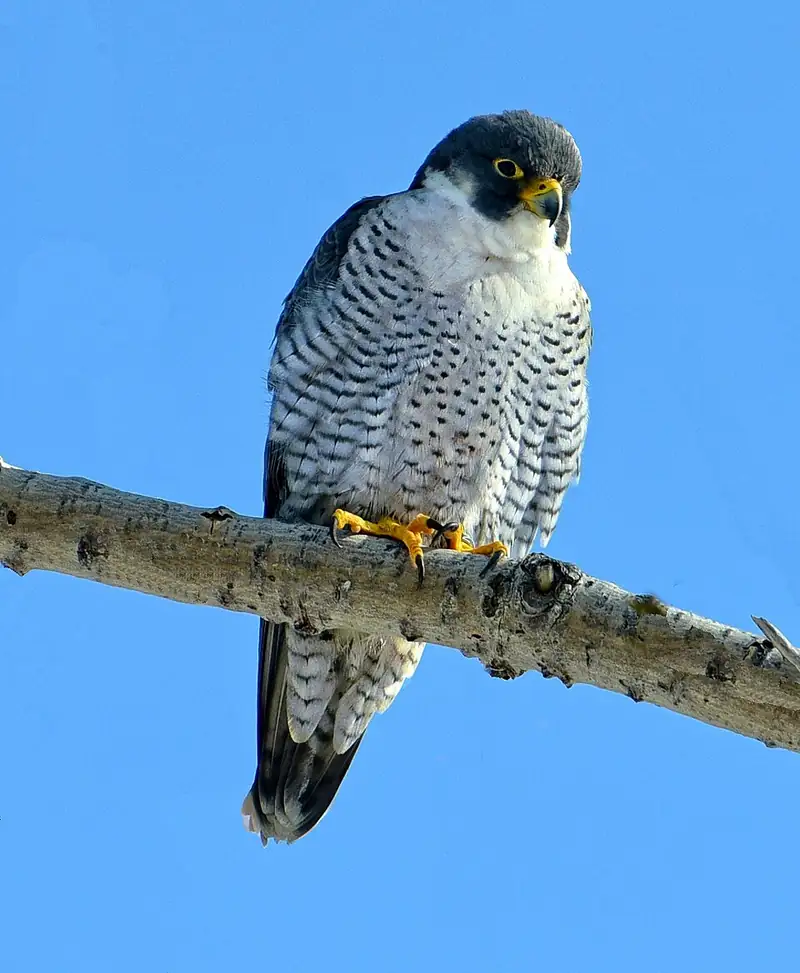 Bird
Bird Peregrine falcon
Falco peregrinus
The fastest animal alive, a crow-sized falcon that folds its wings and stoops on other birds in midair, and a species that nearly vanished before recovering.
-
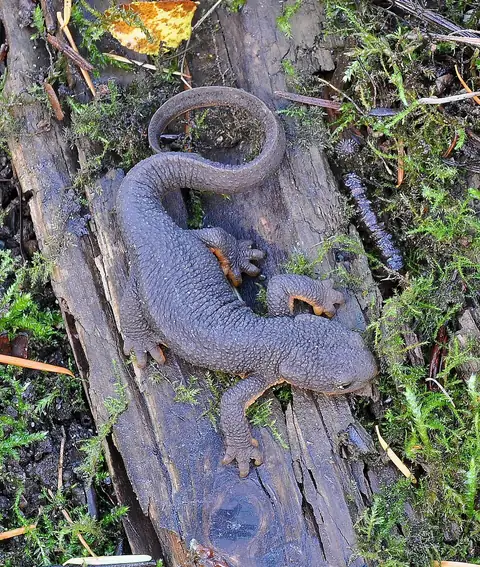 Amphibian
 Rough-skinned newt
Taricha granulosa
A brown, warty-skinned newt with a bright orange belly that carries enough poison to kill a person, found in ponds and wet forests across the Pacific Northwest.
-
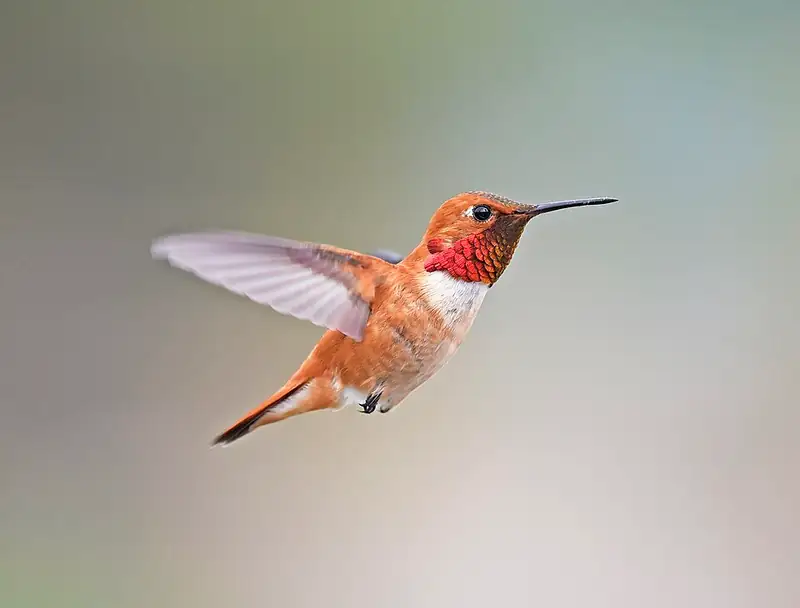 Bird
Bird Rufous hummingbird
Selasphorus rufus
A copper-orange hummingbird that flies farther, relative to its size, than almost any other bird on Earth, from Mexico to Alaska and back every year.
-
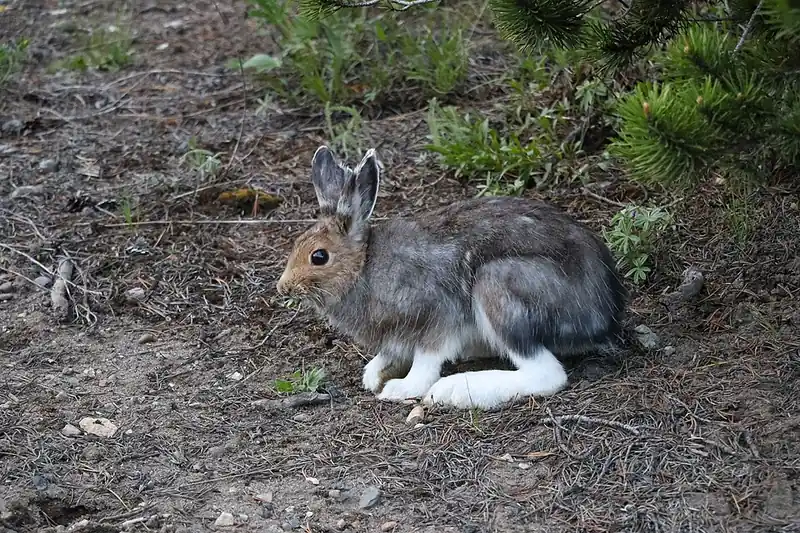 Mammal
 Snowshoe hare
Lepus americanus
A forest hare whose coat flips from brown to white on a clock set by daylight, not by snow, and whose oversized feet work like actual snowshoes.
-
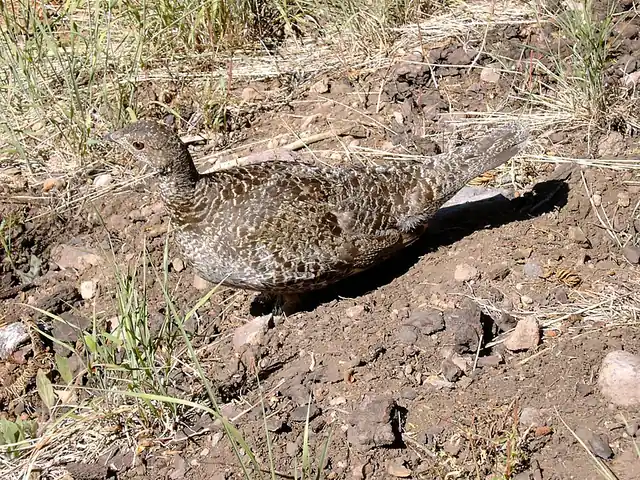 Bird
Bird Sooty grouse
Dendragapus fuliginosus
A large, dark forest grouse whose male hoots from bare yellow neck patches in spring, then walks itself uphill each fall to spend winter eating conifer needles.
-
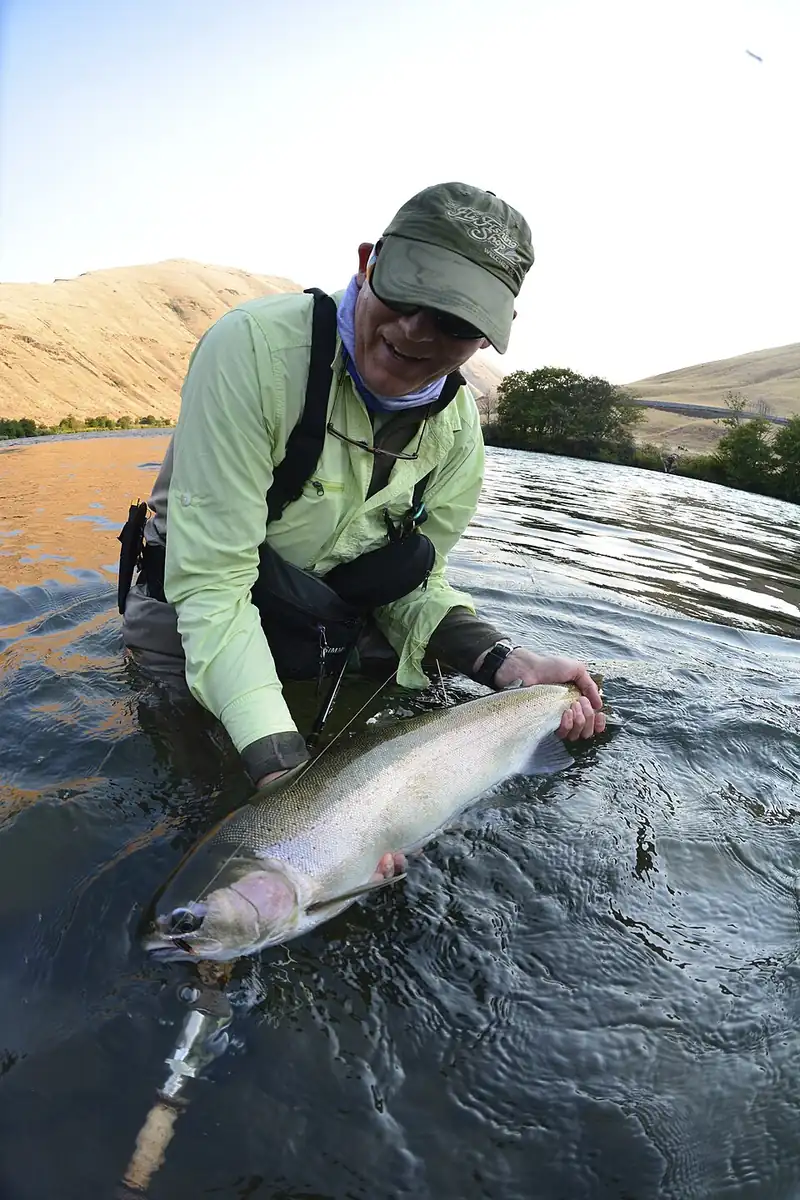 Fish
Fish Steelhead
Oncorhynchus mykiss
A rainbow trout that swims to the ocean and back, the one salmon-family fish here that can spawn more than once instead of dying after a single trip.
-
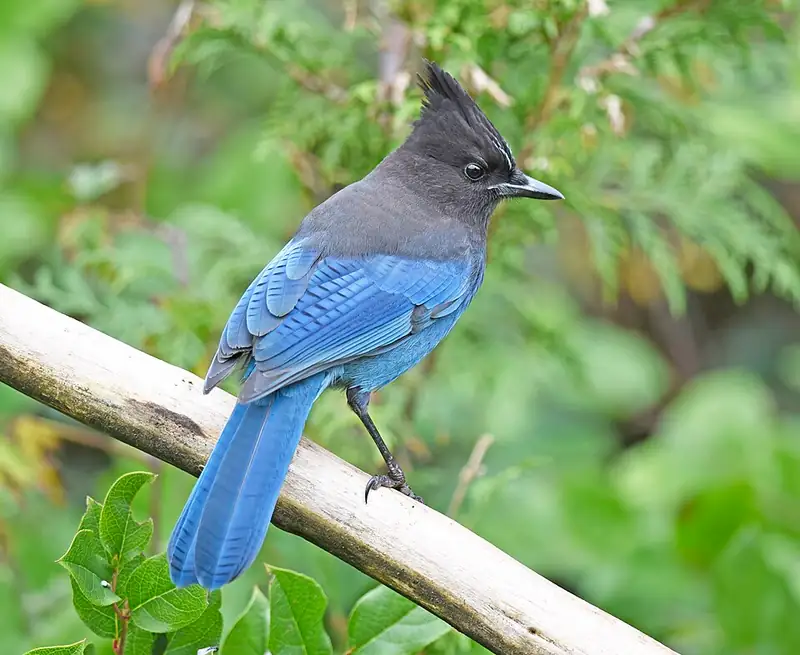 Bird
Bird Steller's jay
Cyanocitta stelleri
A deep-blue mountain jay with a black crest and a loud voice, the campground bird that will eye your sandwich at Yosemite, Sequoia, and Crater Lake.
-
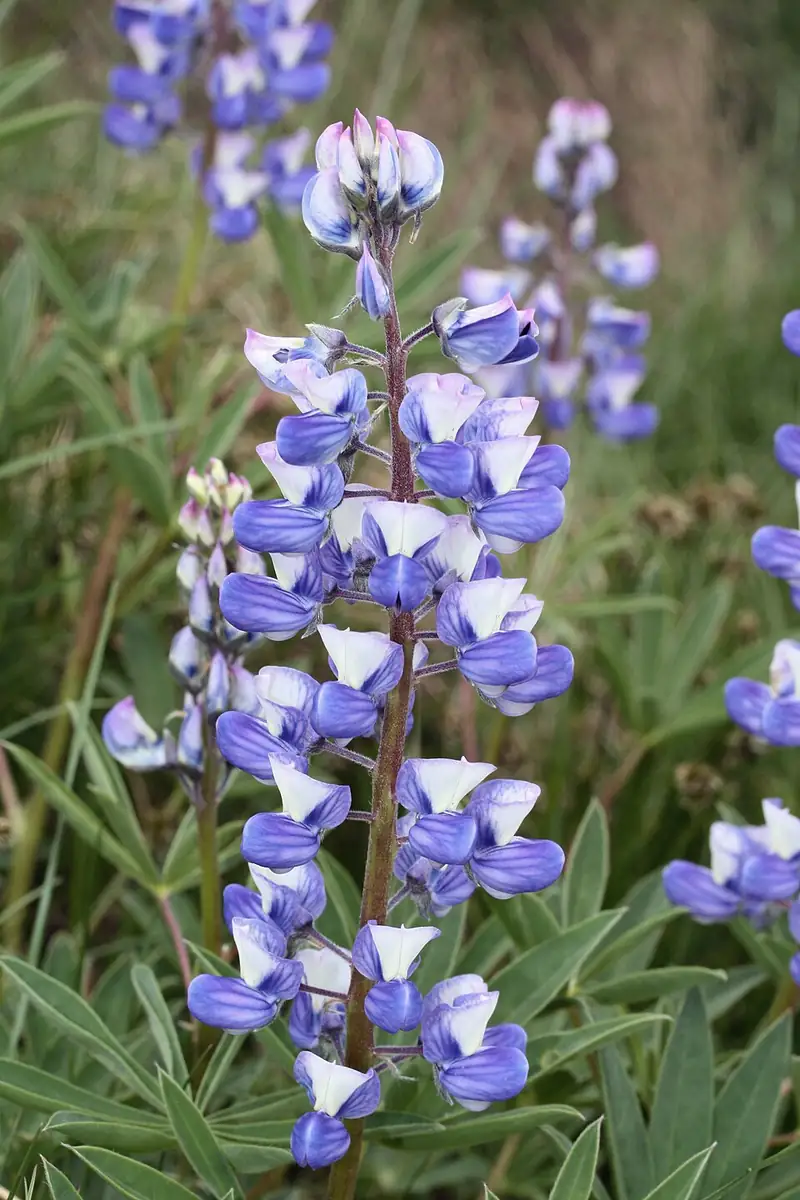 Plant
Plant Subalpine lupine
Lupinus latifolius
The blue lupine that fills Mount Rainier's Paradise meadows in summer and quietly rebuilds raw volcanic soil by pulling nitrogen from the air.
-
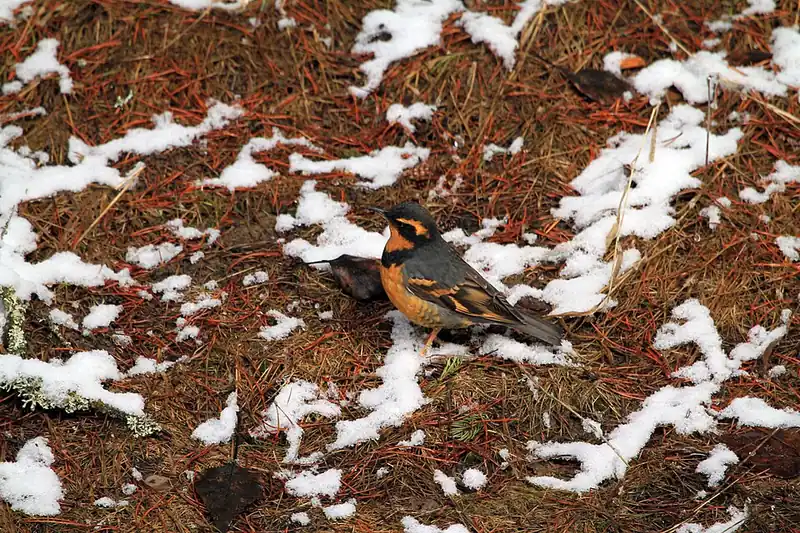 Bird
Bird Varied thrush
Ixoreus naevius
A ringing single whistle from deep, shaded old-growth forest, and a bird so well hidden most visitors only ever hear it.
-
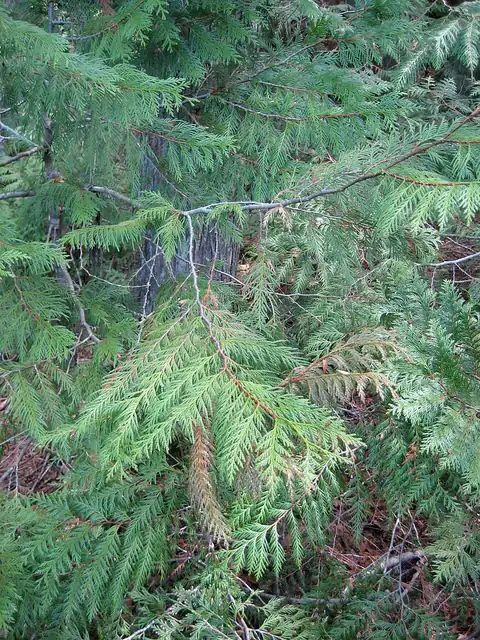 Plant
Plant Western red cedar
Thuja plicata
The great rainforest tree of the Northwest Coast, called the tree of life, used by Coast Salish and other nations for canoes, longhouses, and baskets.
-
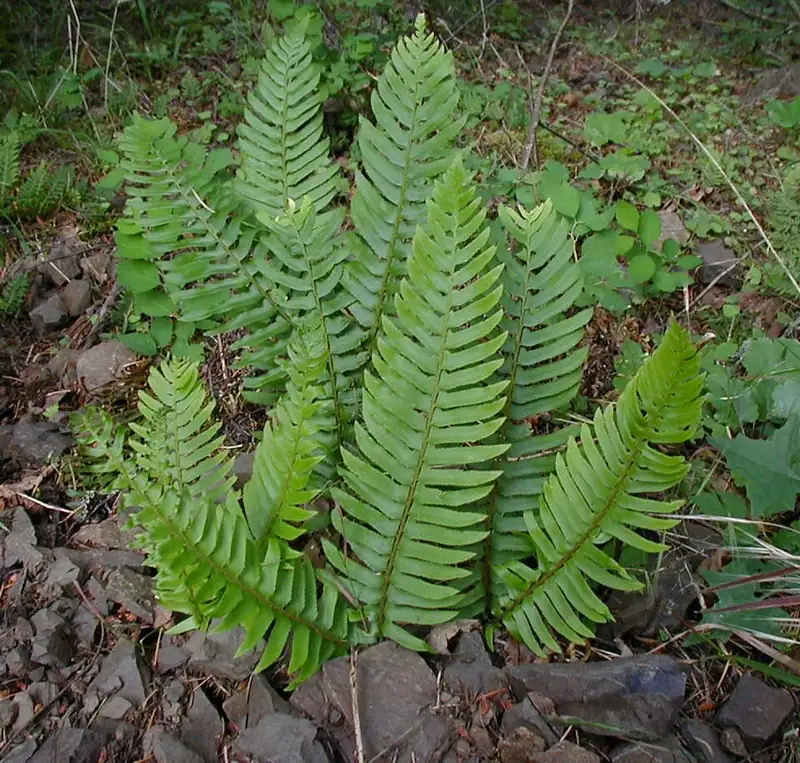 Plant
Plant Western sword fern
Polystichum munitum
The knee-high fern that carpets the Northwest rainforest floor in deep green all year, each leaflet marked with a little hilt like a tiny sword.
-
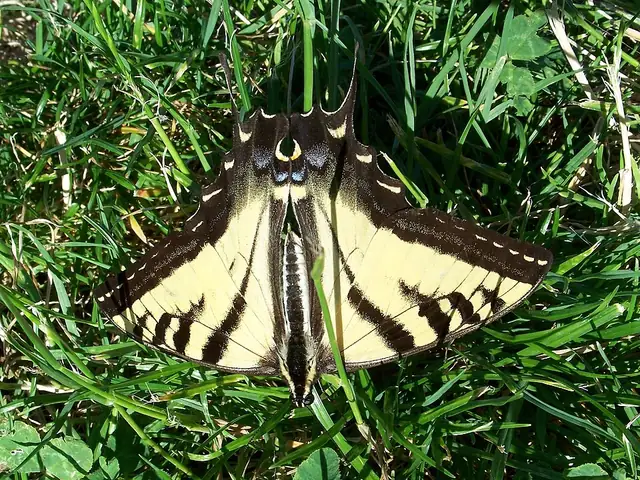 Invertebrate
 Western tiger swallowtail
Papilio rutulus
The big yellow-and-black butterfly of western streamsides whose caterpillar wears fake snake eyes and flips out a stinky orange horn when scared.
-
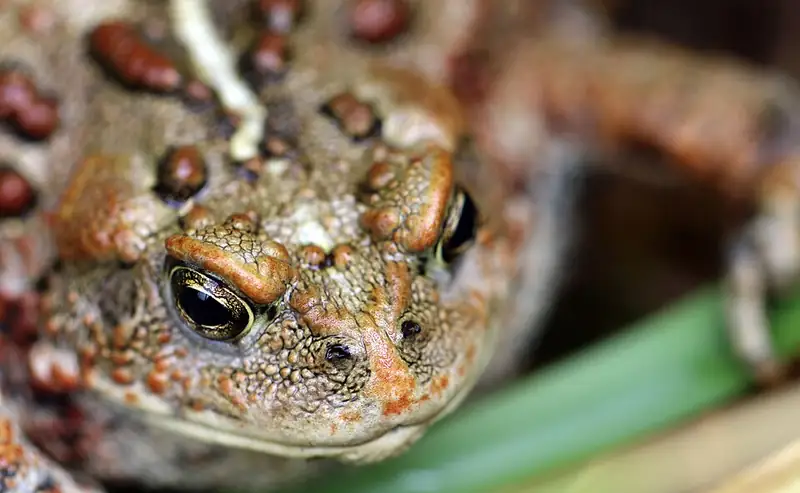 Amphibian
 Western toad
Anaxyrus boreas
A stout, warty toad that walks instead of hopping, with poison glands behind each eye, ranging from lowland ponds to mountain lakes across the Cascades.
-
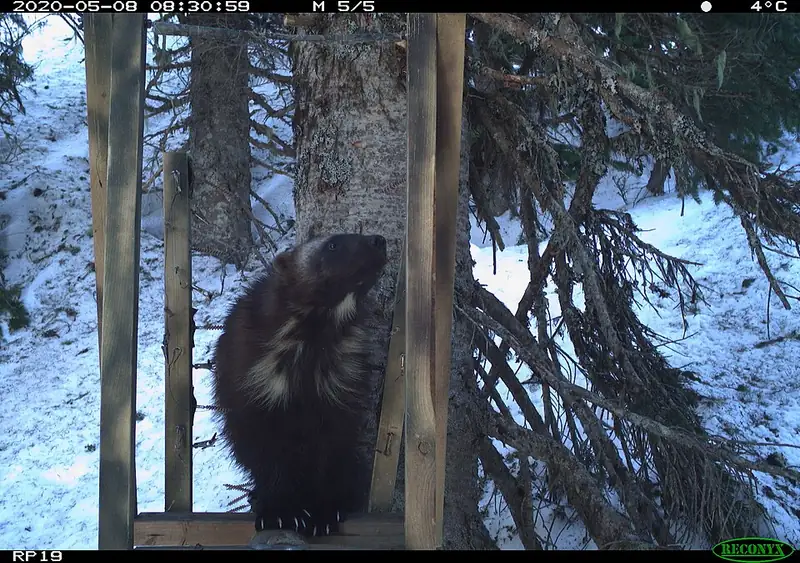 Mammal
 Wolverine
Gulo gulo
The largest weasel-family member, so rare in Washington that a 2020 den at Mount Rainier was its first confirmed wolverine family in over a century.