What We Believe
We’re not experts, and we don’t have it all figured out, but there are endless ways to learn, and these are the things we keep coming back to.
01
Every kid learns differently
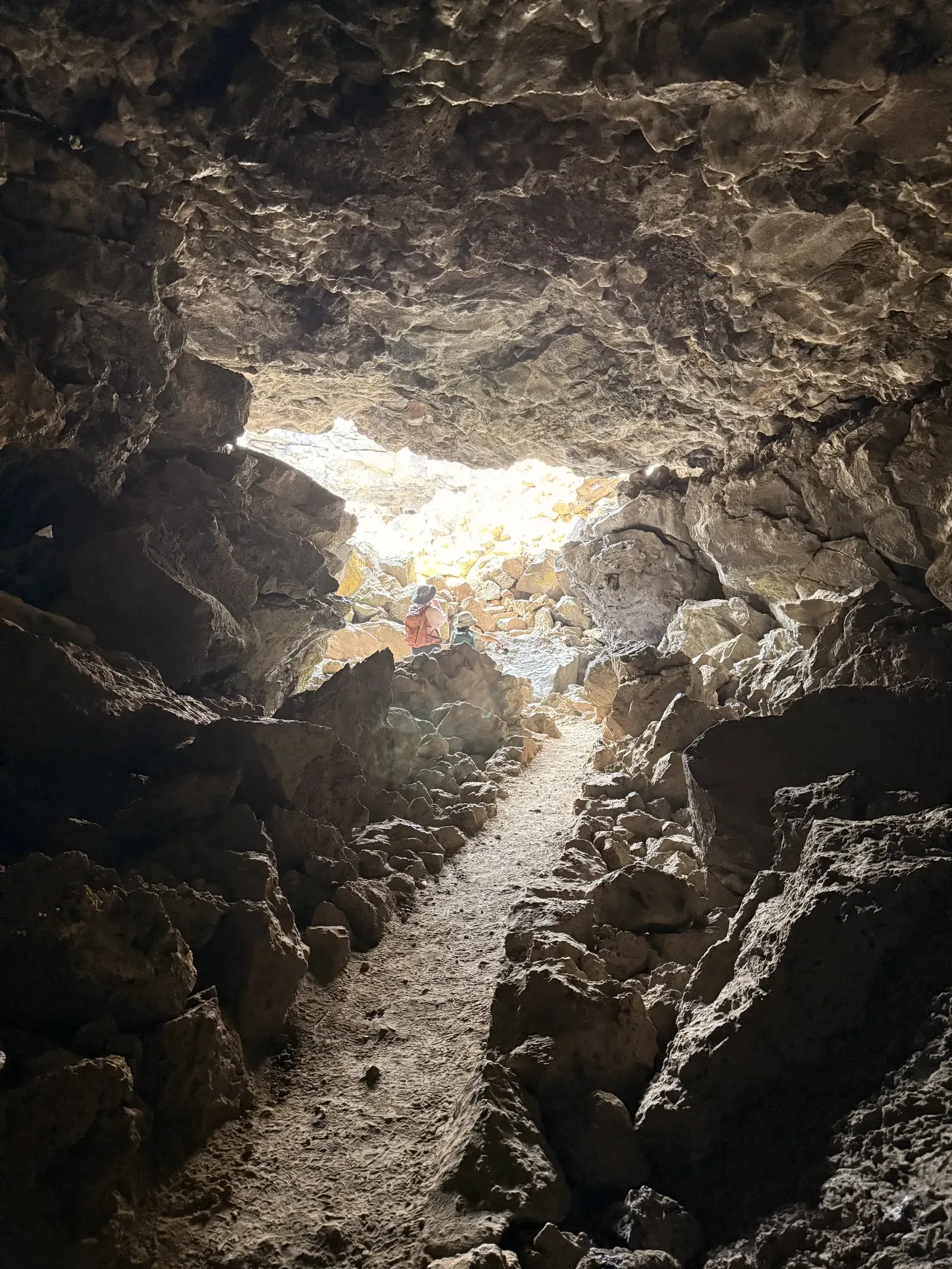
Some kids need to move, touch, and see things to understand them. Families with neurodivergent kids often feel isolated when they try to get outside, and they’re the families we most want to reach. There are endless ways to learn. A canyon, a cave, or a boardwalk full of hammock nets can reach a kid a worksheet never will.
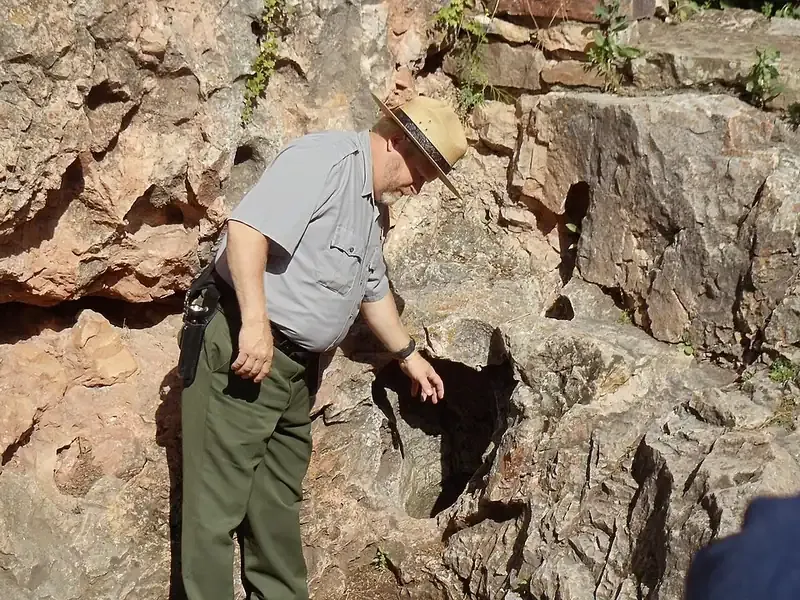
Photo by Stripey the crab / Wikimedia Commons · CC BY-SA 3.0
02
Technology, used with our eyes open
Our kids have iPads, for learning and creating. The right tools meet each kid where they are and let them chase a question further than any curriculum would. We also teach them to check the source, to find the primary one, and to remember that some of the best knowledge lives in people who have studied a thing for decades. When a device starts getting in the way of connection, or we see the behaviors these apps are built to produce, we put a stop to it.
03
The world is a classroom
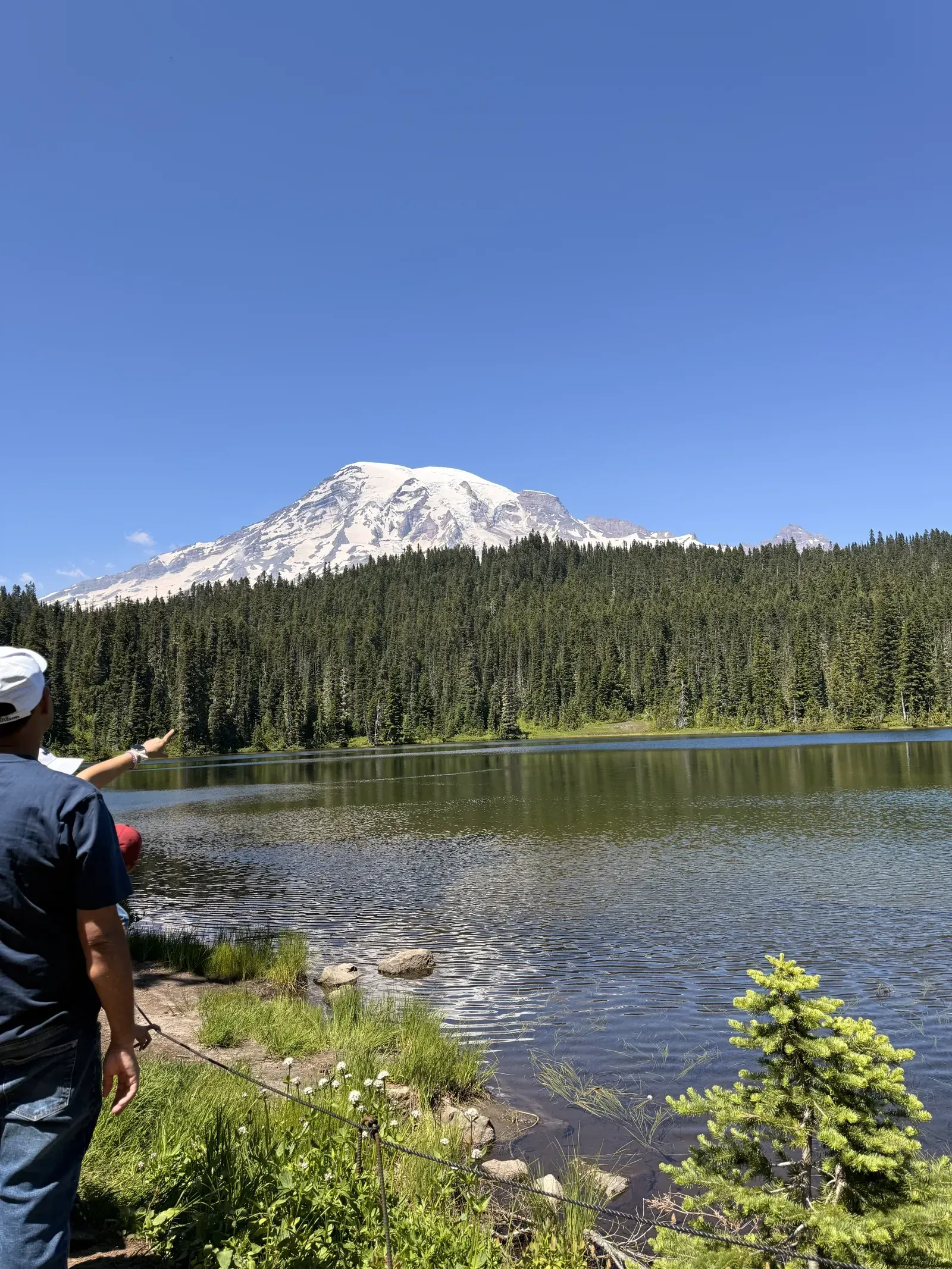
Every hike is a geology lesson. Every ranger talk is a doorway to a new obsession. Every person we meet has something to teach us, if we’re willing to listen. Our kids do Junior Ranger booklets, chase their own passions (snakes and tomatoes, currently), and ask questions we can’t answer yet.
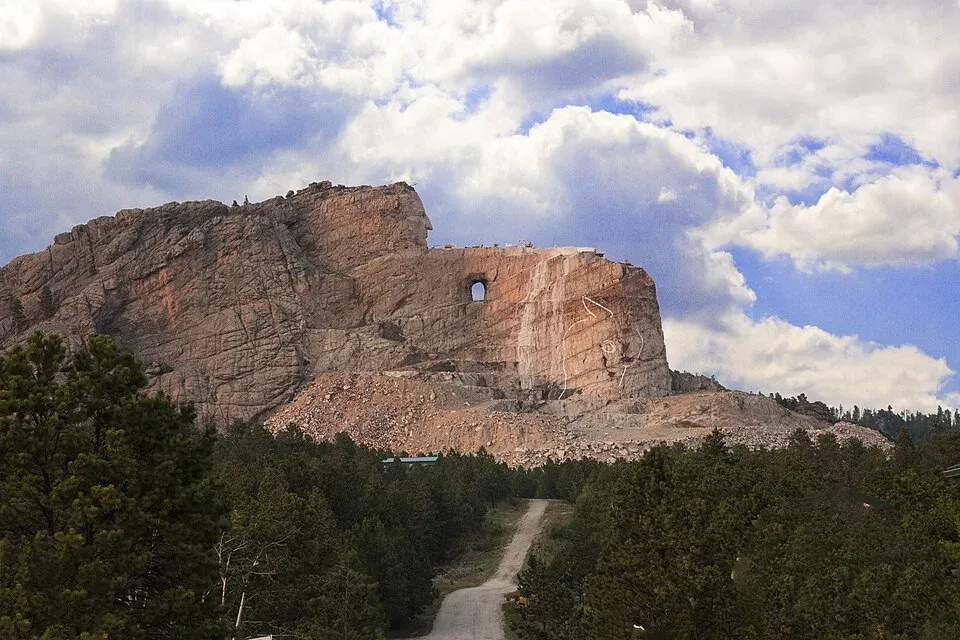
Photo by Ahzoov / Wikimedia Commons · CC BY-SA 4.0
04
Tell the whole story
Every park has more than one story. We look for the people who’ve been left off the signs: women, Native nations, and others whose history is part of these places but rarely gets told. We ask whose land this is, who has cared for it for generations, and what was here before it became a “park.” Respect for the land means respect for its people. And history is complicated. People who did great things also did some not-so-great things, and the times they lived in shaped their choices. We tell the whole story, celebrating people for the values they lived by and being honest about where they fell short.
05
Quiet bravery
The kind that keeps walking when your legs are tired, tries the unfamiliar food, walks up to a ranger and asks the question. We think the bravest things a person can say are “I don’t know” and “I was wrong.” Then go find out.
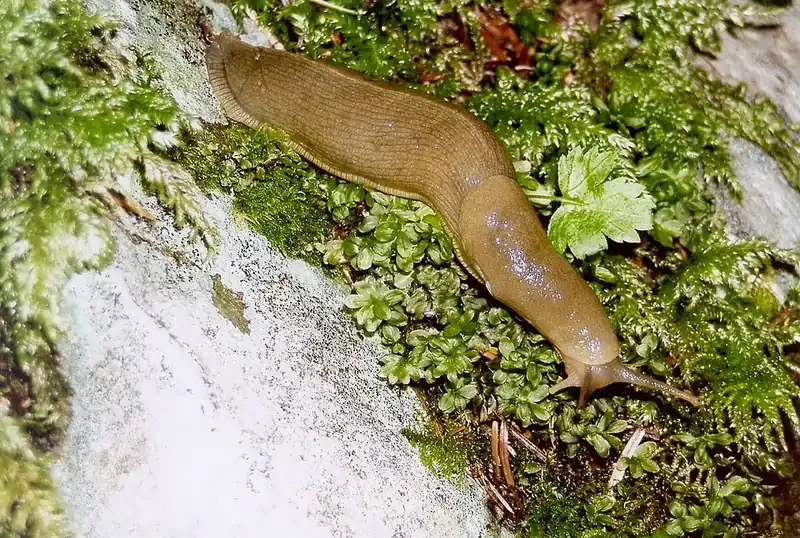
Photo by Chris Light / Wikimedia Commons · CC BY-SA 4.0
06
Go slow enough to notice
We’d rather see a few things well than rush through everything. We build in rest, leave room for boredom, and let the in-between moments shine. Some of the best learning happens when nobody’s teaching.
07
Not perfect, just learning
We’re not experts, and we don’t have it all figured out. There are meltdowns in parking lots and plans that fall apart in the rain. The hard days happen, but you won’t see them here. Our kids deserve privacy, and so does everyone else in their moments of learning and weakness. What we share is what we learn along the way, from rangers, from experts, from getting it wrong and figuring out what we’d do differently.
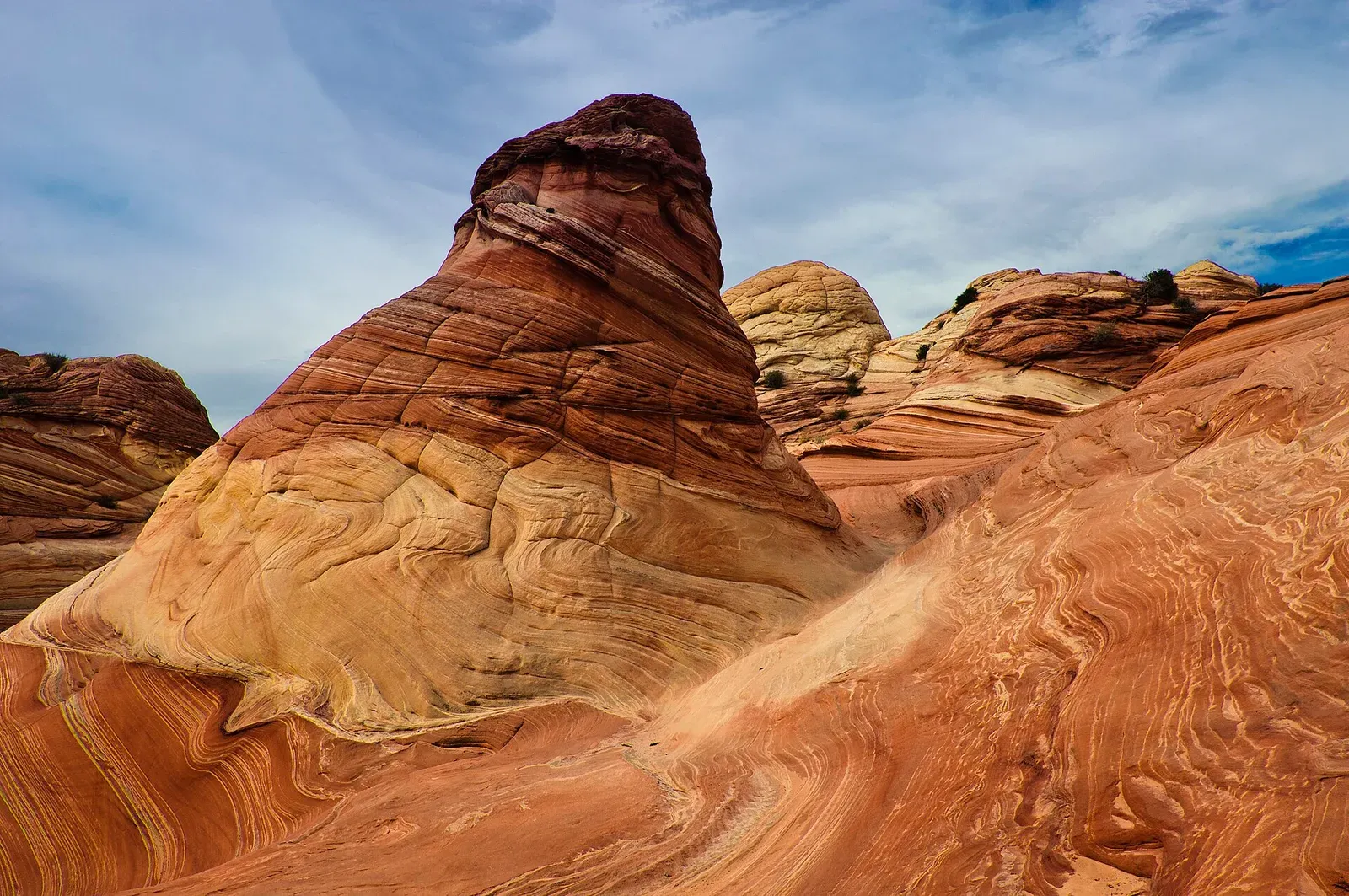
Photo by BLM Utah / Wikimedia Commons · Public domain
08
Public lands belong to everyone
National parks belong to all of us. The Park Service was created to protect these places and to keep them open to the people, and both halves matter. So we don’t gatekeep. The answer to crowds isn’t secrecy. It’s good management, and it’s showing up well: pack it out, stay on trail, give wildlife space, and teach your kids to do the same. These places need more families who love them, not fewer.
Come with us
A story in all 63 national parks on the Roamschool Family Podcast. Come find your park.