Plants of North Cascades National Park
The 7 plants of North Cascades National Park. Each carries a fun fact and a note on whether a kid should worry about it.
Common questions
Which North Cascades National Park plants demand distance from a kid?
Beargrass, Bigleaf maple, Douglas-fir, Indian paintbrush, and Subalpine lupine carry a rule worth reading. Beargrass: The leaves have fine sawtooth edges that can give a paper-cut-like nick if you pull them through your hand, so run a finger gently along one to feel the teeth rather than gripping and pulling. Bigleaf maple: A bigleaf maple is completely harmless. Douglas-fir: Completely safe. Indian paintbrush: Harmless to touch. Subalpine lupine: Do not eat any part of it. 2 more species carry a rule worth reading. (per NPS species pages).
What do North Cascades National Park plants eat?
Bigleaf maple eats sunlight, rainwater, carbon dioxide, soil nutrients. (per NPS species pages).
The strangest true thing about North Cascades National Park's plants.
Beargrass: Despite the name it is not a grass at all. It is a member of the lily family, with a tall stalk of hundreds of tiny creamy flowers. Bigleaf maple: The bigleaf maple has the largest leaves of any maple in the world. A single leaf can be about a foot wide, big enough to hold in front of your face like a mask. (per NPS species pages).
-
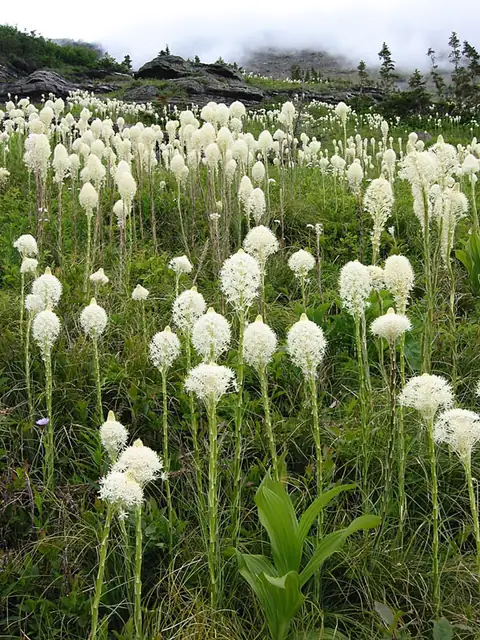 Plant
Beargrass
Xerophyllum tenax
A mountain plant that is not a grass but a lily, sending up a tall creamy plume only every few years, its tough leaves woven into watertight baskets and hats.
-
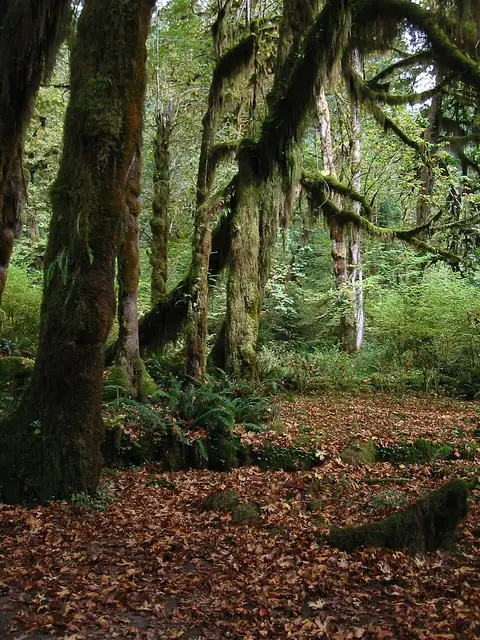 Plant
Bigleaf maple
Acer macrophyllum
A Pacific Northwest maple with the largest leaves of any maple, often draped in moss and ferns in the rainforests of Olympic and North Cascades.
-
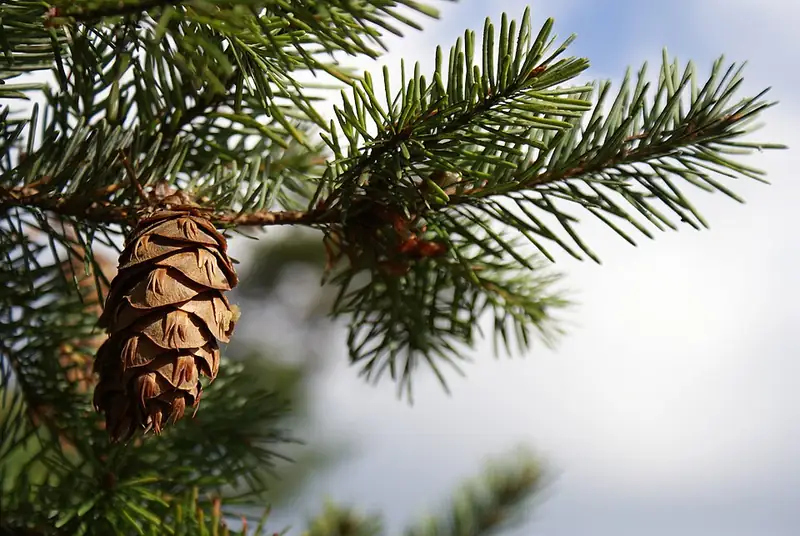 Plant
Douglas-fir
Pseudotsuga menziesii
One of the tallest trees on Earth, not actually a true fir, whose cones carry little three-pointed flaps a Native story calls the tails and legs of hiding mice.
-
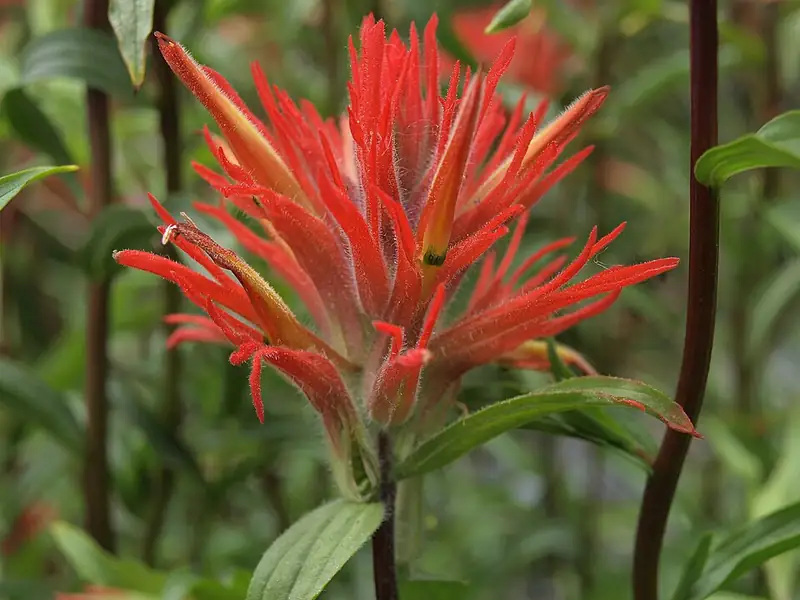 Plant
Indian paintbrush
Castilleja miniata
A scarlet mountain wildflower that steals water and food from its neighbors' roots, and whose bright color comes from leaves, not petals.
-
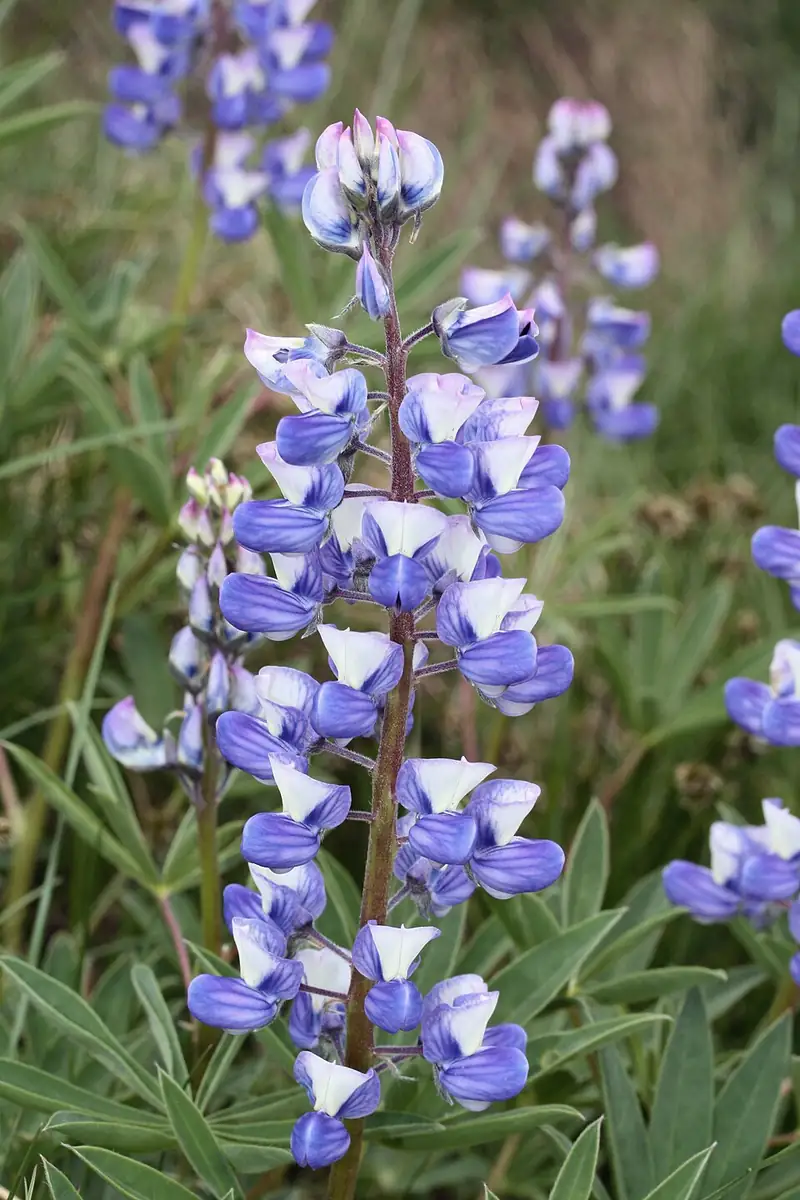 Plant
Subalpine lupine
Lupinus latifolius
The blue lupine that fills Mount Rainier's Paradise meadows in summer and quietly rebuilds raw volcanic soil by pulling nitrogen from the air.
-
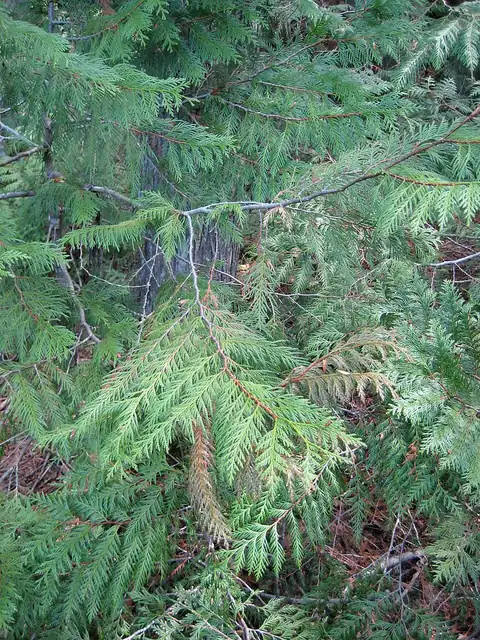 Plant
Western red cedar
Thuja plicata
The great rainforest tree of the Northwest Coast, called the tree of life, used by Coast Salish and other nations for canoes, longhouses, and baskets.
-
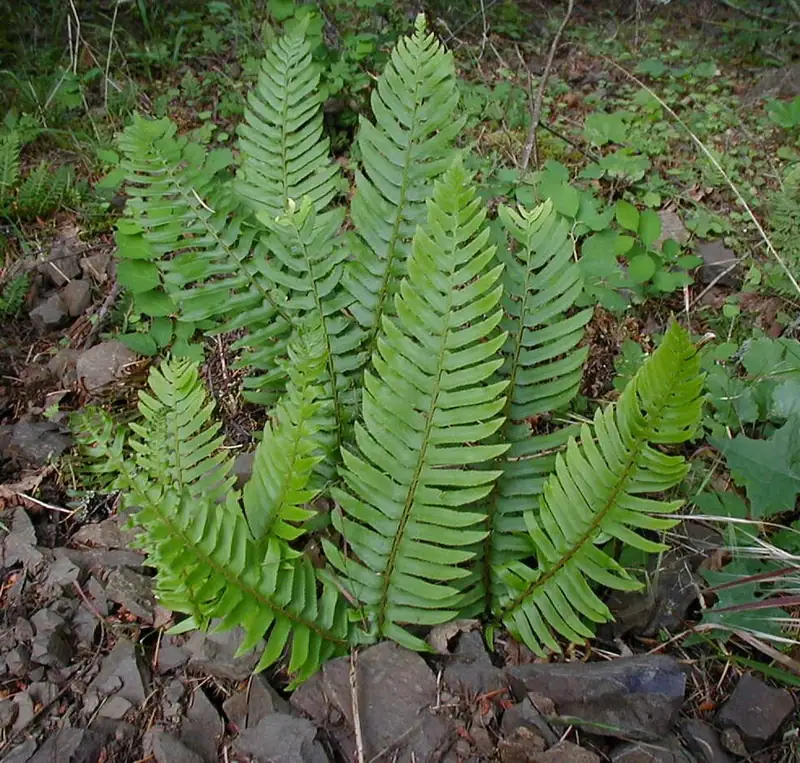 Plant
Western sword fern
Polystichum munitum
The knee-high fern that carpets the Northwest rainforest floor in deep green all year, each leaflet marked with a little hilt like a tiny sword.