Invertebrates of North Cascades National Park
The 2 invertebrates of North Cascades National Park: Banana slug and Western tiger swallowtail. Their profiles carry sizes, diets, and whether you should worry.
Common questions
Which North Cascades National Park invertebrates demand distance from a kid?
Banana slug and Western tiger swallowtail carry a rule worth reading. Banana slug: A banana slug cannot bite or sting and is not poisonous to touch. Western tiger swallowtail: Completely harmless. (per NPS species pages).
What do North Cascades National Park invertebrates eat?
Banana slug eats fallen leaves, mushrooms, dead plants, animal droppings, moss. Western tiger swallowtail eats nectar, willow, cottonwood, and aspen leaves (as a caterpillar). (per NPS species pages).
The strangest true thing about North Cascades National Park's invertebrates.
Banana slug: A banana slug breathes through a hole in its side. That round opening near the front, called a pneumostome, opens and closes to let air into a simple lung inside the slug's body. Western tiger swallowtail: The young caterpillar disguises itself as a bird dropping, then grows into a green caterpillar with two big fake eyespots that make it look like a small snake. (per NPS species pages).
-
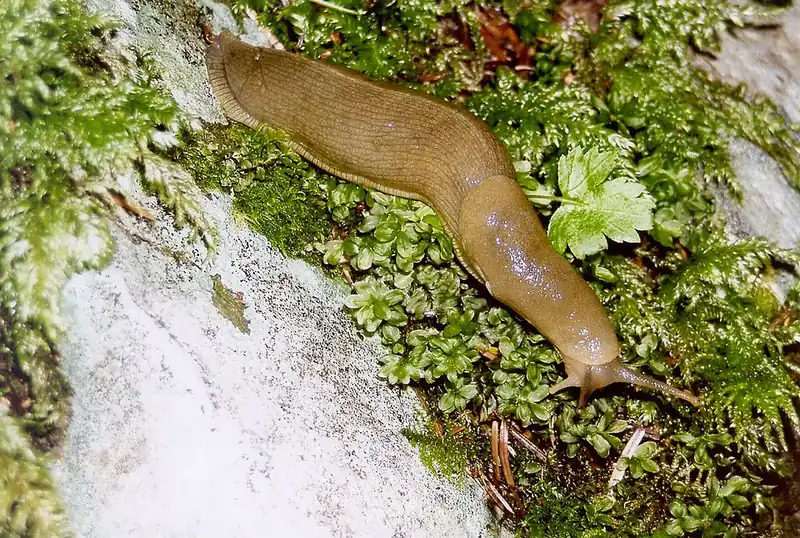 Invertebrate
Banana slug
Ariolimax columbianus
A long yellow slug, sometimes as big as a real banana, that glides across the damp floor of the redwood forest and cleans up what falls there.
-
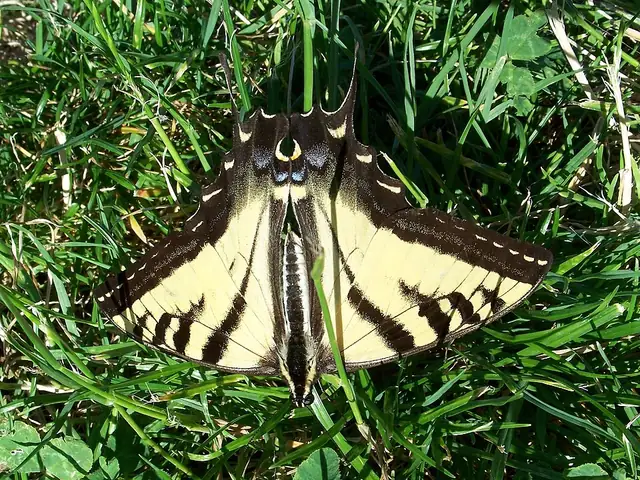 Invertebrate
Western tiger swallowtail
Papilio rutulus
The big yellow-and-black butterfly of western streamsides whose caterpillar wears fake snake eyes and flips out a stinky orange horn when scared.