Animals & Plants of Craters of the Moon National Monument and Preserve
The 40 animals, plants, and fungi you can find at Craters of the Moon National Monument and Preserve, with sizes, diets, and whether you should worry. See the full park guide at Craters of the Moon National Monument and Preserve.
Craters of the Moon is a lava field in Idaho sagebrush country, and most of its animals live in the gaps: in the sagebrush between flows, in the cracks, and in the caves. American pikas cut hay in the rock piles, pronghorn and mule deer cross the open steppe, and greater sage-grouse depend on the sagebrush itself. Townsend's big-eared bats use the lava tubes, which is why some caves close to people.
Common questions
Which Craters of the Moon animals need the most room?
At Craters of the Moon National Monument and Preserve, give space to Moose, American black bear, Gray wolf, Elk, and Coyote. Moose: A moose looks slow and gentle, but it is one of the most dangerous animals to crowd. American black bear: Black bears are usually shy and would rather leave than meet you. Gray wolf: Wild wolves almost never bother people. Elk: Elk look calm but they are large and wild. Coyote: Coyotes almost always run from people. (per NPS species pages).
What do the Craters of the Moon animals live on?
At Craters of the Moon National Monument and Preserve, the most interesting eaters are Gray wolf, Moose, Bald eagle, and Golden eagle. Gray wolf eats elk, deer, moose, caribou, beaver, snowshoe hare. Moose eats willow, aspen leaves, twigs, water plants, pond weeds. Bald eagle eats fish, ducks, gulls, small mammals, carrion. Golden eagle eats rabbits, hares, ground squirrels, marmots, ptarmigan. (per NPS species pages).
Which Craters of the Moon species has the strangest true fact?
The strangest true thing about Craters of the Moon National Monument and Preserve: Utah juniper: At Craters of the Moon, Utah juniper grows in the park's lower-elevation lava country, alongside the more dominant Rocky Mountain juniper. Mountain bluebird: A mountain bluebird's blue comes from the physical structure of its feathers scattering light, the same optical trick that makes the sky look blue — there is no blue pigment in the feather at all. (per NPS species pages).
Anything here that bites?
Keep away
- American badger: Badgers would rather dig away than fight and avoid people entirely.
- American black bear: Black bears are usually shy and would rather leave than meet you.
- Coyote: Coyotes almost always run from people.
- Elk: Elk look calm but they are large and wild.
- Gray wolf: Wild wolves almost never bother people.
- Moose: A moose looks slow and gentle, but it is one of the most dangerous animals to crowd.
- Mule deer: Mule deer look calm and tame, but they are wild animals with sharp hooves, and bucks have antlers in fall.
- Pronghorn: Not a real worry: pronghorn keep their distance from people on their own.
Don't touch or eat
- North American porcupine: A porcupine cannot throw or shoot its quills, but they detach the instant something touches them, and the barbed tips work deeper into skin over time.
Bites if handled
- American beaver: Beavers are shy and would rather swim off than confront anyone.
- American pika: Pikas are harmless.
- Bald eagle: A bald eagle will not come after you.
- Black-tailed jackrabbit: Harmless.
- Columbian ground squirrel: Harmless, and that is the problem.
- Golden eagle: A golden eagle will not come after a person.
- Golden-mantled ground squirrel: None.
- Great horned owl: This owl hunts small animals at night and will not come after you.
- Red-tailed hawk: None.
- Sagebrush lizard: This lizard has no venom, and its main defense is running.
- Snowshoe hare: None.
- Townsend's big-eared bat: Bats are not out to hurt you, and they are not 'flying mice' or blind.
- Turkey vulture: None directly — it eats only dead animals and avoids people.
- Western terrestrial garter snake: Essentially harmless.
- Yellow-bellied marmot: Marmots are not dangerous, but they are wild and can bite if you corner or try to grab one.
Everything else on this page is harmless. What each group means.
-
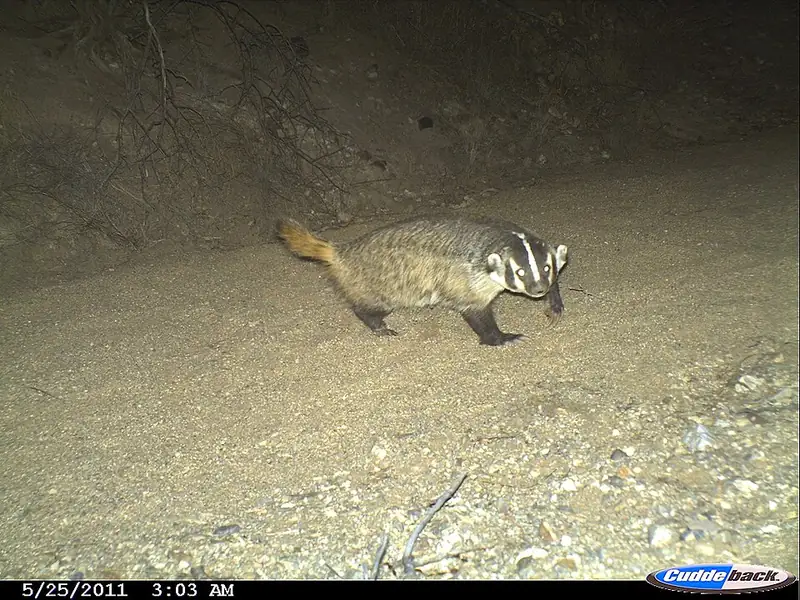 Mammal
 American badger
Taxidea taxus
A short, wide-bodied digger with a white-striped face, common on the grasslands of Yellowstone and Badlands, that can vanish underground in minutes.
-
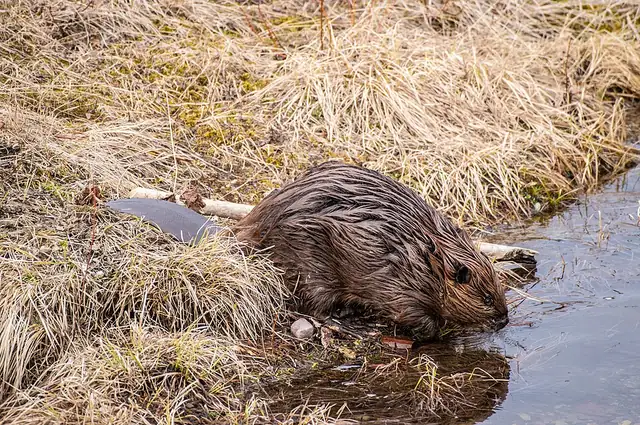 Mammal
 American beaver
Castor canadensis
North America's largest rodent, a keystone species whose dams reshape whole streams at Yellowstone, Glacier, and ten other parks along the route.
-
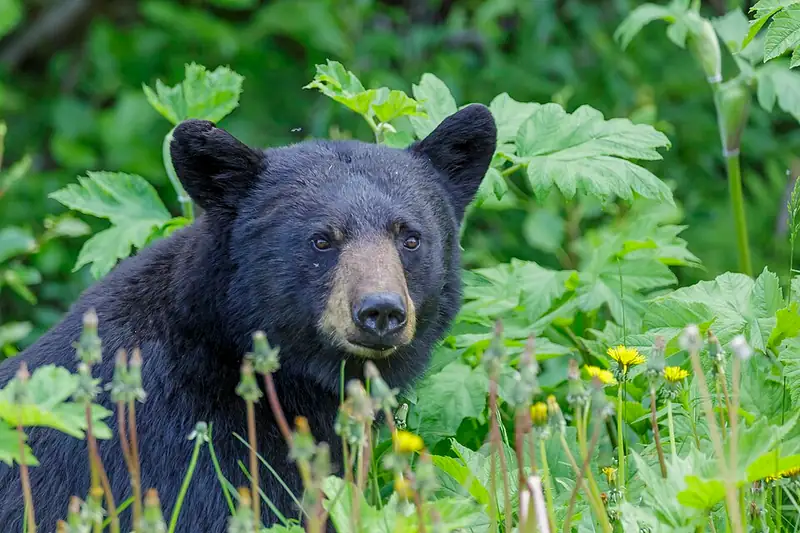 Mammal
 American black bear
Ursus americanus
The bear you're most likely to meet east of the Rockies, a strong tree-climber that eats mostly plants and comes in black, brown, or cinnamon.
-
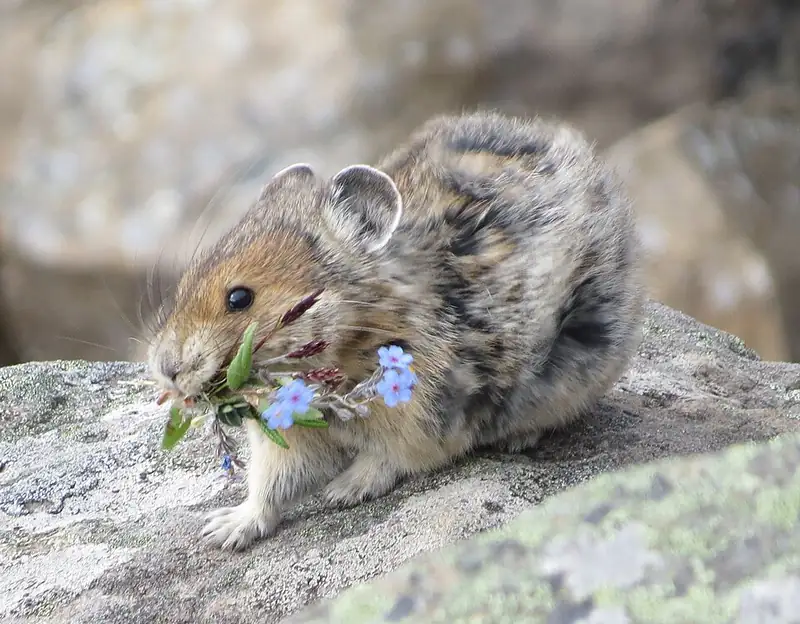 Mammal
 American pika
Ochotona princeps
A small round cousin of the rabbit that lives in mountain rock piles at Rocky Mountain, Mount Rainier, and North Cascades, and never sleeps through winter.
-
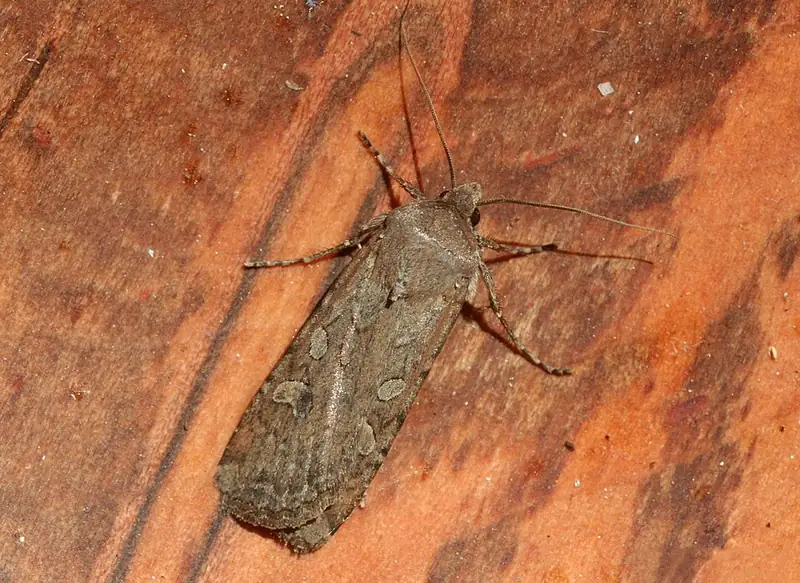 Invertebrate
 Army cutworm moth
Euxoa auxiliaris
A gray moth that migrates from Great Plains farm fields to high mountain talus, where grizzly bears flip rocks to eat it by the thousands each summer.
-
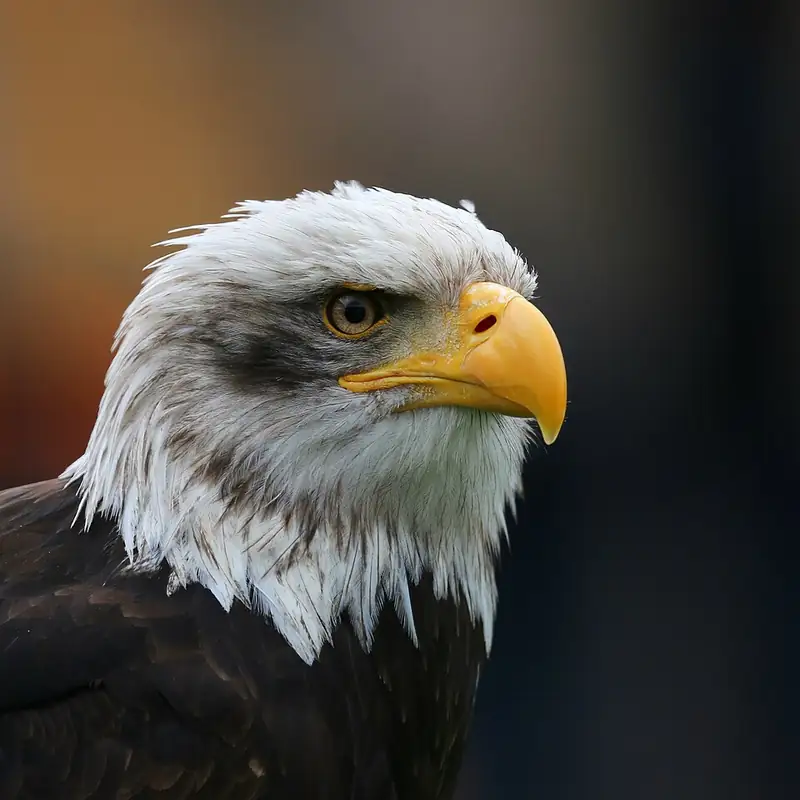 Bird
Bird Bald eagle
Haliaeetus leucocephalus
The white-headed fish hawk that is the national bird of the United States, common along the lakes of Voyageurs and the coasts of Olympic and Katmai.
-
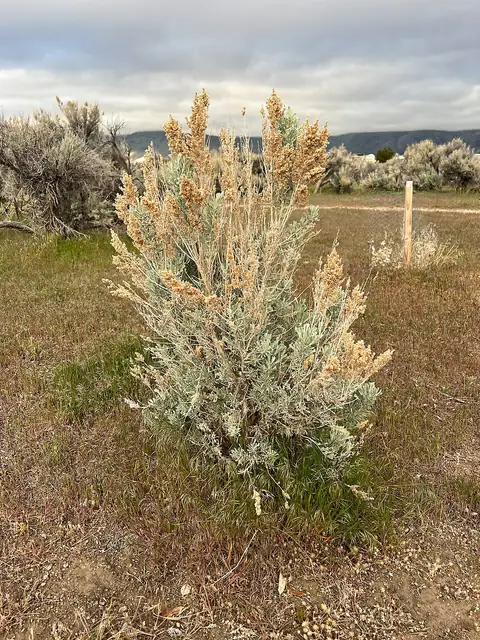 Plant
Plant Big sagebrush
Artemisia tridentata
The silver-leaved, sharp-smelling evergreen shrub of the high desert West, and the main food of the greater sage-grouse nearly all year.
-
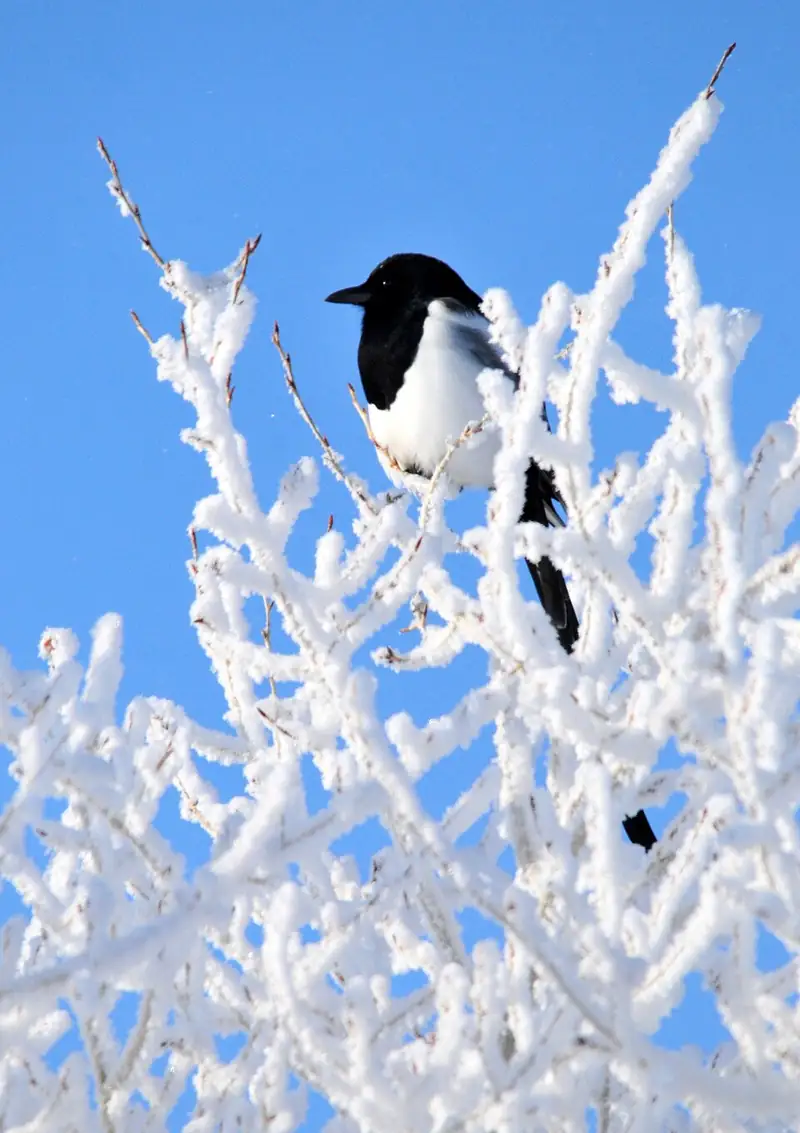 Bird
Bird Black-billed magpie
Pica hudsonia
A black-and-white corvid with a tail as long as its body, common on fences and roadsides across the northern Rockies and Great Plains.
-
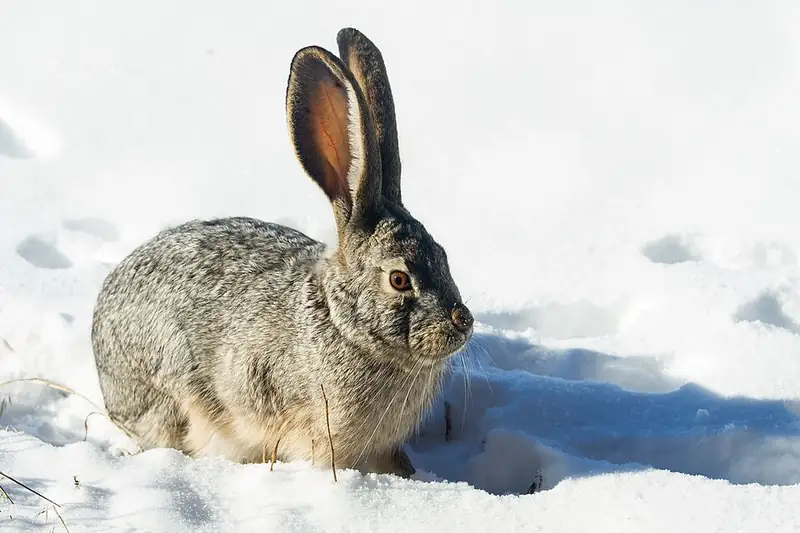 Mammal
 Black-tailed jackrabbit
Lepus californicus
A big-eared hare of Joshua Tree and Lava Beds that dumps body heat through its ears and outruns coyotes in zigzags at 40 miles an hour.
-
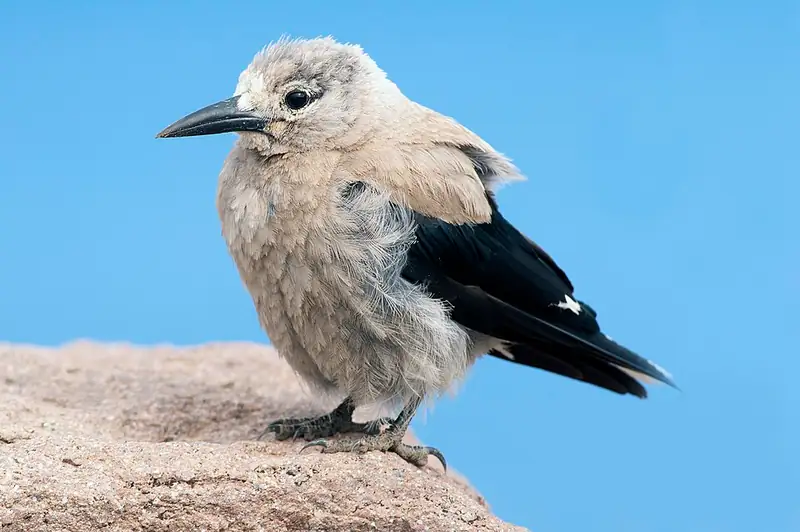 Bird
Bird Clark's nutcracker
Nucifraga columbiana
A pale-gray, black-winged cousin of the crow that hides tens of thousands of pine seeds each fall and remembers where to find them again.
-
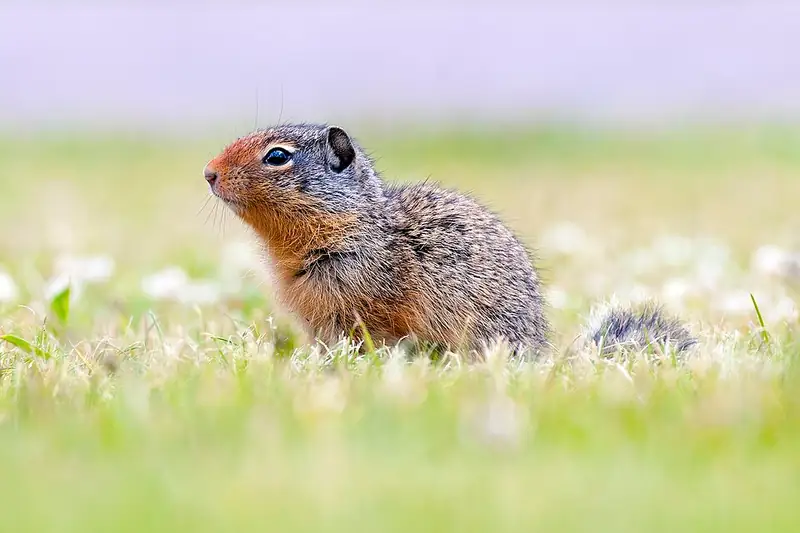 Mammal
 Columbian ground squirrel
Urocitellus columbianus
The squeaking, upright little rodent standing outside its burrow in every open meadow at Glacier, and the animal you are most certain to see there.
-
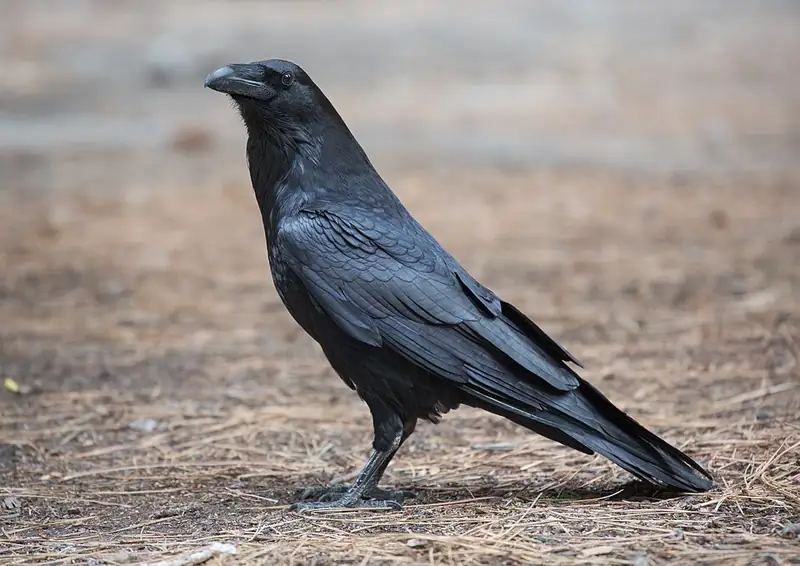 Bird
Bird Common raven
Corvus corax
A big, glossy-black problem-solver that rolls and tumbles over the cliffs of Grand Canyon, Arches, and the desert parks, watching for its next meal.
-
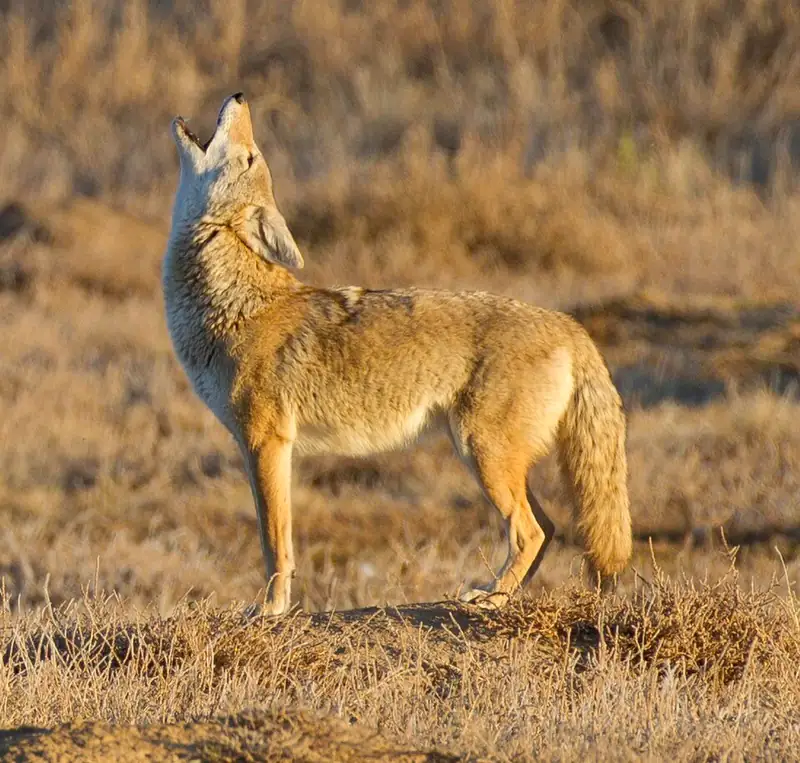 Mammal
 Coyote
Canis latrans
The wild dog you're most likely to hear at a national park — a coyote, at home in the desert, the mountains, and the edges of towns.
-
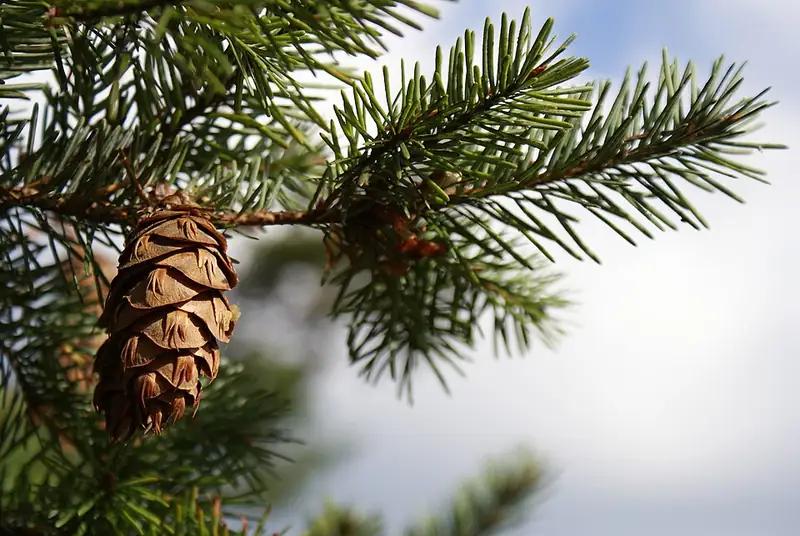 Plant
Plant Douglas-fir
Pseudotsuga menziesii
One of the tallest trees on Earth, not actually a true fir, whose cones carry little three-pointed flaps a Native story calls the tails and legs of hiding mice.
-
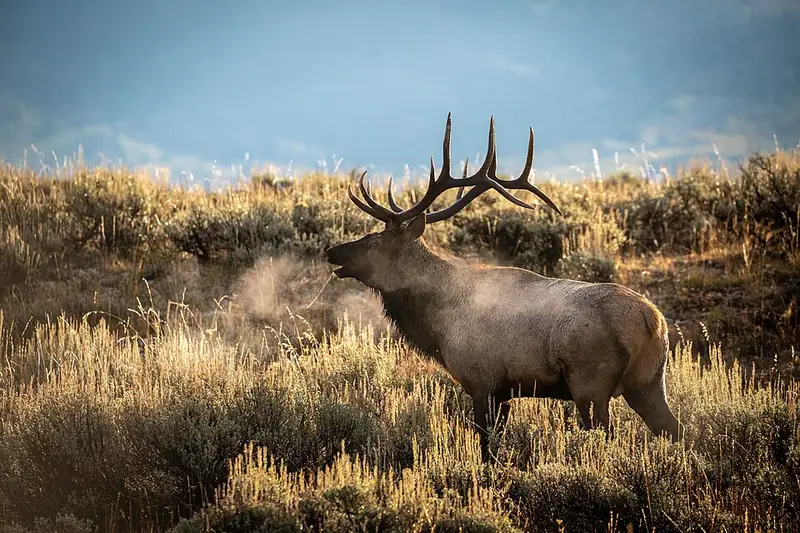 Mammal
 Elk
Cervus canadensis
A large deer of mountain meadows whose bulls grow branching antlers and, each fall, bugle a high whistling call across the valley.
-
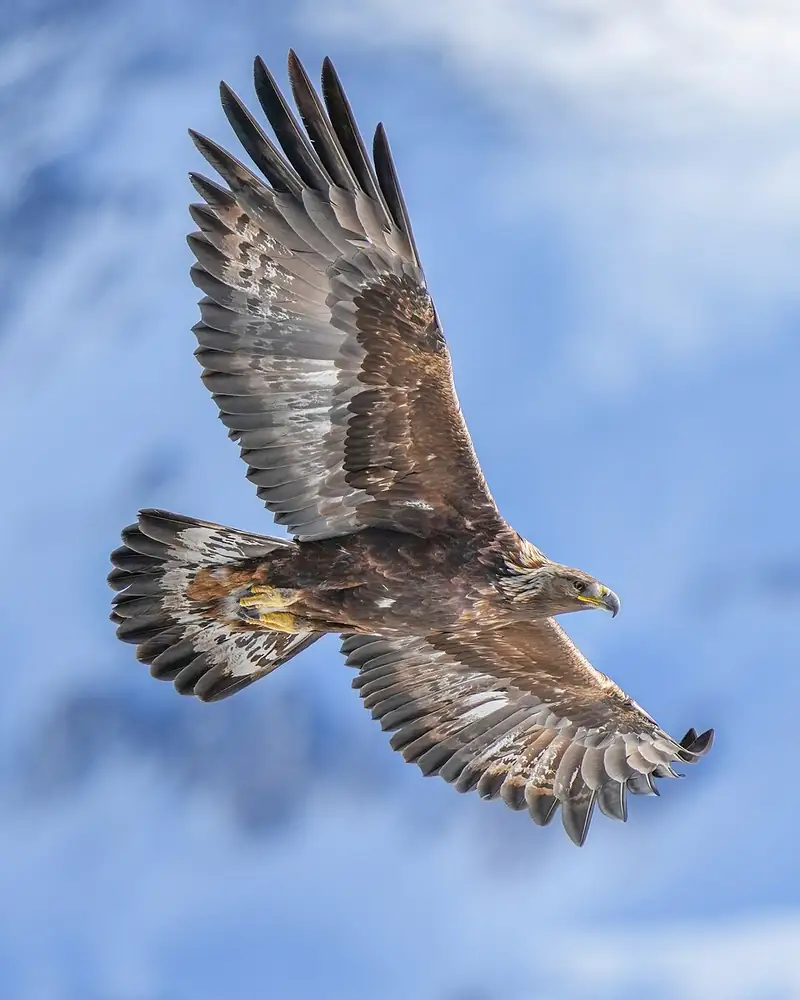 Bird
Bird Golden eagle
Aquila chrysaetos
A dark brown eagle with golden neck feathers that hunts rabbits and hares across open country, nesting on cliffs in Denali, Death Valley, and Great Basin.
-
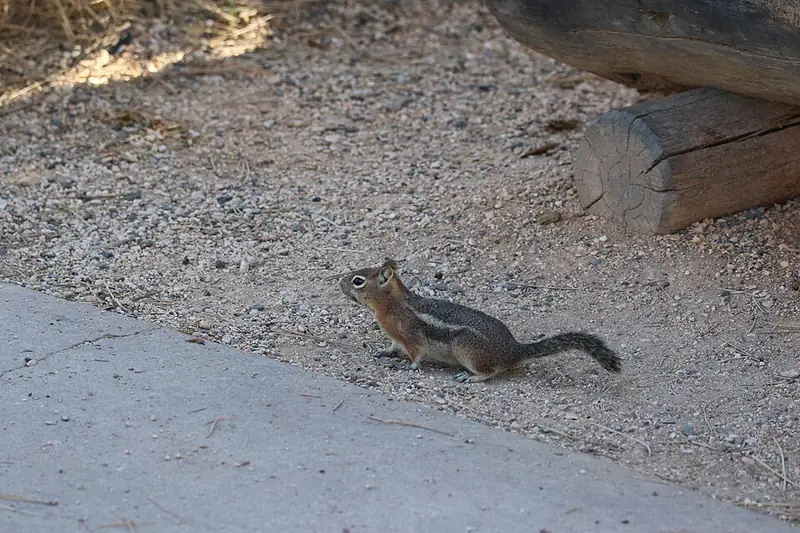 Mammal
 Golden-mantled ground squirrel
Callospermophilus lateralis
A chipmunk-lookalike ground squirrel with a reddish-gold head and shoulders and no face stripes, common on rocks and trailsides from Glacier to Mesa Verde.
-
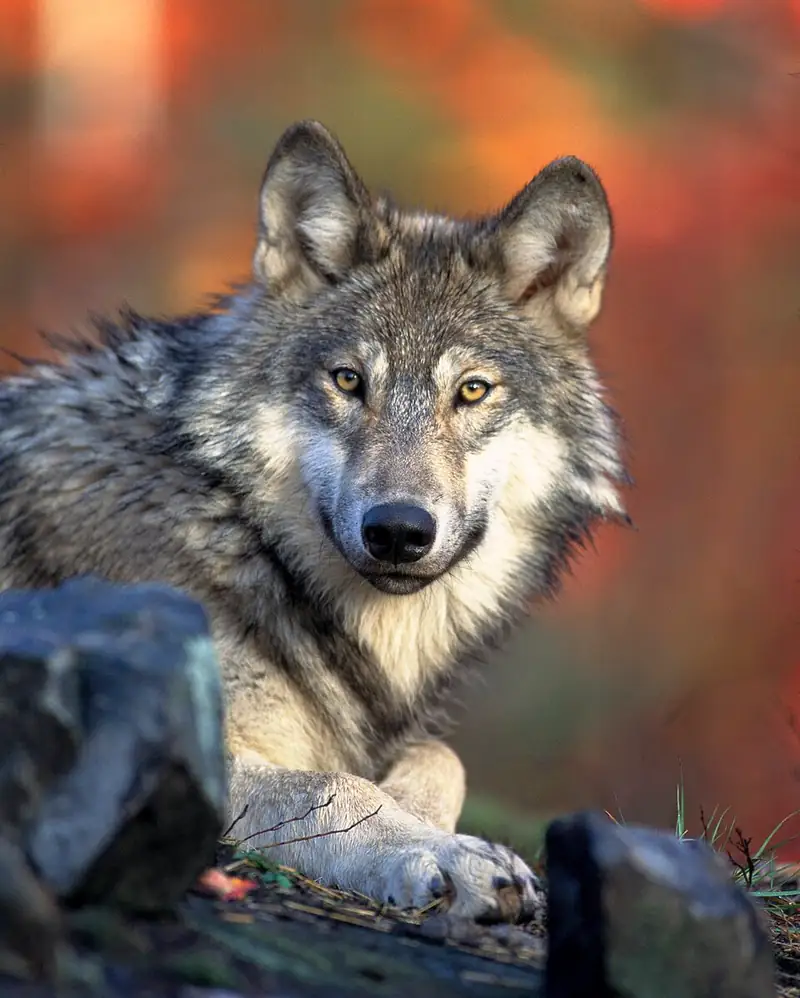 Mammal
 Gray wolf
Canis lupus
The biggest wild dog in North America, a pack hunter you might hear howling at dawn in Yellowstone, Denali, or Isle Royale.
-
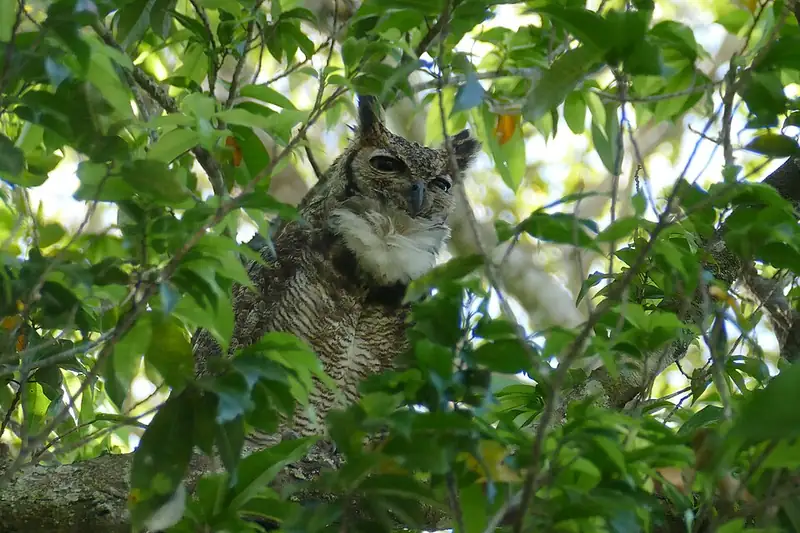 Bird
Bird Great horned owl
Bubo virginianus
A big night hunter with feathery "horns" and a deep hoot, found from the saguaro desert to the Everglades, hunting after dark on silent wings.
-
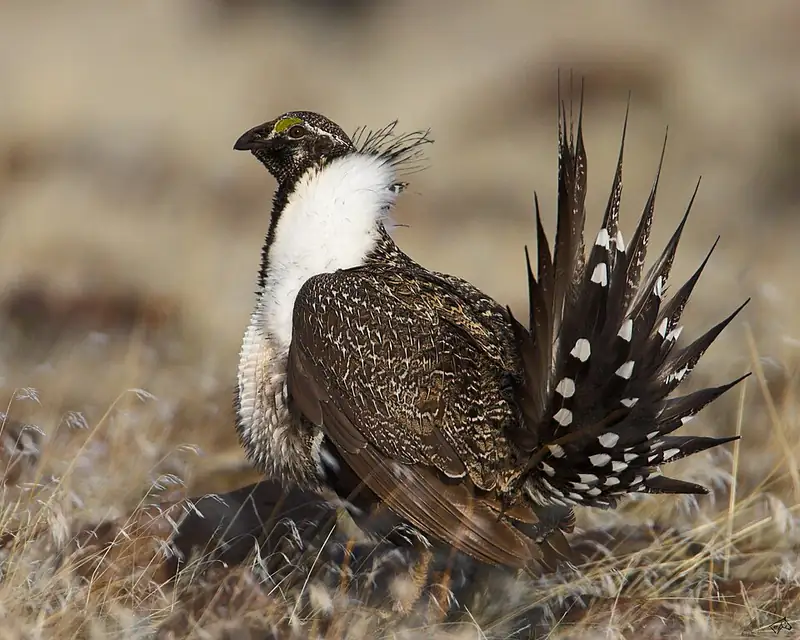 Bird
Bird Greater sage-grouse
Centrocercus urophasianus
North America's largest grouse, dependent on sagebrush, known for the popping, booming display males perform on spring dancing grounds.
-
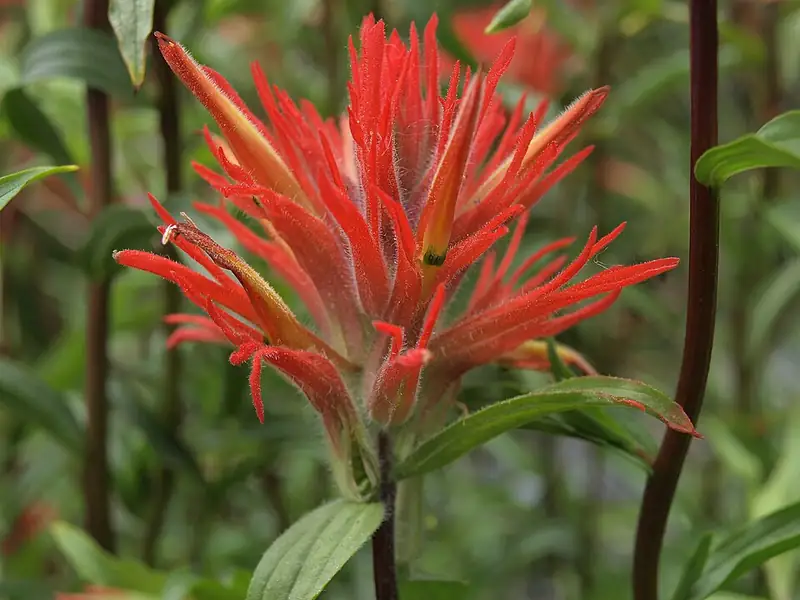 Plant
Plant Indian paintbrush
Castilleja miniata
A scarlet mountain wildflower that steals water and food from its neighbors' roots, and whose bright color comes from leaves, not petals.
-
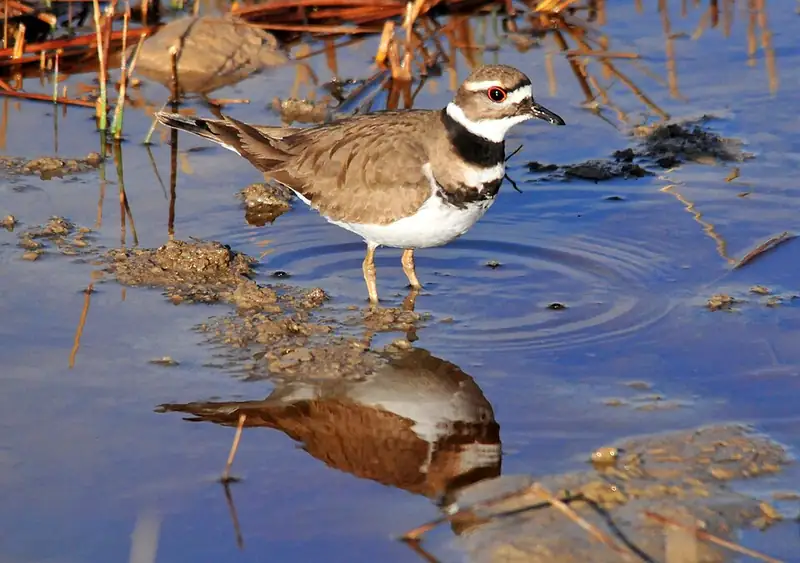 Bird
Bird Killdeer
Charadrius vociferus
A shorebird that lives nowhere near a shore. At Badlands we never saw one. We heard it call its own name across the campground.
-
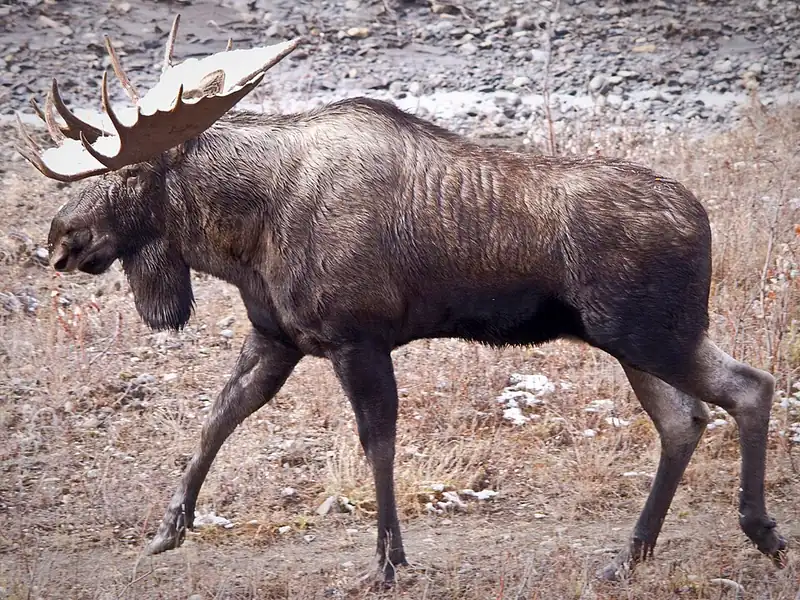 Mammal
 Moose
Alces alces
The largest deer in the world, a long-legged giant you might see wading in ponds at Grand Teton, Isle Royale, Denali, or Rocky Mountain.
-
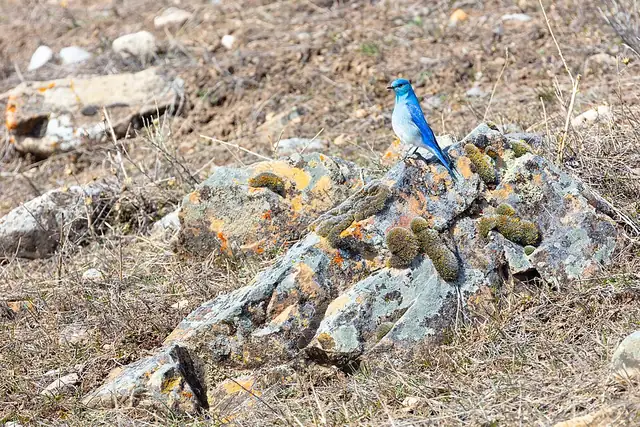 Bird
Bird Mountain bluebird
Sialia currucoides
A sky-blue thrush of high, open country, the only bluebird seen regularly above 5,000 feet, nesting in lava-rock crevices at Craters of the Moon.
-
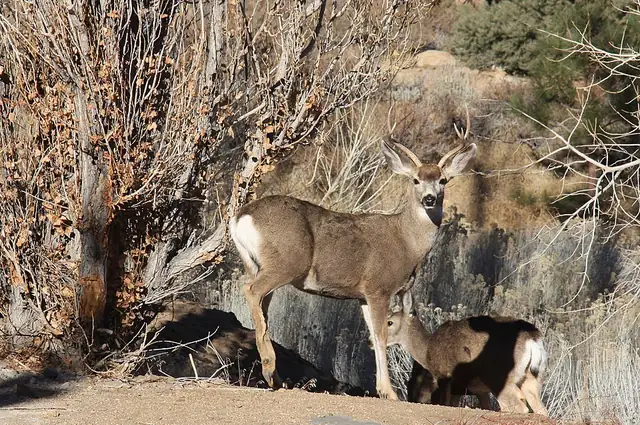 Mammal
 Mule deer
Odocoileus hemionus
A western deer named for its big mule-like ears, common along canyon rims and desert washes in Grand Canyon, Zion, Yosemite, and Saguaro.
-
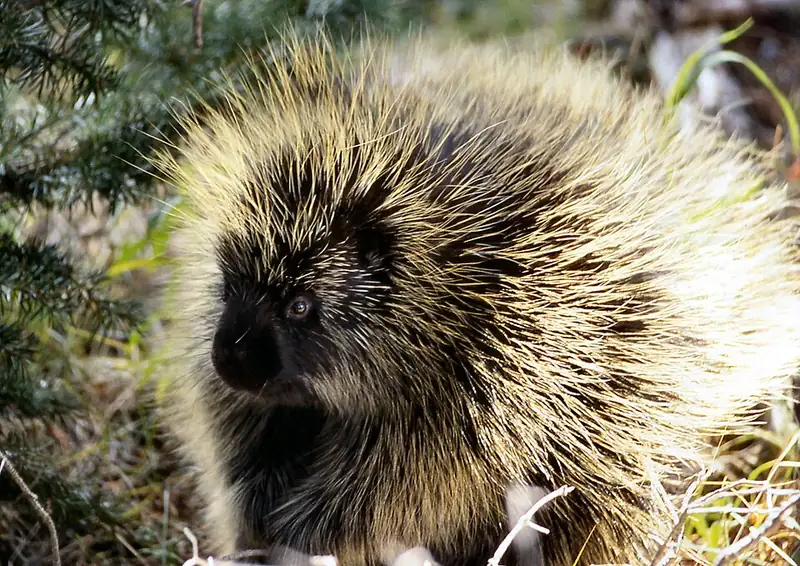 Mammal
 North American porcupine
Erethizon dorsatum
A slow, quill-covered rodent that climbs into the treetops at Theodore Roosevelt to eat twigs, and North America's second-largest rodent after the beaver.
-
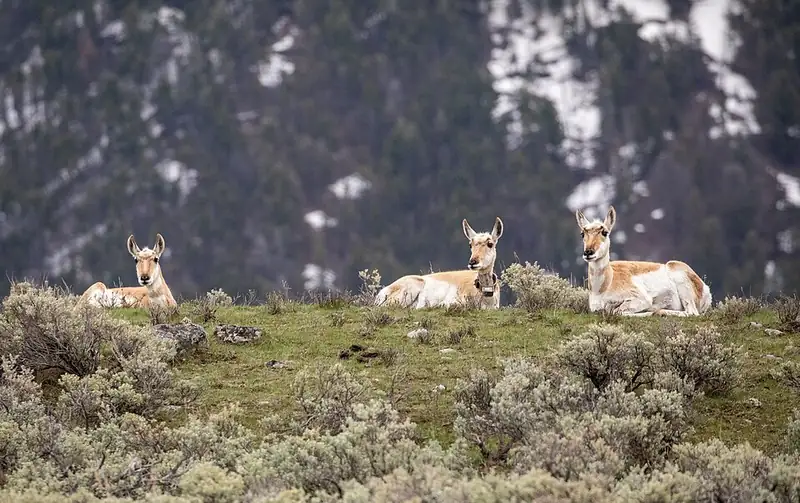 Mammal
 Pronghorn
Antilocapra americana
North America's fastest land mammal, seen in Yellowstone's northern range and at Lava Beds, built to outrun a predator that went extinct 12,000 years ago.
-
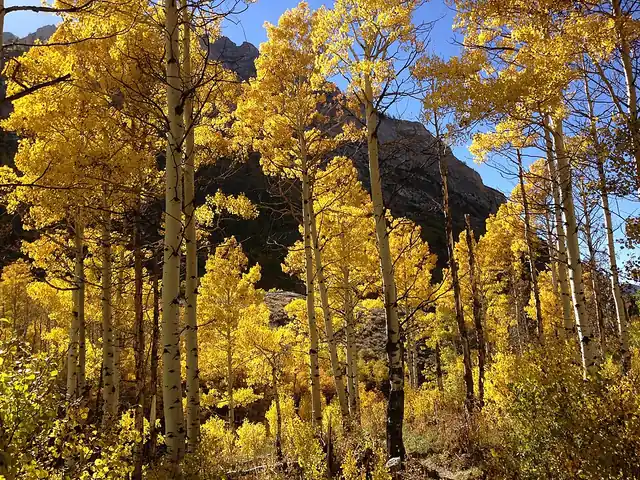 Plant
Plant Quaking aspen
Populus tremuloides
A white-barked mountain tree whose flat-stemmed leaves shiver in the lightest breeze, turning whole hillsides gold each fall.
-
 Bird
Bird Red-tailed hawk
Buteo jamaicensis
The hawk most often recorded in Yellowstone. We watched a hawk take a pika near the Roosevelt cabins and could not tell you which hawk it was.
-
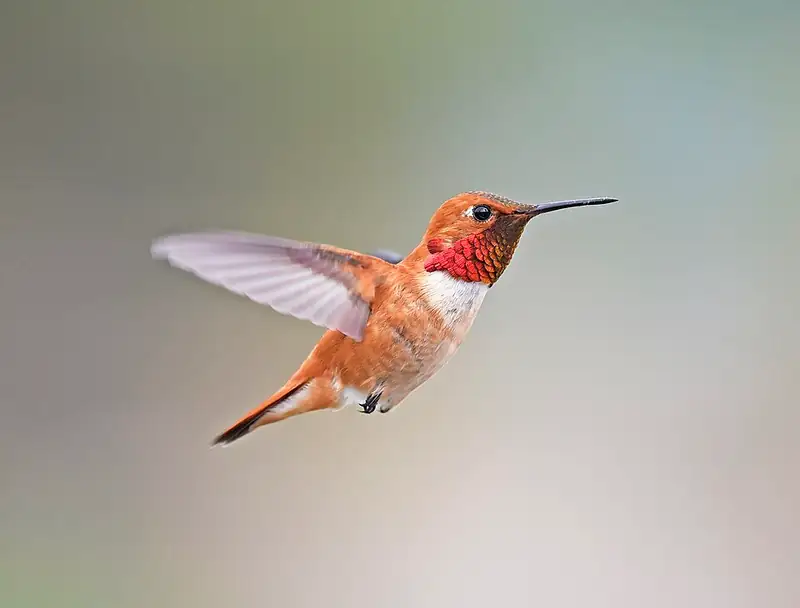 Bird
Bird Rufous hummingbird
Selasphorus rufus
A copper-orange hummingbird that flies farther, relative to its size, than almost any other bird on Earth, from Mexico to Alaska and back every year.
-
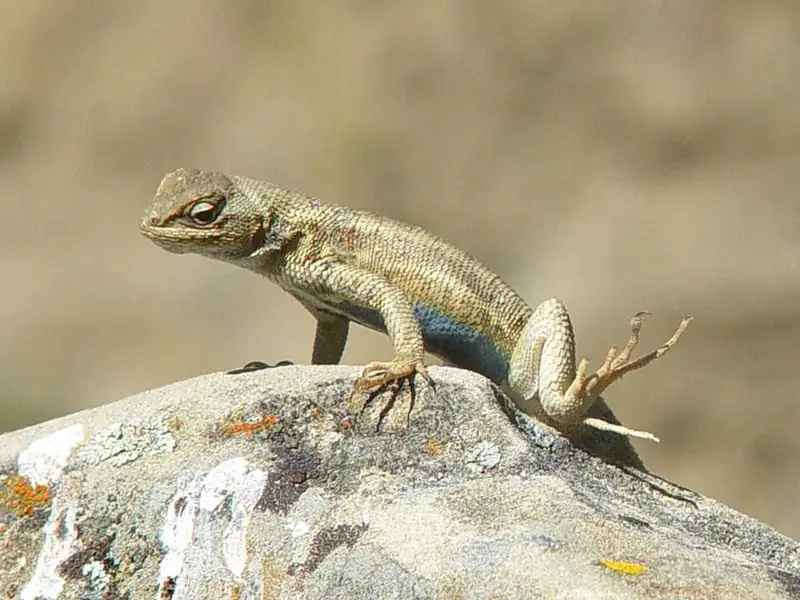 Reptile
 Sagebrush lizard
Sceloporus graciosus
A small, slender, high-country lizard, the fence lizard's cousin, whose males flash blue belly and throat patches in a push-up display.
-
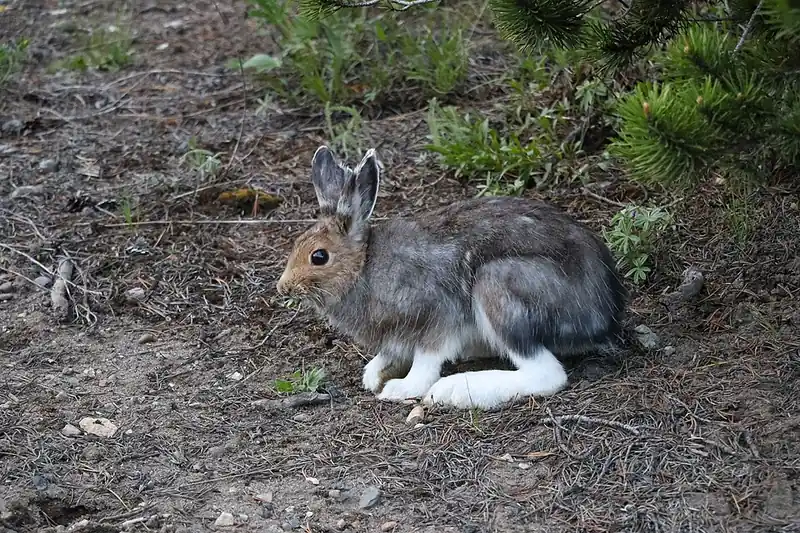 Mammal
 Snowshoe hare
Lepus americanus
A forest hare whose coat flips from brown to white on a clock set by daylight, not by snow, and whose oversized feet work like actual snowshoes.
-
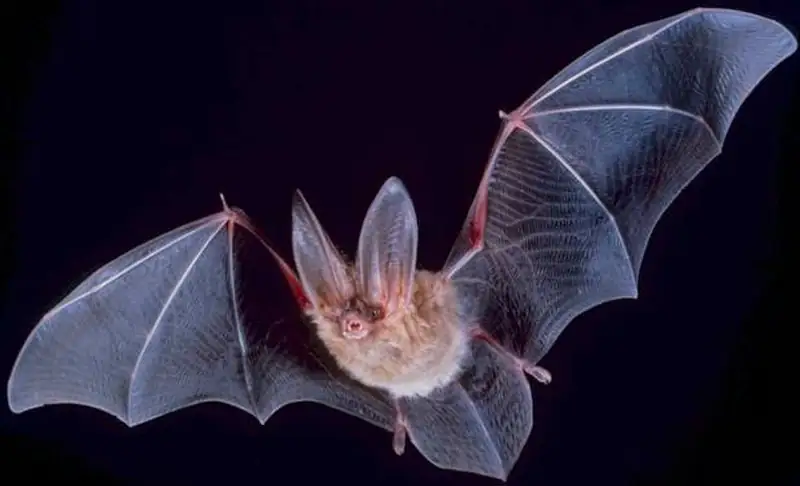 Mammal
 Townsend's big-eared bat
Corynorhinus townsendii
A soft brown bat with enormous curling ears that roosts in the cool lava-tube caves of Lava Beds and hunts moths in the dark.
-
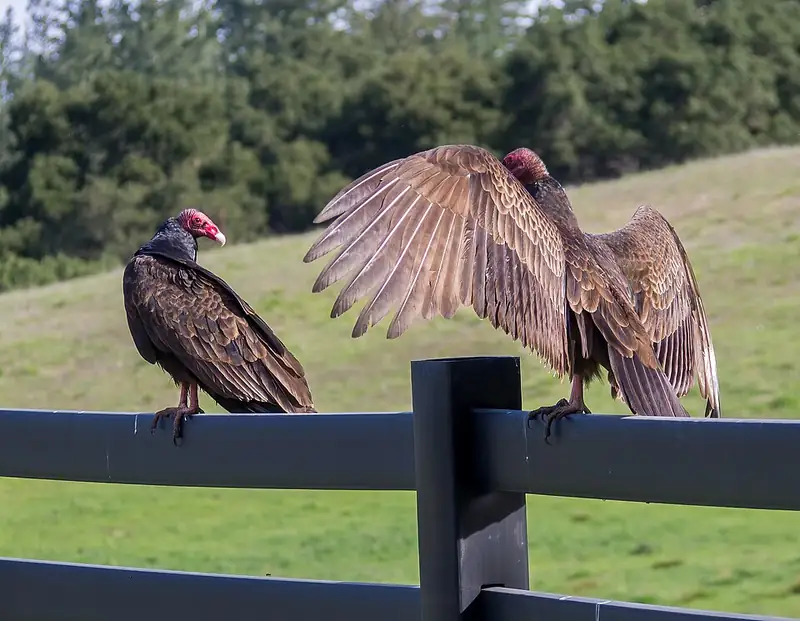 Bird
Bird Turkey vulture
Cathartes aura
A large, dark soaring bird with a bare red head, circling on thermals over open country, using one of the sharpest noses of any bird.
-
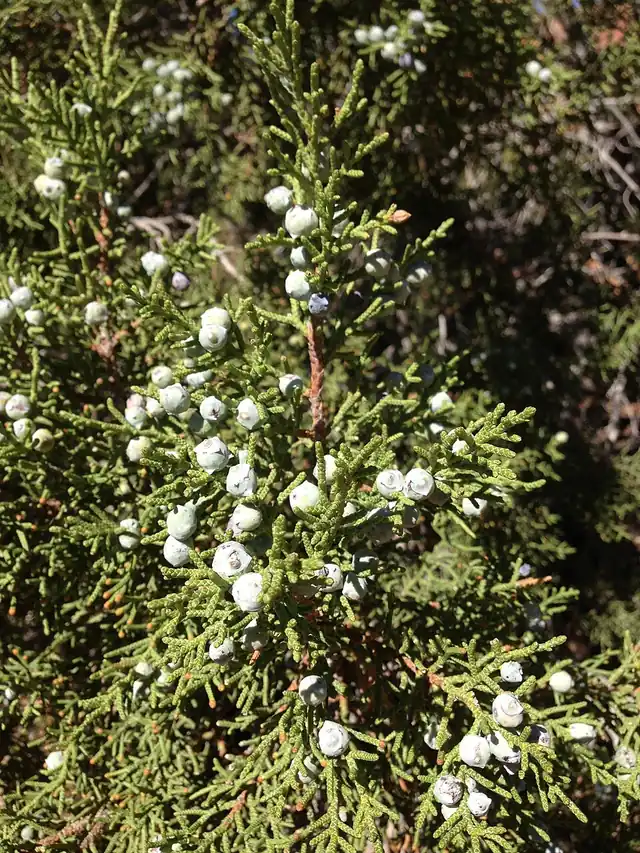 Plant
Plant Utah juniper
Juniperus osteosperma
A short, twisted evergreen of dry canyon country, rooting in cracked rock at Mesa Verde, Black Canyon, and the Craters of the Moon lava fields.
-
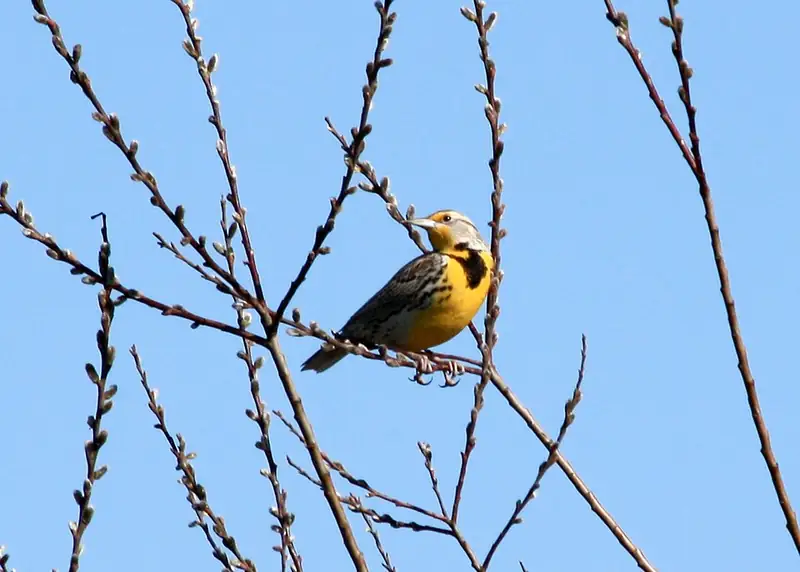 Bird
Bird Western meadowlark
Sturnella neglecta
A grassland songbird with a yellow throat and a black V on its chest, the state bird of Montana, Wyoming, and North Dakota.
-
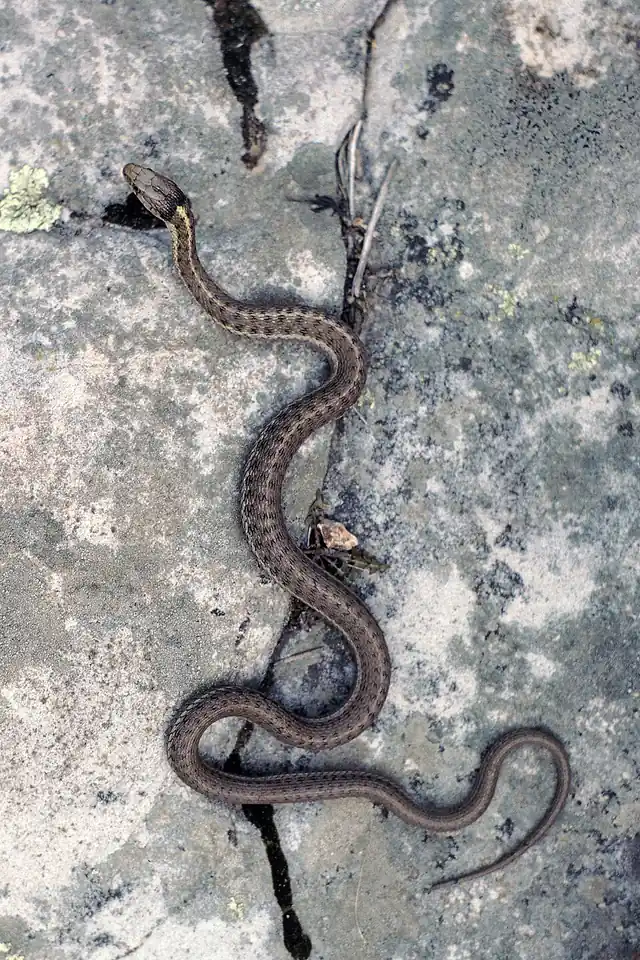 Reptile
 Western terrestrial garter snake
Thamnophis elegans
A slim, striped snake found from stream banks to talus slopes across ten of these parks, and the most commonly seen reptile in several of them.
-
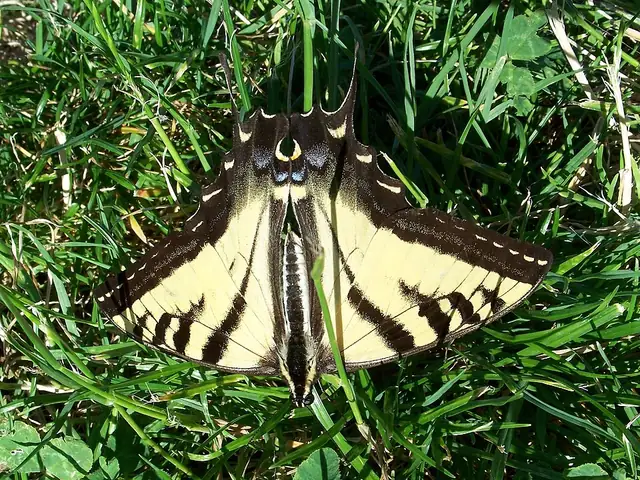 Invertebrate
 Western tiger swallowtail
Papilio rutulus
The big yellow-and-black butterfly of western streamsides whose caterpillar wears fake snake eyes and flips out a stinky orange horn when scared.
-
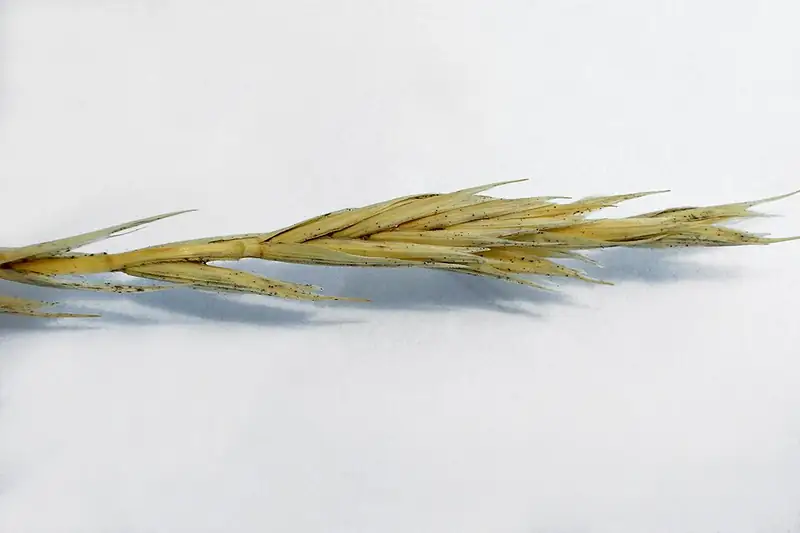 Plant
Plant Western wheatgrass
Pascopyrum smithii
A blue-green prairie grass whose underground rhizomes weave a tough sod — the official state grass of North and South Dakota.
-
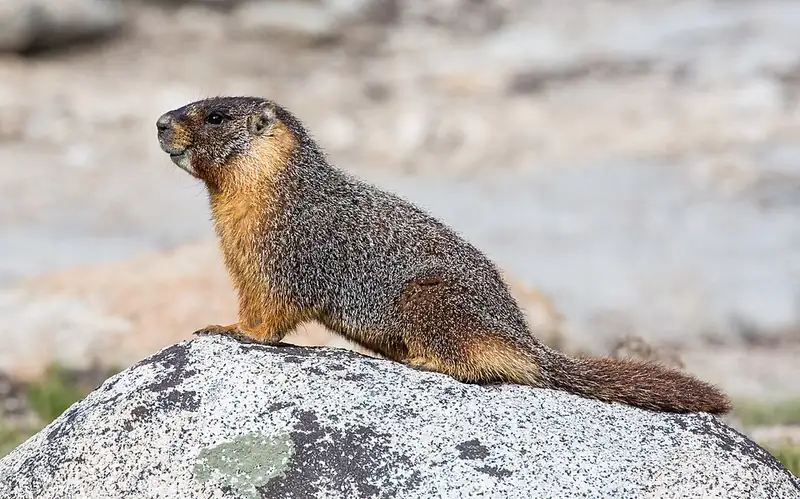 Mammal
 Yellow-bellied marmot
Marmota flaviventris
A chubby, whistling ground squirrel that suns itself on high-country rocks at Rocky Mountain and Yosemite, and sleeps away most of the year.