Plants of Craters of the Moon National Monument and Preserve
The 6 plants of Craters of the Moon National Monument and Preserve. Each carries a fun fact and a note on whether a kid should worry about it.
Common questions
Which Craters of the Moon National Monument and Preserve plants demand distance from a kid?
Big sagebrush, Douglas-fir, Indian paintbrush, Quaking aspen, and Utah juniper carry a rule worth reading. Big sagebrush: Harmless to touch. Douglas-fir: Completely safe. Indian paintbrush: Harmless to touch. Quaking aspen: Quaking aspens are harmless. Utah juniper: The scale-like foliage feels a little scratchy, and the small blue-gray cones aren't food for people, but there's no real hazard here. 1 more species carry a rule worth reading. (per NPS species pages).
What do Craters of the Moon National Monument and Preserve plants eat?
Big sagebrush eats sunlight, water, soil nutrients. Quaking aspen eats sunlight, water, carbon dioxide, soil nutrients. (per NPS species pages).
The strangest true thing about Craters of the Moon National Monument and Preserve's plants.
Big sagebrush: Fossil Butte National Monument alone has eight different kinds of sagebrush growing within its boundary. Douglas-fir: It is not a true fir at all. Its scientific name means false hemlock, and it fits so oddly among the conifers that botanists gave it its own group. (per NPS species pages).
-
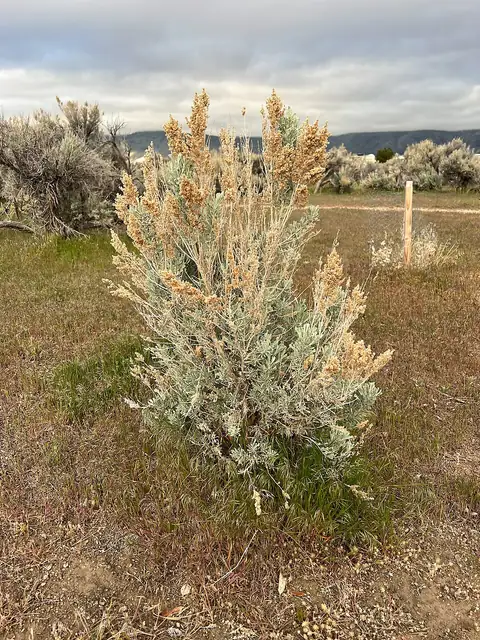 Plant
Big sagebrush
Artemisia tridentata
The silver-leaved, sharp-smelling evergreen shrub of the high desert West, and the main food of the greater sage-grouse nearly all year.
-
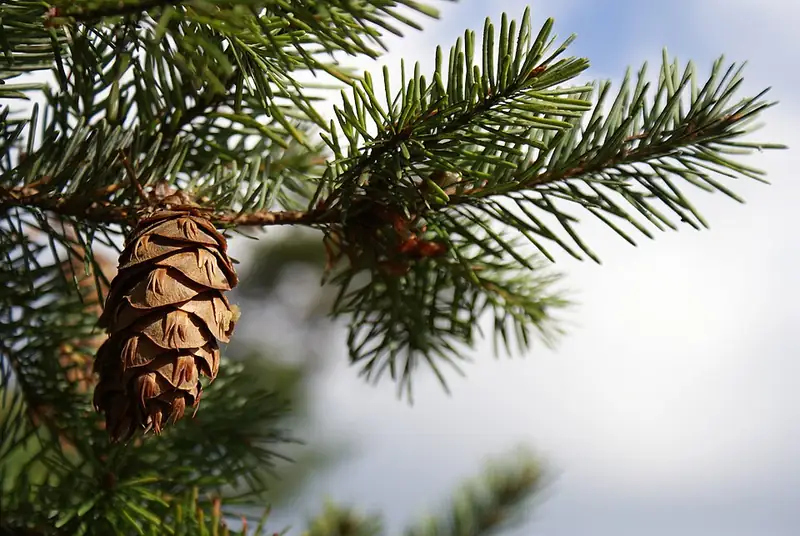 Plant
Douglas-fir
Pseudotsuga menziesii
One of the tallest trees on Earth, not actually a true fir, whose cones carry little three-pointed flaps a Native story calls the tails and legs of hiding mice.
-
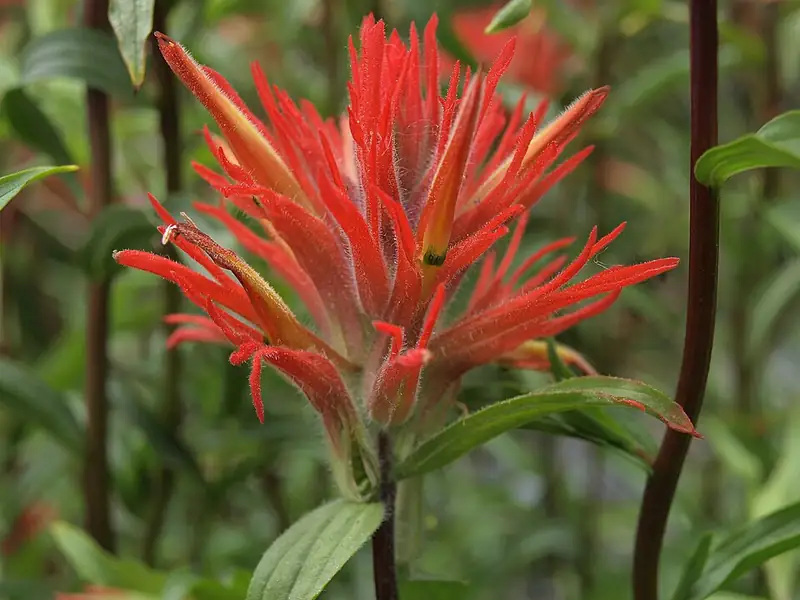 Plant
Indian paintbrush
Castilleja miniata
A scarlet mountain wildflower that steals water and food from its neighbors' roots, and whose bright color comes from leaves, not petals.
-
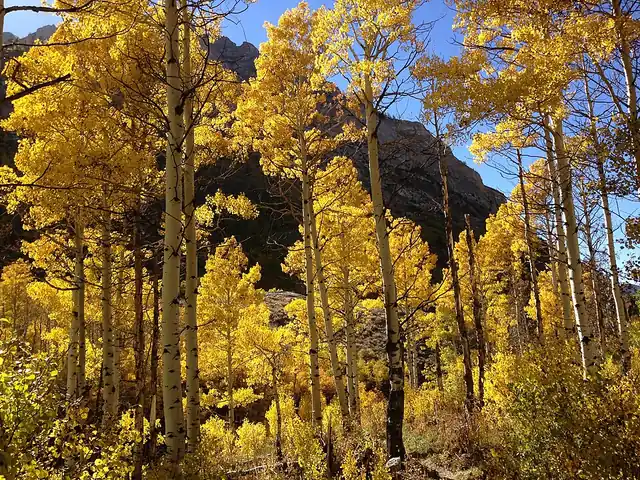 Plant
Quaking aspen
Populus tremuloides
A white-barked mountain tree whose flat-stemmed leaves shiver in the lightest breeze, turning whole hillsides gold each fall.
-
 Plant
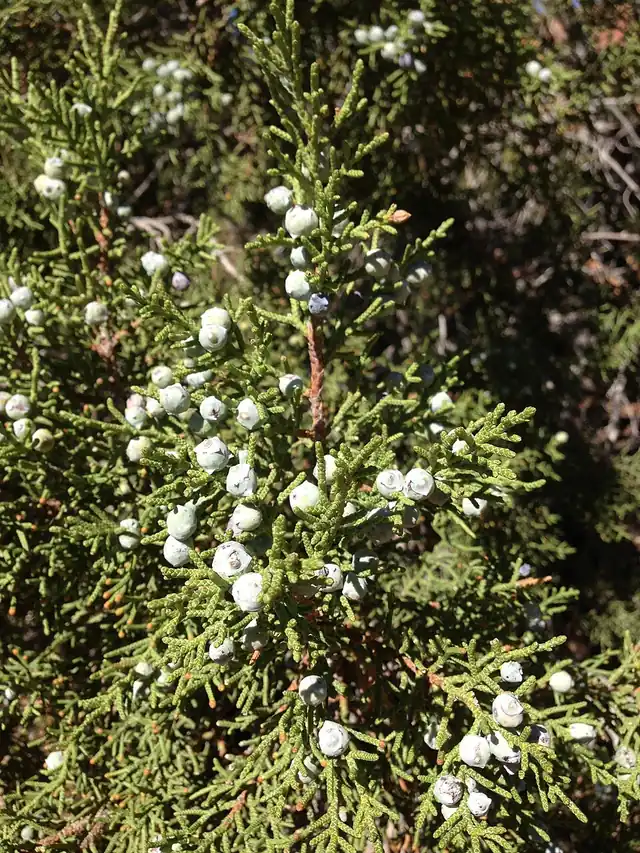
Utah juniper
Juniperus osteosperma
A short, twisted evergreen of dry canyon country, rooting in cracked rock at Mesa Verde, Black Canyon, Arches, Canyonlands, and Craters of the Moon lava fields.
-
 Plant
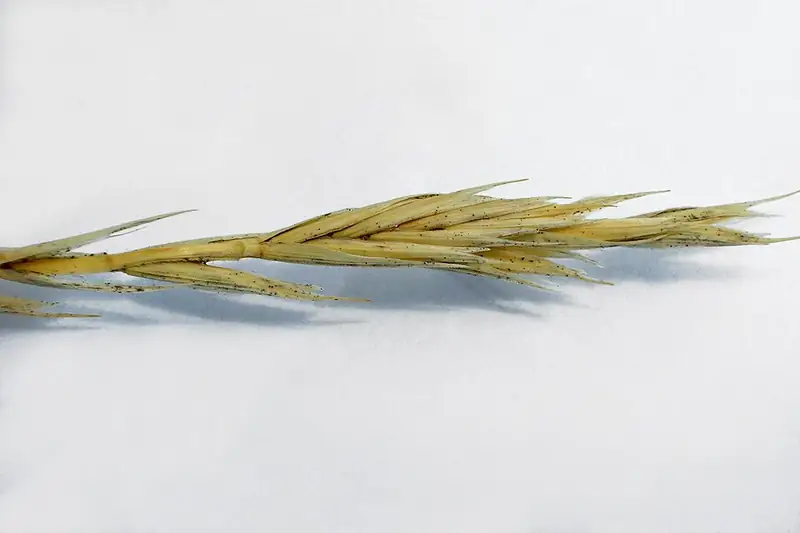
Western wheatgrass
Pascopyrum smithii
A blue-green prairie grass whose underground rhizomes weave a tough sod — the official state grass of North and South Dakota.