Animals & Plants of Rocky Mountain National Park
The 51 animals, plants, and fungi you can find at Rocky Mountain National Park, with sizes, diets, and whether you should worry. See the full park guide at Rocky Mountain National Park.
Rocky Mountain climbs from montane meadows to alpine tundra, and its animals sort themselves by height. Elk and moose graze the valleys, bighorn sheep and yellow-bellied marmots hold the rocky slopes, and American pikas and white-tailed ptarmigan live above treeline. Colorado blue columbine blooms in the high meadows, and greenback cutthroat trout are being returned to park streams.
Common questions
Which Rocky Mountain animals demand real distance?
At Rocky Mountain National Park, give space to Moose, American black bear, Mountain lion, Elk, and Bighorn sheep. Moose: A moose looks slow and gentle, but it is one of the most dangerous animals to crowd. American black bear: Black bears are usually shy and would rather leave than meet you. Mountain lion: Confrontations are very rare — even in Yellowstone, with a healthy population, few have ever been documented. Elk: Elk look calm but they are large and wild. Bighorn sheep: Bighorn sheep are shy and would rather climb away than come near you. (per NPS species pages).
What do Rocky Mountain animals eat?
At Rocky Mountain National Park, the most interesting eaters are Moose, Mountain lion, Bald eagle, and Golden eagle. Moose eats willow, aspen leaves, twigs, water plants, pond weeds. Mountain lion eats elk, deer, marmots, porcupines. Bald eagle eats fish, ducks, gulls, small mammals, carrion. Golden eagle eats rabbits, hares, ground squirrels, marmots, ptarmigan. (per NPS species pages).
Which Rocky Mountain species has the strangest true fact?
The strangest true thing about Rocky Mountain National Park: Abert's squirrel: Unlike most tree squirrels, it doesn't build up a big stored cache of pine cones for winter, according to NPS at Rocky Mountain. Greenback cutthroat trout: Between 1886 and 1968, more than 20 million fish were stocked into Rocky Mountain's waters, mostly non-native species that outcompeted the park's native trout. (per NPS species pages).
Anything here that bites?
Keep away
- American badger: Badgers would rather dig away than fight and avoid people entirely.
- American black bear: Black bears are usually shy and would rather leave than meet you.
- Bighorn sheep: Bighorn sheep are shy and would rather climb away than come near you.
- Bobcat: Very low.
- Coyote: Coyotes almost always run from people.
- Elk: Elk look calm but they are large and wild.
- Moose: A moose looks slow and gentle, but it is one of the most dangerous animals to crowd.
- Mountain lion: Confrontations are very rare — even in Yellowstone, with a healthy population, few have ever been documented.
- Mule deer: Mule deer look calm and tame, but they are wild animals with sharp hooves, and bucks have antlers in fall.
Don't touch or eat
- American pasqueflower: Every part of this plant is poisonous to eat, and the fresh sap can blister skin.
- Fly agaric: Poisonous if eaten.
- North American porcupine: A porcupine cannot throw or shoot its quills, but they detach the instant something touches them, and the barbed tips work deeper into skin over time.
Bites if handled
- Abert's squirrel: Harmless and shy.
- American pika: Pikas are harmless.
- Bald eagle: A bald eagle will not come after you.
- Golden eagle: A golden eagle will not come after a person.
- Golden-mantled ground squirrel: None.
- Great horned owl: This owl hunts small animals at night and will not come after you.
- Osprey: None.
- Red-tailed hawk: None.
- Turkey vulture: None directly — it eats only dead animals and avoids people.
- Western terrestrial garter snake: Essentially harmless.
- Yellow-bellied marmot: Marmots are not dangerous, but they are wild and can bite if you corner or try to grab one.
Everything else on this page is harmless. What each group means.
-
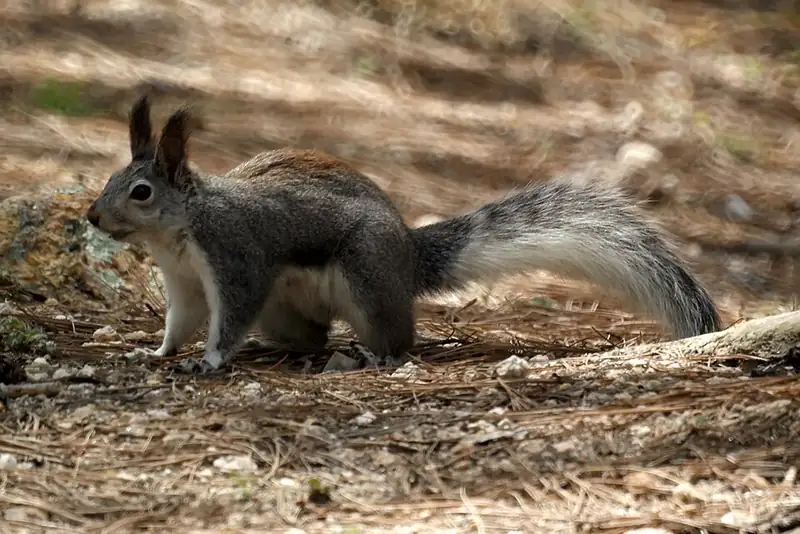 Mammal
 Abert's squirrel
Sciurus aberti
A tasseled-eared squirrel of ponderosa pine forests at Mesa Verde, Rocky Mountain, and Great Sand Dunes, nicknamed the scrabbit.
-
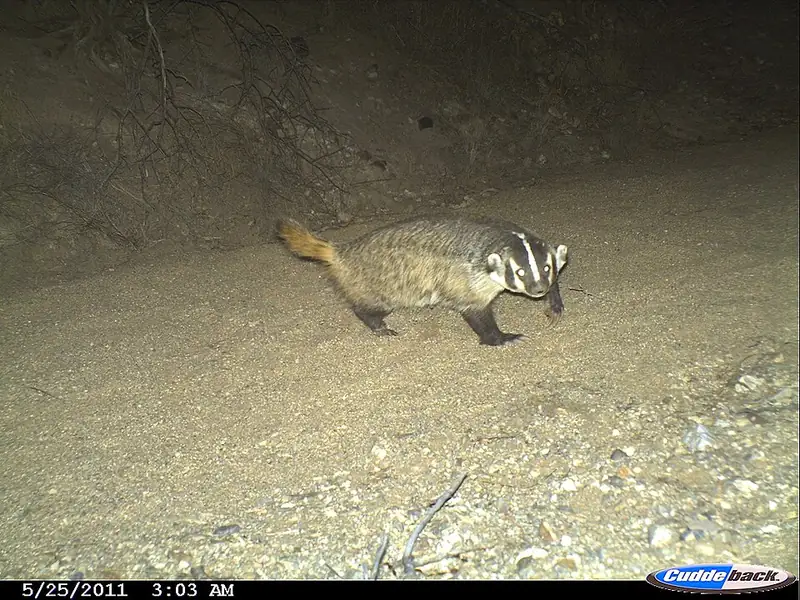 Mammal
 American badger
Taxidea taxus
A short, wide-bodied digger with a white-striped face, common on the grasslands of Yellowstone and Badlands, that can vanish underground in minutes.
-
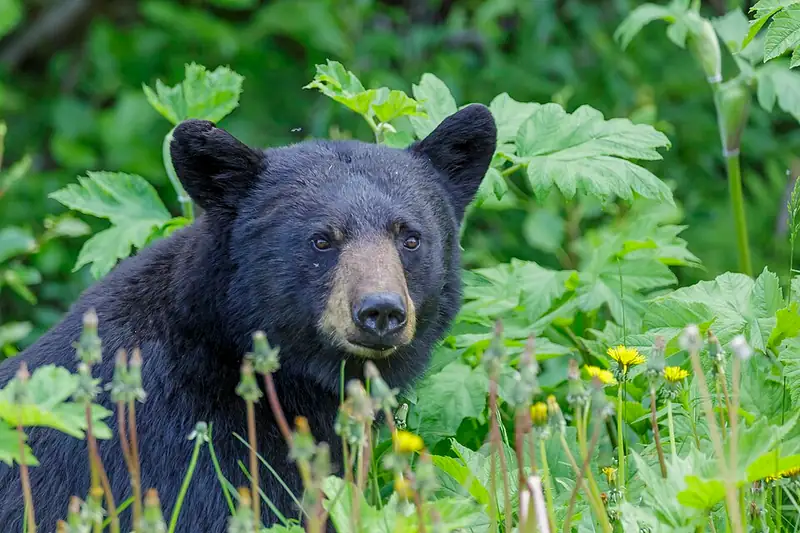 Mammal
 American black bear
Ursus americanus
The bear you're most likely to meet east of the Rockies, a strong tree-climber that eats mostly plants and comes in black, brown, or cinnamon.
-
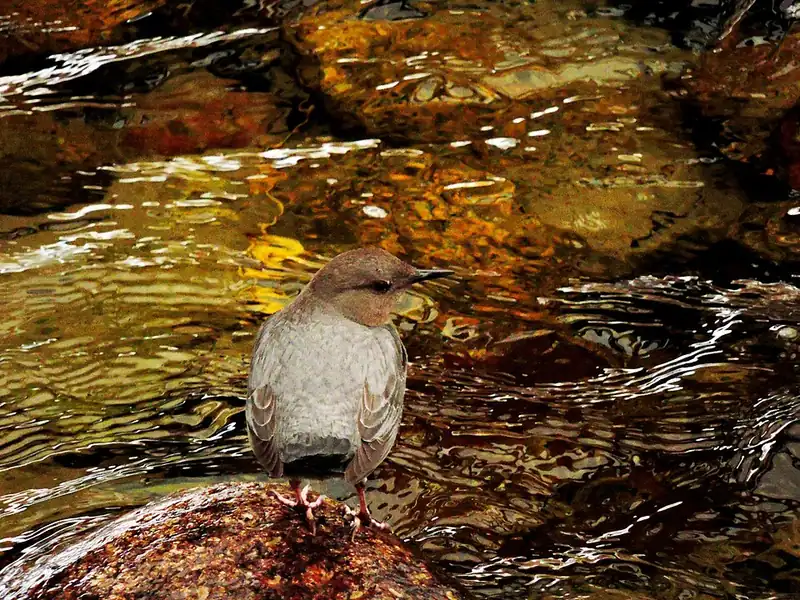 Bird
Bird American dipper
Cinclus mexicanus
A stream-gray songbird that walks along the bottom of cold mountain creeks to hunt, the only songbird in North America that does.
-
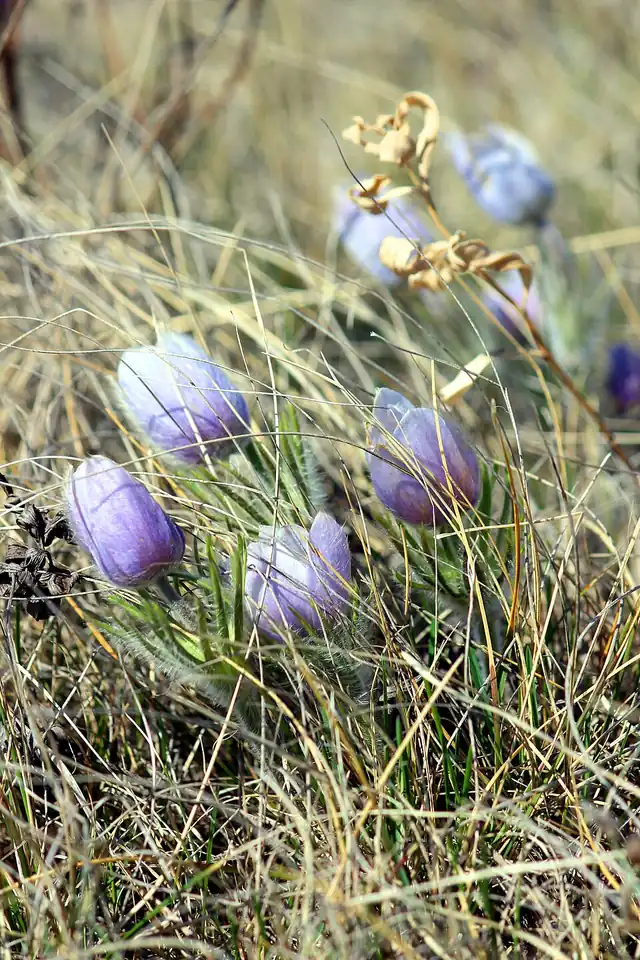 Plant
Plant American pasqueflower
Pulsatilla patens ssp. multifida
A furry, purple-blue prairie flower that beats the grass out of the ground each spring, blooming before almost anything else is green.
-
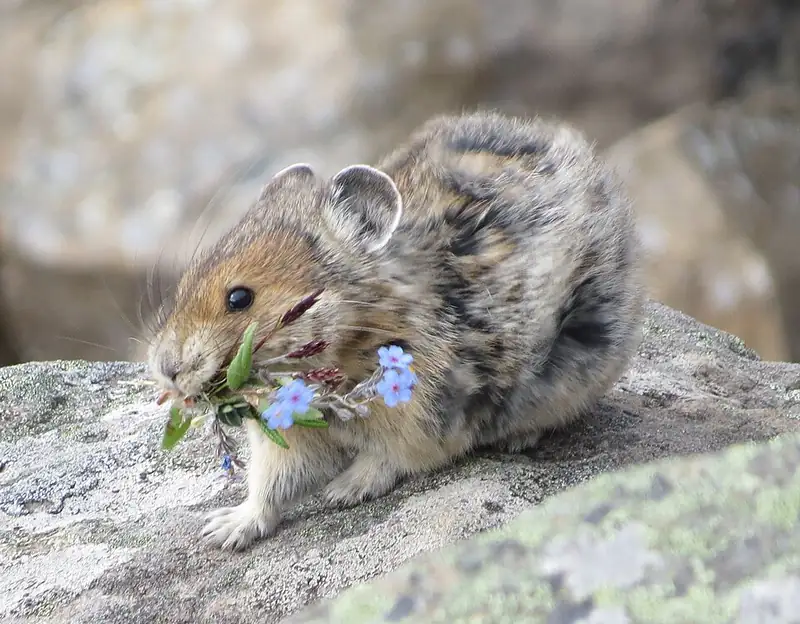 Mammal
 American pika
Ochotona princeps
A small round cousin of the rabbit that lives in mountain rock piles at Rocky Mountain, Mount Rainier, and North Cascades, and never sleeps through winter.
-
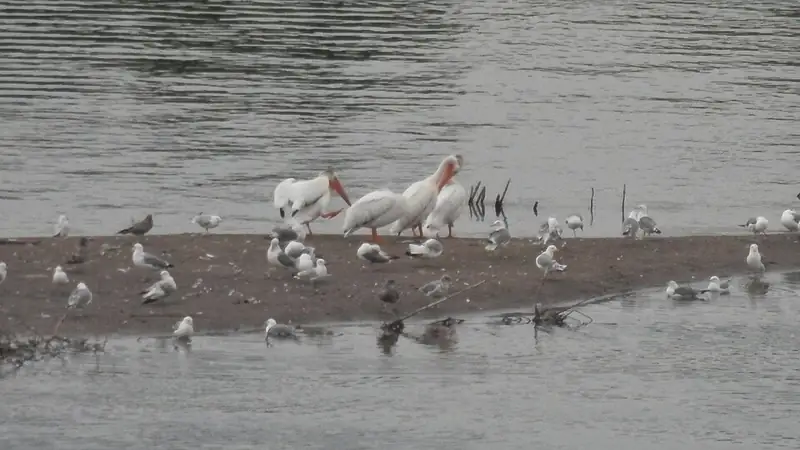 Bird
Bird American white pelican
Pelecanus erythrorhynchos
A huge white bird with an orange throat pouch that fishes in groups and nests on tiny islands in Yellowstone Lake and other high-country waters.
-
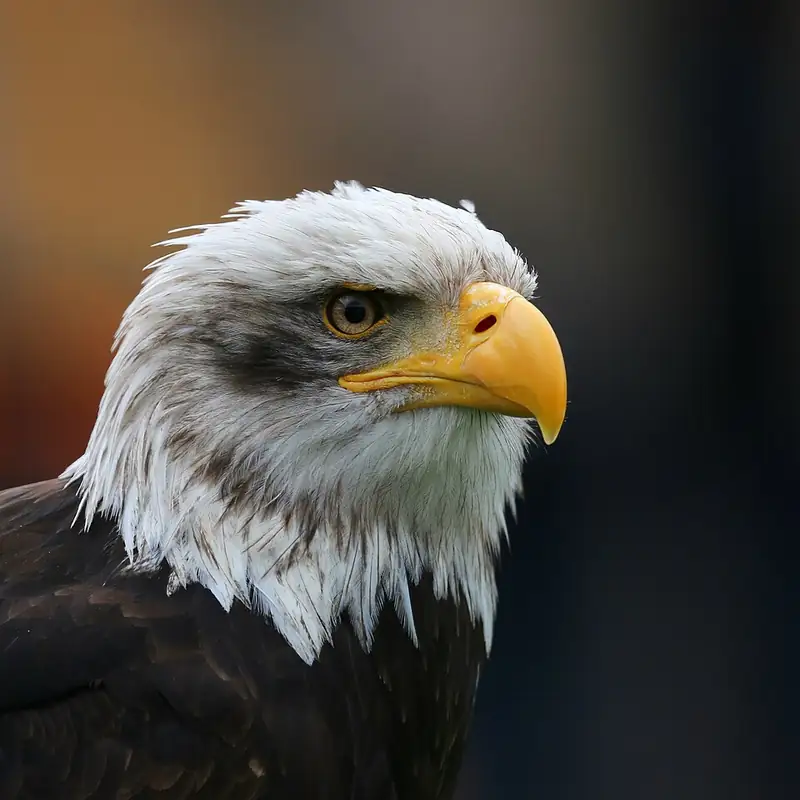 Bird
Bird Bald eagle
Haliaeetus leucocephalus
The white-headed fish hawk that is the national bird of the United States, common along the lakes of Voyageurs and the coasts of Olympic and Katmai.
-
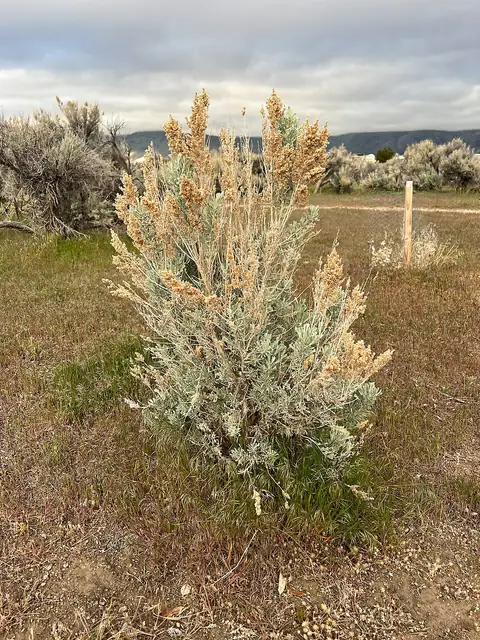 Plant
Plant Big sagebrush
Artemisia tridentata
The silver-leaved, sharp-smelling evergreen shrub of the high desert West, and the main food of the greater sage-grouse nearly all year.
-
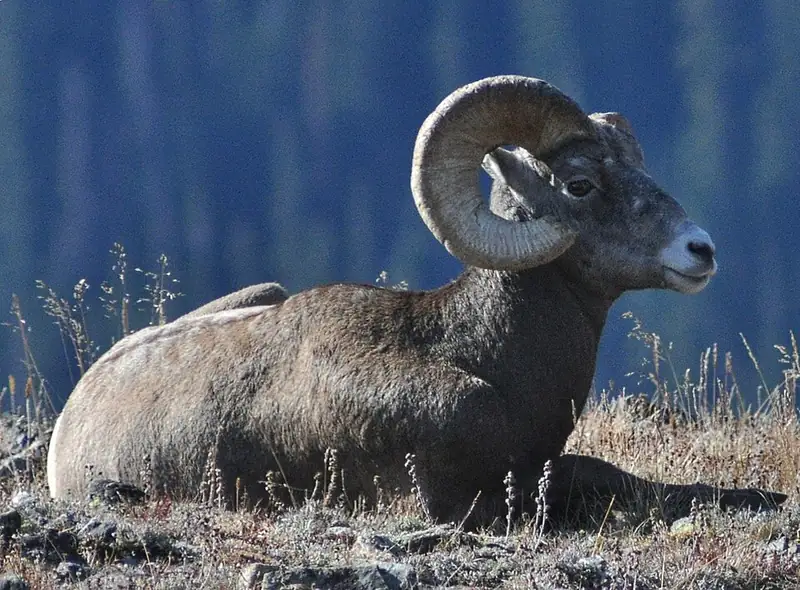 Mammal
 Bighorn sheep
Ovis canadensis
A wild sheep of cliffs and canyons, where rams carry heavy curled horns and both sexes cross steep rock other animals can't.
-
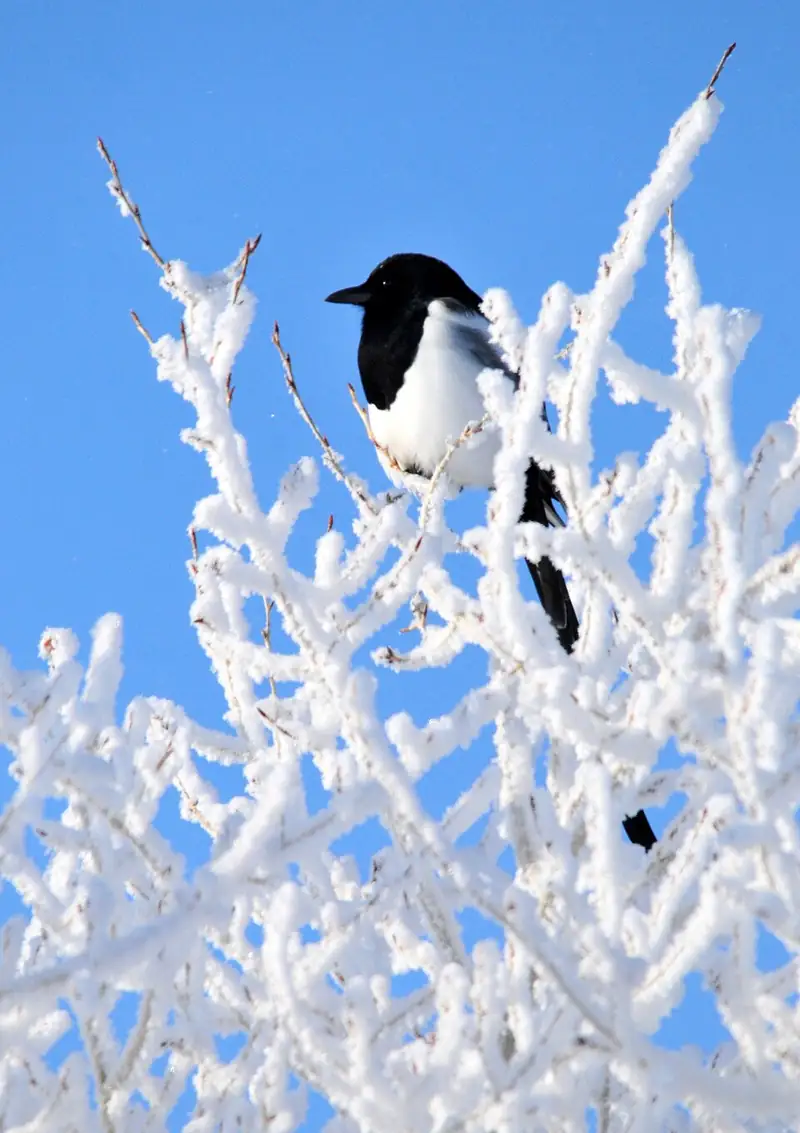 Bird
Bird Black-billed magpie
Pica hudsonia
A black-and-white corvid with a tail as long as its body, common on fences and roadsides across the northern Rockies and Great Plains.
-
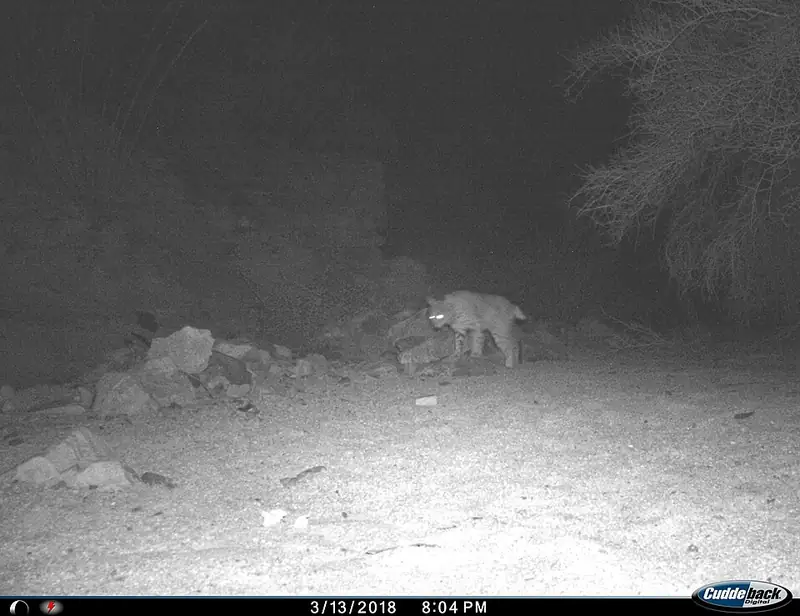 Mammal
 Bobcat
Lynx rufus
A small wildcat about twice the size of a house cat, common but rarely seen, that can bring down prey many times its own weight.
-
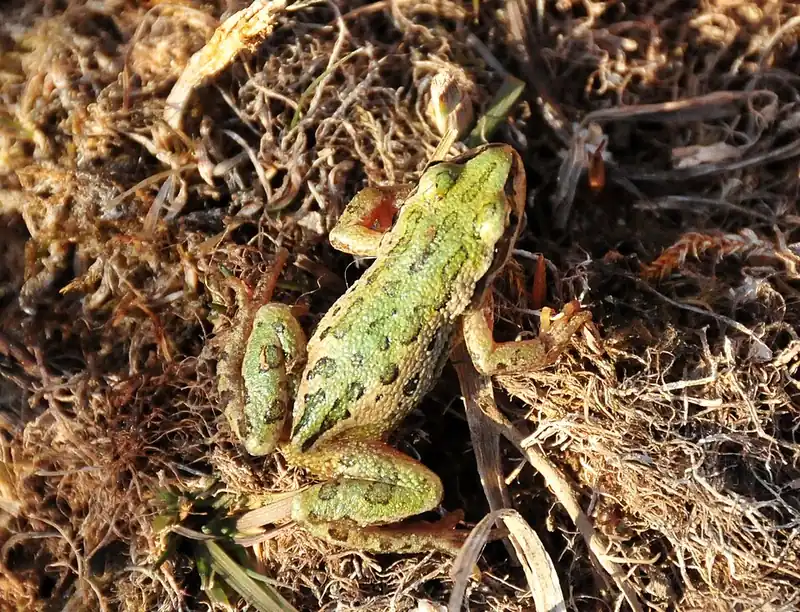 Amphibian
 Boreal chorus frog
Pseudacris maculata
A finger-sized frog whose spring trill fills Rocky Mountain wetlands, and whose cells can freeze solid and still wake up.
-
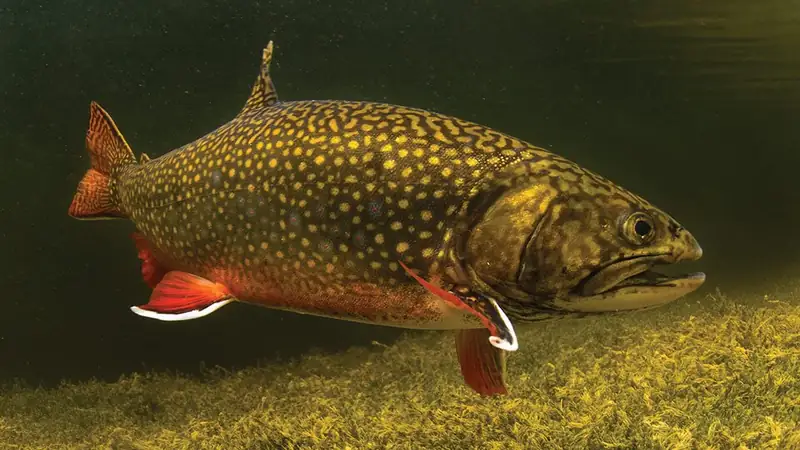 Fish
Fish Brook trout
Salvelinus fontinalis
A small, wormy-patterned native fish with red spots ringed in blue, the only trout that truly belongs in the cold high streams of the Smokies and Shenandoah.
-
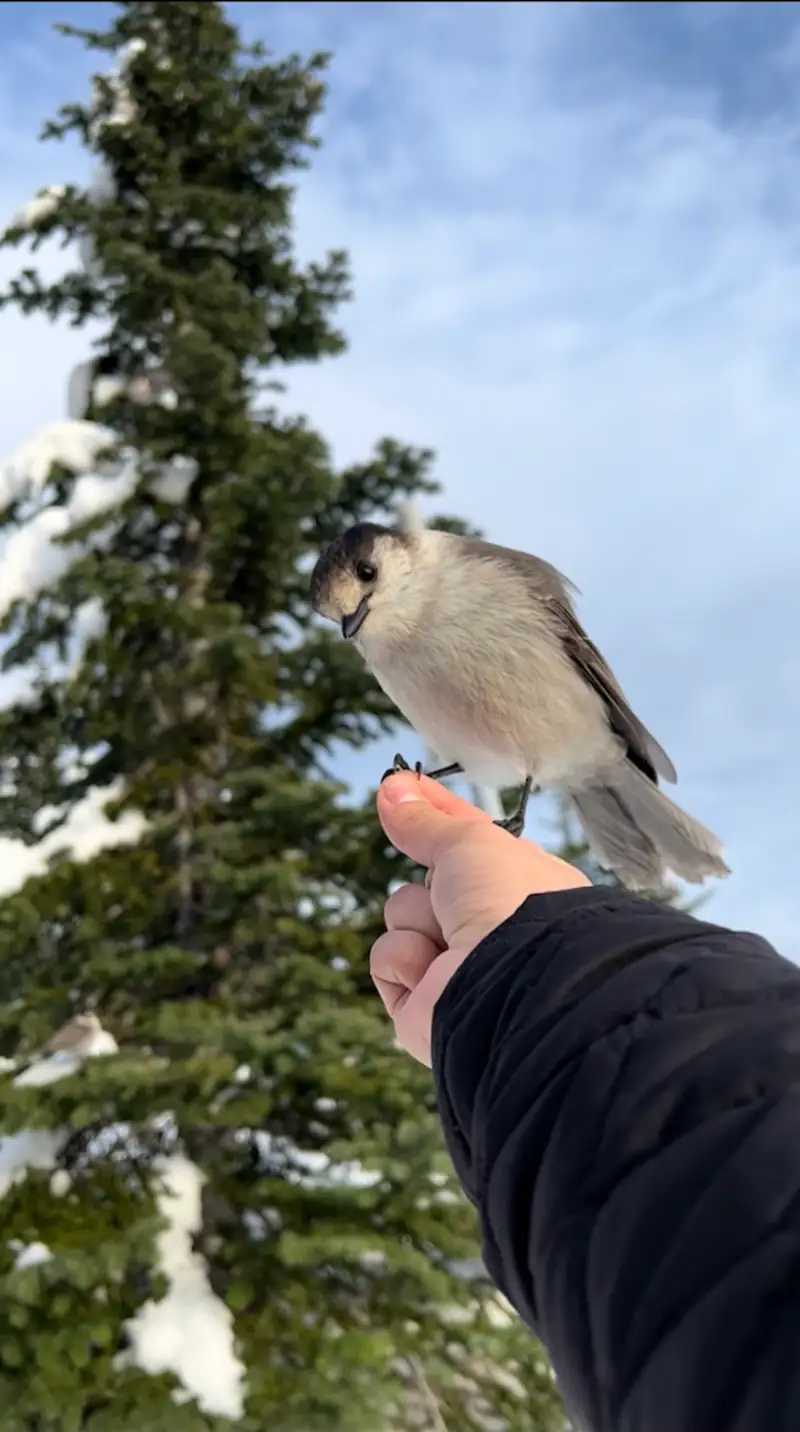 Bird
Bird Canada jay
Perisoreus canadensis
A fearless, fluffy gray bird that glues thousands of food scraps into tree bark with its own sticky spit and remembers nearly all of them through winter.
-
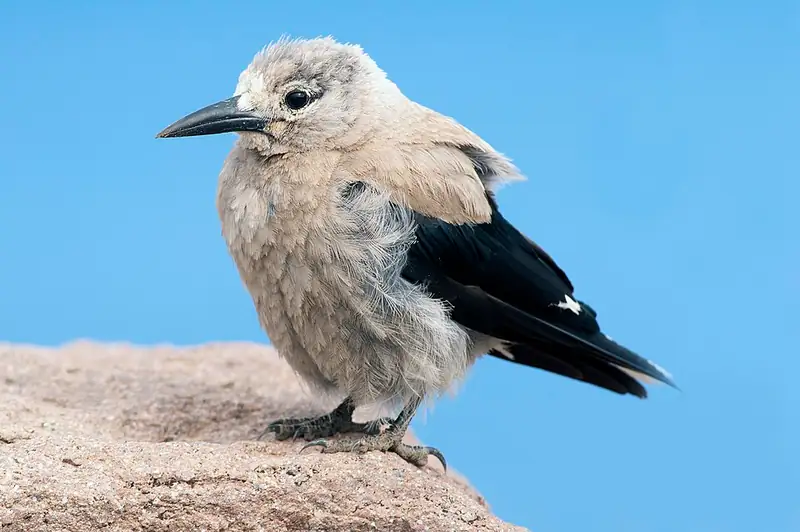 Bird
Bird Clark's nutcracker
Nucifraga columbiana
A pale-gray, black-winged cousin of the crow that hides tens of thousands of pine seeds each fall and remembers where to find them again.
-
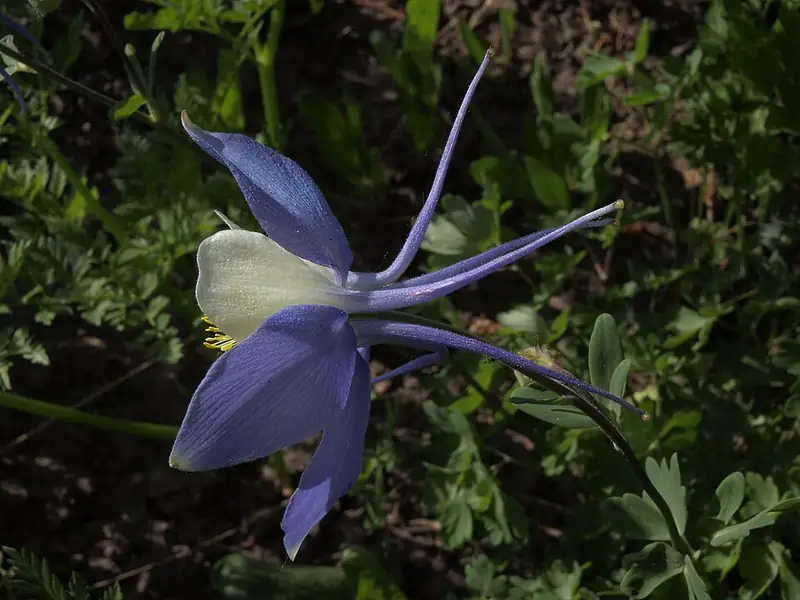 Plant
Plant Colorado blue columbine
Aquilegia coerulea
Colorado's blue-and-white state flower, its long spurs full of nectar that only a hawkmoth's tongue can reach.
-
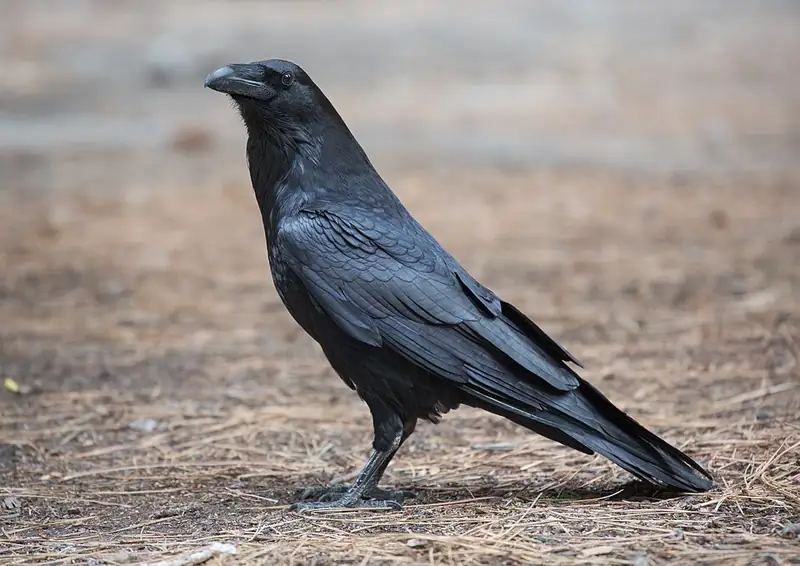 Bird
Bird Common raven
Corvus corax
A big, glossy-black problem-solver that rolls and tumbles over the cliffs of Grand Canyon, Arches, and the desert parks, watching for its next meal.
-
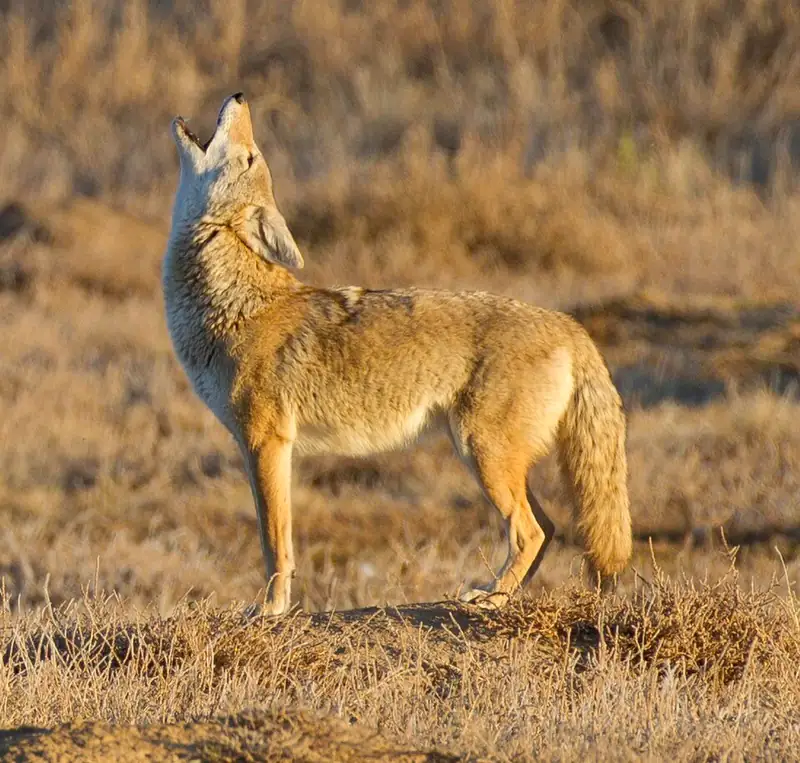 Mammal
 Coyote
Canis latrans
The wild dog you're most likely to hear at a national park — a coyote, at home in the desert, the mountains, and the edges of towns.
-
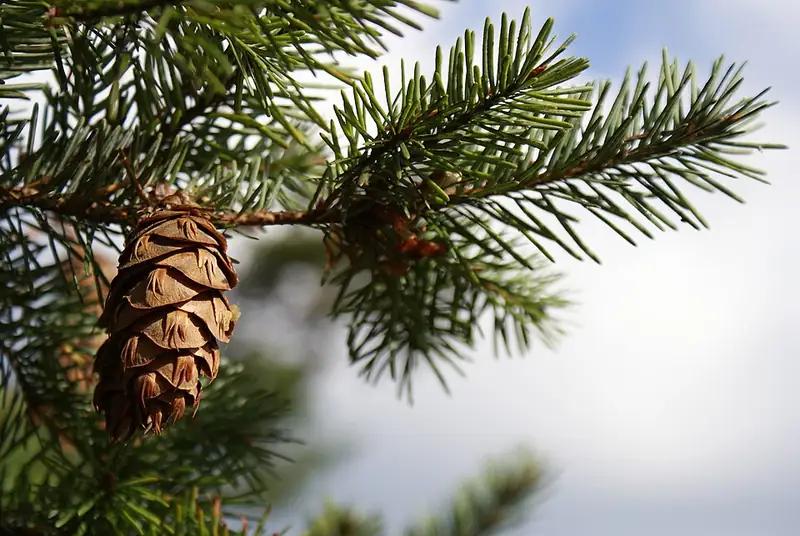 Plant
Plant Douglas-fir
Pseudotsuga menziesii
One of the tallest trees on Earth, not actually a true fir, whose cones carry little three-pointed flaps a Native story calls the tails and legs of hiding mice.
-
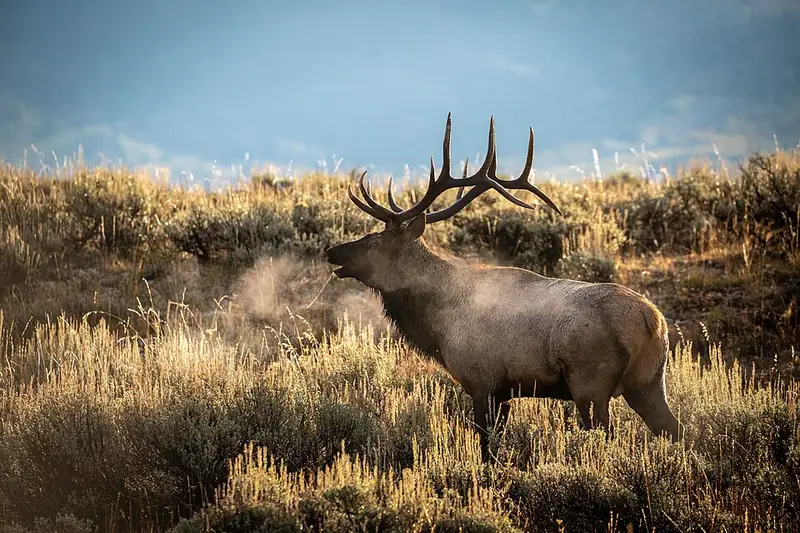 Mammal
 Elk
Cervus canadensis
A large deer of mountain meadows whose bulls grow branching antlers and, each fall, bugle a high whistling call across the valley.
-
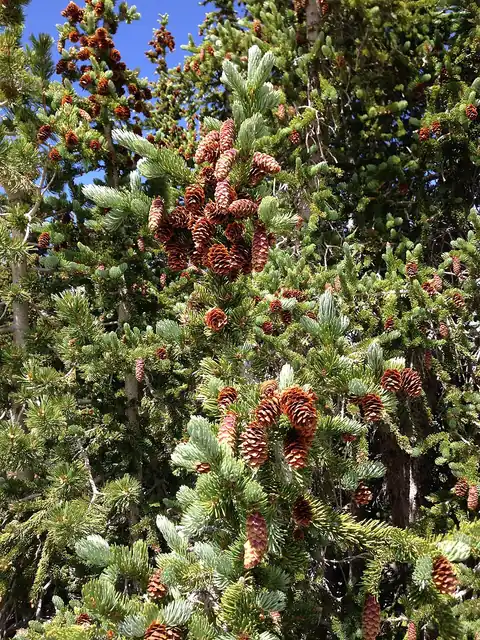 Plant
Plant Engelmann spruce
Picea engelmannii
A high-elevation spruce with scaly bark and sharp, squarish needles, whose Colorado stands have lost more than a million acres to a beetle since 1996.
-
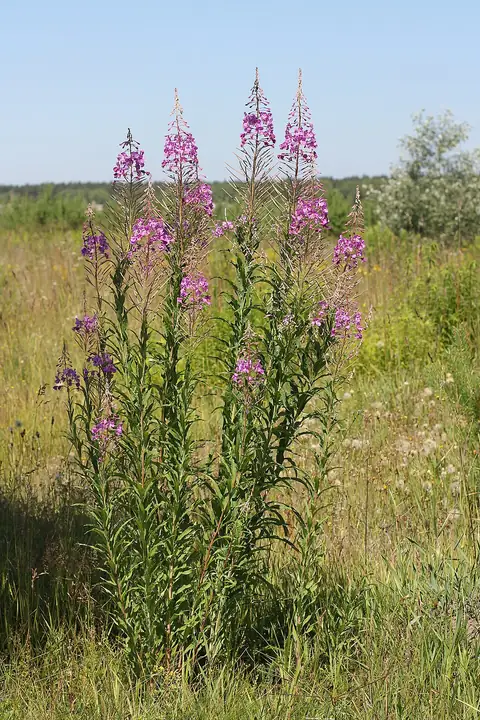 Plant
Plant Fireweed
Chamerion angustifolium
A tall pink-purple wildflower that is often the first color to return to a burned mountainside.
-
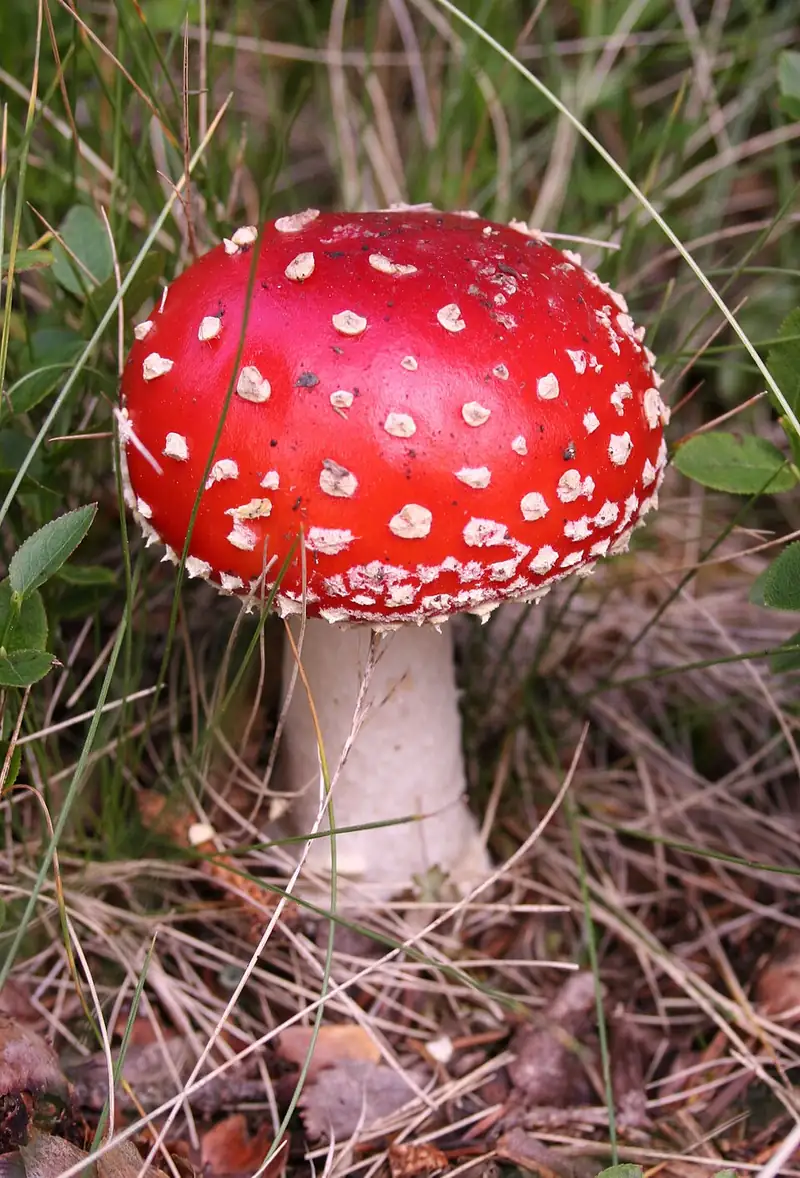 Fungus
 Fly agaric
Amanita muscaria
The storybook red mushroom with white spots, found in northern conifer and birch woods. It is joined to tree roots and poisonous to eat.
-
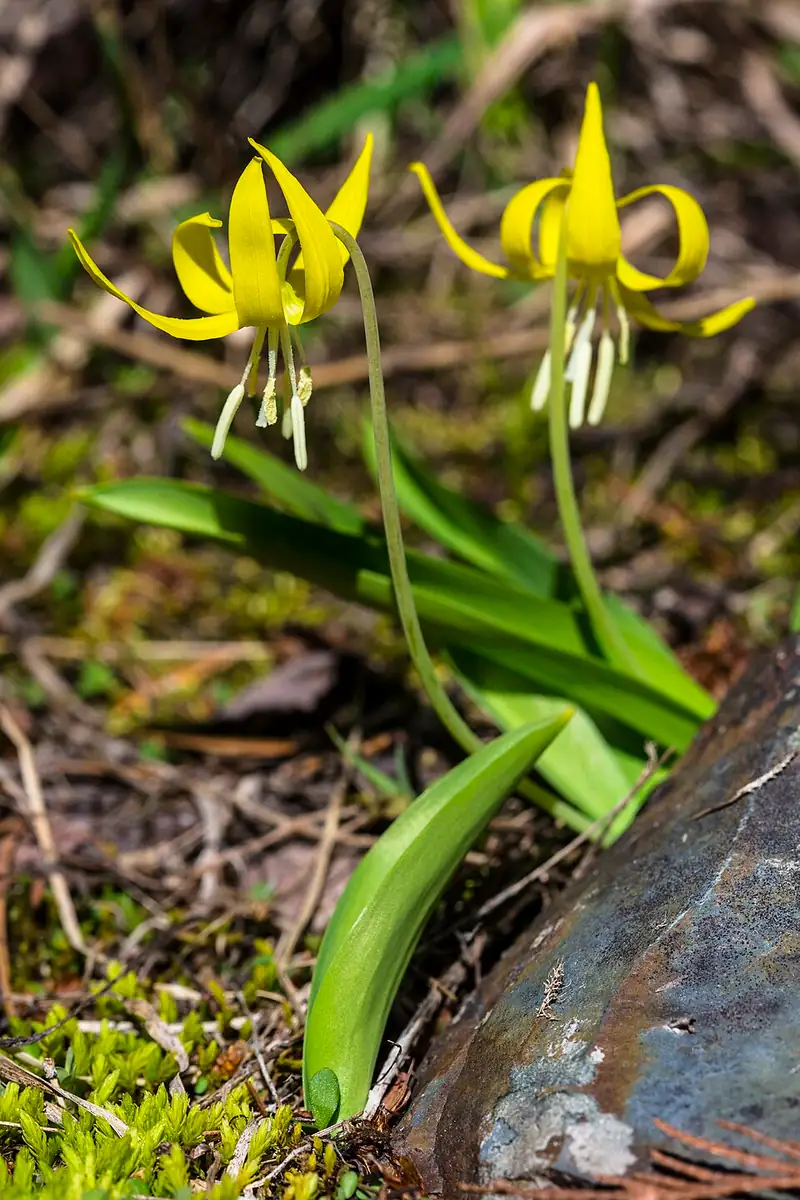 Plant
Plant Glacier lily
Erythronium grandiflorum
A nodding yellow spring flower whose bulb is such important grizzly bear food that the bear's digging can grow bigger flowers the following year.
-
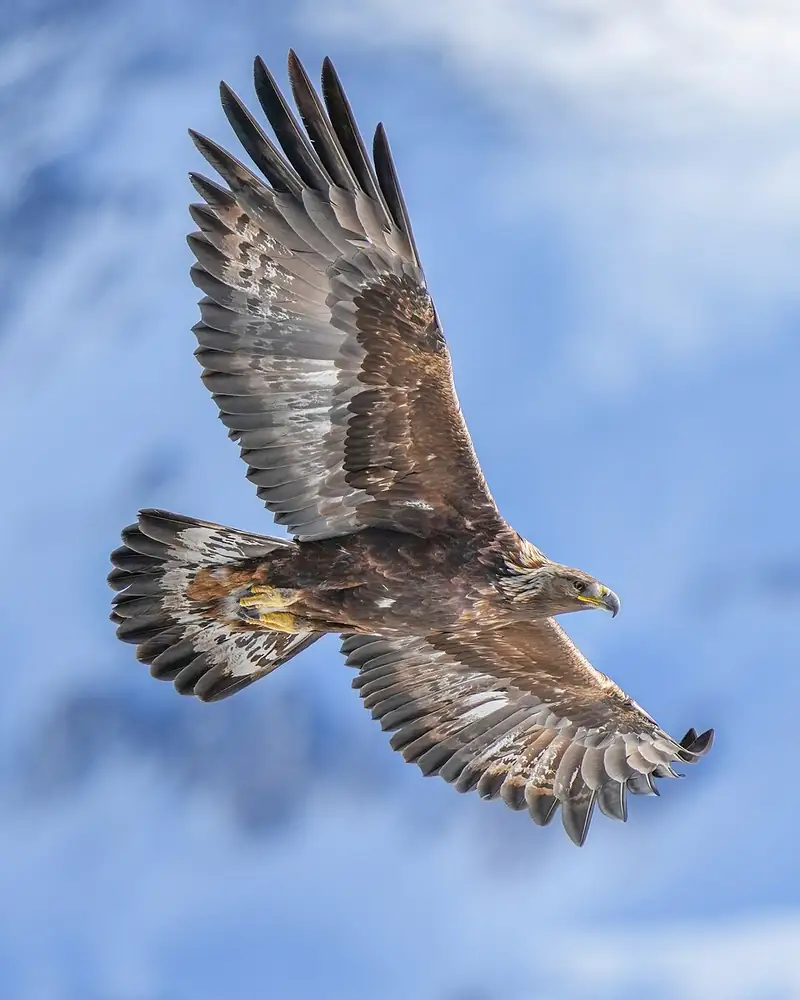 Bird
Bird Golden eagle
Aquila chrysaetos
A dark brown eagle with golden neck feathers that hunts rabbits and hares across open country, nesting on cliffs in Denali, Death Valley, and Great Basin.
-
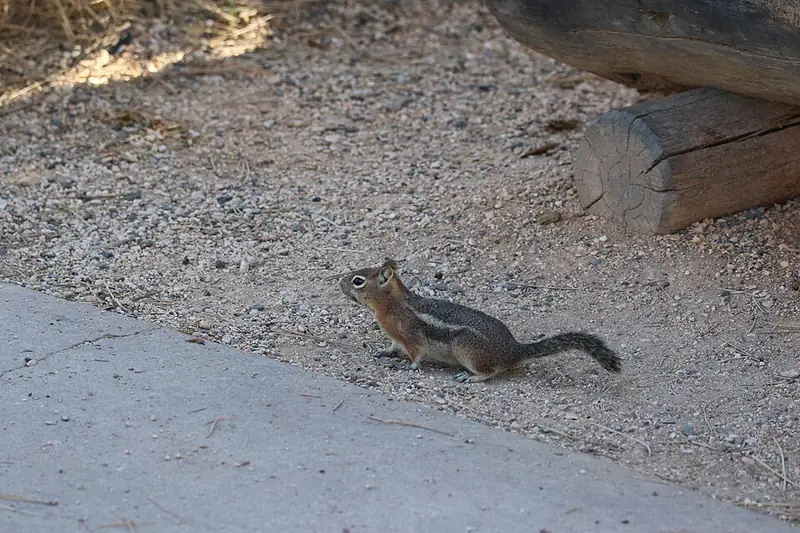 Mammal
 Golden-mantled ground squirrel
Callospermophilus lateralis
A chipmunk-lookalike ground squirrel with a reddish-gold head and shoulders and no face stripes, common on rocks and trailsides from Glacier to Mesa Verde.
-
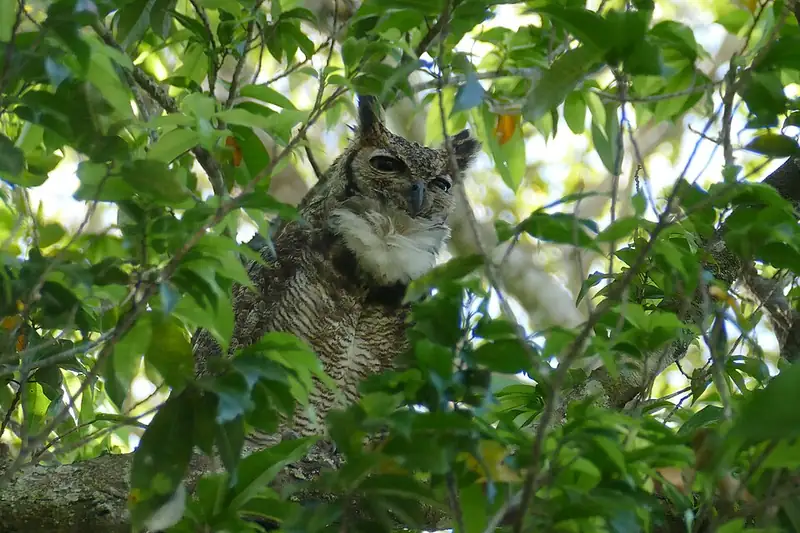 Bird
Bird Great horned owl
Bubo virginianus
A big night hunter with feathery "horns" and a deep hoot, found from the saguaro desert to the Everglades, hunting after dark on silent wings.
-
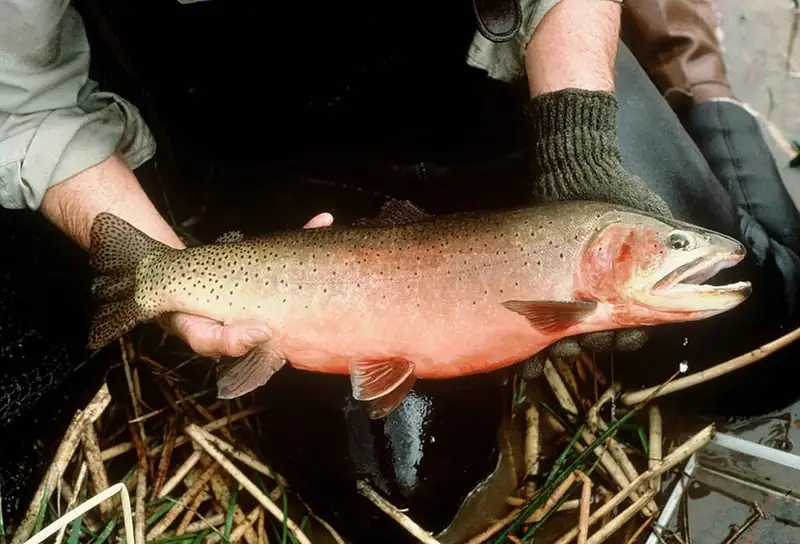 Fish
Fish Greenback cutthroat trout
Oncorhynchus clarkii stomias
Colorado's state fish, one of two native cutthroat trout in Rocky Mountain's streams, nearly wiped out by a century of stocking other fish.
-
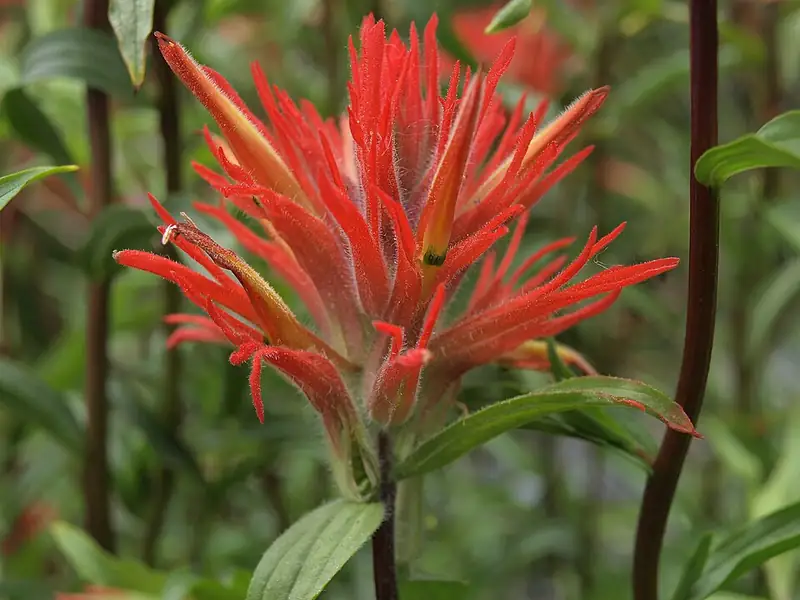 Plant
Plant Indian paintbrush
Castilleja miniata
A scarlet mountain wildflower that steals water and food from its neighbors' roots, and whose bright color comes from leaves, not petals.
-
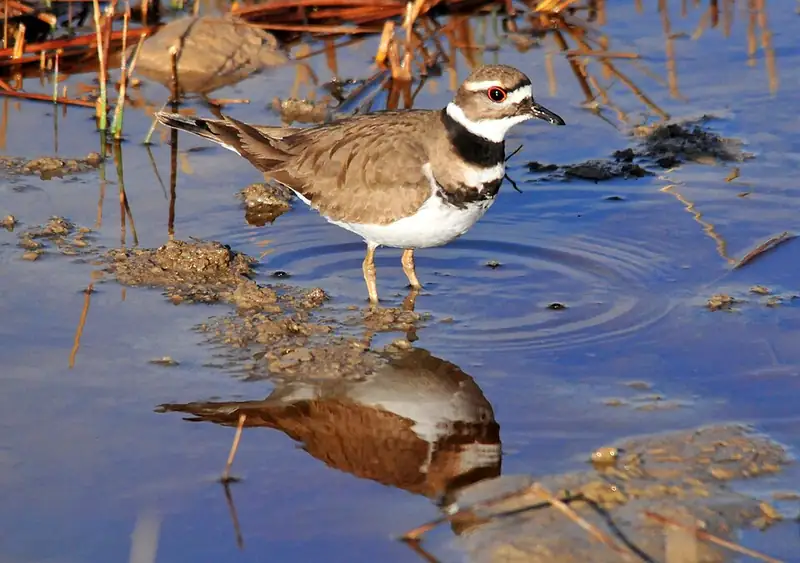 Bird
Bird Killdeer
Charadrius vociferus
A shorebird that lives nowhere near a shore. At Badlands we never saw one. We heard it call its own name across the campground.
-
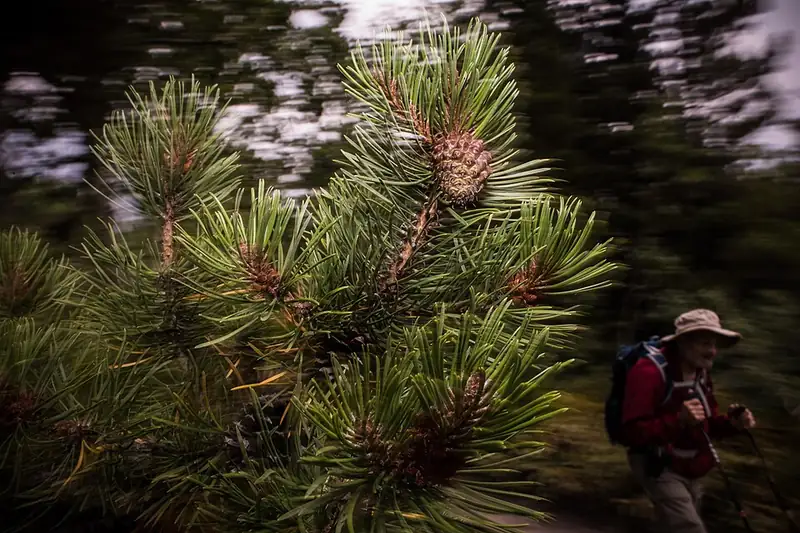 Plant
Plant Lodgepole pine
Pinus contorta var. latifolia
The thin-barked pine covering 80% of Yellowstone's forest, some of whose cones only open in the heat of a fire.
-
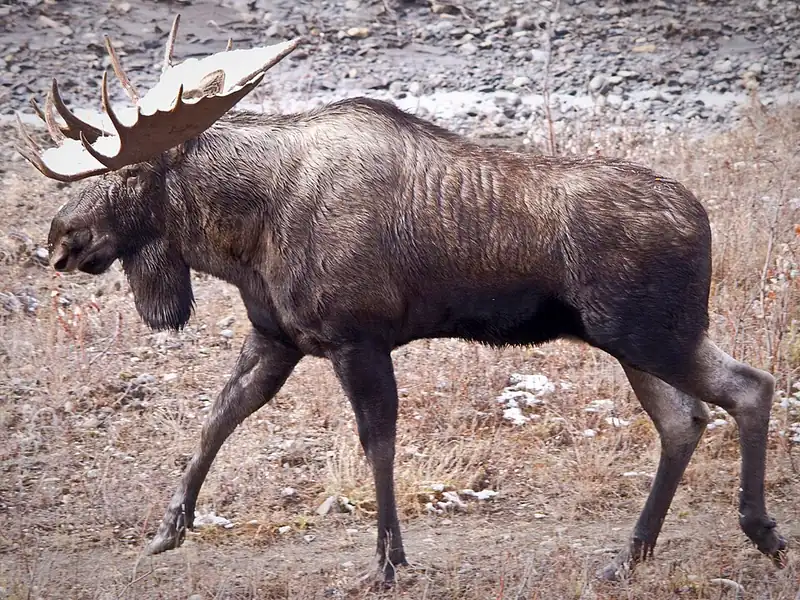 Mammal
 Moose
Alces alces
The largest deer in the world, a long-legged giant you might see wading in ponds at Grand Teton, Isle Royale, Denali, or Rocky Mountain.
-
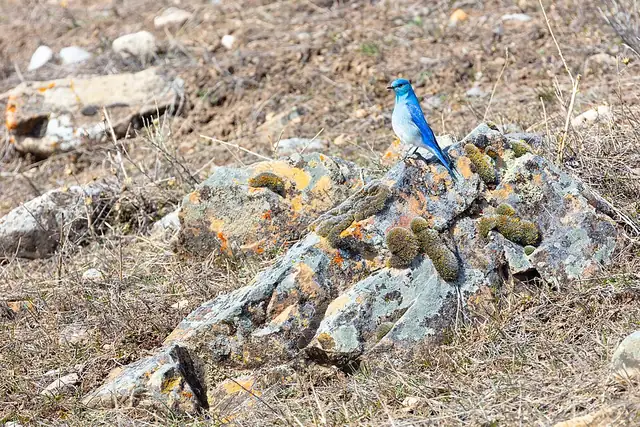 Bird
Bird Mountain bluebird
Sialia currucoides
A sky-blue thrush of high, open country, the only bluebird seen regularly above 5,000 feet, nesting in lava-rock crevices at Craters of the Moon.
-
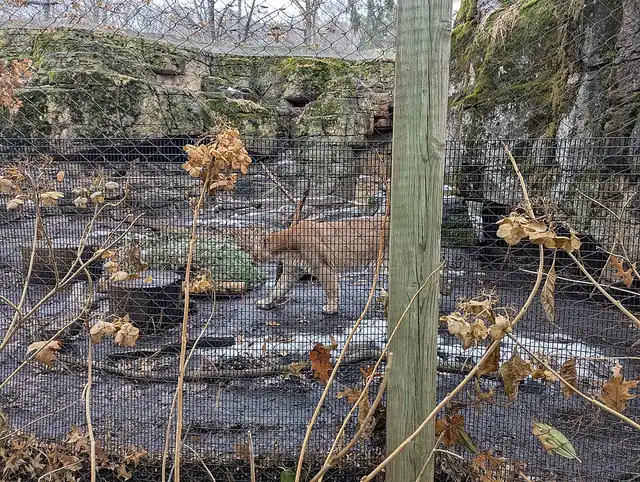 Mammal
 Mountain lion
Puma concolor
A tan, solitary big cat found from Glacier to Mesa Verde, called cougar, puma, or panther by region, and rarely seen at all.
-
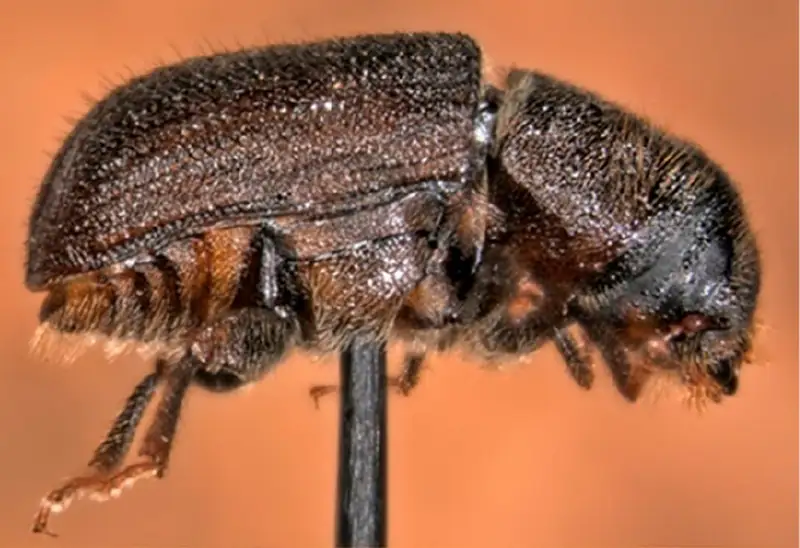 Invertebrate
 Mountain pine beetle
Dendroctonus ponderosae
A beetle about the size of a grain of rice that tunnels under pine bark and can turn a mountainside red at Yellowstone, Glacier, and Rocky Mountain.
-
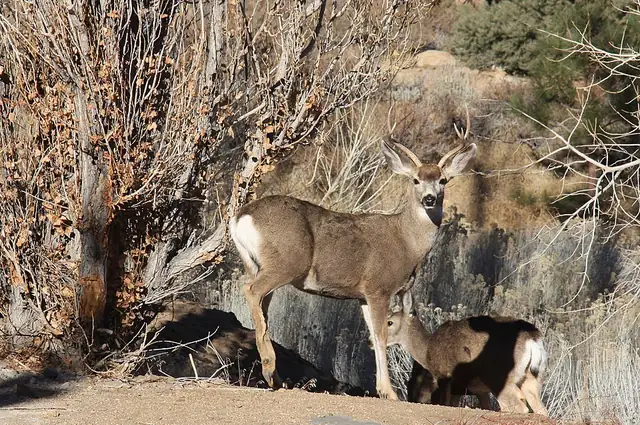 Mammal
 Mule deer
Odocoileus hemionus
A western deer named for its big mule-like ears, common along canyon rims and desert washes in Grand Canyon, Zion, Yosemite, and Saguaro.
-
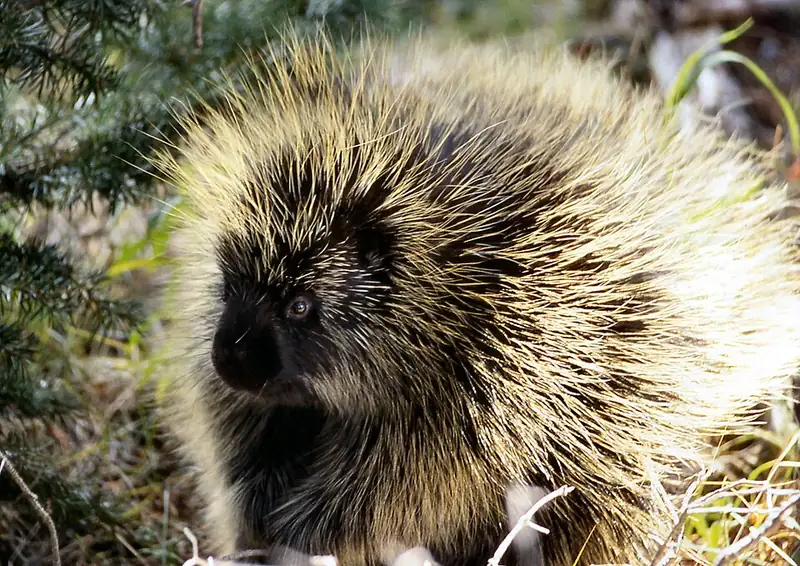 Mammal
 North American porcupine
Erethizon dorsatum
A slow, quill-covered rodent that climbs into the treetops at Theodore Roosevelt to eat twigs, and North America's second-largest rodent after the beaver.
-
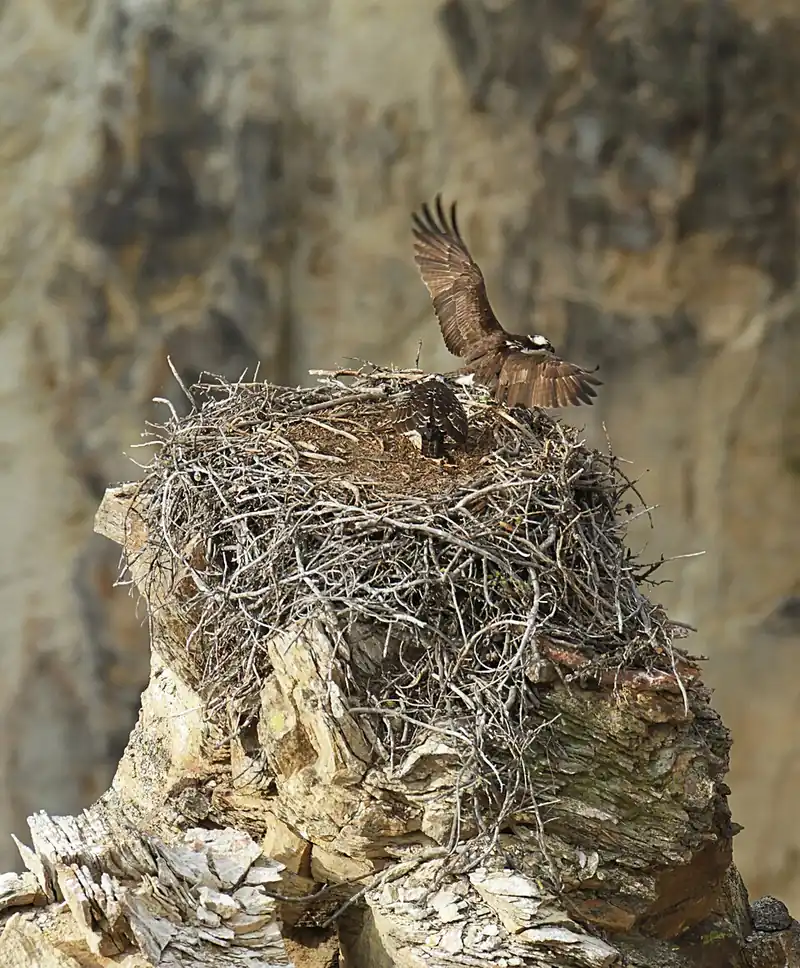 Bird
Bird Osprey
Pandion haliaetus
A fish-hunting hawk that dives feet-first into open water and flies off with its catch turned head-forward like a torpedo.
-
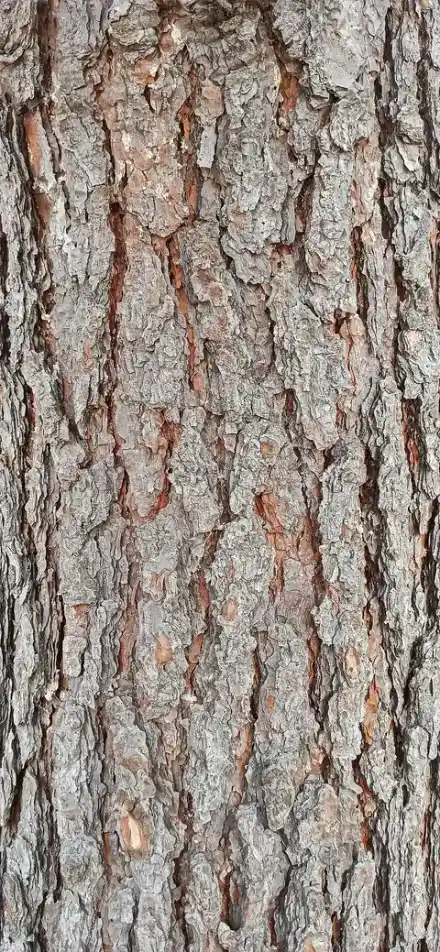 Plant
Plant Ponderosa pine
Pinus ponderosa
A tall western pine whose sun-warmed bark smells like butterscotch and vanilla, and which drops its low branches so ground fire can pass safely beneath it.
-
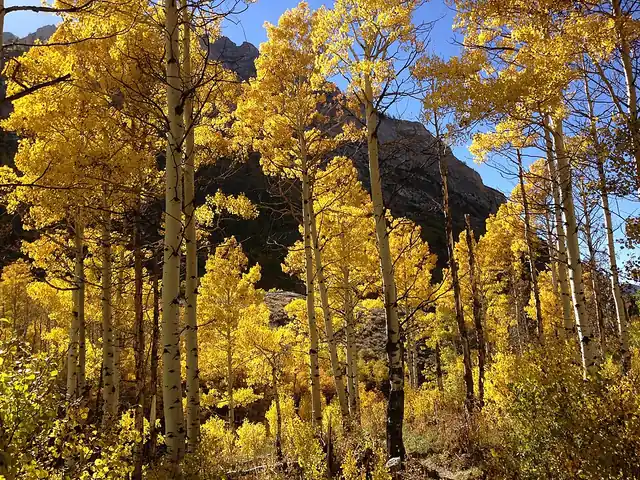 Plant
Plant Quaking aspen
Populus tremuloides
A white-barked mountain tree whose flat-stemmed leaves shiver in the lightest breeze, turning whole hillsides gold each fall.
-
 Bird
Bird Red-tailed hawk
Buteo jamaicensis
The hawk most often recorded in Yellowstone. We watched a hawk take a pika near the Roosevelt cabins and could not tell you which hawk it was.
-
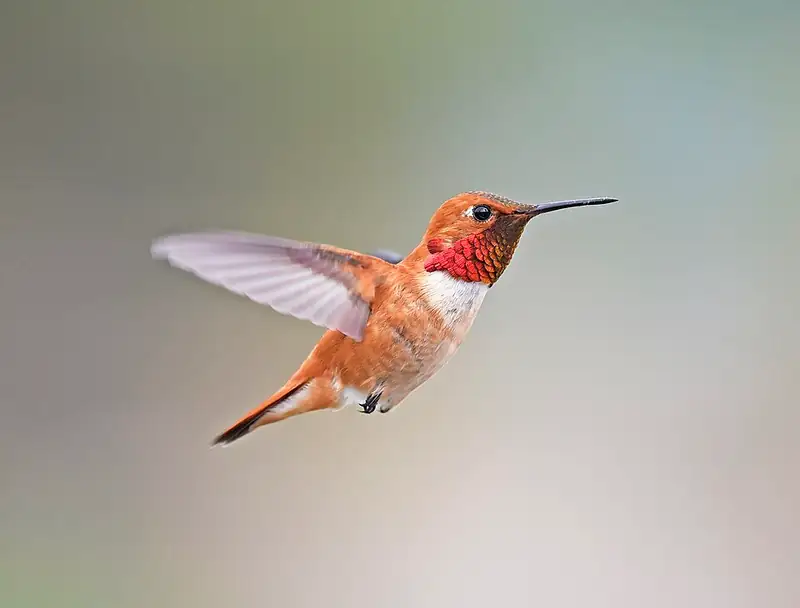 Bird
Bird Rufous hummingbird
Selasphorus rufus
A copper-orange hummingbird that flies farther, relative to its size, than almost any other bird on Earth, from Mexico to Alaska and back every year.
-
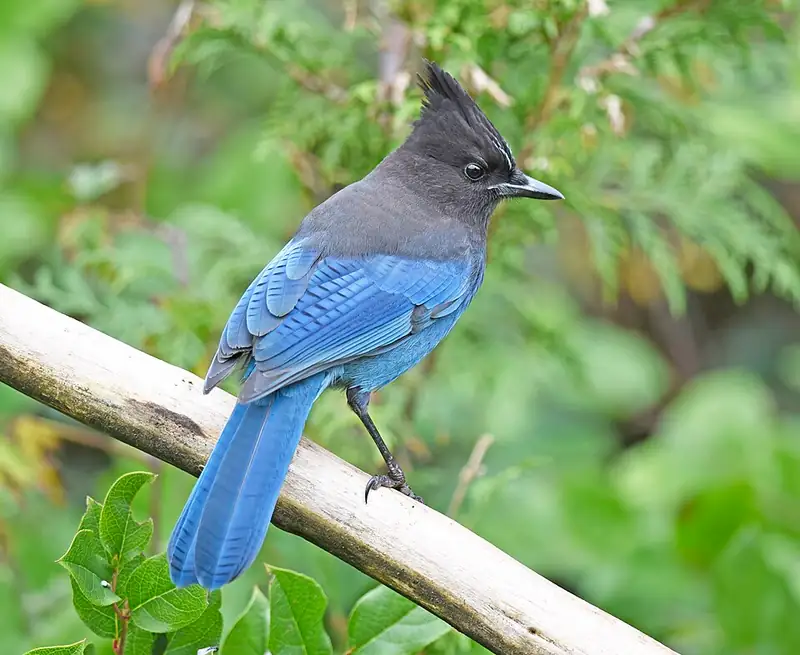 Bird
Bird Steller's jay
Cyanocitta stelleri
A deep-blue mountain jay with a black crest and a loud voice, the campground bird that will eye your sandwich at Yosemite, Sequoia, and Crater Lake.
-
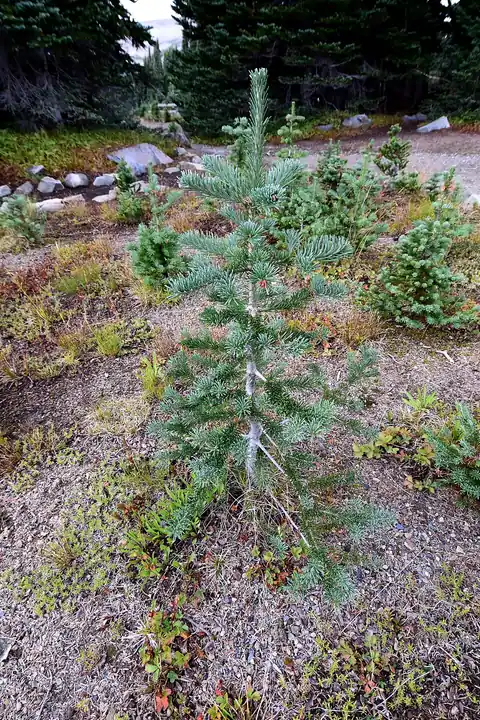 Plant
Plant Subalpine fir
Abies lasiocarpa
A narrow, spire-shaped high-mountain fir with smooth gray bark and flat, soft needles, moving in wherever fire has stayed away long enough.
-
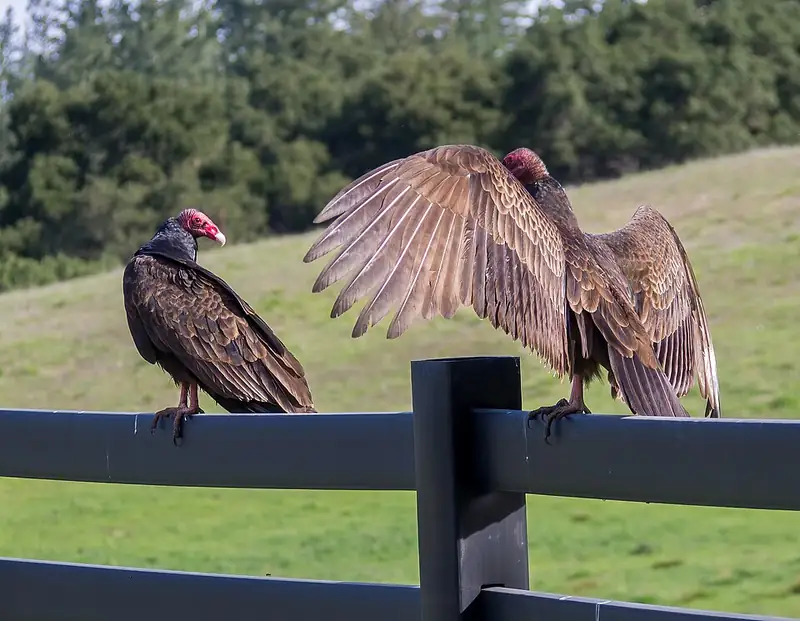 Bird
Bird Turkey vulture
Cathartes aura
A large, dark soaring bird with a bare red head, circling on thermals over open country, using one of the sharpest noses of any bird.
-
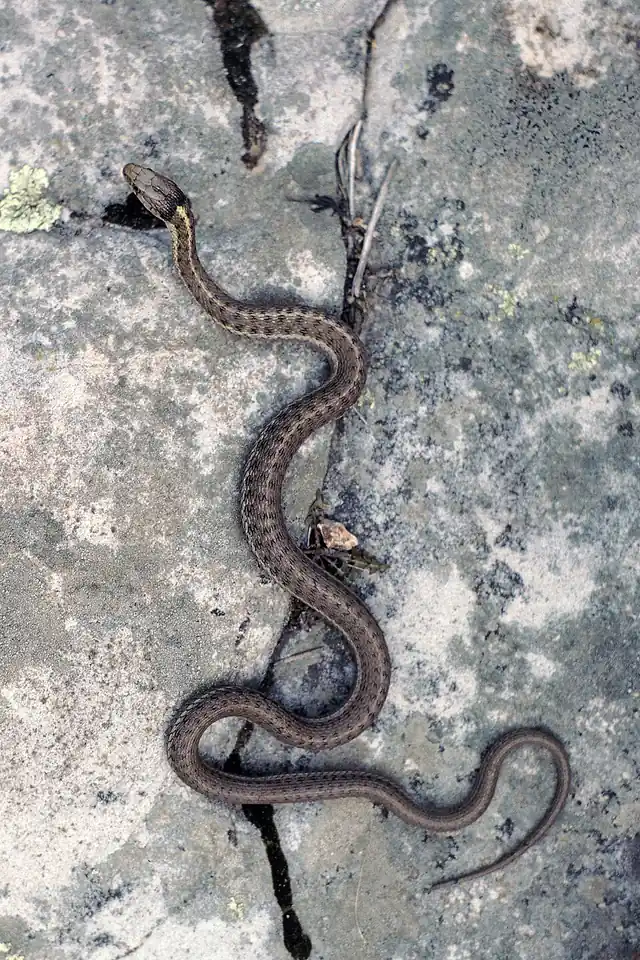 Reptile
 Western terrestrial garter snake
Thamnophis elegans
A slim, striped snake found from stream banks to talus slopes across ten of these parks, and the most commonly seen reptile in several of them.
-
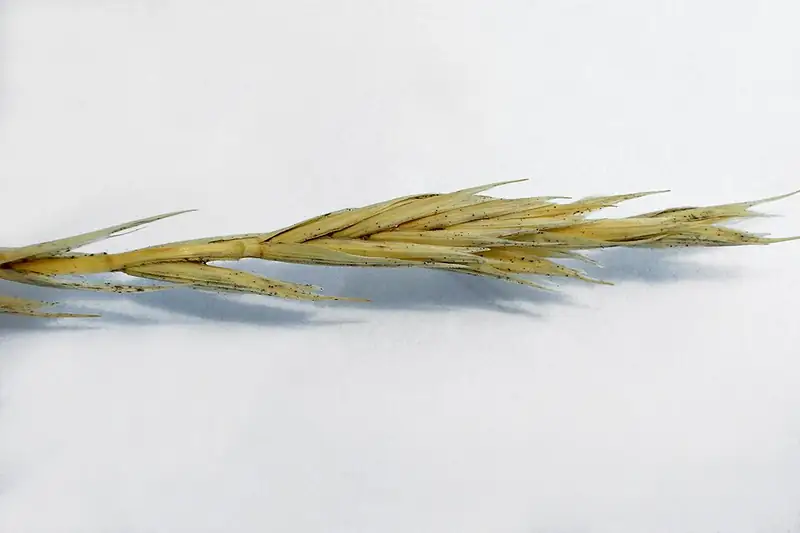 Plant
Plant Western wheatgrass
Pascopyrum smithii
A blue-green prairie grass whose underground rhizomes weave a tough sod — the official state grass of North and South Dakota.
-
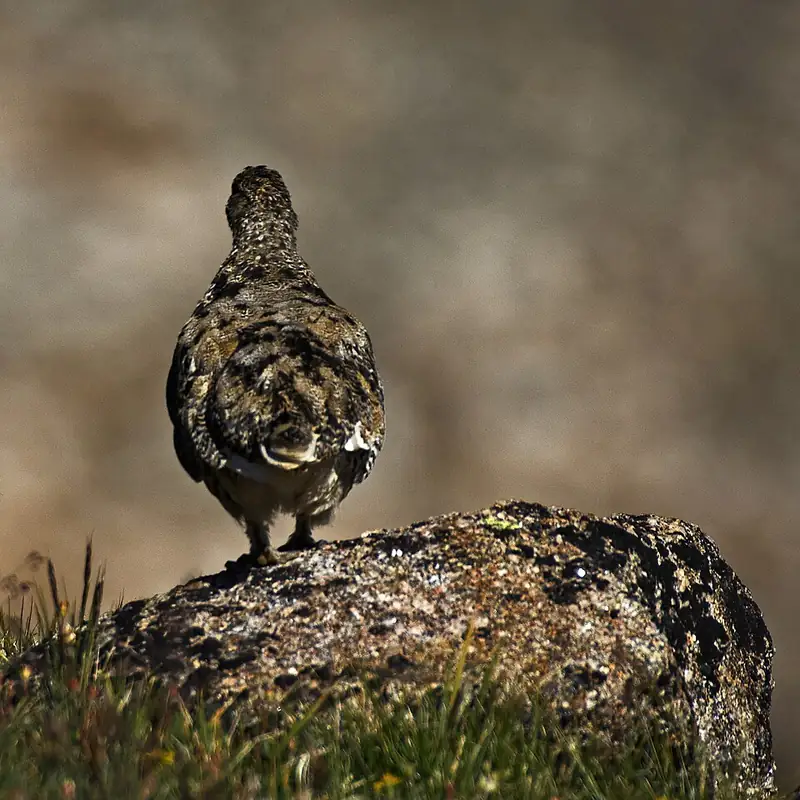 Bird
Bird White-tailed ptarmigan
Lagopus leucura
A small alpine grouse that turns pure white in winter and nearly vanishes against rock and snow above treeline in the Rockies.
-
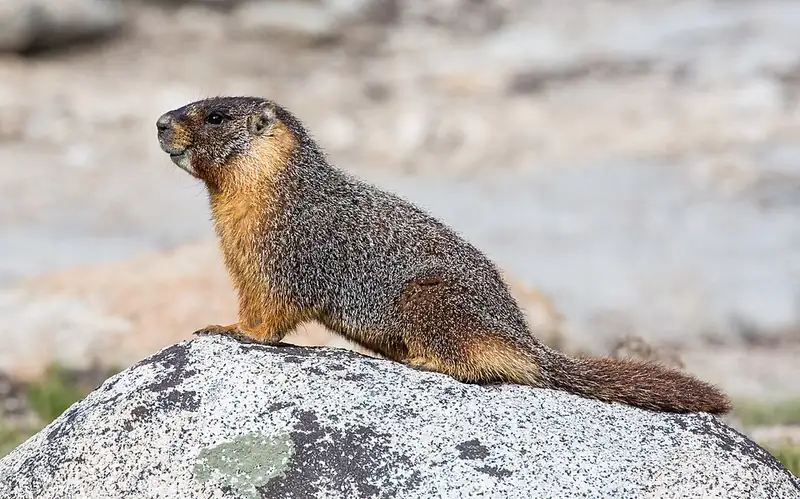 Mammal
 Yellow-bellied marmot
Marmota flaviventris
A chubby, whistling ground squirrel that suns itself on high-country rocks at Rocky Mountain and Yosemite, and sleeps away most of the year.
-
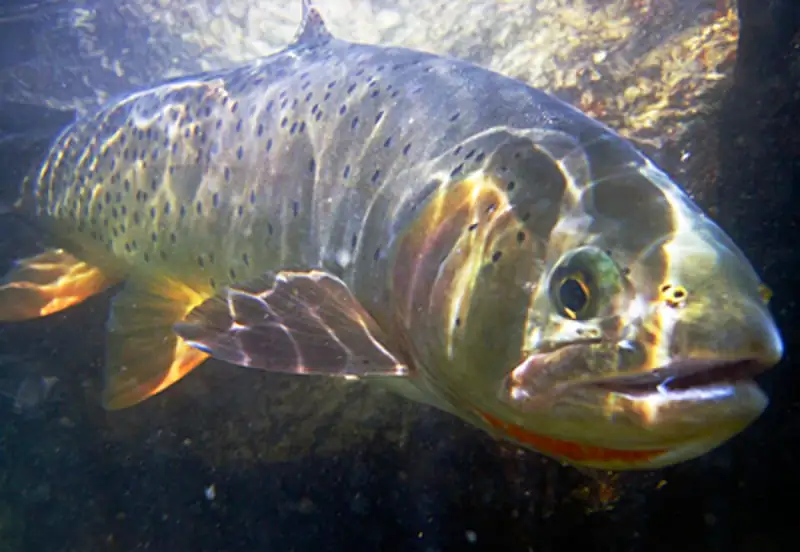 Fish
Fish Yellowstone cutthroat trout
Oncorhynchus clarkii bouvieri
A native trout with a red-orange slash under its jaw, the fish that fed the whole web of life around Yellowstone Lake for thousands of years.