Animals & Plants of Redwood National and State Parks
The 35 animals, plants, and fungi you can find at Redwood National and State Parks, with sizes, diets, and whether you should worry. See the full park guide at Redwood National and State Parks.
Redwood is a coast of enormous trees: coast redwoods rise hundreds of feet above a floor of banana slugs and western sword fern. Elk graze the open meadows while black bears work the berry patches, and marbled murrelets nest high in the old-growth canopy. The tide pools along the shore hold ochre sea stars and giant green anemones.
Turn this into a game: Play Redwood National and State Parks Bingo →Common questions
Which animals at Redwood do kids need real space from?
At Redwood National and State Parks, give space to American black bear, Elk, Northern Pacific rattlesnake, Coyote, and Rough-skinned newt. American black bear: Black bears are usually shy and would rather leave than meet you. Elk: Elk look calm but they are large and wild. Northern Pacific rattlesnake: This is the only rattlesnake in these parks, and it is venomous, so give it real respect, not panic. Coyote: Coyotes almost always run from people. Rough-skinned newt: Never put one near your mouth or an open cut. (per NPS species pages).
What do the forest and tide-pool residents of Redwood eat?
At Redwood National and State Parks, the most interesting eaters are Elk, Banana slug, and Coyote. Elk eats grasses, forbs, shrubs, tree bark in winter. Banana slug eats fallen leaves, mushrooms, dead plants, animal droppings, moss. Coyote eats mice, rabbits, lizards, insects, fruit, whatever it can find. (per NPS species pages).
What is the strangest true thing about Redwood wildlife?
The strangest true thing about Redwood National and State Parks: Coho salmon: The best time to see spawning coho in Redwood National and State Parks is November and December, from the bridges over Prairie Creek and Lost Man Creek. American black bear: Great Smoky Mountains National Park has about two black bears per square mile, roughly 1,900 bears, one of the thickest black-bear populations anywhere. (per NPS species pages).
Anything here that bites?
Venomous
- Northern Pacific rattlesnake: This is the only rattlesnake in these parks, and it is venomous, so give it real respect, not panic.
Keep away
- American black bear: Black bears are usually shy and would rather leave than meet you.
- Columbian black-tailed deer: Usually calm around people, but they are wild animals, not park mascots.
- Coyote: Coyotes almost always run from people.
- Elk: Elk look calm but they are large and wild.
Don't touch or eat
- California mussel: Harmless to touch, but the shells are sharp and the rocks they cover are slick, so tide-pool footing is the real hazard.
- Ensatina: It cannot bite or sting, but its tail oozes a sticky, milky poison when it is scared.
- Rough-skinned newt: Never put one near your mouth or an open cut.
Bites if handled
- Coastal giant salamander: It can't poison you, but it can deliver a surprisingly painful bite if you pick one up and it feels threatened.
- Douglas squirrel: Harmless if left alone.
- Northern flying squirrel: No real risk.
- Northern spotted owl: No real worry.
- Pacific marten: None.
- Southern alligator lizard: This lizard is not venomous and can't hurt a person seriously.
- Western fence lizard: It has no venom.
Everything else on this page is harmless. What each group means.
-
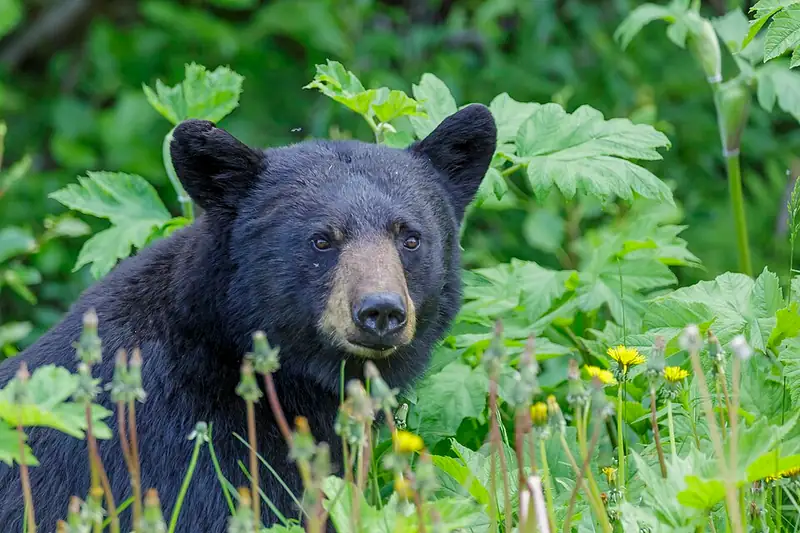 Mammal
 American black bear
Ursus americanus
The bear you're most likely to meet east of the Rockies, a strong tree-climber that eats mostly plants and comes in black, brown, or cinnamon.
-
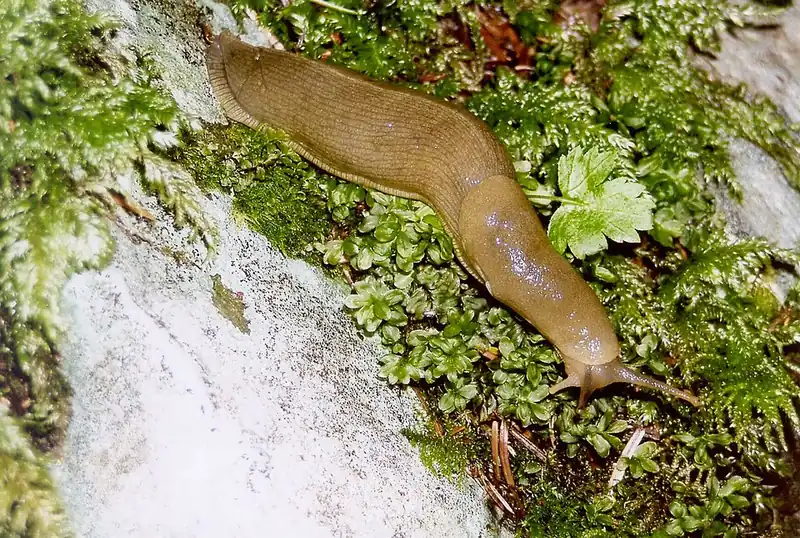 Invertebrate
 Banana slug
Ariolimax columbianus
A long yellow slug, sometimes as big as a real banana, that glides across the damp floor of the redwood forest and cleans up what falls there.
-
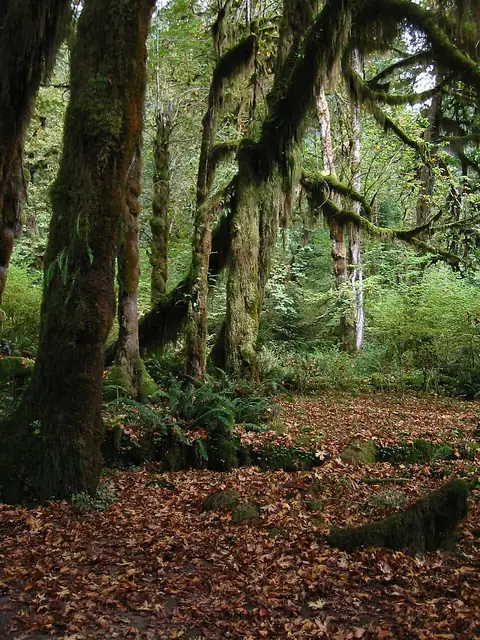 Plant
Plant Bigleaf maple
Acer macrophyllum
A Pacific Northwest maple with the largest leaves of any maple, often draped in moss and ferns in the rainforests of Olympic and North Cascades.
-
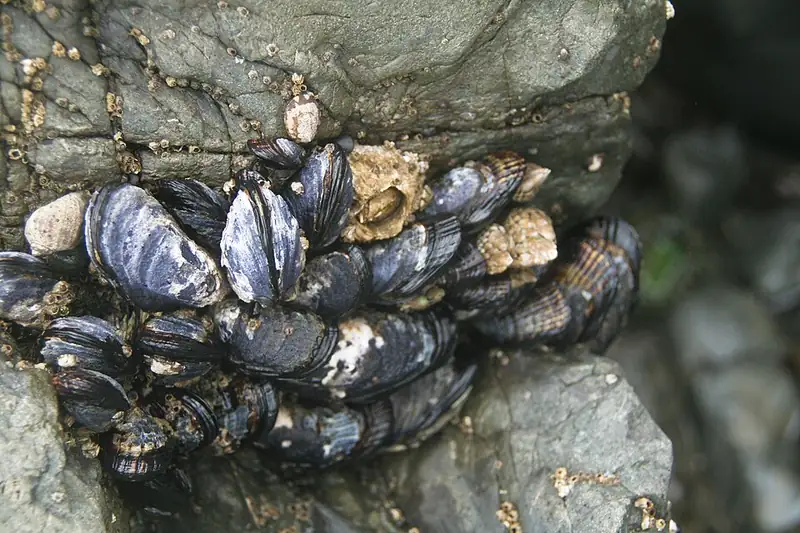 Invertebrate
 California mussel
Mytilus californianus
The big blue-black mussel that packs Pacific rocks by the thousands, anchored by threads so strong they inspired medical glue.
-
 Plant
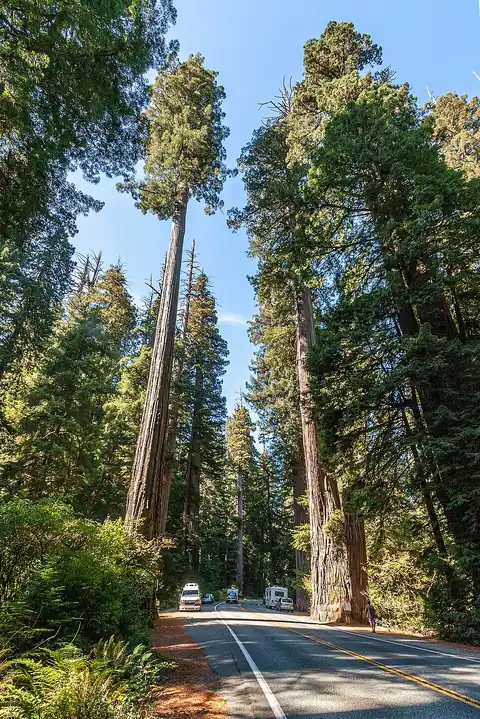
Plant Coast redwood
Sequoia sempervirens
The tallest tree on Earth, a fog-loving evergreen of the northern California coast where trails at Redwood run beneath 300-foot trunks.
-
 Amphibian
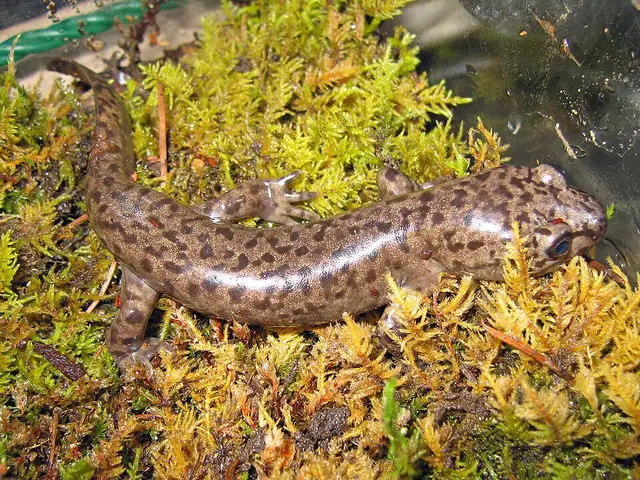
 Coastal giant salamander
Dicamptodon tenebrosus
The largest terrestrial salamander in North America, a foot-long forest hunter that eats mice and other salamanders and can bark when it is grabbed.
-
 Fish
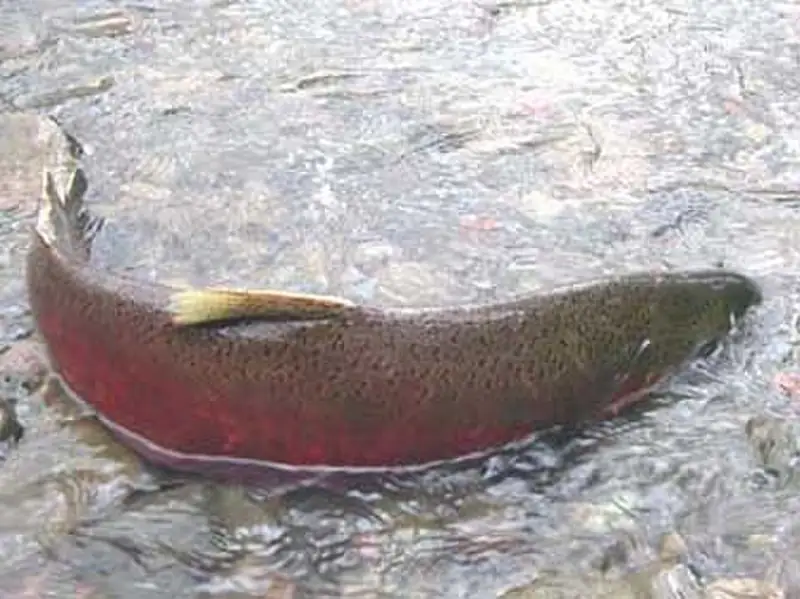
Fish Coho salmon
Oncorhynchus kisutch
A silver ocean salmon that comes home each winter to the small creeks under the redwoods, turning brick-red and hook-jawed to spawn once and die.
-
 Mammal
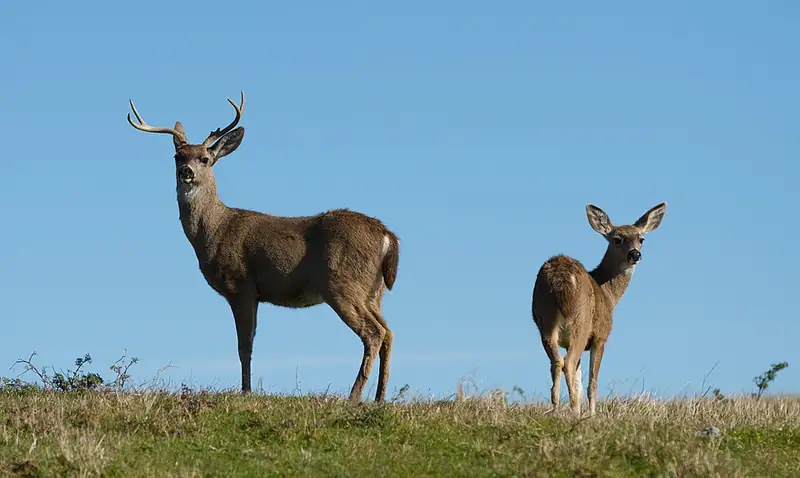
 Columbian black-tailed deer
Odocoileus hemionus columbianus
The coastal rainforest subspecies of mule deer, common on foggy meadow edges from Olympic to Redwood, easy to tell apart by its all-black tail.
-
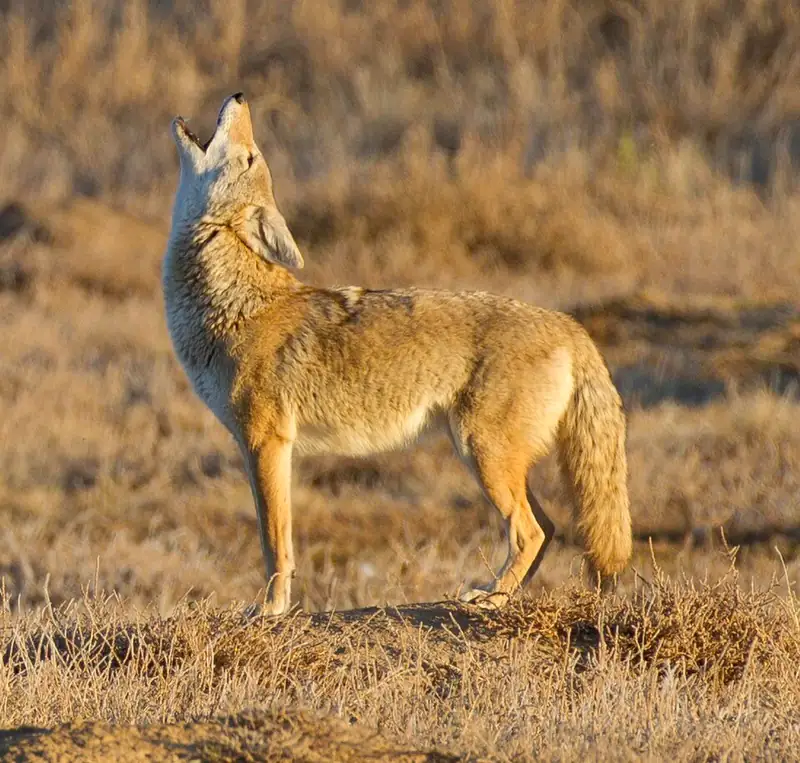 Mammal
 Coyote
Canis latrans
The wild dog you're most likely to hear at a national park — a coyote, at home in the desert, the mountains, and the edges of towns.
-
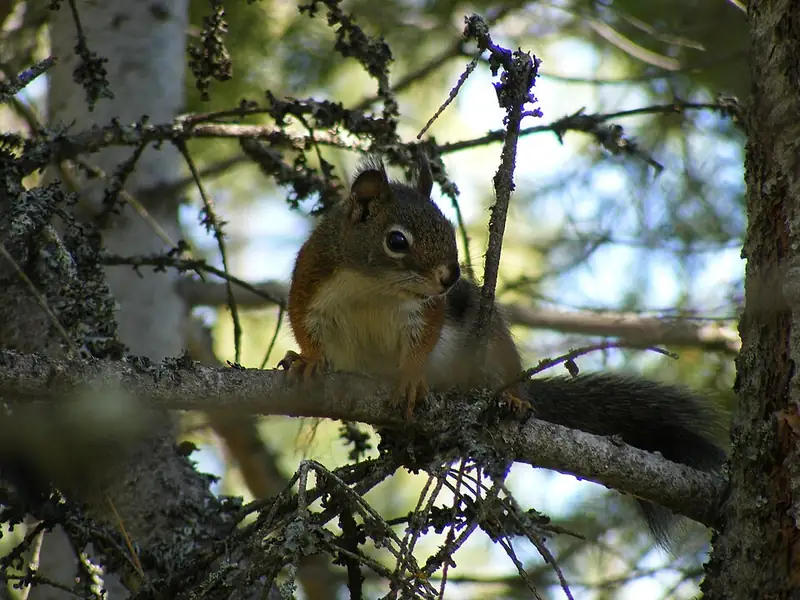 Mammal
 Douglas squirrel
Tamiasciurus douglasii
A small, loud tree squirrel of West Coast conifer forests, known for cutting green cones by the hundred and scolding every hiker who walks under its tree.
-
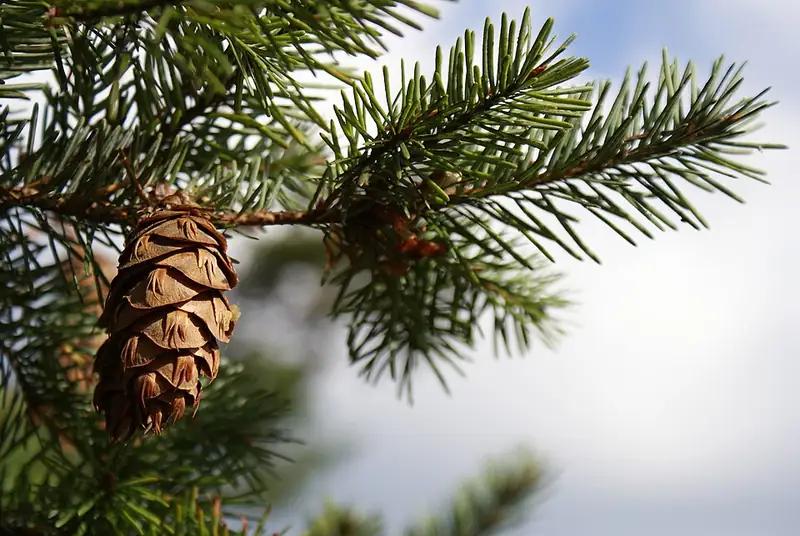 Plant
Plant Douglas-fir
Pseudotsuga menziesii
One of the tallest trees on Earth, not actually a true fir, whose cones carry little three-pointed flaps a Native story calls the tails and legs of hiding mice.
-
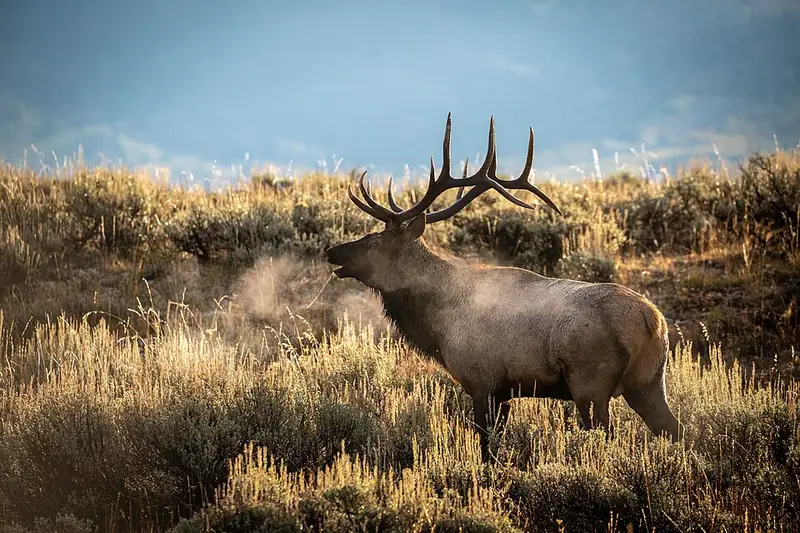 Mammal
 Elk
Cervus canadensis
A large deer of mountain meadows whose bulls grow branching antlers and, each fall, bugle a high whistling call across the valley.
-
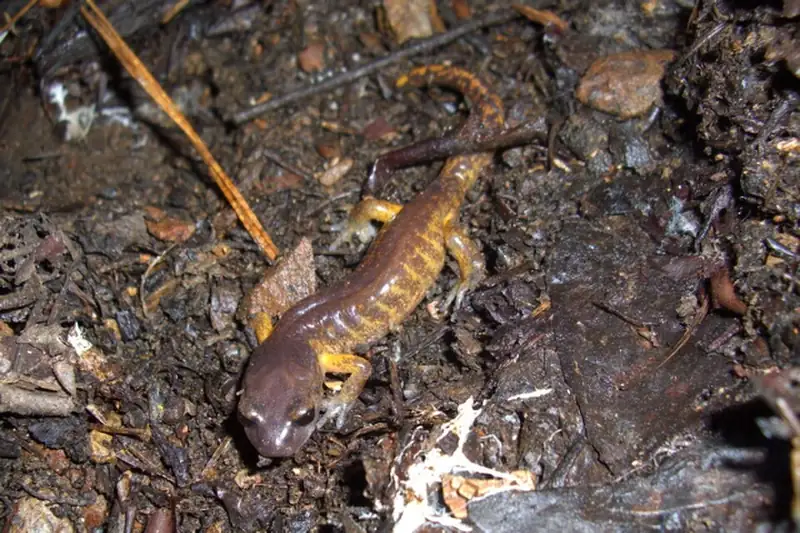 Amphibian
 Ensatina
Ensatina eschscholtzii
A lungless salamander that breathes through its skin, a textbook 'ring species' whose subspecies loop around California's Central Valley without quite meeting.
-
 Invertebrate
 Giant green anemone
Anthopleura xanthogrammica
A bright green tide-pool anemone that farms algae inside its own body for the color and eats crabs whole with a ring of stinging tentacles.
-
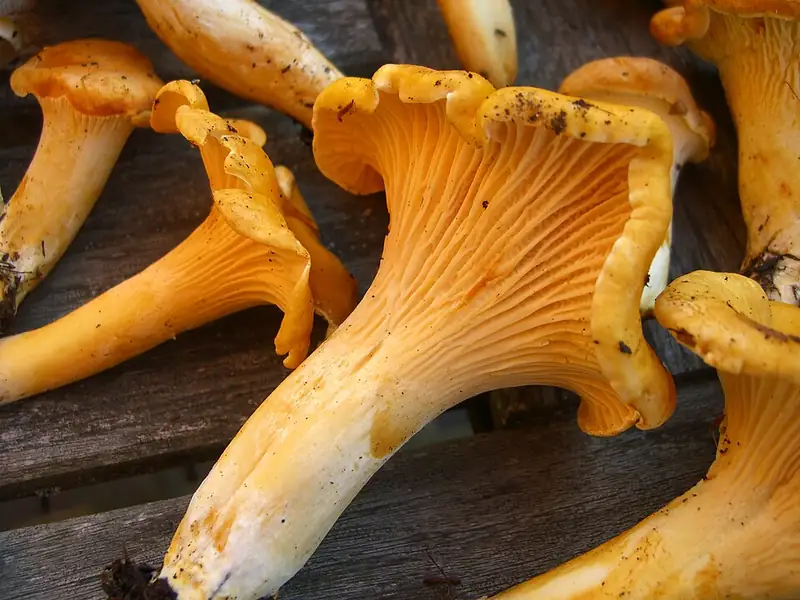 Fungus
 Golden chanterelle
Cantharellus formosus
A trumpet-shaped golden mushroom of Pacific Northwest conifer forests that lives joined to tree roots and trades food with the trees.
-
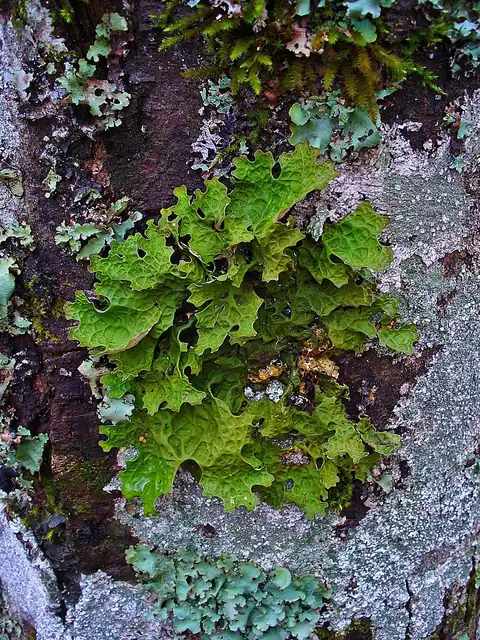 Fungus
 Lungwort lichen
Lobaria pulmonaria
A green, lettuce-like patch on old-growth trees that is three living things in one, and grows only where the air is clean.
-
 Bird
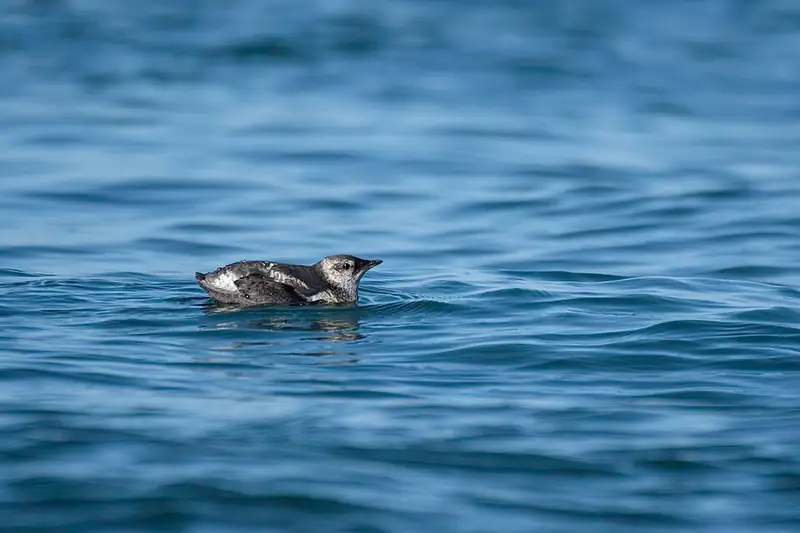
Bird Marbled murrelet
Brachyramphus marmoratus
A small seabird that nests far inland on a mossy old-growth limb, with no nest built around the egg, a nest nobody found until 1974.
-
 Fungus
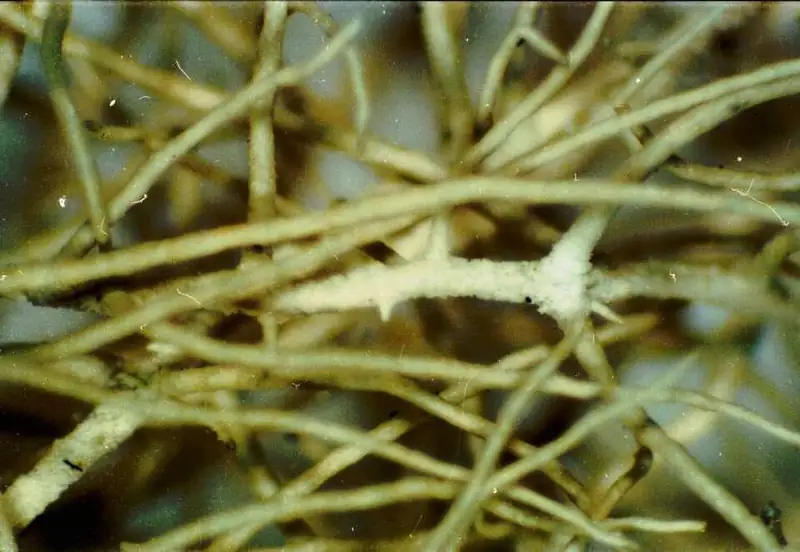
 Methuselah's beard lichen
Usnea longissima
The longest lichen in the world, hanging in pale green beards from old rainforest branches, and a winter food for deer and flying squirrels.
-
 Mammal
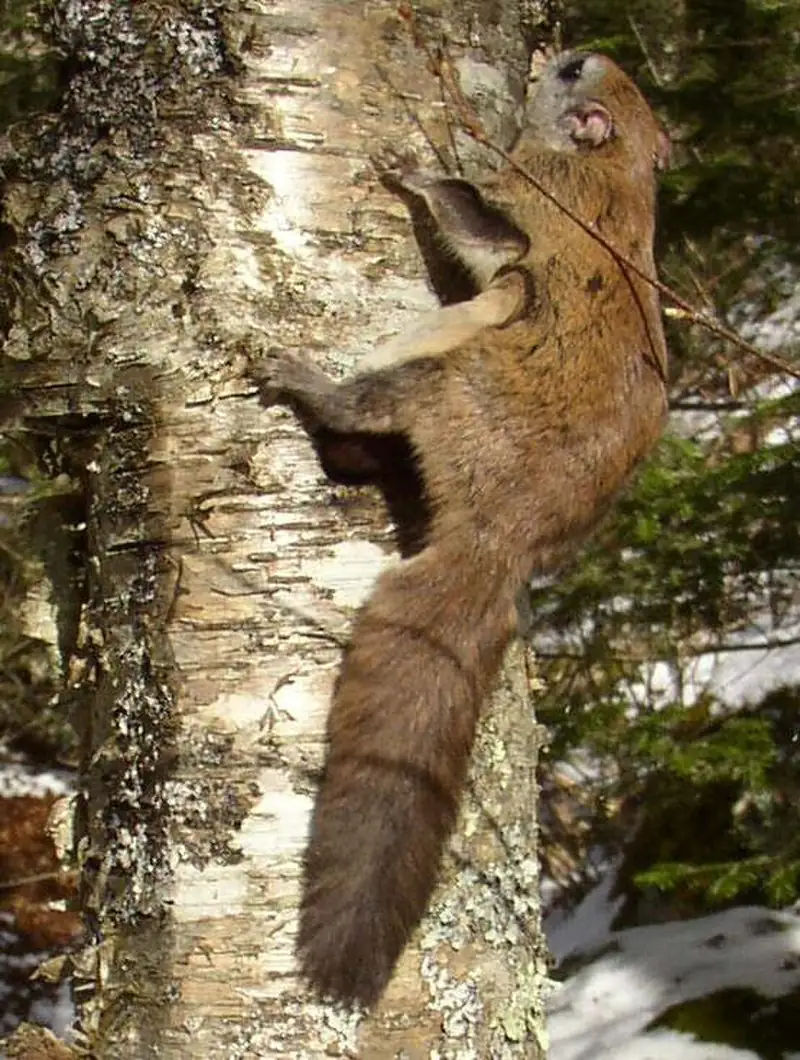
 Northern flying squirrel
Glaucomys sabrinus
A nocturnal glider of old-growth conifer forests that eats mostly underground fungus and, under a UV light, glows bubblegum pink.
-
 Reptile
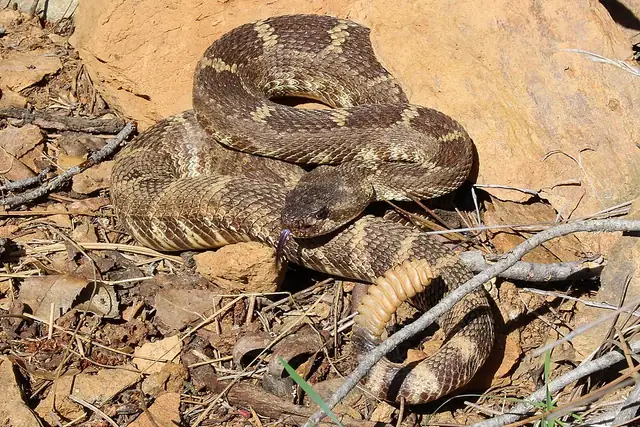
 Northern Pacific rattlesnake
Crotalus oreganus
The only rattlesnake in these Northern California volcanic parks, born fully venomous but silent, with a single button instead of a working rattle.
-
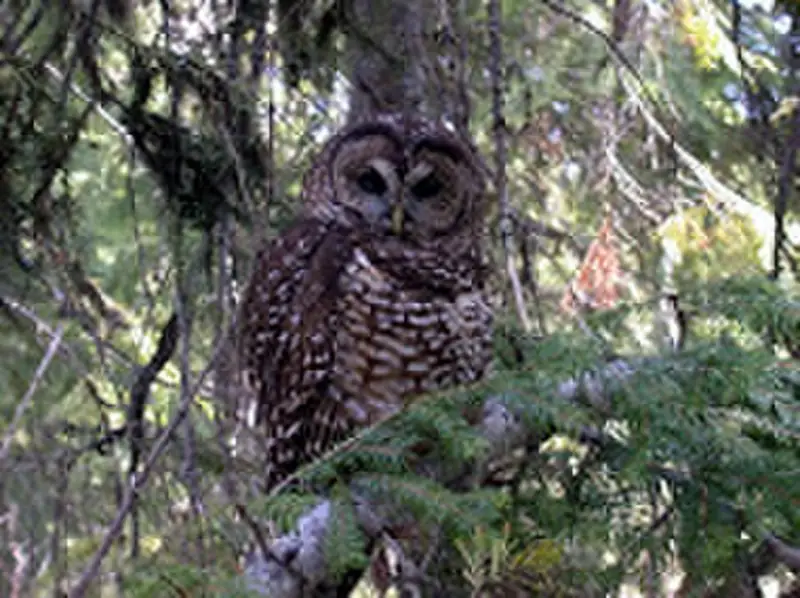 Bird
Bird Northern spotted owl
Strix occidentalis caurina
A nocturnal old-growth owl whose numbers keep falling even in protected forest, as a bigger relative from the East moves into its territory.
-
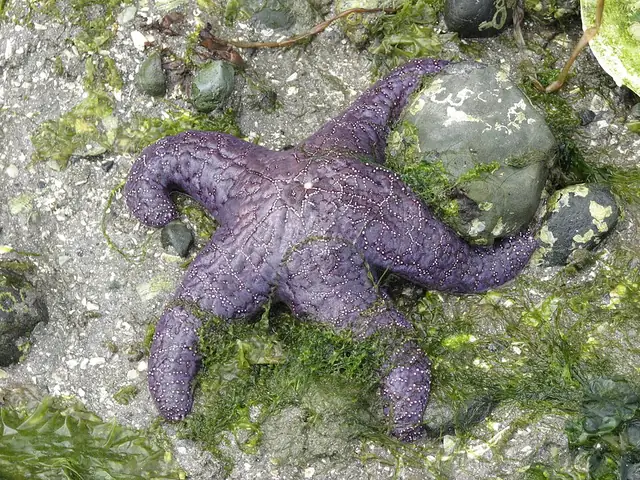 Invertebrate
 Ochre sea star
Pisaster ochraceus
The purple or orange five-armed star of Pacific tide pools whose appetite for mussels decides what everything else on the rock gets to be.
-
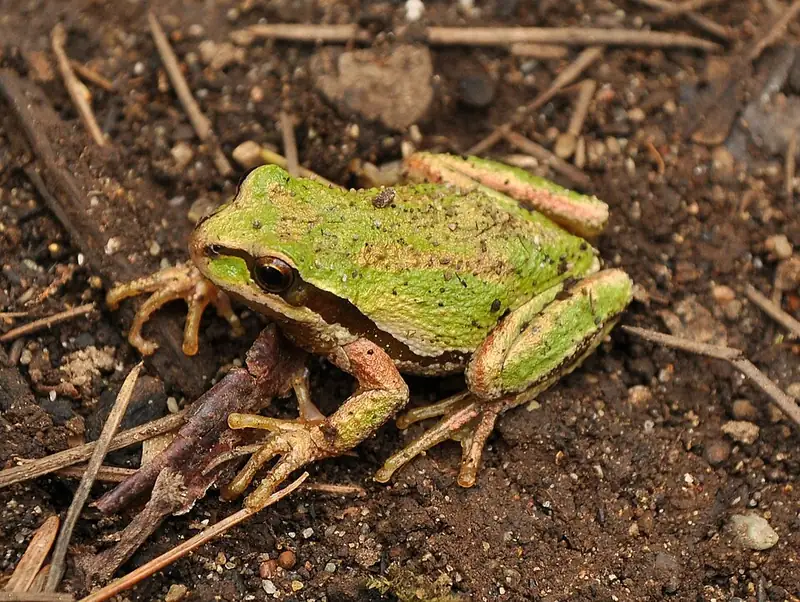 Amphibian
 Pacific chorus frog
Pseudacris regilla
A two-inch frog that shifts between green and brown and calls the ribbit Hollywood dubs onto night scenes everywhere, from sea level to alpine ponds.
-
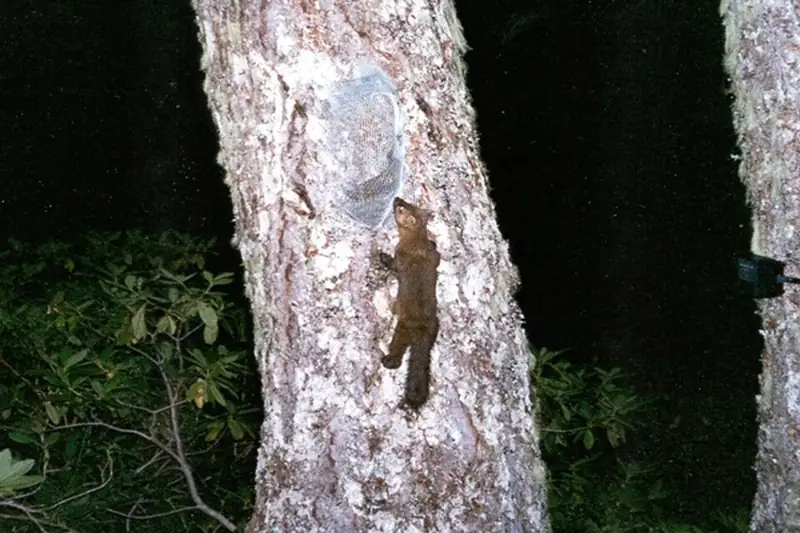 Mammal
 Pacific marten
Martes caurina
A tree-climbing weasel relative of the old-growth canopy, whose coastal population was feared extinct for 50 years before a trail camera caught one in 1996.
-
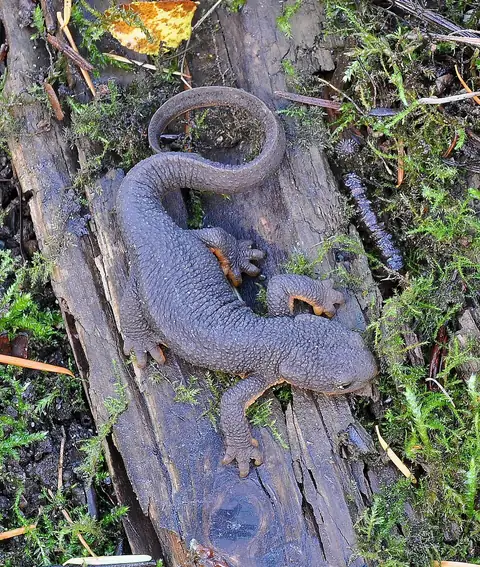 Amphibian
 Rough-skinned newt
Taricha granulosa
A brown, warty-skinned newt with a bright orange belly that carries enough poison to kill a person, found in ponds and wet forests across the Pacific Northwest.
-
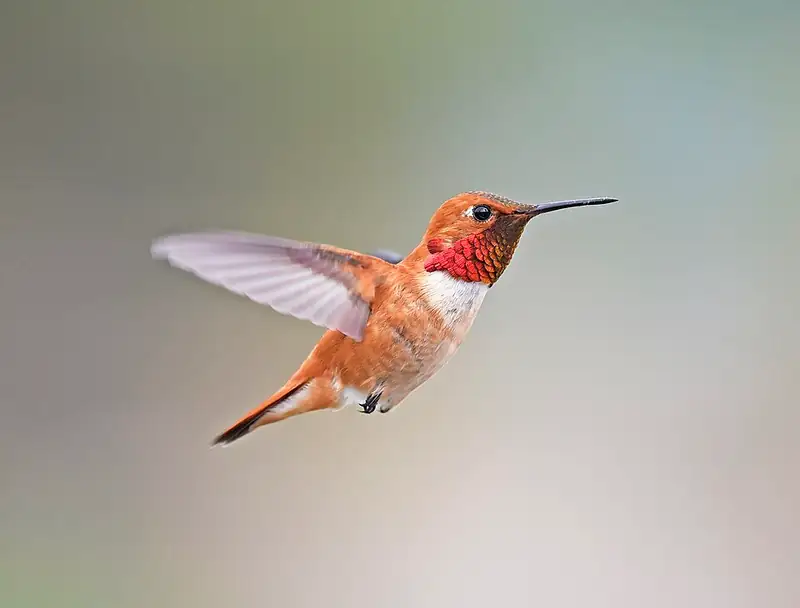 Bird
Bird Rufous hummingbird
Selasphorus rufus
A copper-orange hummingbird that flies farther, relative to its size, than almost any other bird on Earth, from Mexico to Alaska and back every year.
-
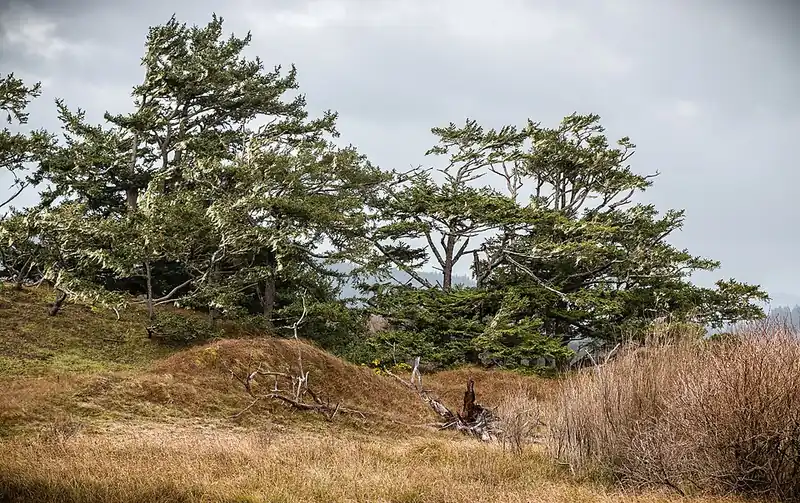 Plant
Plant Sitka spruce
Picea sitchensis
The giant of the coastal fog belt, whose light, strong wood built early airplanes, with needles sharp enough to prick your finger.
-
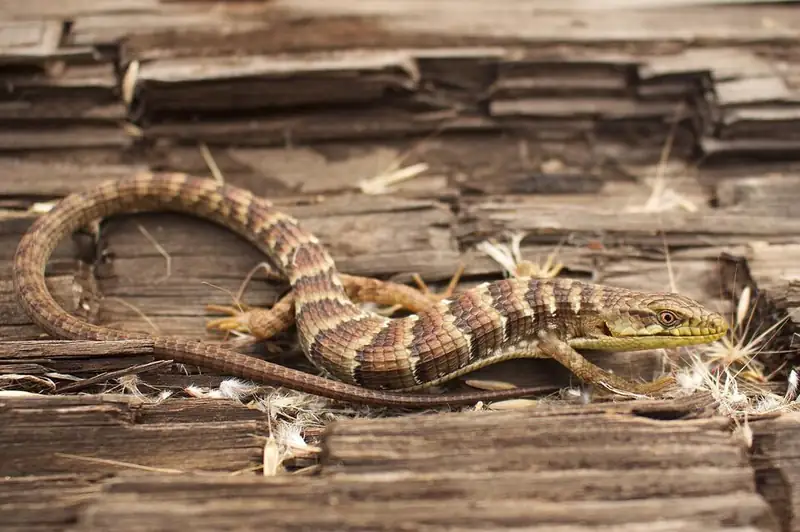 Reptile
 Southern alligator lizard
Elgaria multicarinata
A long, keeled-scale lizard that bites and holds on when grabbed, hunts black widow spiders, and can drop its tail and grow a new one.
-
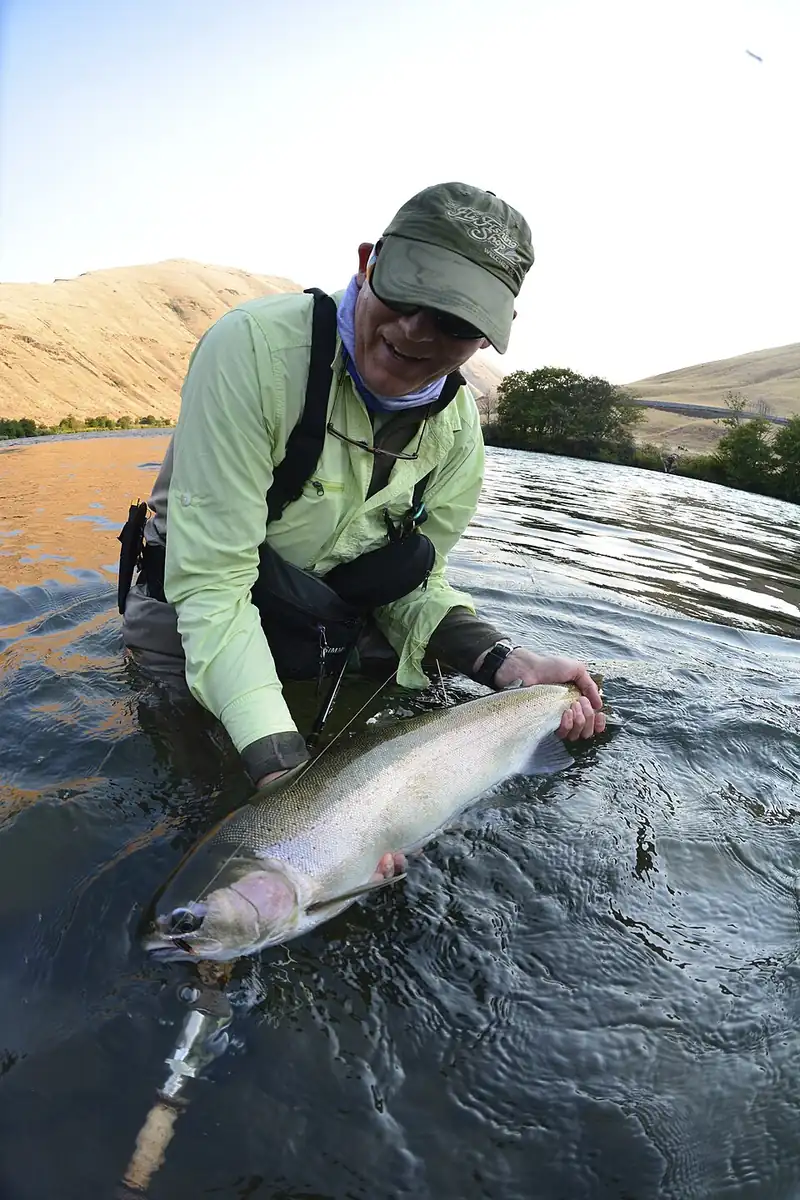 Fish
Fish Steelhead
Oncorhynchus mykiss
A rainbow trout that swims to the ocean and back, the one salmon-family fish here that can spawn more than once instead of dying after a single trip.
-
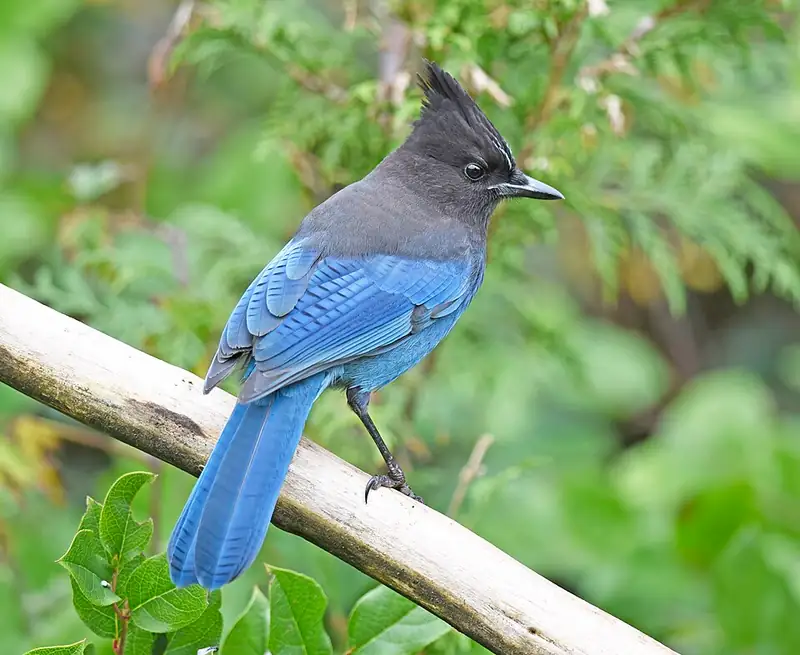 Bird
Bird Steller's jay
Cyanocitta stelleri
A deep-blue mountain jay with a black crest and a loud voice, the campground bird that will eye your sandwich at Yosemite, Sequoia, and Crater Lake.
-
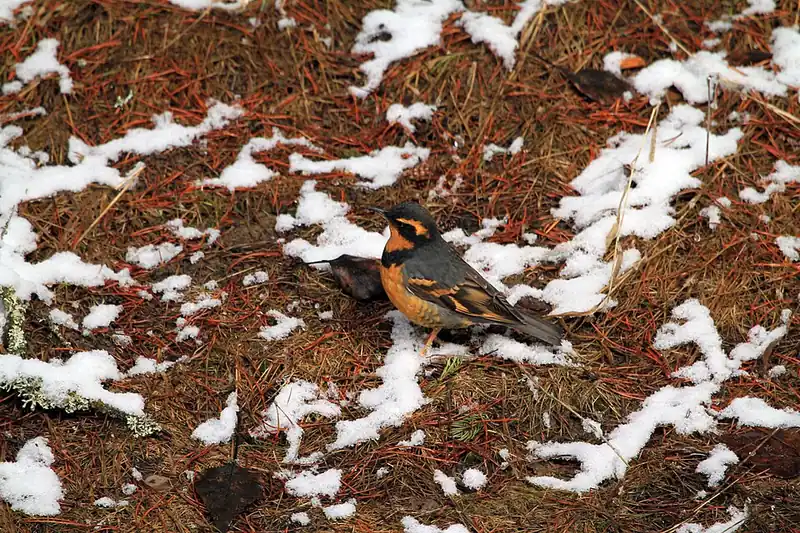 Bird
Bird Varied thrush
Ixoreus naevius
A ringing single whistle from deep, shaded old-growth forest, and a bird so well hidden most visitors only ever hear it.
-
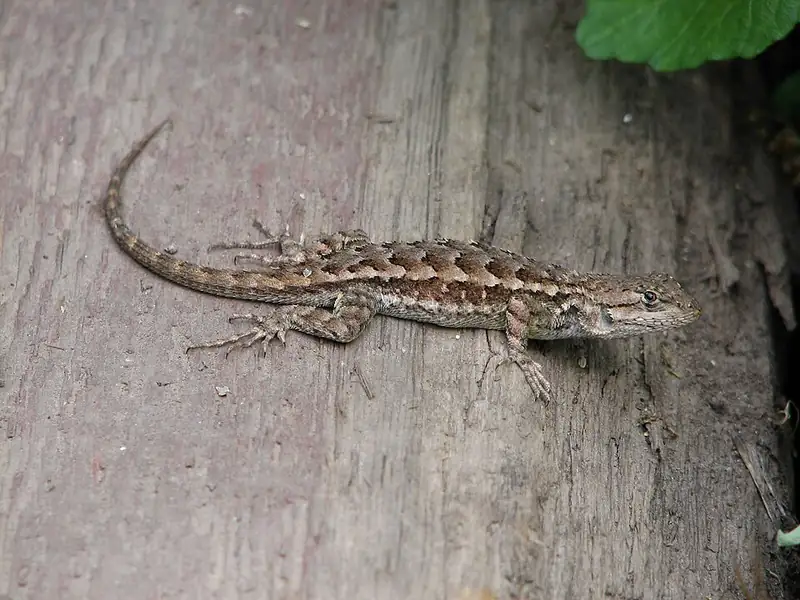 Reptile
 Western fence lizard
Sceloporus occidentalis
The blue-bellied lizard of West Coast rock walls and fence rails, whose blood carries a protein that kills the Lyme disease bacterium inside a feeding tick.
-
 Plant
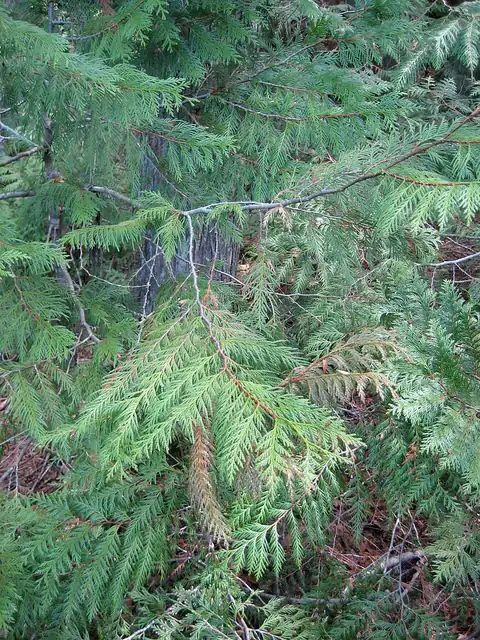
Plant Western red cedar
Thuja plicata
The great rainforest tree of the Northwest Coast, called the tree of life, used by Coast Salish and other nations for canoes, longhouses, and baskets.
-
 Plant
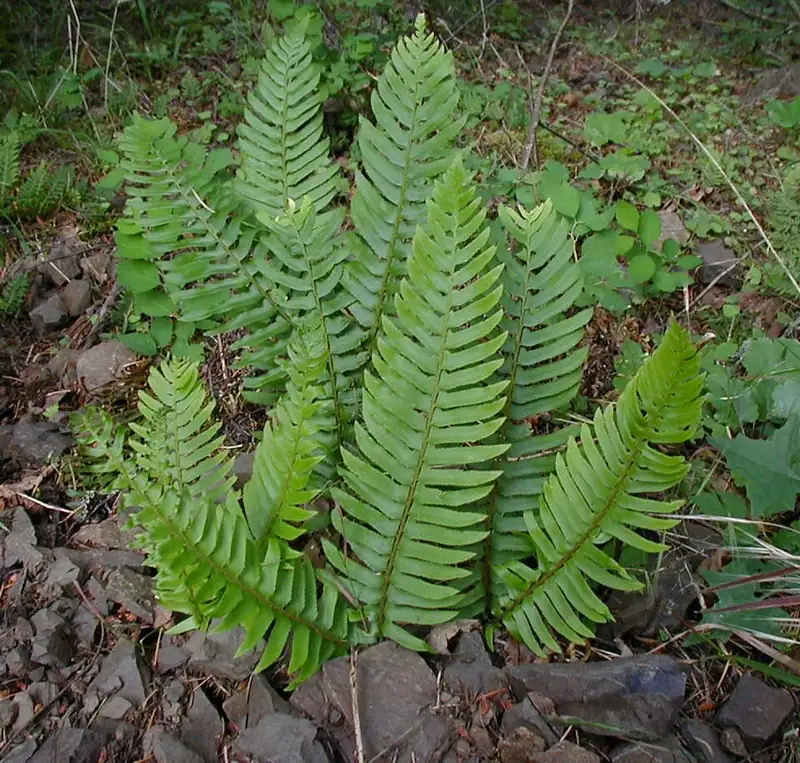
Plant Western sword fern
Polystichum munitum
The knee-high fern that carpets the Northwest rainforest floor in deep green all year, each leaflet marked with a little hilt like a tiny sword.
-
 Invertebrate
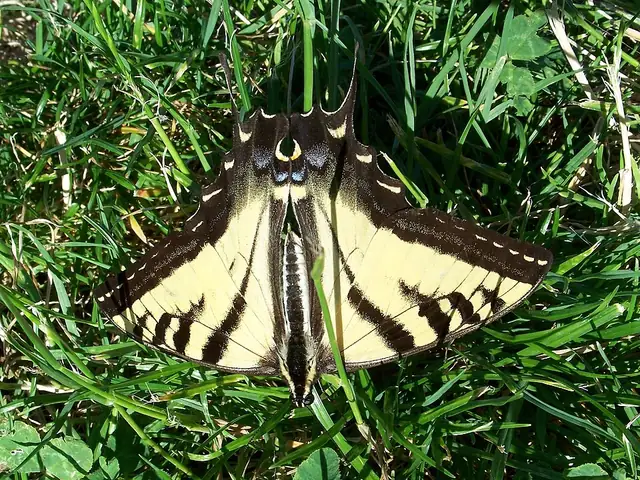
 Western tiger swallowtail
Papilio rutulus
The big yellow-and-black butterfly of western streamsides whose caterpillar wears fake snake eyes and flips out a stinky orange horn when scared.