Animals & Plants of Mesa Verde National Park
The 38 animals, plants, and fungi you can find at Mesa Verde National Park, with sizes, diets, and whether you should worry. See the full park guide at Mesa Verde National Park.
Mesa Verde is a high mesa covered in pinyon and Utah juniper, the same woodland the Ancestral Pueblo people lived beside. Pinyon jays harvest the pine nuts, mule deer and wild turkeys browse the canyon rims, and plateau fence lizards and collared lizards bask on the sandstone. Peregrine falcons and golden eagles hunt the canyons below the cliff dwellings.
Common questions
Which Mesa Verde animals demand real distance?
At Mesa Verde National Park, give space to American black bear, Mountain lion, Elk, Prairie rattlesnake, and Coyote. American black bear: Black bears are usually shy and would rather leave than meet you. Mountain lion: Confrontations are very rare — even in Yellowstone, with a healthy population, few have ever been documented. Elk: Elk look calm but they are large and wild. Prairie rattlesnake: It is the only dangerously venomous snake at Yellowstone, Badlands, Theodore Roosevelt, and Wind Cave. Coyote: Coyotes almost always run from people. (per NPS species pages).
What do the Mesa Verde animals eat?
At Mesa Verde National Park, the most interesting eaters are Pinyon jay, Mountain lion, Golden eagle, and Bald eagle. Pinyon jay eats pinyon pine seeds, insects, seeds it cached in earlier seasons. Mountain lion eats elk, deer, marmots, porcupines. Golden eagle eats rabbits, hares, ground squirrels, marmots, ptarmigan. Bald eagle eats fish, ducks, gulls, small mammals, carrion. (per NPS species pages).
Which Mesa Verde species has the strangest true fact?
The strangest true thing about Mesa Verde National Park: Utah juniper: Pinyon-juniper woodlands are also among the largest plant communities at Mesa Verde. Two-needle pinyon: Pinyon-juniper woodland is one of the largest plant communities at Mesa Verde. (per NPS species pages).
Anything here that bites?
Venomous
- Prairie rattlesnake: It is the only dangerously venomous snake at Yellowstone, Badlands, Theodore Roosevelt, and Wind Cave.
Keep away
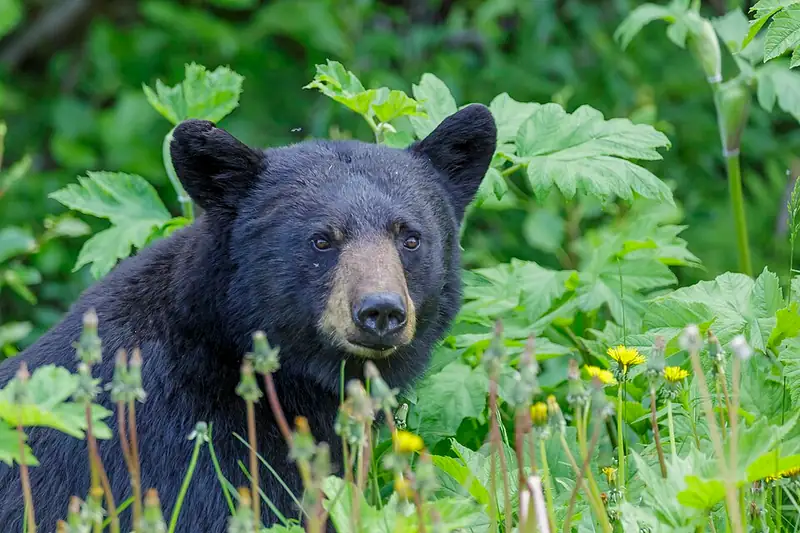
- American black bear: Black bears are usually shy and would rather leave than meet you.
- Bobcat: Very low.
- Coyote: Coyotes almost always run from people.
- Elk: Elk look calm but they are large and wild.
- Feral horse: Yes, keep your distance.
- Mountain lion: Confrontations are very rare — even in Yellowstone, with a healthy population, few have ever been documented.
- Mule deer: Mule deer look calm and tame, but they are wild animals with sharp hooves, and bucks have antlers in fall.
Bites if handled
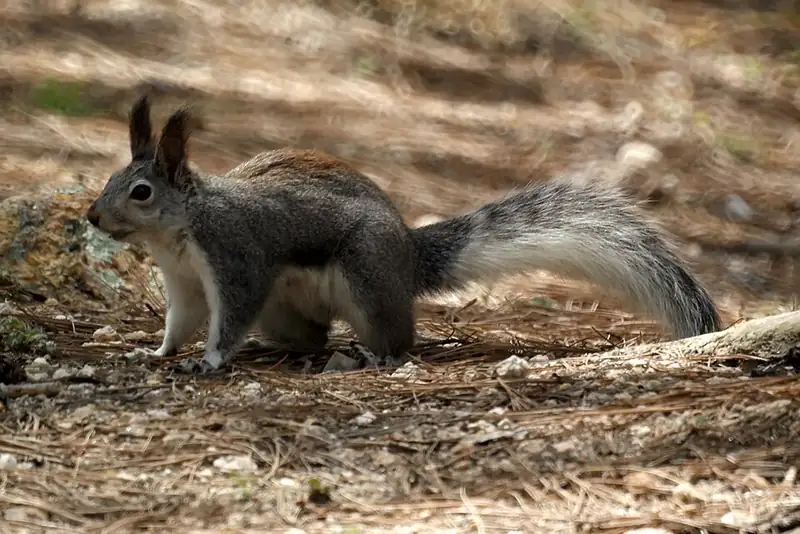
- Abert's squirrel: Harmless and shy.
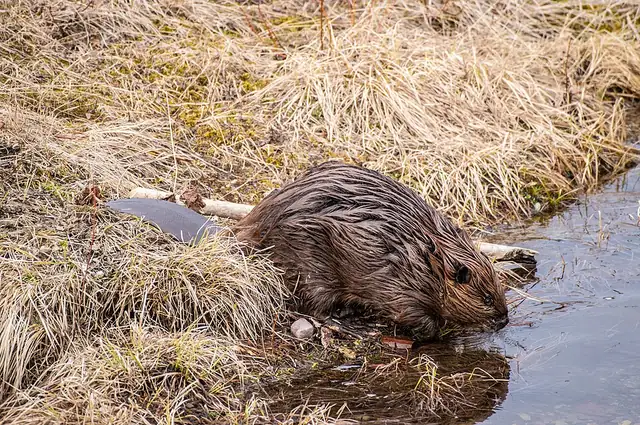
- American beaver: Beavers are shy and would rather swim off than confront anyone.
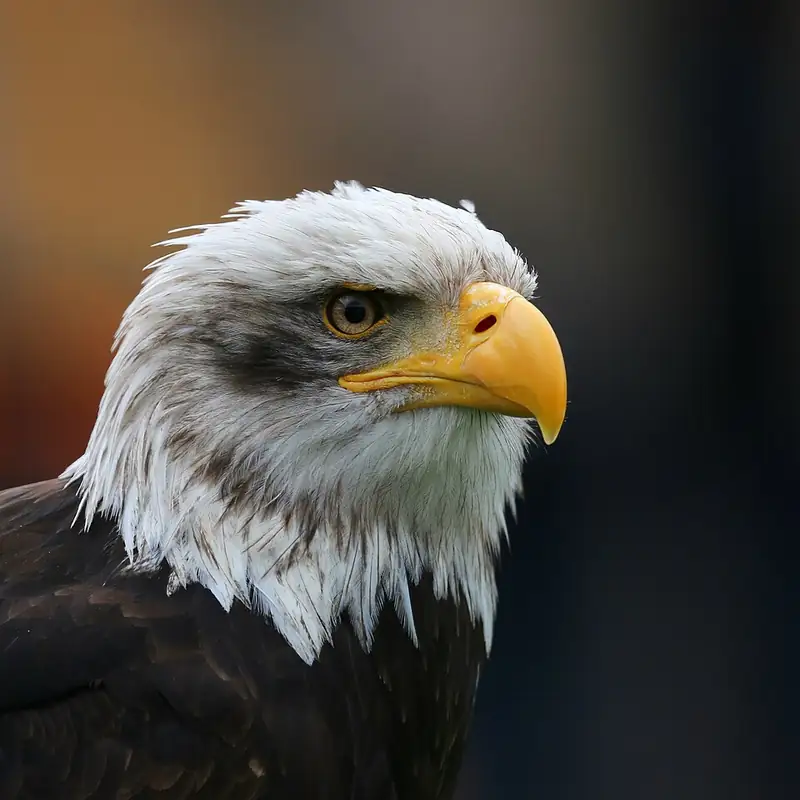
- Bald eagle: A bald eagle will not come after you.
- Black-tailed jackrabbit: Harmless.
- Common collared lizard: This lizard is not dangerous.
- Golden eagle: A golden eagle will not come after a person.
- Golden-mantled ground squirrel: None.
- Great horned owl: This owl hunts small animals at night and will not come after you.
- Greater short-horned lizard: Not dangerous.
- Peregrine falcon: None to worry about.
- Plateau fence lizard: No venom, and harmless if left alone.
- Red-tailed hawk: None.
- Sagebrush lizard: This lizard has no venom, and its main defense is running.
- Turkey vulture: None directly — it eats only dead animals and avoids people.
- Western terrestrial garter snake: Essentially harmless.
- Wild turkey: A turkey will walk away from you long before you get close, and the only real trouble comes from feeding one.
- Yellow-bellied marmot: Marmots are not dangerous, but they are wild and can bite if you corner or try to grab one.
Everything else on this page is harmless. What each group means.
-
 Mammal
 Abert's squirrel
Sciurus aberti
A tasseled-eared squirrel of ponderosa pine forests at Mesa Verde, Rocky Mountain, and Great Sand Dunes, nicknamed the scrabbit.
-
 Mammal
 American beaver
Castor canadensis
North America's largest rodent, a keystone species whose dams reshape whole streams at Yellowstone, Glacier, and ten other parks along the route.
-
 Mammal
 American black bear
Ursus americanus
The bear you're most likely to meet east of the Rockies, a strong tree-climber that eats mostly plants and comes in black, brown, or cinnamon.
-
 Bird
Bird Bald eagle
Haliaeetus leucocephalus
The white-headed fish hawk that is the national bird of the United States, common along the lakes of Voyageurs and the coasts of Olympic and Katmai.
-
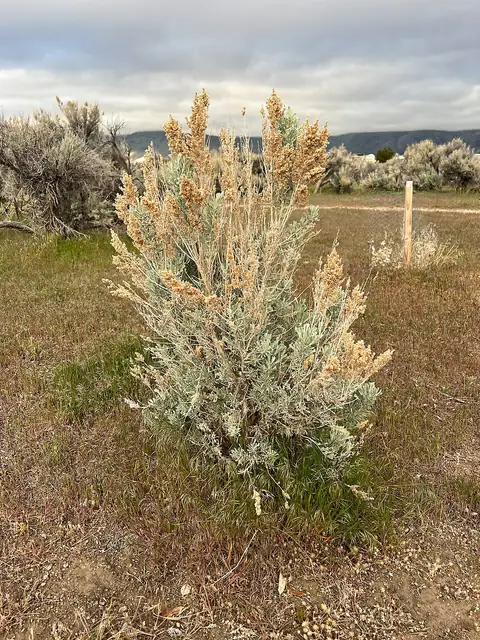 Plant
Plant Big sagebrush
Artemisia tridentata
The silver-leaved, sharp-smelling evergreen shrub of the high desert West, and the main food of the greater sage-grouse nearly all year.
-
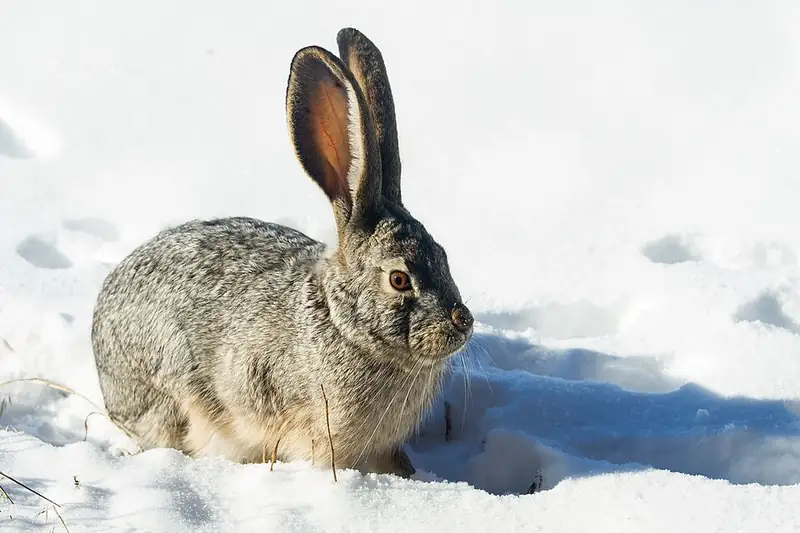 Mammal
 Black-tailed jackrabbit
Lepus californicus
A big-eared hare of Joshua Tree and Lava Beds that dumps body heat through its ears and outruns coyotes in zigzags at 40 miles an hour.
-
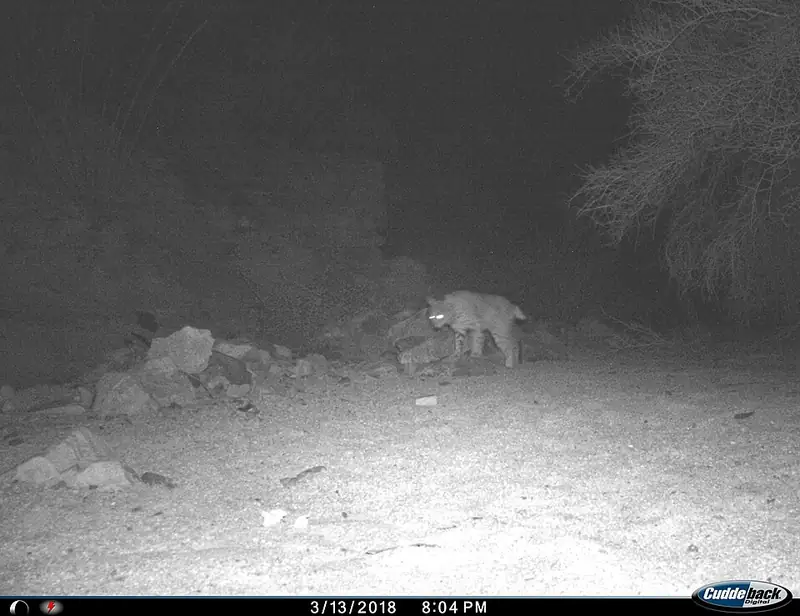 Mammal
 Bobcat
Lynx rufus
A small wildcat about twice the size of a house cat, common but rarely seen, that can bring down prey many times its own weight.
-
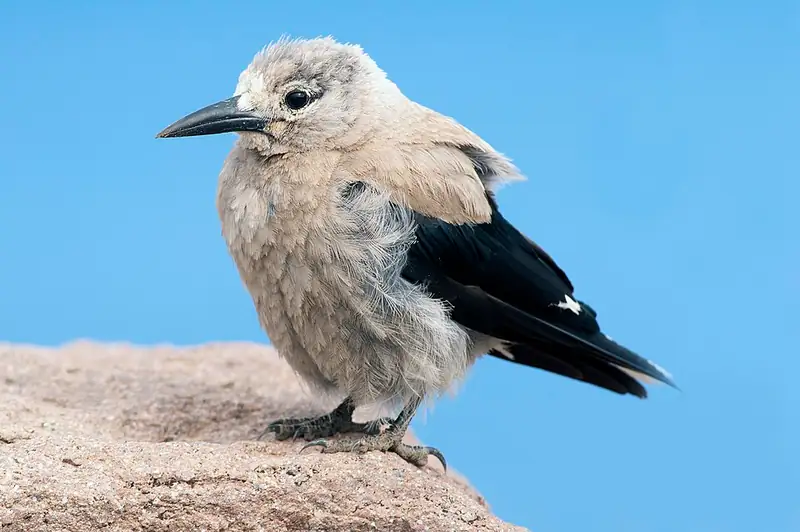 Bird
Bird Clark's nutcracker
Nucifraga columbiana
A pale-gray, black-winged cousin of the crow that hides tens of thousands of pine seeds each fall and remembers where to find them again.
-
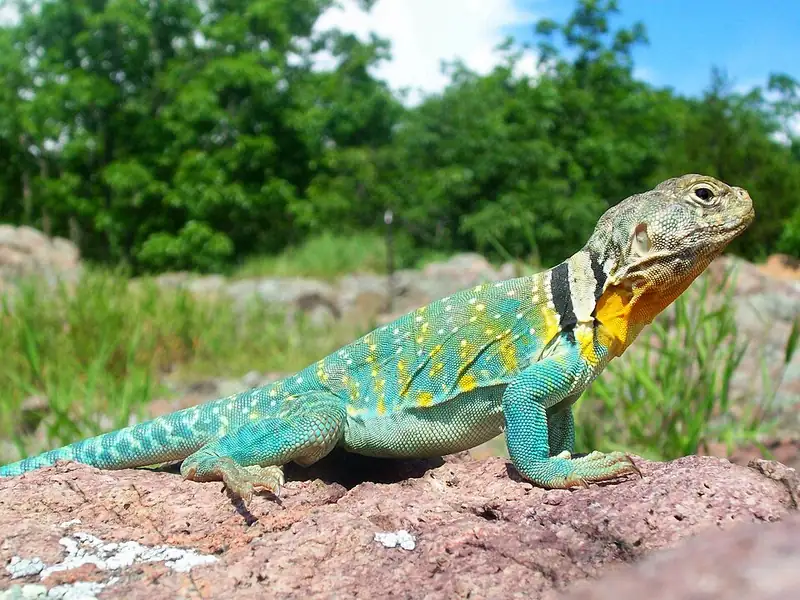 Reptile
 Common collared lizard
Crotaphytus collaris
A bright, big-headed lizard with two black neck bands that can sprint on its back legs like a tiny dinosaur across the slickrock at Arches and Canyonlands.
-
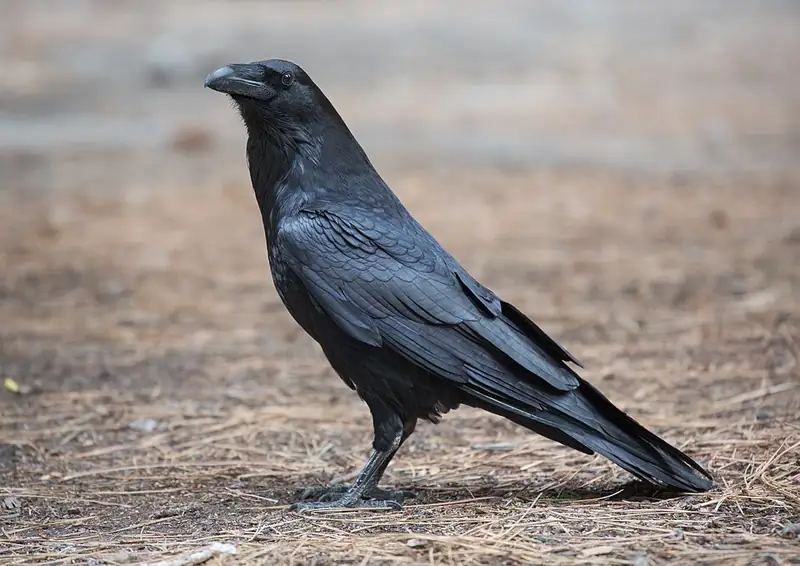 Bird
Bird Common raven
Corvus corax
A big, glossy-black problem-solver that rolls and tumbles over the cliffs of Grand Canyon, Arches, and the desert parks, watching for its next meal.
-
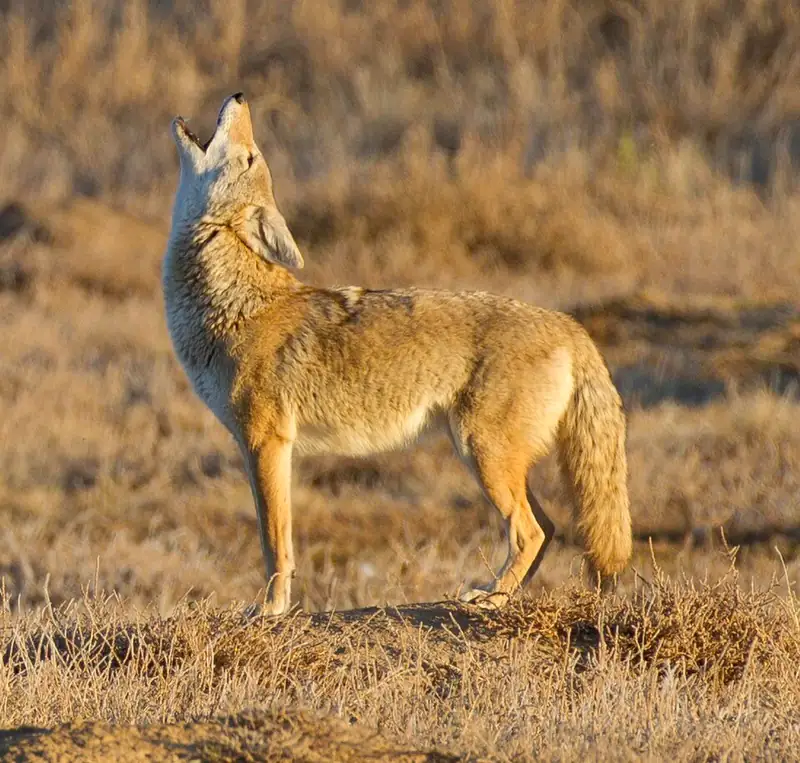 Mammal
 Coyote
Canis latrans
The wild dog you're most likely to hear at a national park — a coyote, at home in the desert, the mountains, and the edges of towns.
-
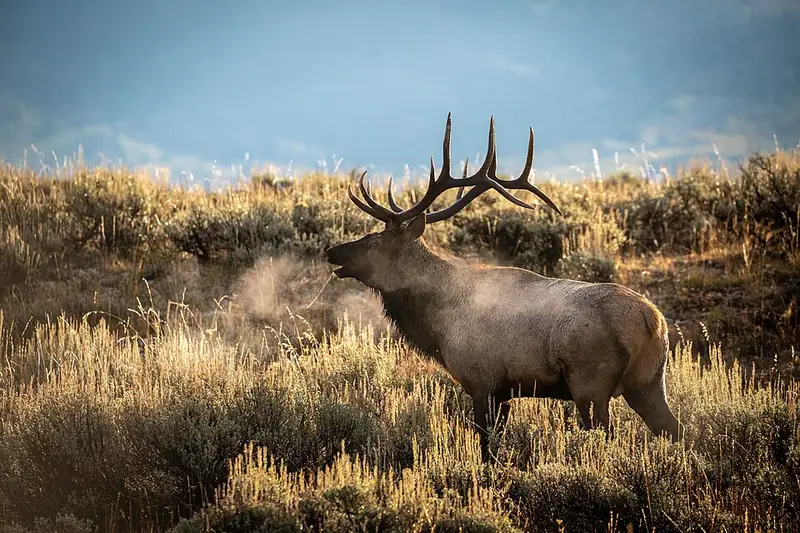 Mammal
 Elk
Cervus canadensis
A large deer of mountain meadows whose bulls grow branching antlers and, each fall, bugle a high whistling call across the valley.
-
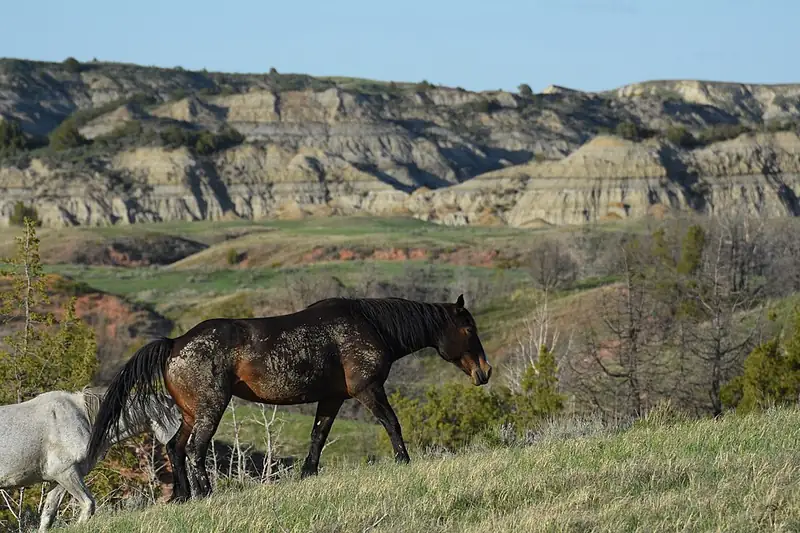 Mammal
 Feral horse
Equus ferus caballus
Ranch horses turned loose on the open range and never gathered back. Their descendants live in Theodore Roosevelt's South Unit as feral livestock.
-
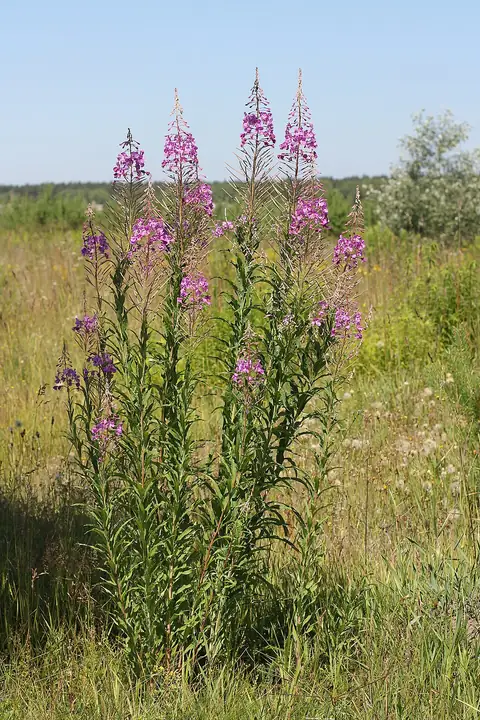 Plant
Plant Fireweed
Chamerion angustifolium
A tall pink-purple wildflower that is often the first color to return to a burned mountainside.
-
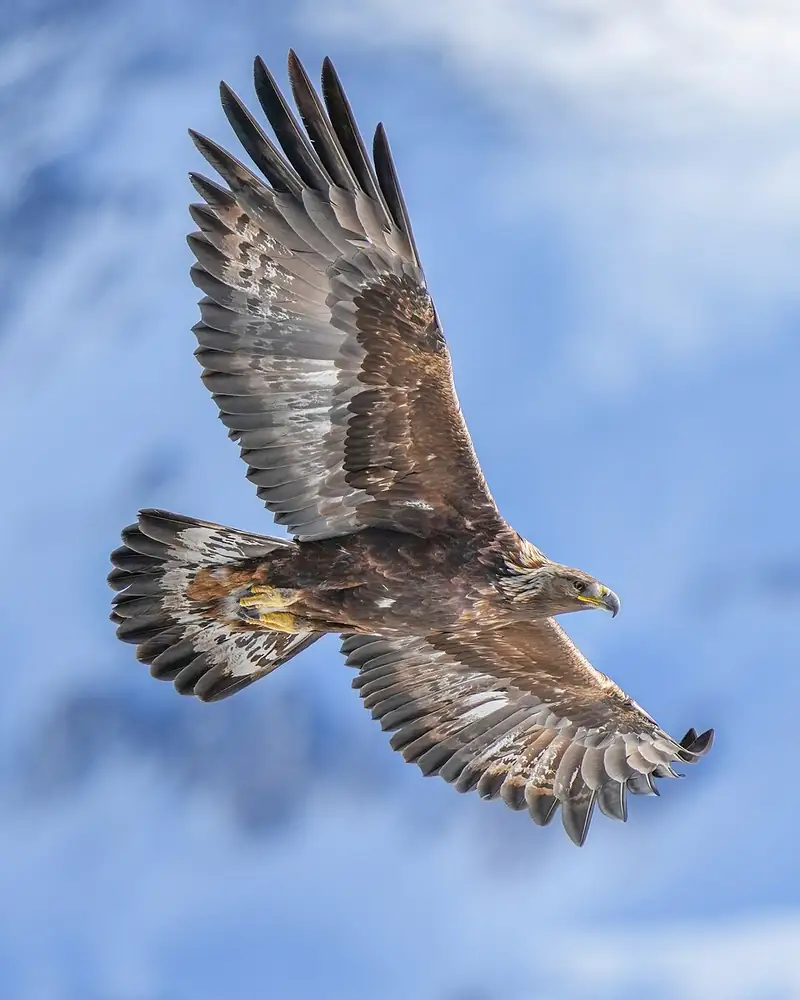 Bird
Bird Golden eagle
Aquila chrysaetos
A dark brown eagle with golden neck feathers that hunts rabbits and hares across open country, nesting on cliffs in Denali, Death Valley, and Great Basin.
-
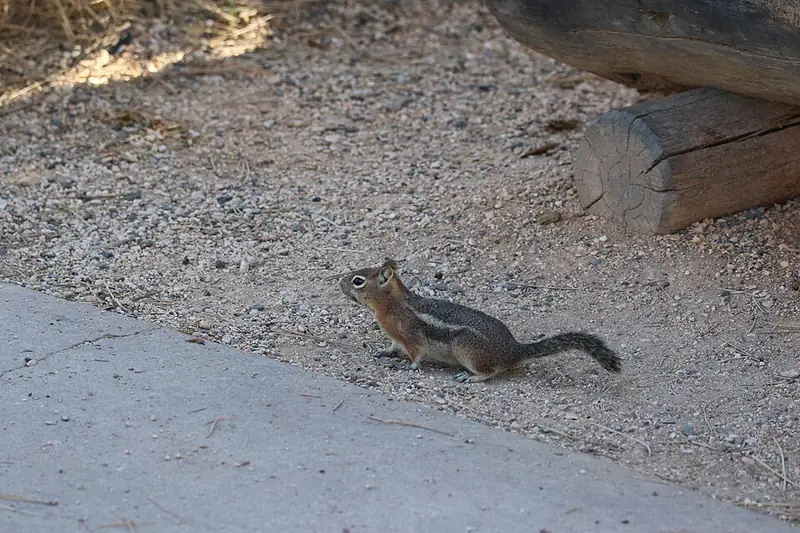 Mammal
 Golden-mantled ground squirrel
Callospermophilus lateralis
A chipmunk-lookalike ground squirrel with a reddish-gold head and shoulders and no face stripes, common on rocks and trailsides from Glacier to Mesa Verde.
-
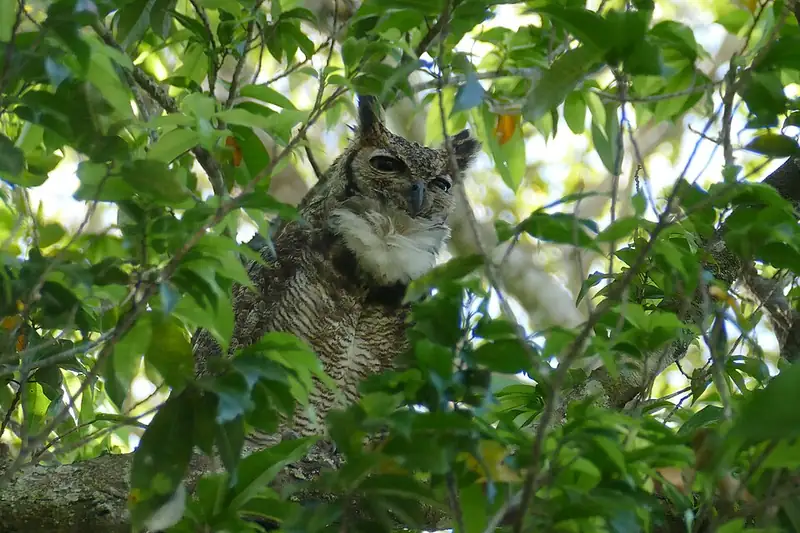 Bird
Bird Great horned owl
Bubo virginianus
A big night hunter with feathery "horns" and a deep hoot, found from the saguaro desert to the Everglades, hunting after dark on silent wings.
-
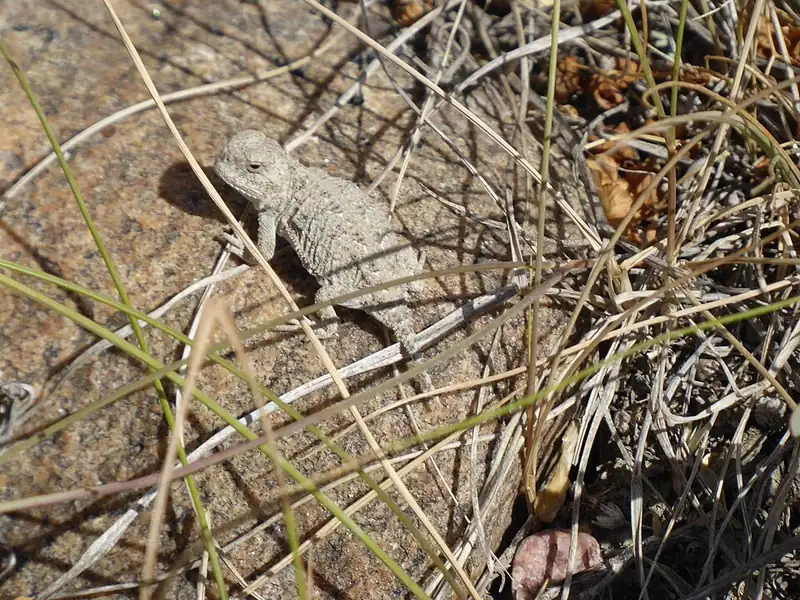 Reptile
 Greater short-horned lizard
Phrynosoma hernandesi
A flat, spiky, dirt-colored lizard, sometimes called a horned toad, that can squirt blood from its eyes at a coyote and gives birth to live young.
-
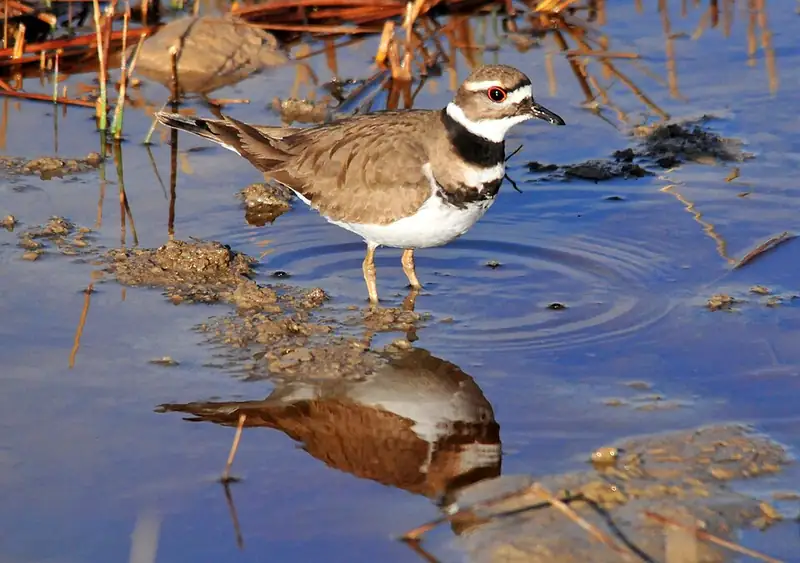 Bird
Bird Killdeer
Charadrius vociferus
A shorebird that lives nowhere near a shore. At Badlands we never saw one. We heard it call its own name across the campground.
-
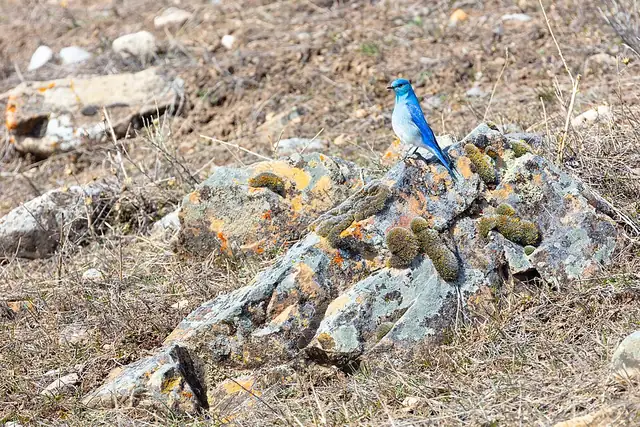 Bird
Bird Mountain bluebird
Sialia currucoides
A sky-blue thrush of high, open country, the only bluebird seen regularly above 5,000 feet, nesting in lava-rock crevices at Craters of the Moon.
-
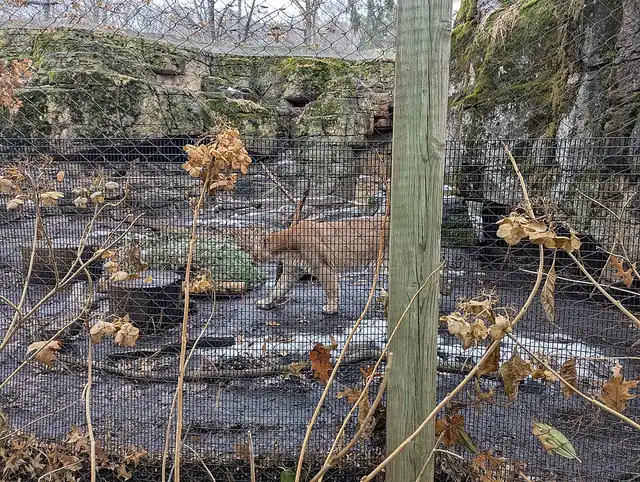 Mammal
 Mountain lion
Puma concolor
A tan, solitary big cat found from Glacier to Mesa Verde, called cougar, puma, or panther by region, and rarely seen at all.
-
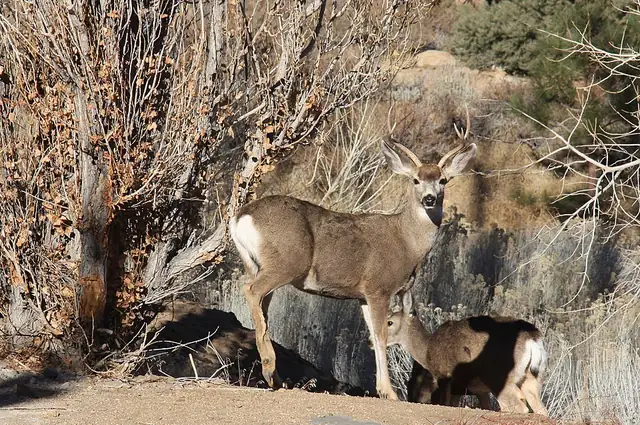 Mammal
 Mule deer
Odocoileus hemionus
A western deer named for its big mule-like ears, common along canyon rims and desert washes in Grand Canyon, Zion, Yosemite, and Saguaro.
-
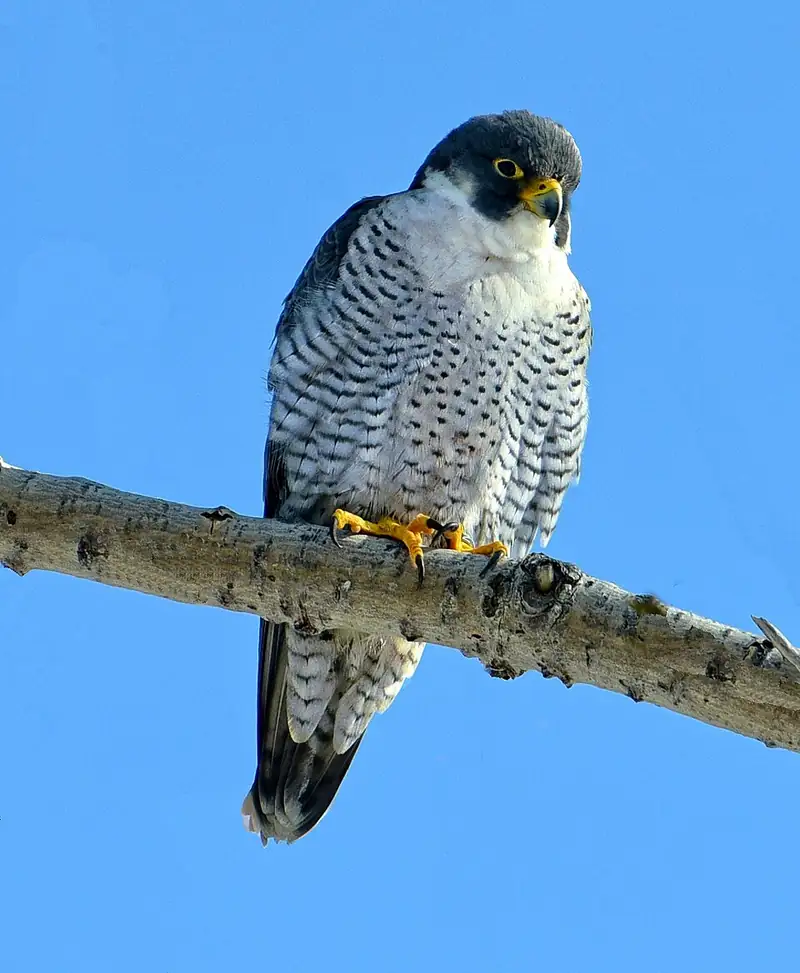 Bird
Bird Peregrine falcon
Falco peregrinus
The fastest animal alive, a crow-sized falcon that folds its wings and stoops on other birds in midair, and a species that nearly vanished before recovering.
-
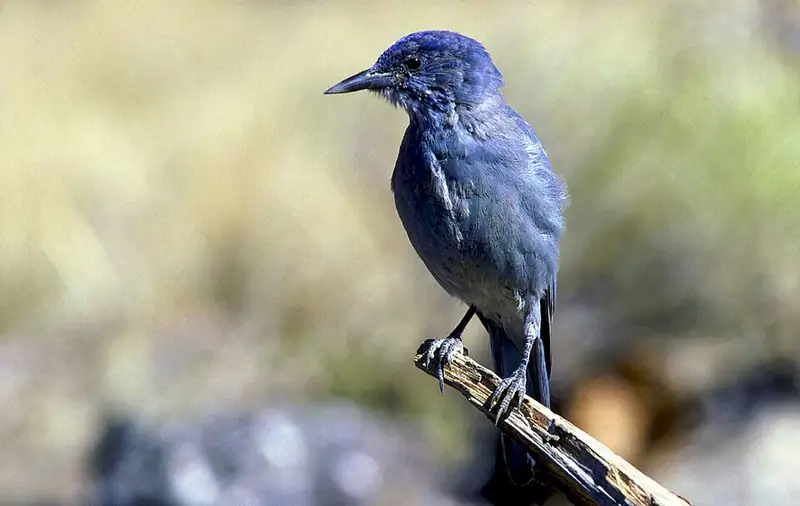 Bird
Bird Pinyon jay
Gymnorhinus cyanocephalus
A dusty-blue crow relative that travels Mesa Verde and Black Canyon in loud flocks, burying pine seeds it will dig up again later.
-
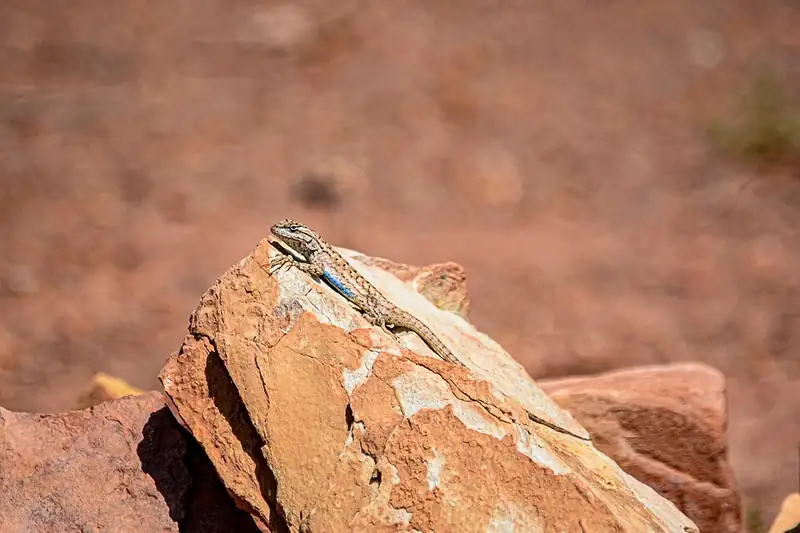 Reptile
 Plateau fence lizard
Sceloporus tristichus
A gray-brown lizard with blue belly patches on the males, sharing sunny rock at Mesa Verde and Black Canyon with the flashier collared lizard.
-
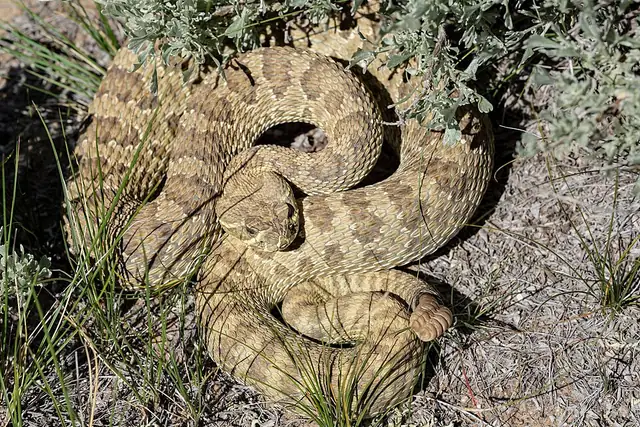 Reptile
 Prairie rattlesnake
Crotalus viridis
A gray-green pit viper with a buzzing rattle, the only venomous reptile at several of the parks it shares with prairie dogs and badgers.
-
 Bird
Bird Red-tailed hawk
Buteo jamaicensis
The hawk most often recorded in Yellowstone. We watched a hawk take a pika near the Roosevelt cabins and could not tell you which hawk it was.
-
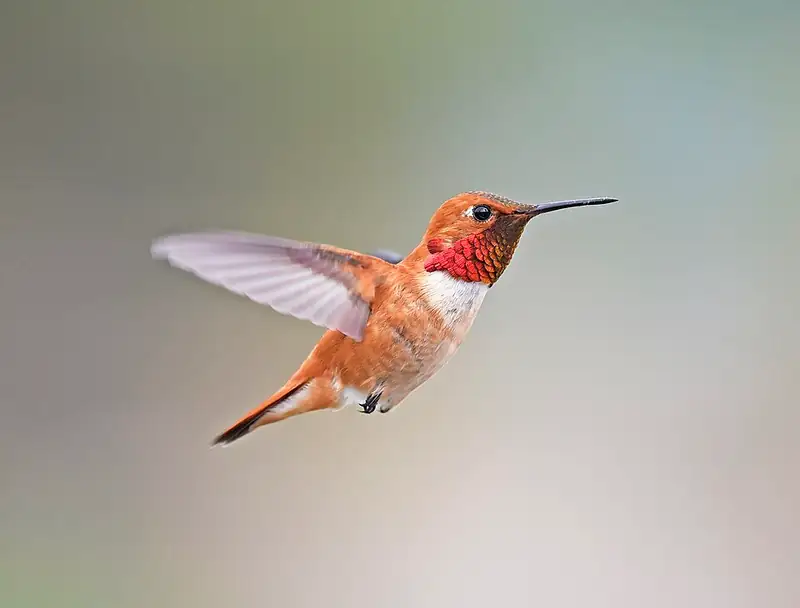 Bird
Bird Rufous hummingbird
Selasphorus rufus
A copper-orange hummingbird that flies farther, relative to its size, than almost any other bird on Earth, from Mexico to Alaska and back every year.
-
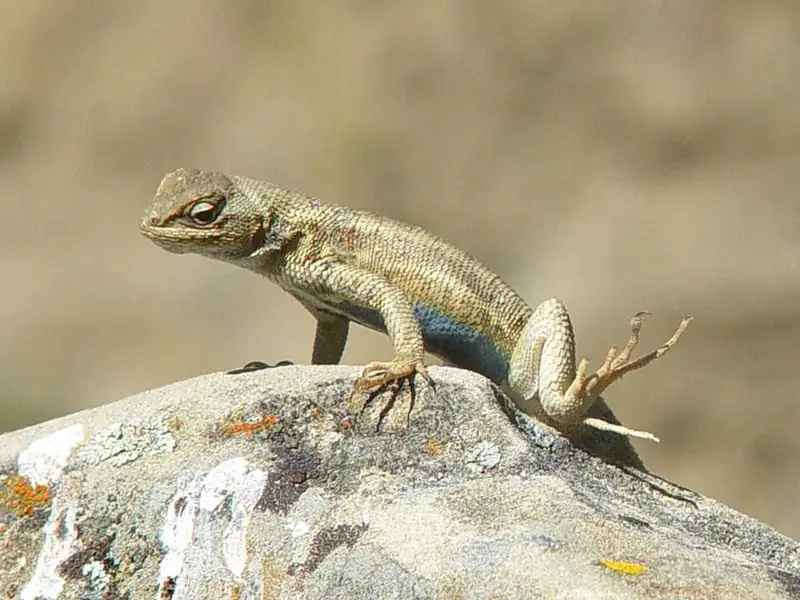 Reptile
 Sagebrush lizard
Sceloporus graciosus
A small, slender, high-country lizard, the fence lizard's cousin, whose males flash blue belly and throat patches in a push-up display.
-
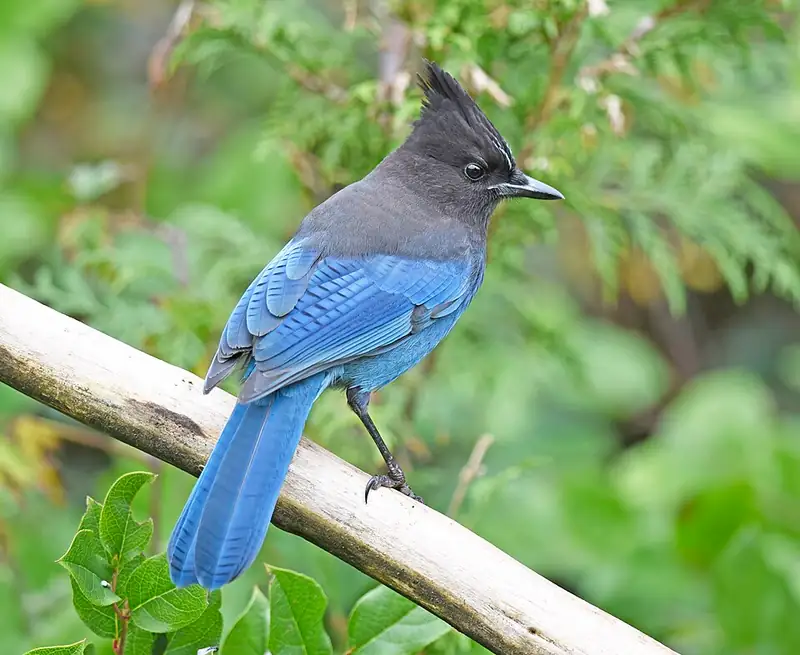 Bird
Bird Steller's jay
Cyanocitta stelleri
A deep-blue mountain jay with a black crest and a loud voice, the campground bird that will eye your sandwich at Yosemite, Sequoia, and Crater Lake.
-
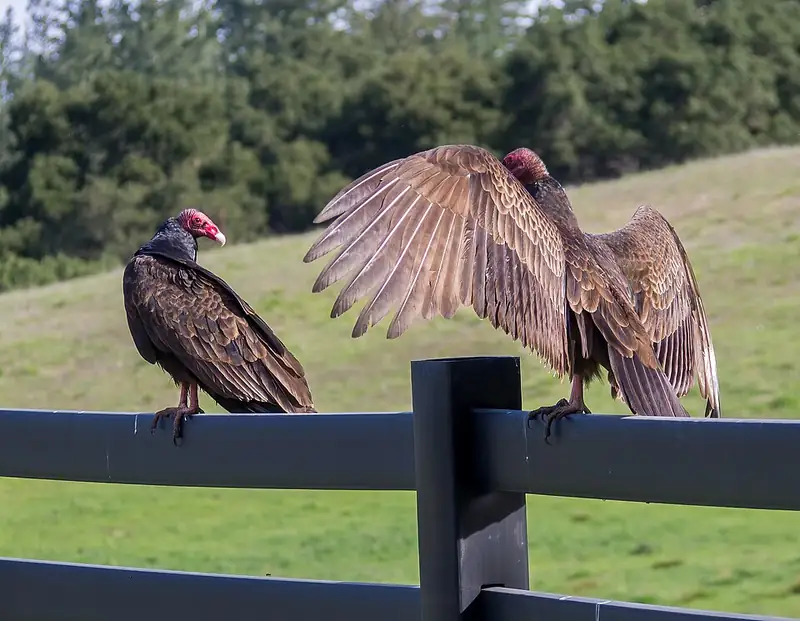 Bird
Bird Turkey vulture
Cathartes aura
A large, dark soaring bird with a bare red head, circling on thermals over open country, using one of the sharpest noses of any bird.
-
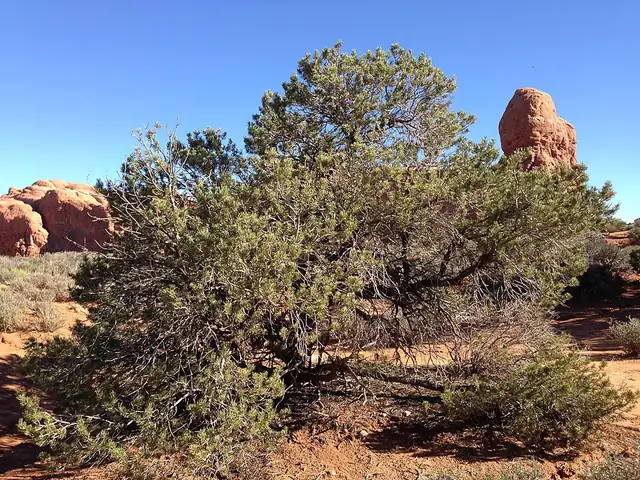 Plant
Plant Two-needle pinyon
Pinus edulis
A short, gnarled pine of the drier Southwest, growing at Mesa Verde, Black Canyon, and Great Sand Dunes, with nuts a jay plants by forgetting them.
-
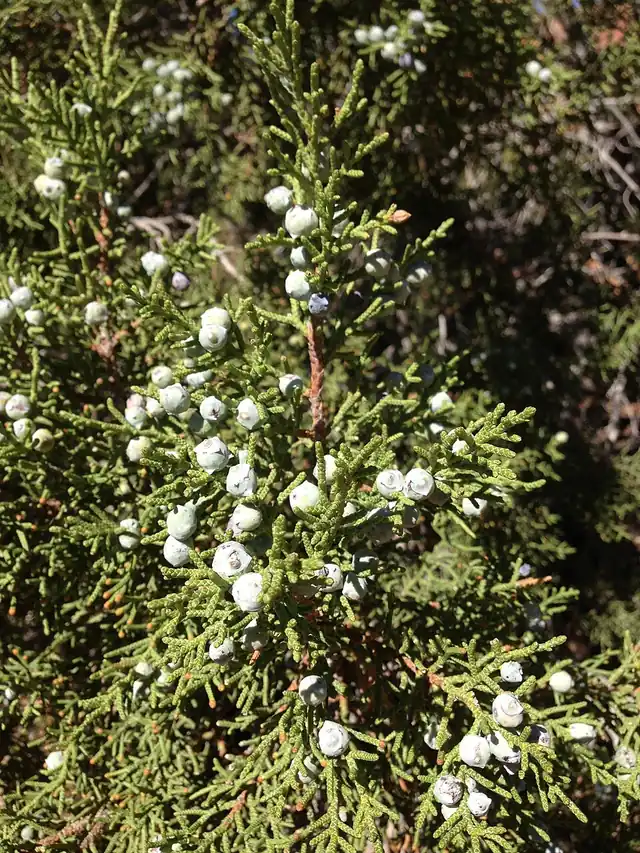 Plant
Plant Utah juniper
Juniperus osteosperma
A short, twisted evergreen of dry canyon country, rooting in cracked rock at Mesa Verde, Black Canyon, and the Craters of the Moon lava fields.
-
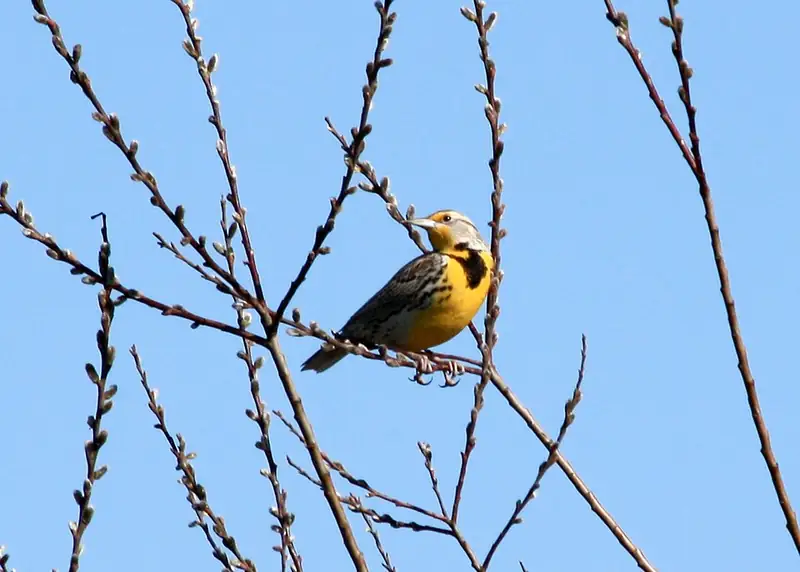 Bird
Bird Western meadowlark
Sturnella neglecta
A grassland songbird with a yellow throat and a black V on its chest, the state bird of Montana, Wyoming, and North Dakota.
-
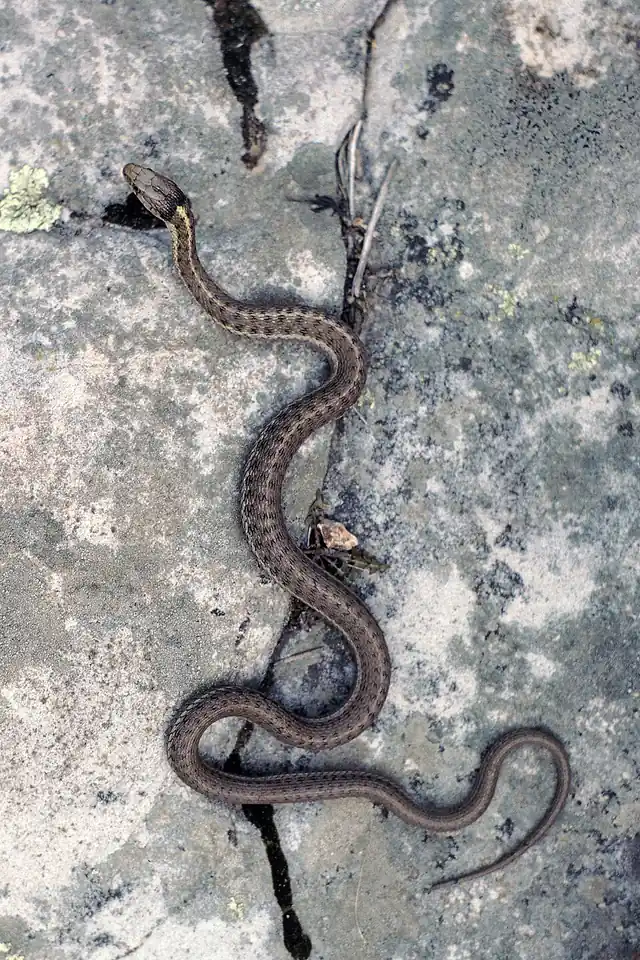 Reptile
 Western terrestrial garter snake
Thamnophis elegans
A slim, striped snake found from stream banks to talus slopes across ten of these parks, and the most commonly seen reptile in several of them.
-
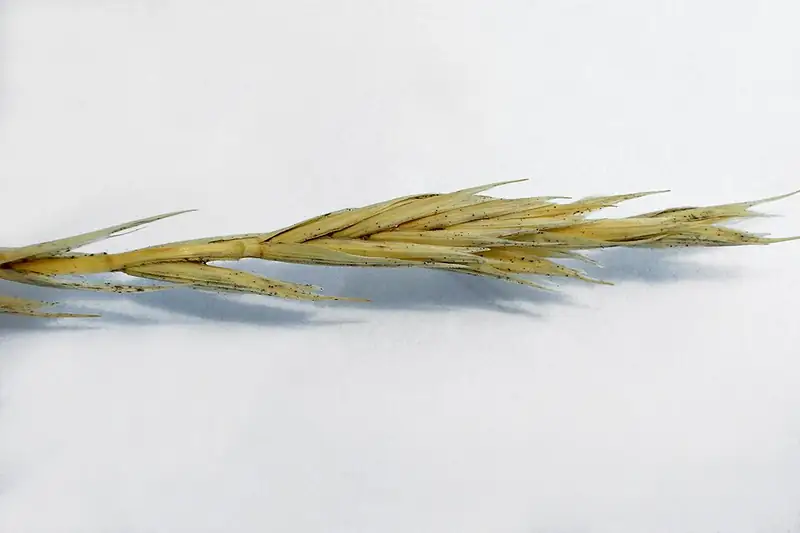 Plant
Plant Western wheatgrass
Pascopyrum smithii
A blue-green prairie grass whose underground rhizomes weave a tough sod — the official state grass of North and South Dakota.
-
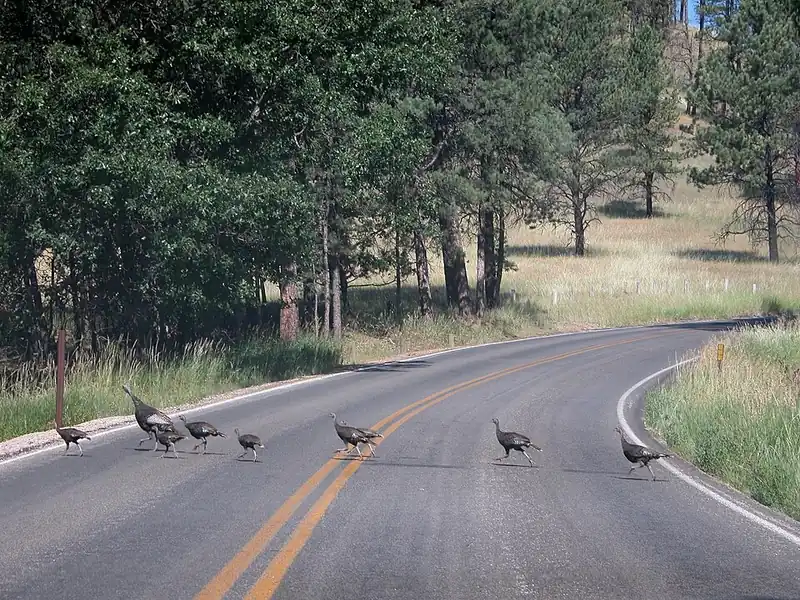 Bird
Bird Wild turkey
Meleagris gallopavo
A forest bird in a park with almost no forest. Badlands turkeys hold to the wooded draws, because a turkey needs a tree to sleep in.
-
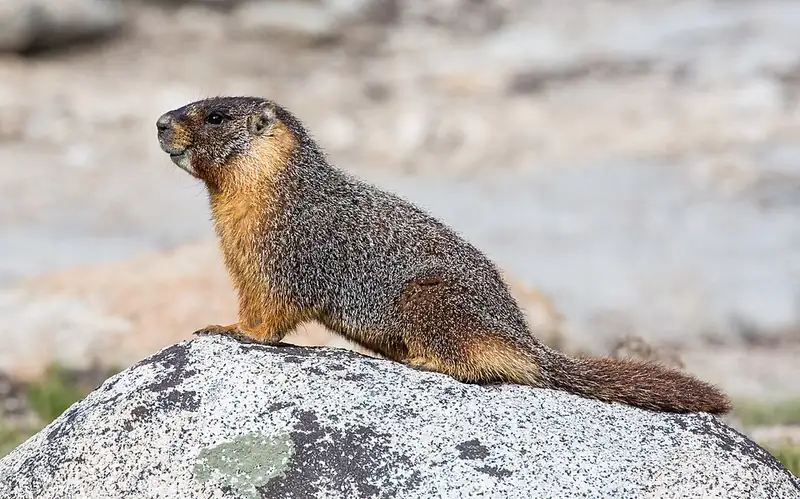 Mammal
 Yellow-bellied marmot
Marmota flaviventris
A chubby, whistling ground squirrel that suns itself on high-country rocks at Rocky Mountain and Yosemite, and sleeps away most of the year.