Plants of Mesa Verde National Park
The 5 plants of Mesa Verde National Park. Each carries a fun fact and a note on whether a kid should worry about it.
Common questions
Which Mesa Verde National Park plants demand distance from a kid?
Big sagebrush, Fireweed, Two-needle pinyon, Utah juniper, and Western wheatgrass carry a rule worth reading. Big sagebrush: Harmless to touch. Fireweed: Some people eat the young shoots or make tea from the leaves, though there's no need to pick it in a park. Two-needle pinyon: The needles aren't sharp enough to worry about, though the trunk and cones can be sticky with resin. Utah juniper: The scale-like foliage feels a little scratchy, and the small blue-gray cones aren't food for people, but there's no real hazard here. Western wheatgrass: No thorns, no poison. (per NPS species pages).
What do Mesa Verde National Park plants eat?
Big sagebrush eats sunlight, water, soil nutrients. (per NPS species pages).
The strangest true thing about Mesa Verde National Park's plants.
Big sagebrush: Fossil Butte National Monument alone has eight different kinds of sagebrush growing within its boundary. Fireweed: Fireweed was one of the first plants to add color back to Glacier's Mount Brown a year after the 2017 Sprague Fire. (per NPS species pages).
-
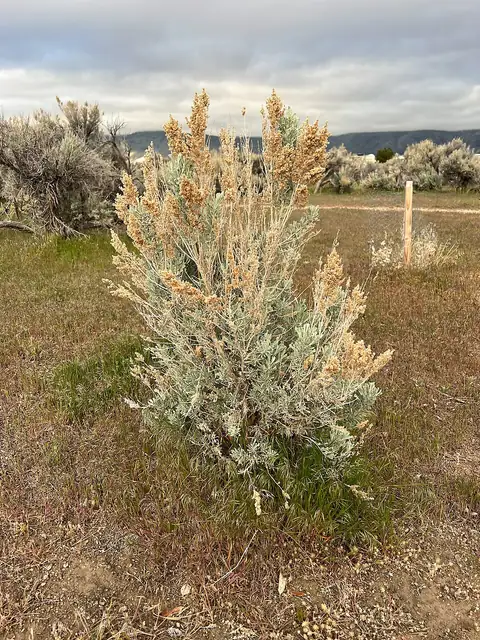 Plant
Big sagebrush
Artemisia tridentata
The silver-leaved, sharp-smelling evergreen shrub of the high desert West, and the main food of the greater sage-grouse nearly all year.
-
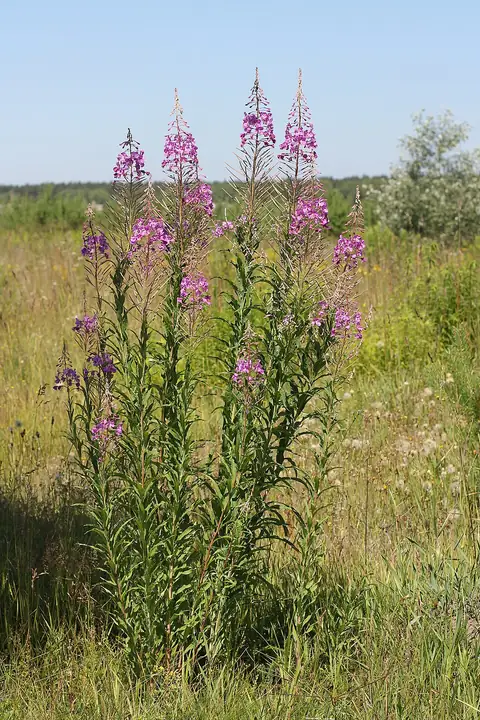 Plant
Fireweed
Chamerion angustifolium
A tall pink-purple wildflower that is often the first color to return to a burned mountainside.
-
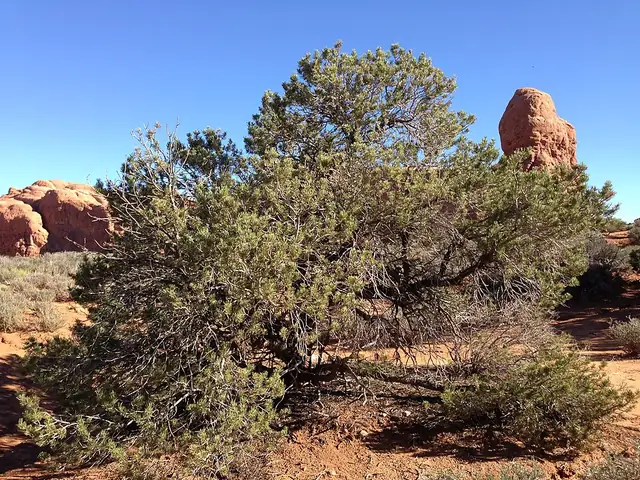 Plant
Two-needle pinyon
Pinus edulis
A short, gnarled pine of the drier Southwest, growing at Mesa Verde, Black Canyon, and Great Sand Dunes, with nuts a jay plants by forgetting them.
-
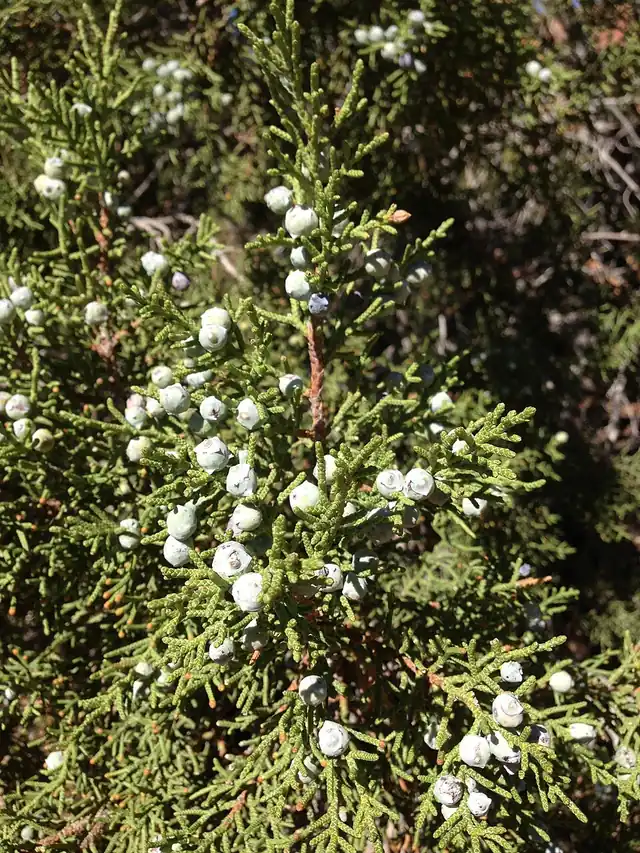 Plant
Utah juniper
Juniperus osteosperma
A short, twisted evergreen of dry canyon country, rooting in cracked rock at Mesa Verde, Black Canyon, Arches, Canyonlands, and Craters of the Moon lava fields.
-
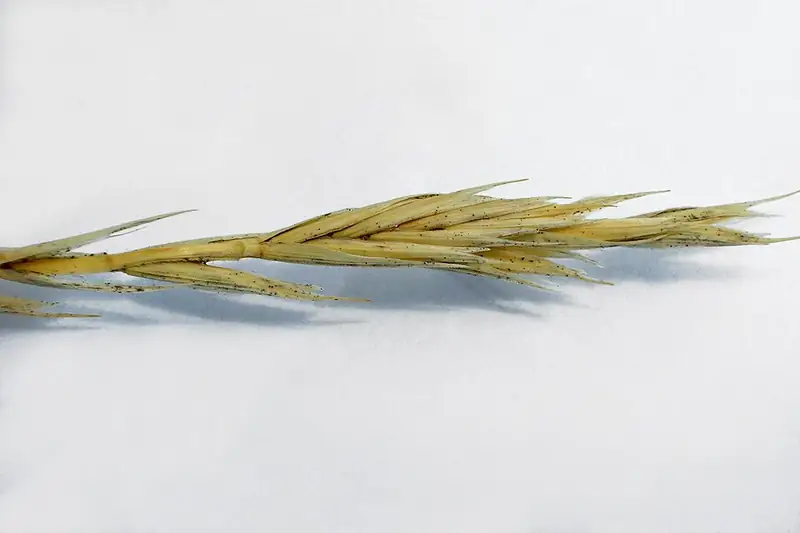 Plant
Western wheatgrass
Pascopyrum smithii
A blue-green prairie grass whose underground rhizomes weave a tough sod — the official state grass of North and South Dakota.