Mammals of Yellowstone National Park
The 24 mammals of Yellowstone National Park. Their profiles carry sizes, diets, and whether you should worry.
Common questions
Which Yellowstone National Park mammals demand distance from a kid?
American badger, American beaver, American bison, American black bear, and American pika carry a rule worth reading. American badger: Badgers would rather dig away than fight and avoid people entirely. American beaver: Beavers are shy and would rather swim off than confront anyone. American bison: Bison look slow and calm, but they are not tame and they hurt more people in Yellowstone than any other animal. American black bear: Black bears are usually shy and would rather leave than meet you. American pika: Pikas are harmless. 19 more species carry a rule worth reading. (per NPS species pages).
What do Yellowstone National Park mammals eat?
American badger eats ground squirrels, pocket gophers, small rodents, ground-nesting bird eggs. American beaver eats willow and aspen bark and twigs, pond lilies and other water plants, conifer bark when little else is available. American bison eats grasses, sedges, a few leafy plants. American black bear eats berries, acorns, nuts, insects, roots, sometimes carrion. 20 more species have menus worth reading. (per NPS species pages).
The strangest true thing about Yellowstone National Park's mammals.
American badger: A badger needs to eat about two ground squirrels or pocket gophers a day to keep its weight up, so it is almost always digging. American beaver: Yellowstone's northern-range beaver colonies bottomed out at just 8 in a 1953 survey, then climbed back to 127 by 2007 as habitat recovered. (per NPS species pages).
-
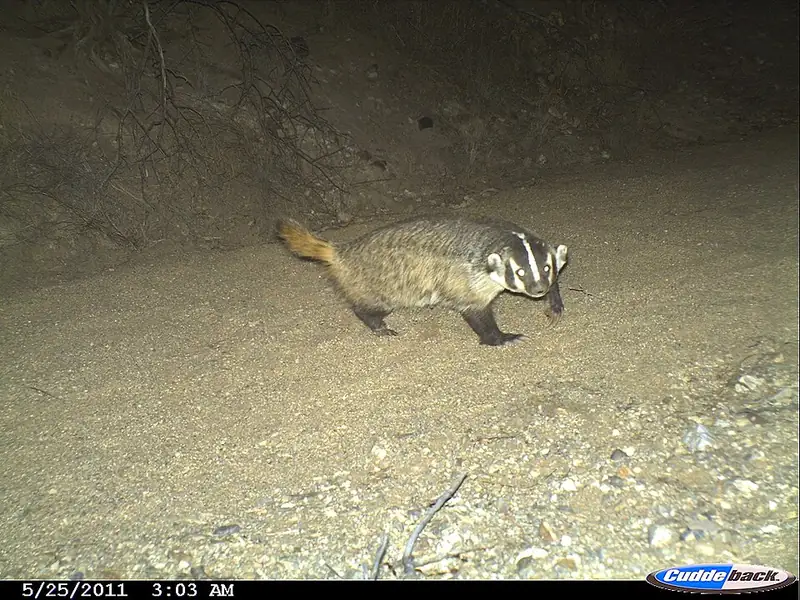 Mammal
American badger
Taxidea taxus
A short, wide-bodied digger with a white-striped face, common on the grasslands of Yellowstone and Badlands, that can vanish underground in minutes.
-
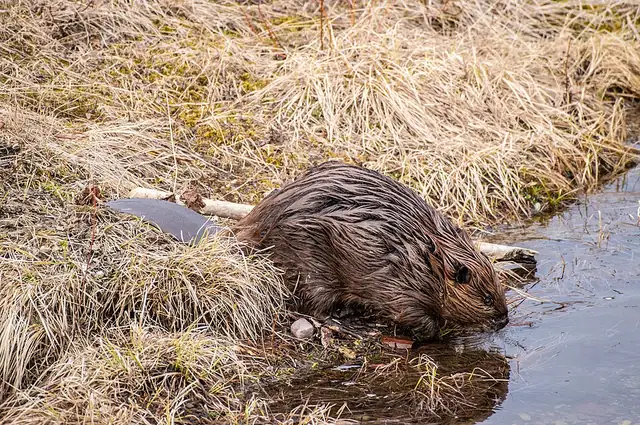 Mammal
American beaver
Castor canadensis
North America's largest rodent, a keystone species whose dams reshape whole streams at Yellowstone, Glacier, and ten other parks along the route.
-
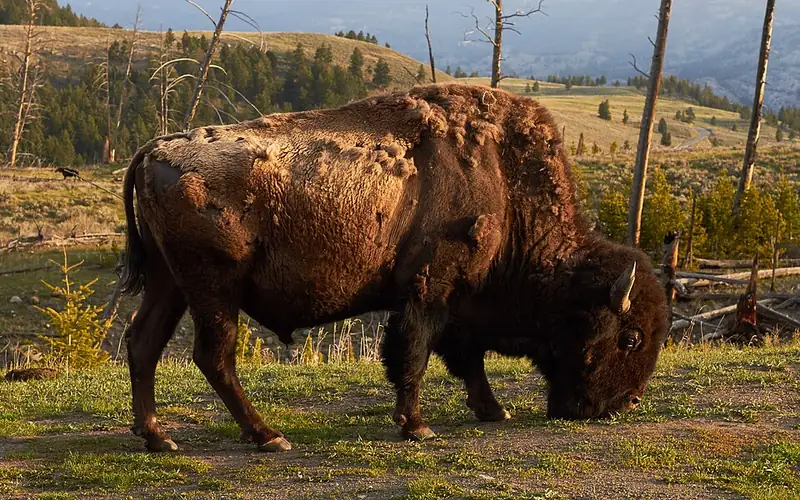 Mammal We saw it
American bison
Bison bison
The biggest land animal in North America, a shaggy grazer of the plains you can watch cross the road in Yellowstone.
-
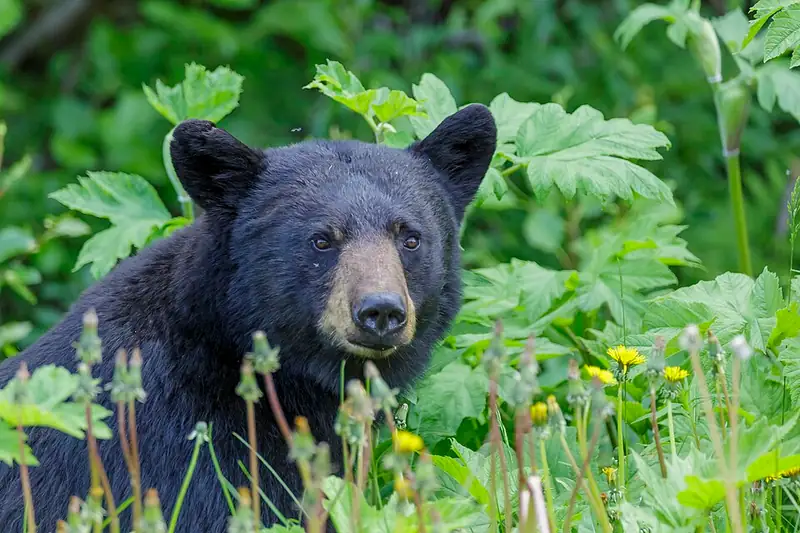 Mammal We saw it
American black bear
Ursus americanus
The bear you're most likely to meet east of the Rockies, a strong tree-climber that eats mostly plants and comes in black, brown, or cinnamon.
-
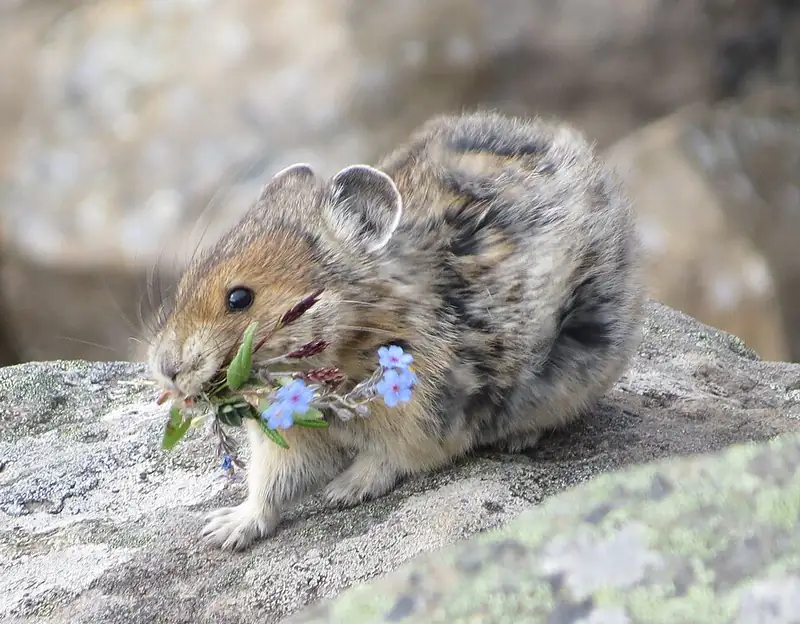 Mammal We saw it
American pika
Ochotona princeps
A small round cousin of the rabbit that lives in mountain rock piles at Rocky Mountain, Mount Rainier, and North Cascades, and never sleeps through winter.
-
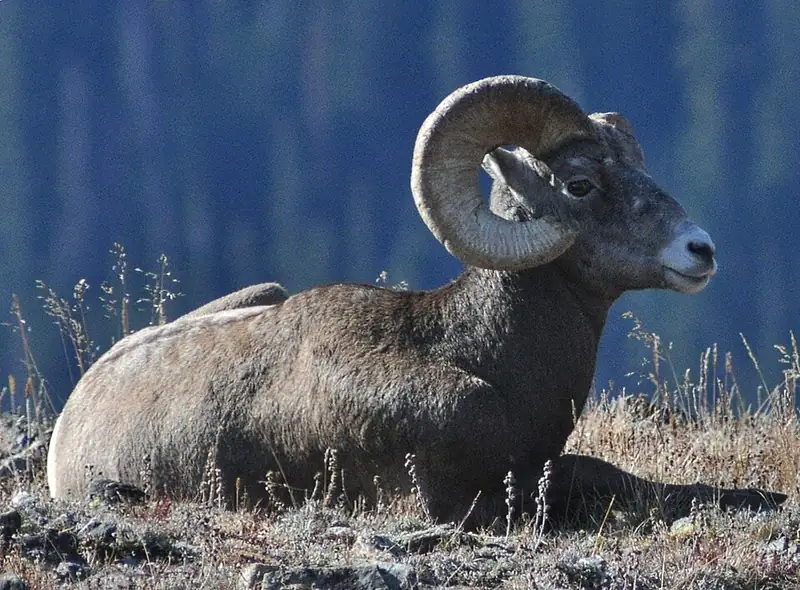 Mammal
Bighorn sheep
Ovis canadensis
A wild sheep of cliffs and canyons, where rams carry heavy curled horns and both sexes cross steep rock other animals can't.
-
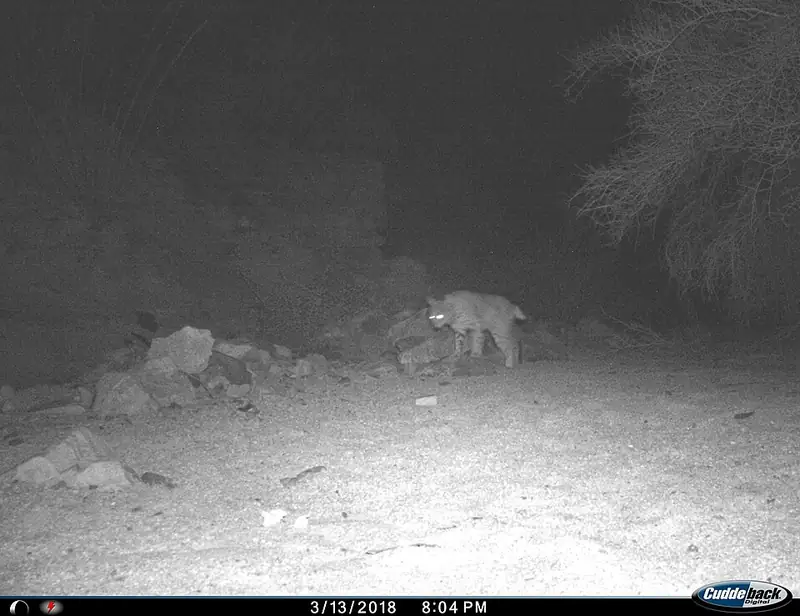 Mammal
Bobcat
Lynx rufus
A small wildcat about twice the size of a house cat, common but rarely seen, that can bring down prey many times its own weight.
-
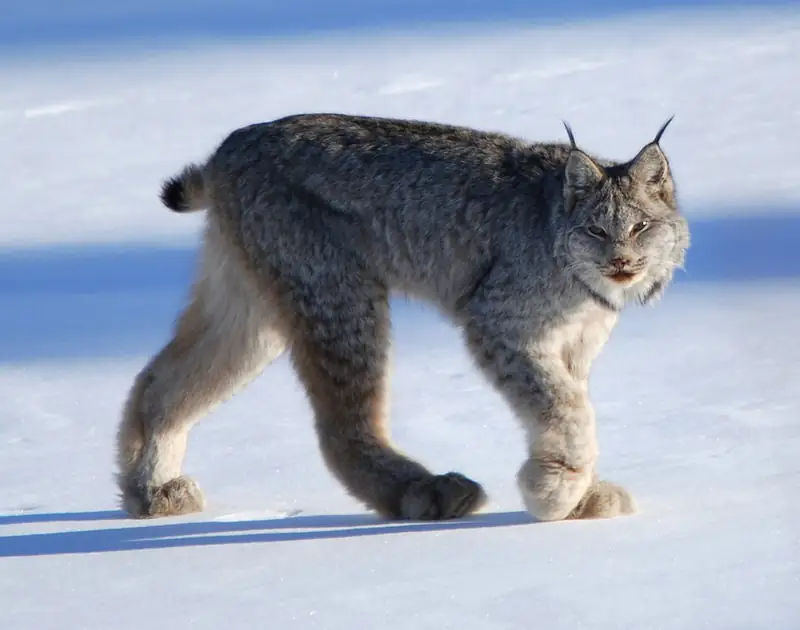 Mammal
Canada lynx
Lynx canadensis
A rare, snow-adapted wild cat with tufted ears and huge furry paws, living in high conifer forest at Glacier, Yellowstone, and Grand Teton.
-
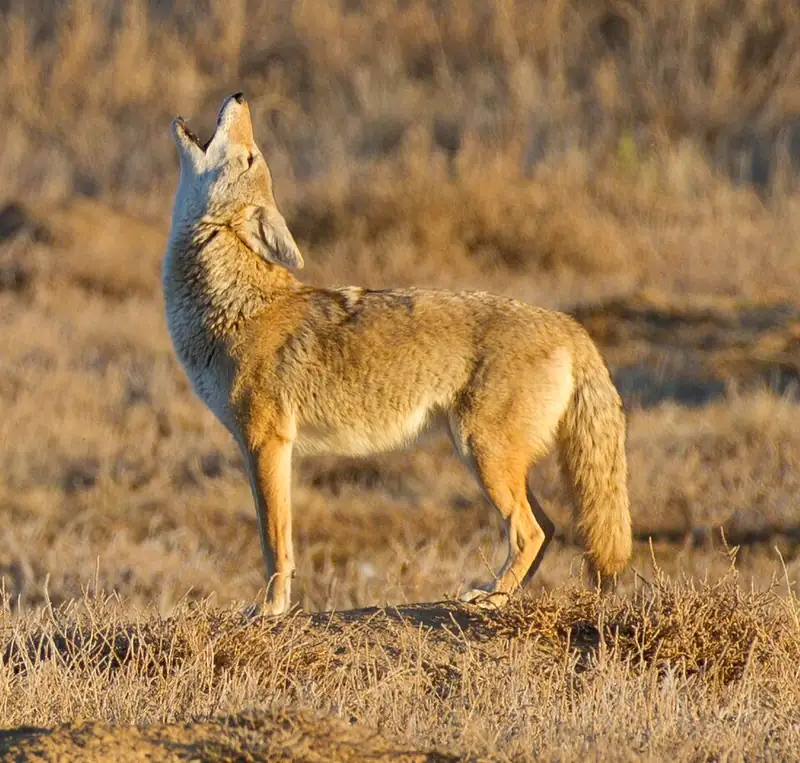 Mammal
Coyote
Canis latrans
The wild dog you're most likely to hear at a national park — a coyote, at home in the desert, the mountains, and the edges of towns.
-
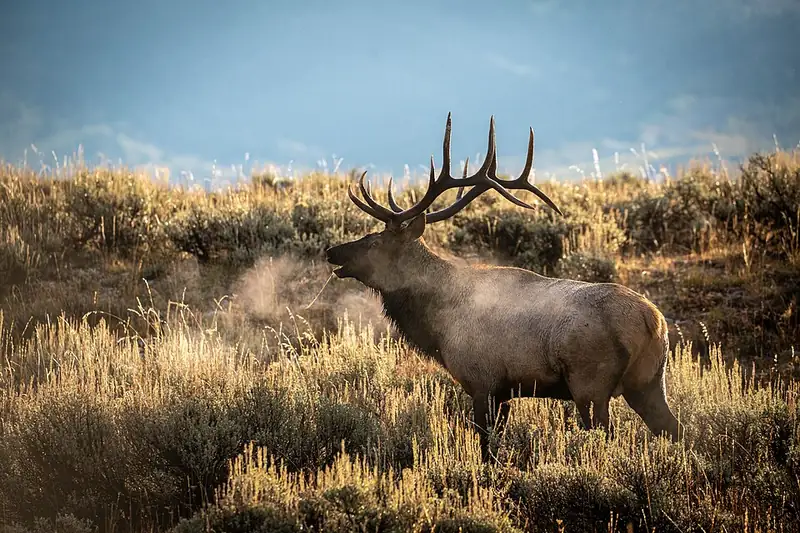 Mammal
Elk
Cervus canadensis
A large deer of mountain meadows whose bulls grow branching antlers and, each fall, bugle a high whistling call across the valley.
-
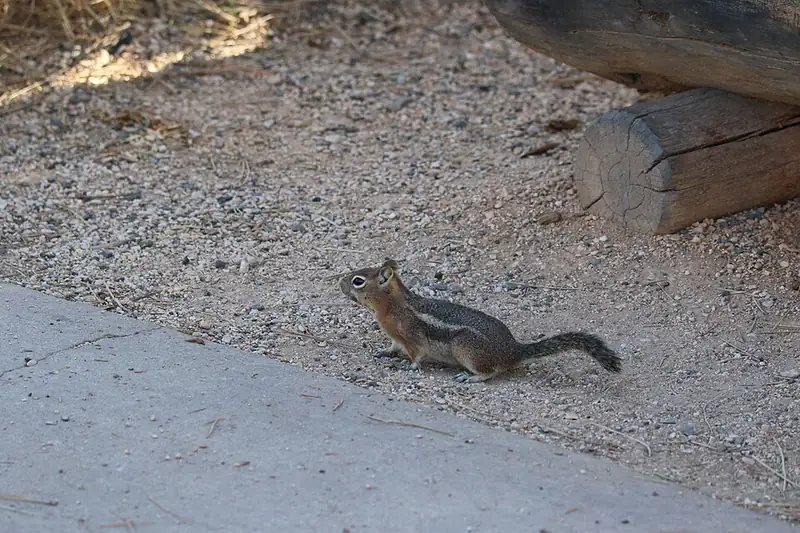 Mammal
Golden-mantled ground squirrel
Callospermophilus lateralis
A chipmunk-lookalike ground squirrel with a reddish-gold head and shoulders and no face stripes, common on rocks and trailsides from Glacier to Mesa Verde.
-
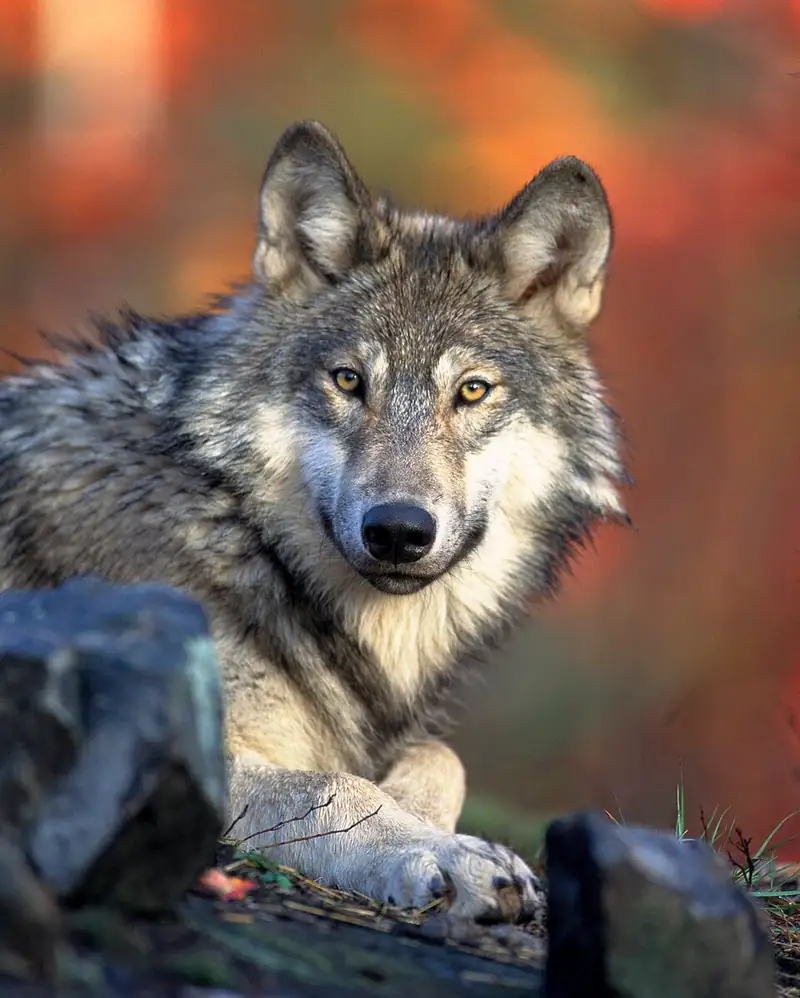 Mammal We saw it
Gray wolf
Canis lupus
The biggest wild dog in North America, a pack hunter you might hear howling at dawn in Yellowstone, Denali, or Isle Royale.
-
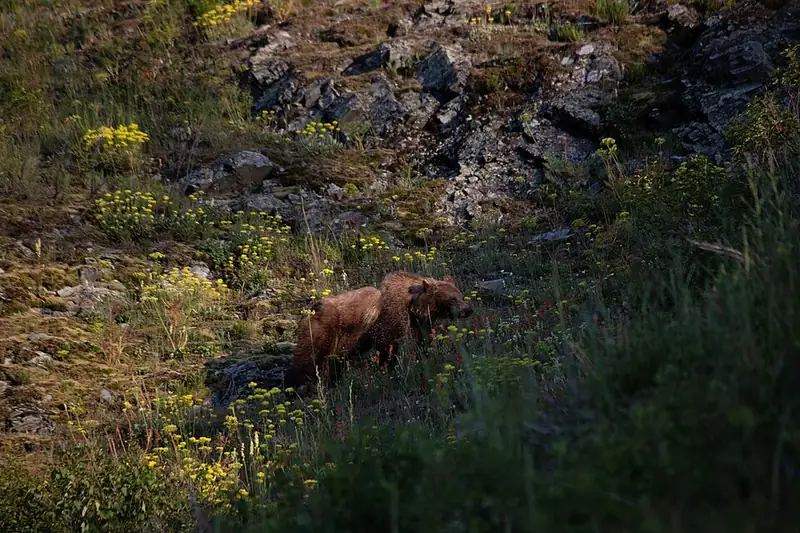 Mammal
Grizzly bear
Ursus arctos horribilis
A big brown bear of the northern Rockies and Alaska, marked by a hump of muscle over its shoulders and long digging claws.
-
 Mammal
Little brown bat
Myotis lucifugus
A tiny brown flyer that hunts insects over water at dusk and sleeps in caves and barns, eating half its own weight in bugs each night.
-
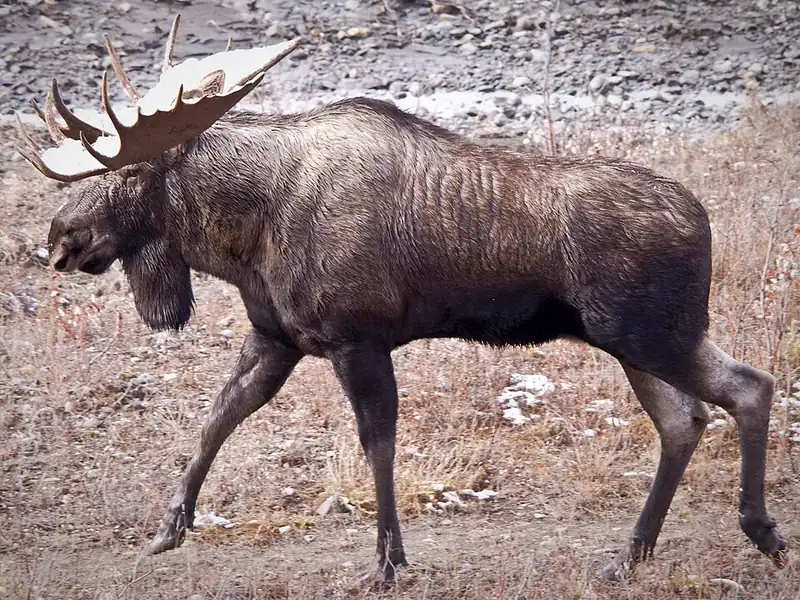 Mammal
Moose
Alces alces
The largest deer in the world, a long-legged giant you might see wading in ponds at Grand Teton, Isle Royale, Denali, or Rocky Mountain.
-
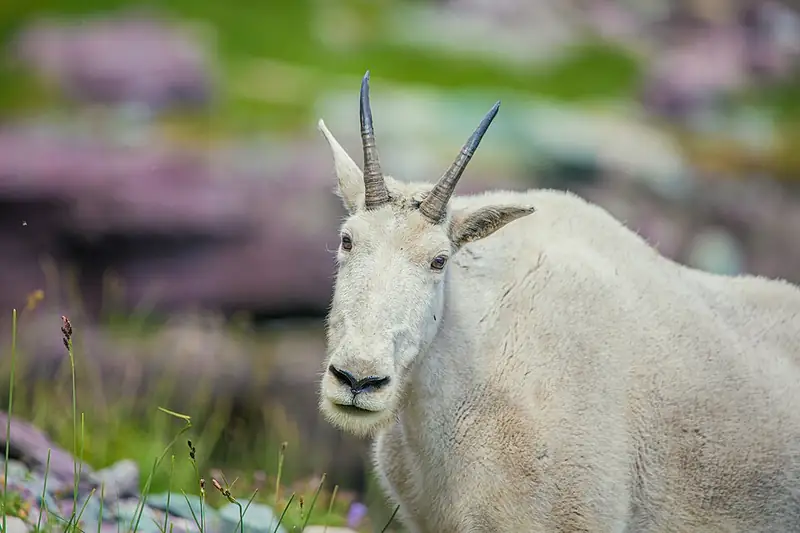 Mammal
Mountain goat
Oreamnos americanus
A white, shaggy climber with black horns that lives on the steepest crags and pumice fields high on Mount Rainier, where almost nothing else can walk.
-
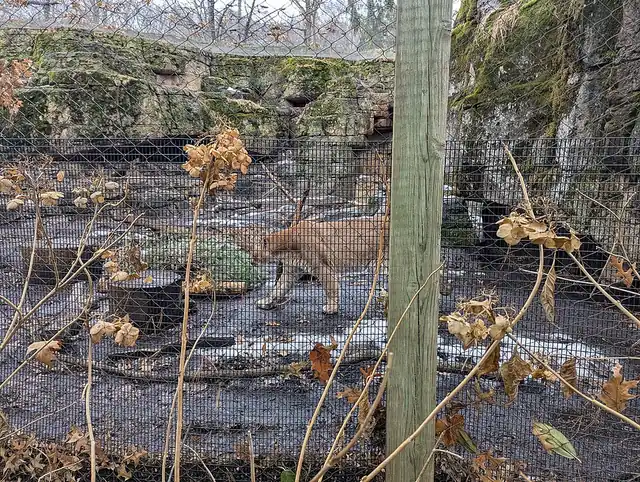 Mammal
Mountain lion
Puma concolor
A tan, solitary big cat found from Glacier to Mesa Verde, called cougar, puma, or panther by region, and rarely seen at all.
-
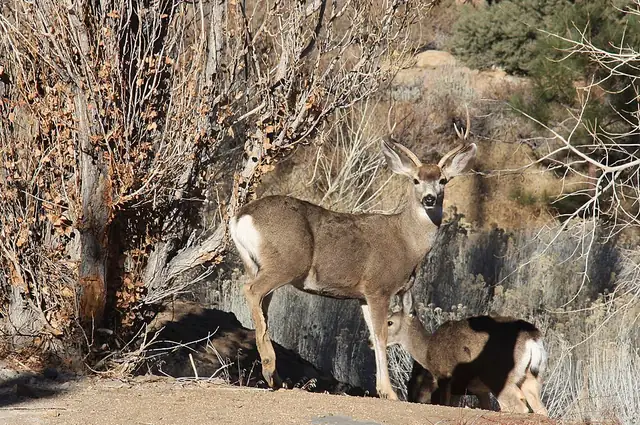 Mammal We saw it
Mule deer
Odocoileus hemionus
A western deer named for its big mule-like ears, common on canyon rims and in desert washes in Grand Canyon, Zion, Yosemite, Arches, Canyonlands, and Saguaro.
-
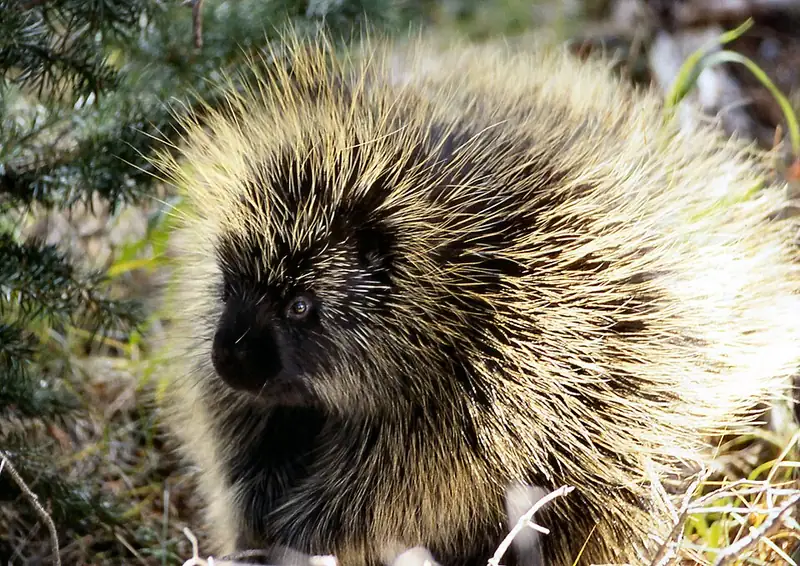 Mammal
North American porcupine
Erethizon dorsatum
A slow, quill-covered rodent of the canyon country at Arches and Canyonlands, and the second-largest rodent in North America after the beaver.
-
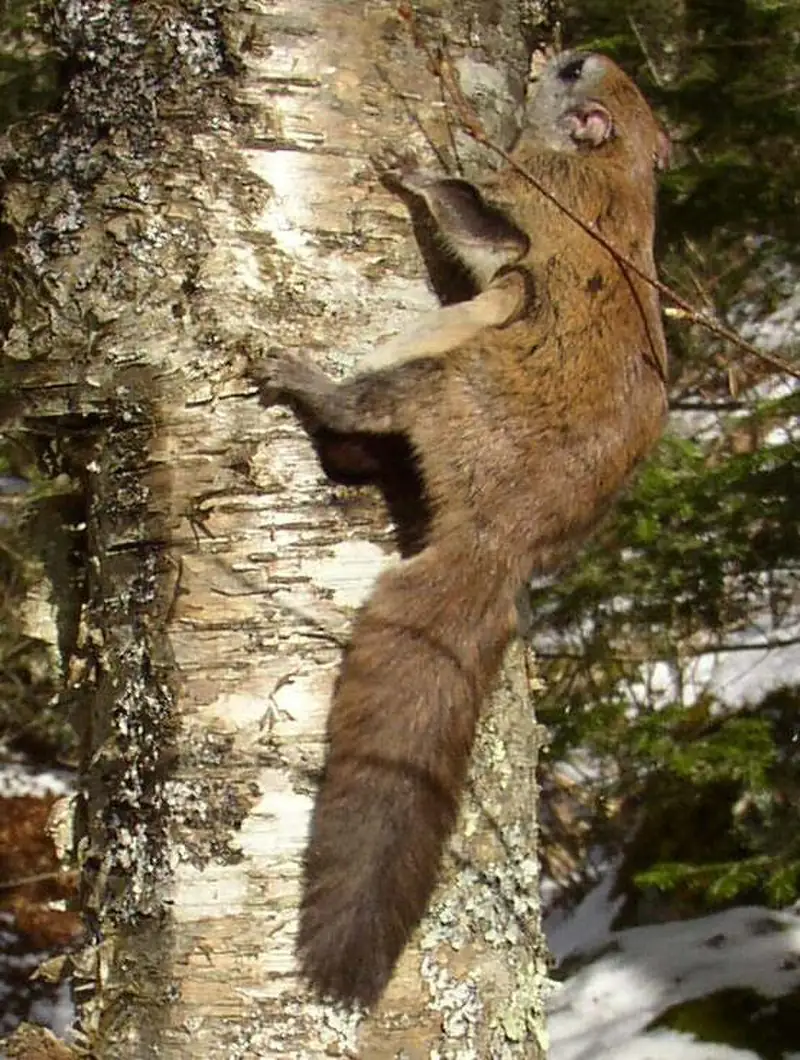 Mammal
Northern flying squirrel
Glaucomys sabrinus
A nocturnal glider of old-growth conifer forests that eats mostly underground fungus and, under a UV light, glows bubblegum pink.
-
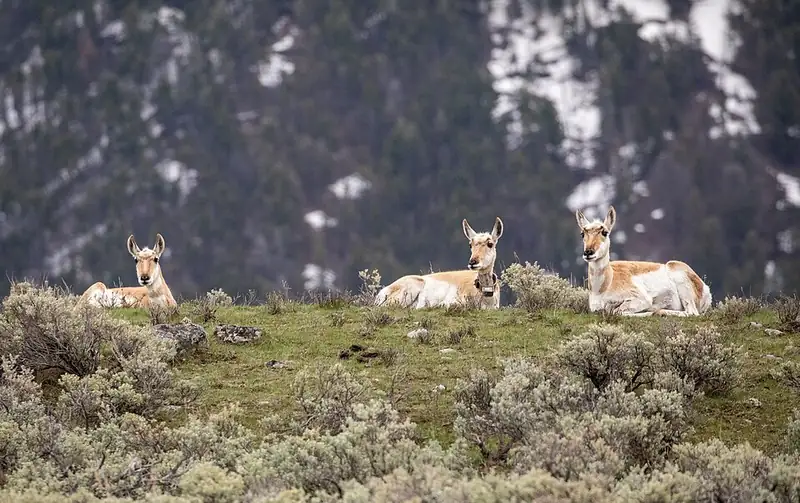 Mammal We saw it
Pronghorn
Antilocapra americana
North America's fastest land mammal, seen in Yellowstone's northern range and at Lava Beds, built to outrun a predator that went extinct 12,000 years ago.
-
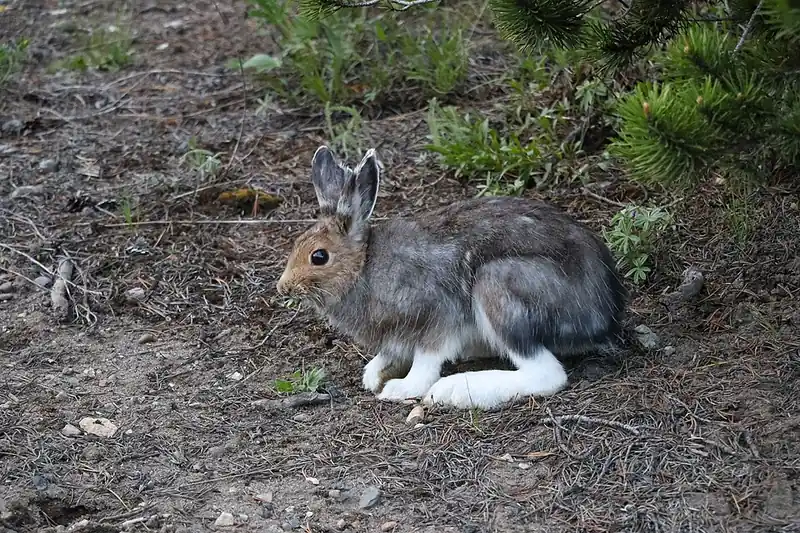 Mammal
Snowshoe hare
Lepus americanus
A forest hare whose coat flips from brown to white on a clock set by daylight, not by snow, and whose oversized feet work like actual snowshoes.
-
 Mammal
White-tailed deer
Odocoileus virginianus
The most common large mammal in many parks, from eastern woods to the desert sky islands, where the small Coues subspecies flags its white tail along the drive.
-
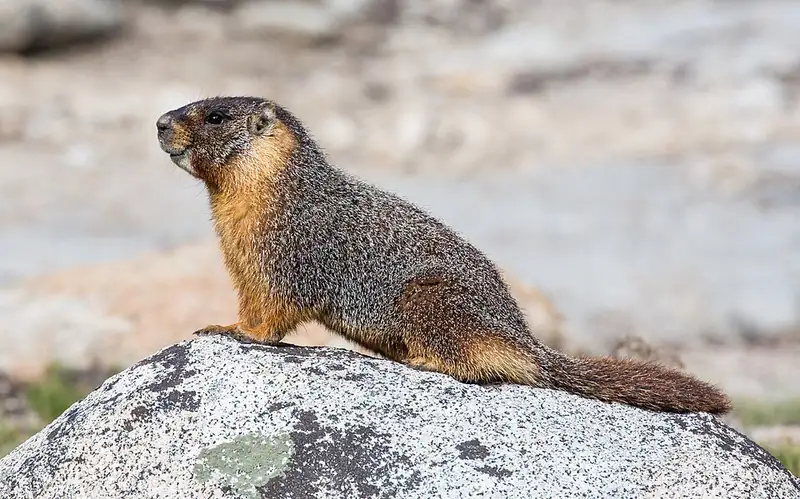 Mammal
Yellow-bellied marmot
Marmota flaviventris
A chubby, whistling ground squirrel that suns itself on high-country rocks at Rocky Mountain and Yosemite, and sleeps away most of the year.