Animals & Plants of Crater Lake National Park
The 23 animals, plants, and fungi you can find at Crater Lake National Park, with sizes, diets, and whether you should worry. See the full park guide at Crater Lake National Park.
Crater Lake fills a collapsed volcano with some of the deepest water in the country, and most of the park lives in that basin. Kokanee salmon are the only fish left in the lake, ospreys hunt them from the rim, and American dippers work the shoreline streams. Ponderosa pine and beargrass ring the caldera while American pikas call from the boulder fields.
Turn this into a game: Play Crater Lake National Park Bingo →Common questions
Which Crater Lake species should kids give space to?
At Crater Lake National Park, give space to American black bear, Coyote, Mule deer, and Rough-skinned newt. American black bear: Black bears are usually shy and would rather leave than meet you. Coyote: Coyotes almost always run from people. Mule deer: Mule deer look calm and tame, but they are wild animals with sharp hooves, and bucks have antlers in fall. Rough-skinned newt: Never put one near your mouth or an open cut. (per NPS species pages).
What does the wildlife of Crater Lake actually eat?
At Crater Lake National Park, the most interesting eaters are American pika, Clark's nutcracker, Osprey, and Coyote. American pika eats grasses, wildflowers, leaves, mountain plants. Clark's nutcracker eats pine seeds, whitebark pine seeds, insects, berries, small animals. Osprey eats fish. Coyote eats mice, rabbits, lizards, insects, fruit, whatever it can find. (per NPS species pages).
What is the strangest true thing about Crater Lake wildlife?
The strangest true thing about Crater Lake National Park: Rough-skinned newt: At Crater Lake, the newt's local population, the "Mazama newt," was the lake's only major predator before people put fish in the water starting in 1886, then crayfish in 1915. Osprey: Crater Lake's rangers monitor osprey and bald eagle nesting sites inside the caldera every year, watching for returning pairs and new arrivals. (per NPS species pages).
Anything here that bites?
Keep away
- American black bear: Black bears are usually shy and would rather leave than meet you.
- Bobcat: Very low.
- Coyote: Coyotes almost always run from people.
- Mule deer: Mule deer look calm and tame, but they are wild animals with sharp hooves, and bucks have antlers in fall.
Don't touch or eat
- Fly agaric: Poisonous if eaten.
- Pandora moth: The moth is harmless, but the caterpillar's spines can sting bare skin.
- Rough-skinned newt: Never put one near your mouth or an open cut.
- Western toad: Harmless to touch, but the two glands behind its eyes ooze a thick white poison meant to deter predators, so wash hands after handling and don't touch your eyes or mouth first.
Bites if handled
- American pika: Pikas are harmless.
- Douglas squirrel: Harmless if left alone.
- Osprey: None.
- Pacific marten: None.
- Sagebrush lizard: This lizard has no venom, and its main defense is running.
Everything else on this page is harmless. What each group means.
-
 Mammal
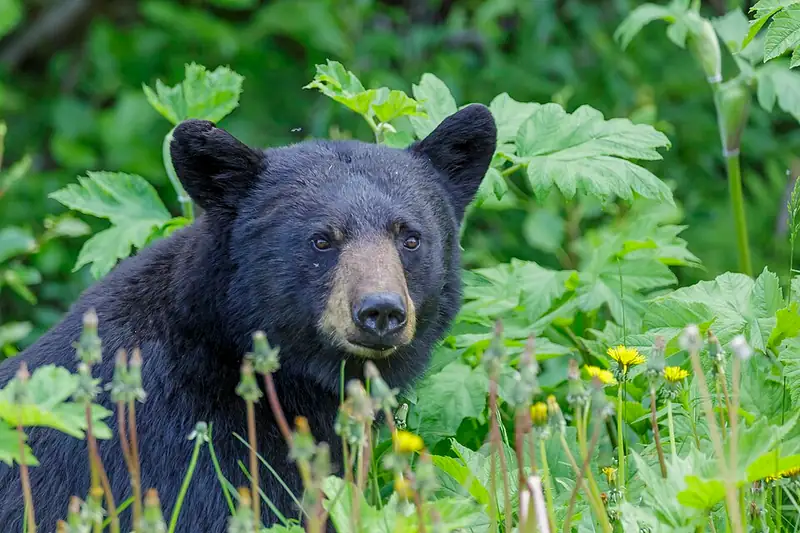
 American black bear
Ursus americanus
The bear you're most likely to meet east of the Rockies, a strong tree-climber that eats mostly plants and comes in black, brown, or cinnamon.
-
 Bird
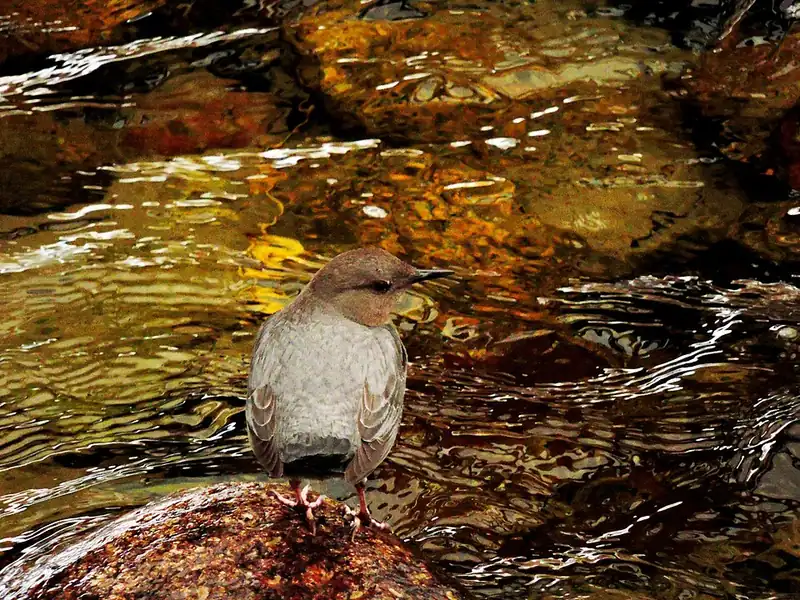
Bird American dipper
Cinclus mexicanus
A stream-gray songbird that walks along the bottom of cold mountain creeks to hunt, the only songbird in North America that does.
-
 Mammal
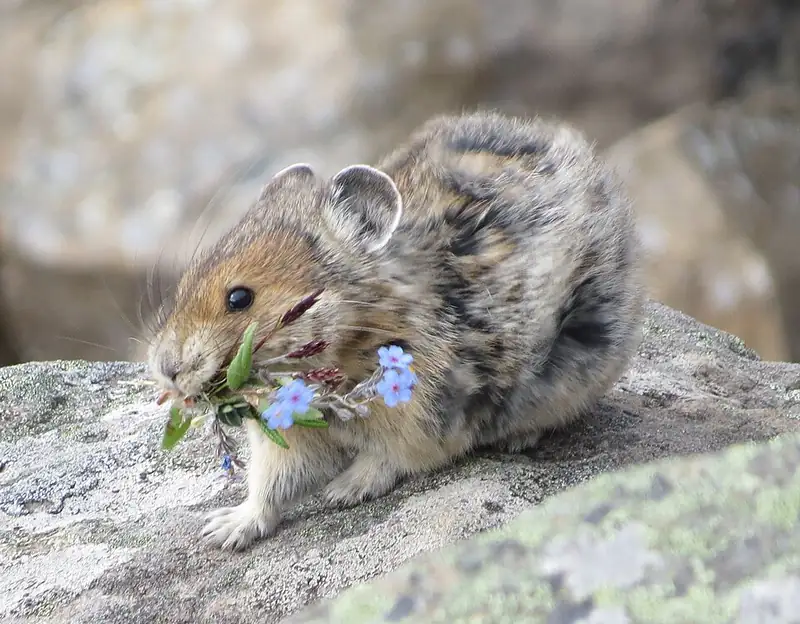
 American pika
Ochotona princeps
A small round cousin of the rabbit that lives in mountain rock piles at Rocky Mountain, Mount Rainier, and North Cascades, and never sleeps through winter.
-
 Plant
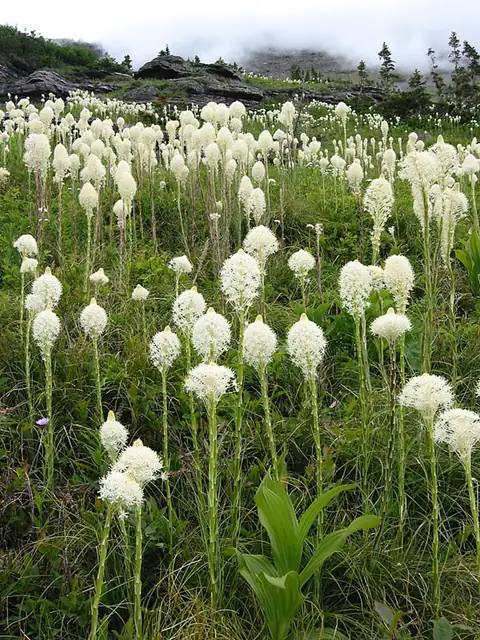
Plant Beargrass
Xerophyllum tenax
A mountain plant that is not a grass but a lily, sending up a tall creamy plume only every few years, its tough leaves woven into watertight baskets and hats.
-
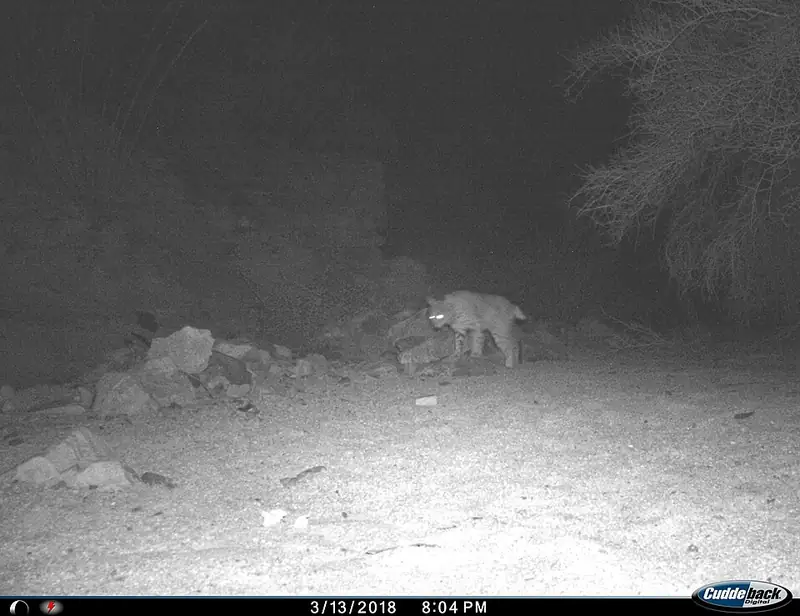 Mammal
 Bobcat
Lynx rufus
A small wildcat about twice the size of a house cat, common but rarely seen, that can bring down prey many times its own weight.
-
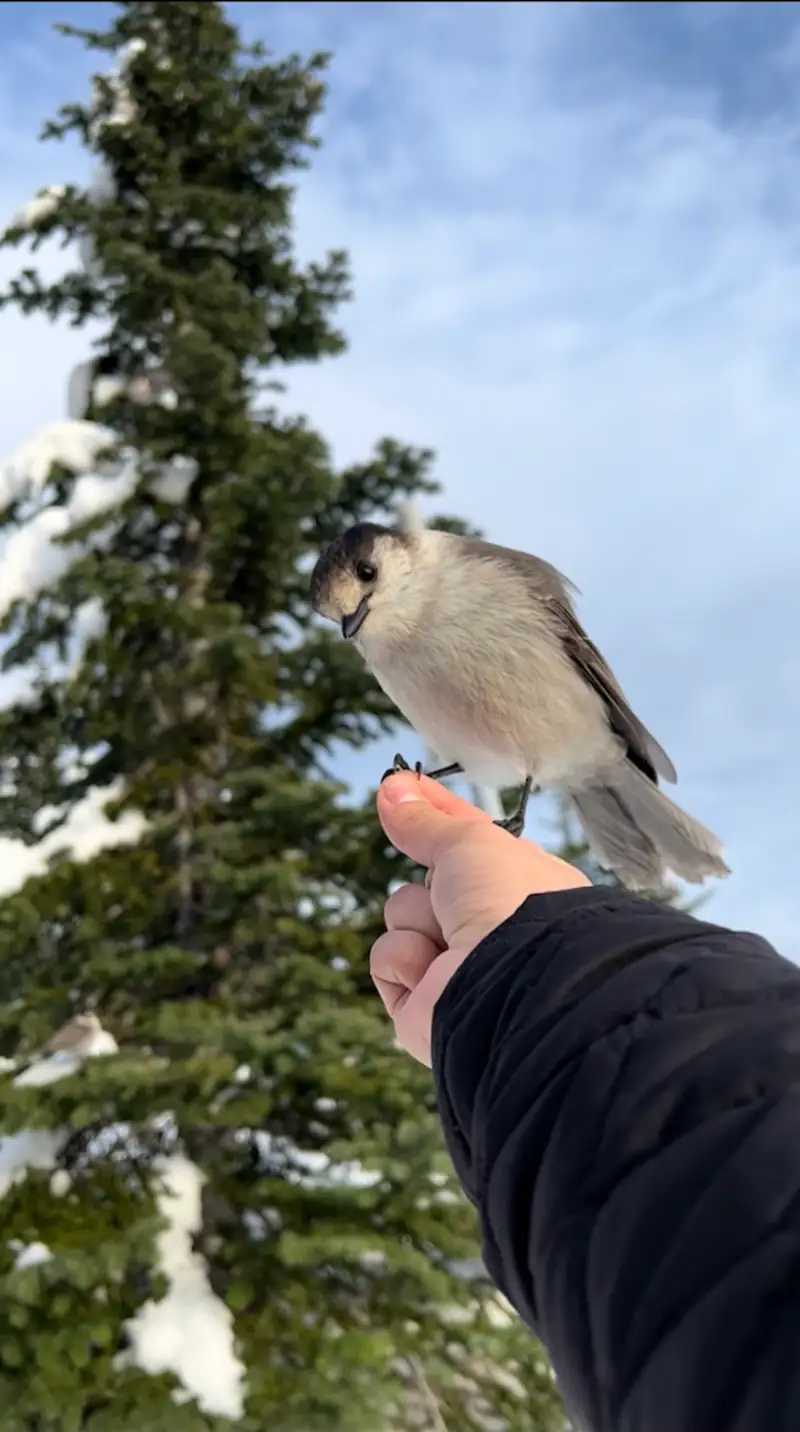 Bird
Bird Canada jay
Perisoreus canadensis
A fearless, fluffy gray bird that glues thousands of food scraps into tree bark with its own sticky spit and remembers nearly all of them through winter.
-
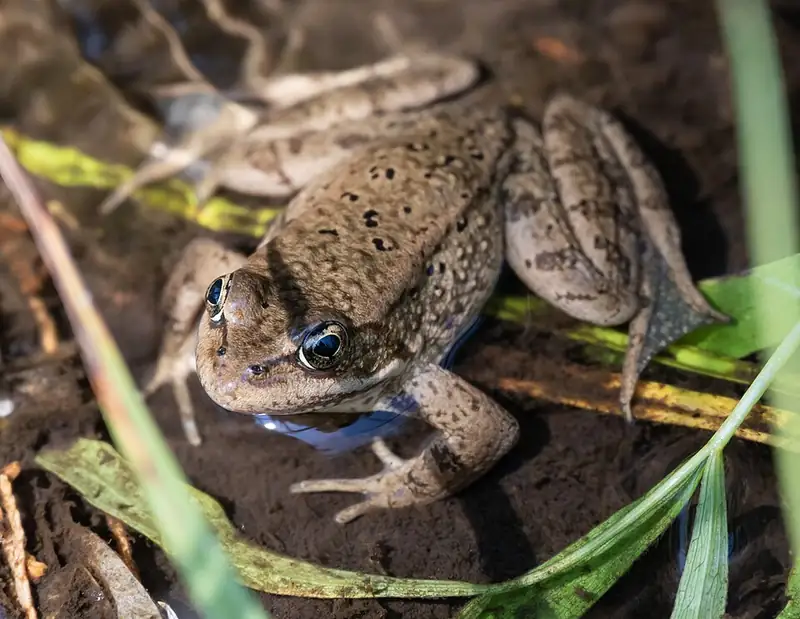 Amphibian
 Cascades frog
Rana cascadae
A brown, black-spotted frog of cold high-mountain meadow ponds, once common through the Cascades and now vanishing from parts of its range.
-
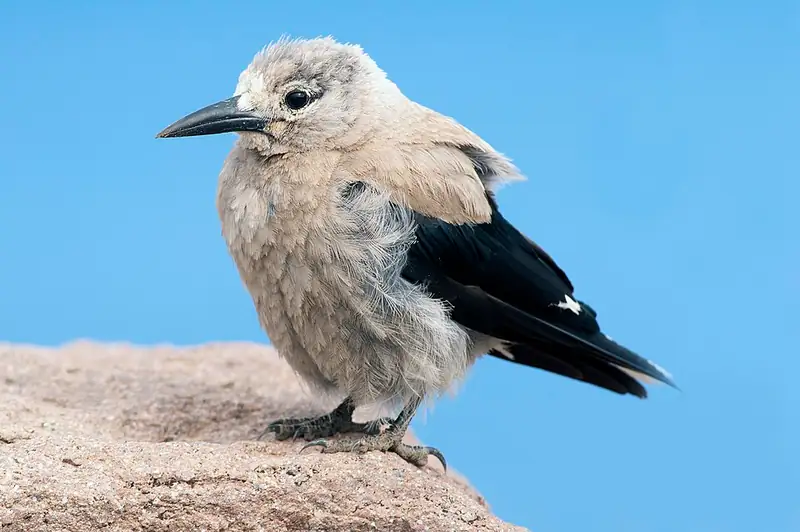 Bird
Bird Clark's nutcracker
Nucifraga columbiana
A pale-gray, black-winged cousin of the crow that hides tens of thousands of pine seeds each fall and remembers where to find them again.
-
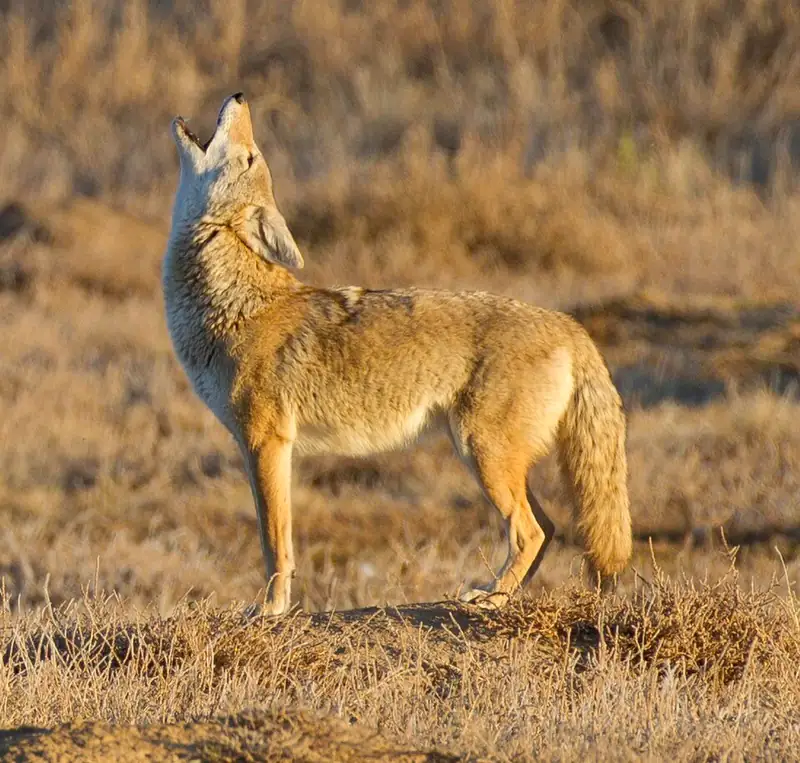 Mammal
 Coyote
Canis latrans
The wild dog you're most likely to hear at a national park — a coyote, at home in the desert, the mountains, and the edges of towns.
-
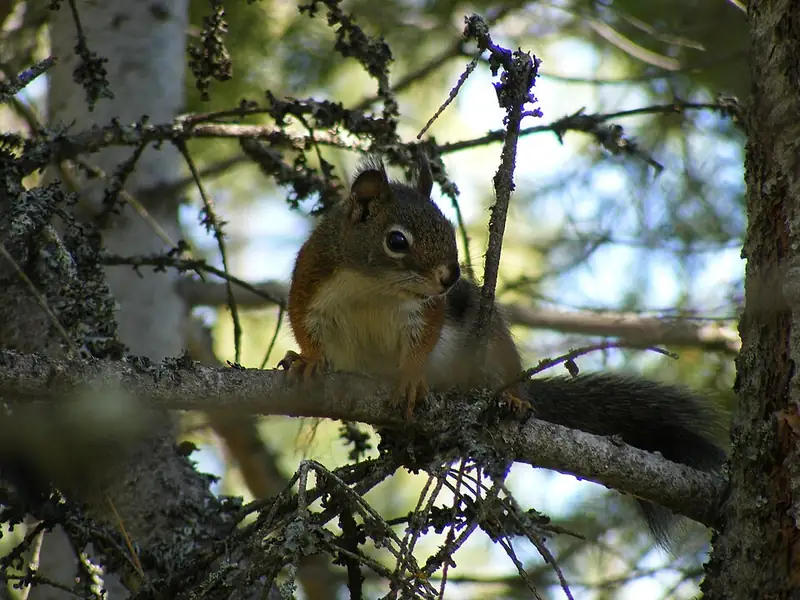 Mammal
 Douglas squirrel
Tamiasciurus douglasii
A small, loud tree squirrel of West Coast conifer forests, known for cutting green cones by the hundred and scolding every hiker who walks under its tree.
-
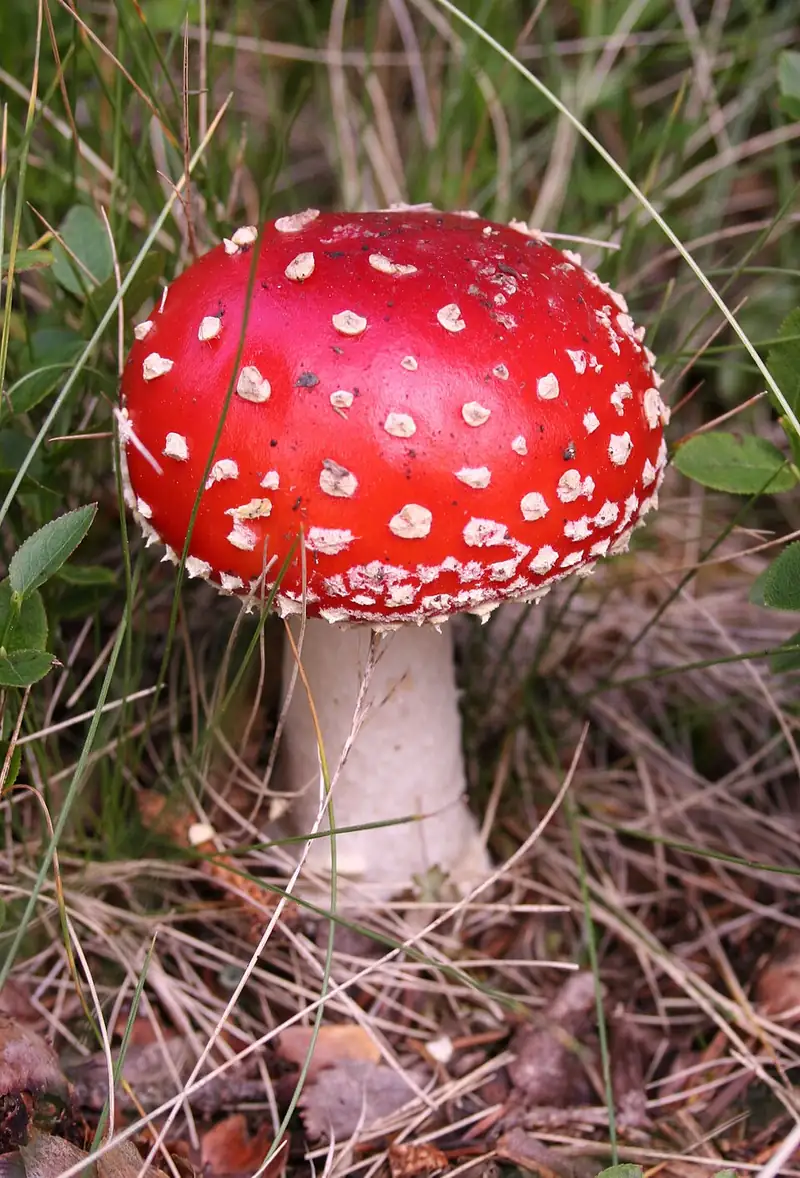 Fungus
 Fly agaric
Amanita muscaria
The storybook red mushroom with white spots, found in northern conifer and birch woods. It is joined to tree roots and poisonous to eat.
-
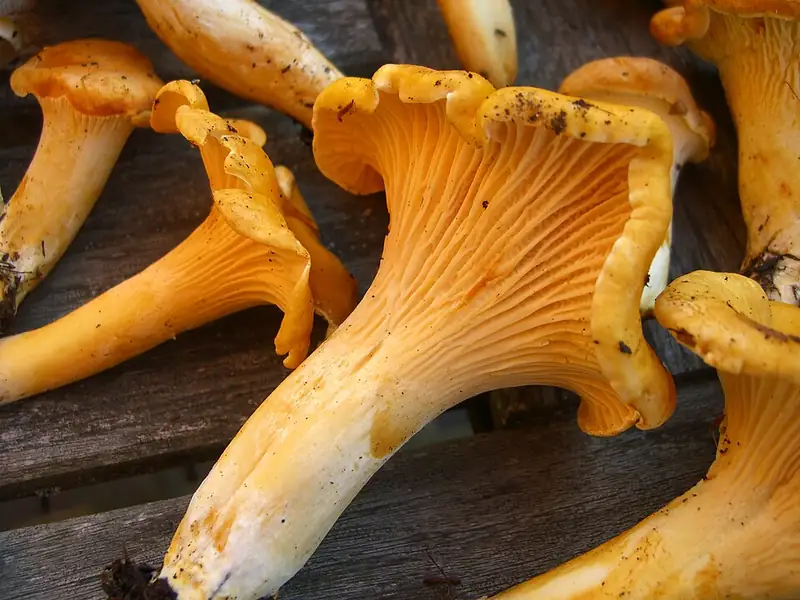 Fungus
 Golden chanterelle
Cantharellus formosus
A trumpet-shaped golden mushroom of Pacific Northwest conifer forests that lives joined to tree roots and trades food with the trees.
-
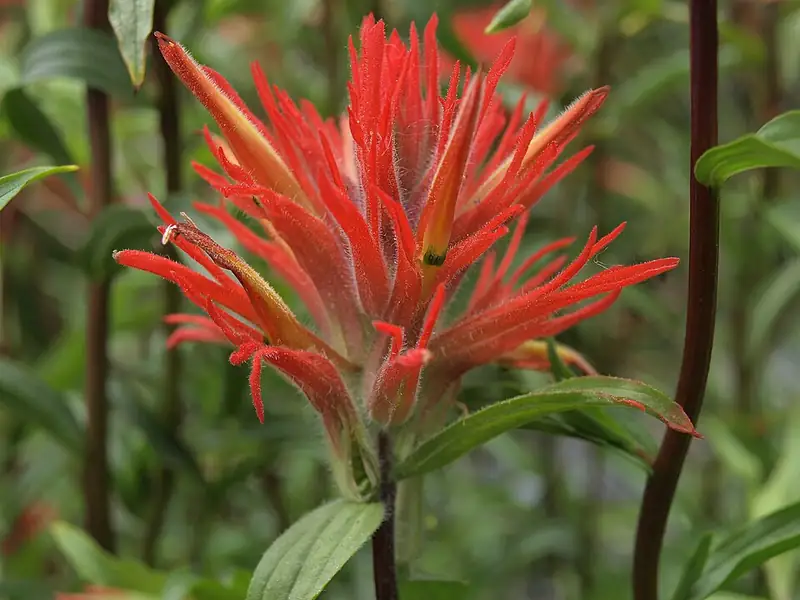 Plant
Plant Indian paintbrush
Castilleja miniata
A scarlet mountain wildflower that steals water and food from its neighbors' roots, and whose bright color comes from leaves, not petals.
-
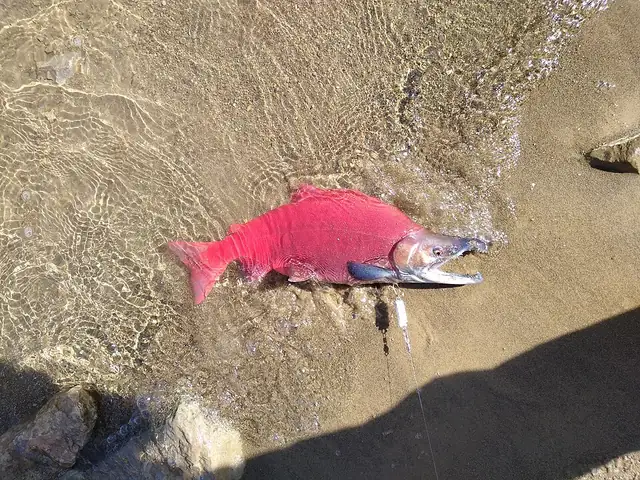 Fish
Fish Kokanee salmon
Oncorhynchus nerka
A landlocked sockeye salmon that spends its whole life inside Crater Lake, turning bright red to spawn without ever swimming a mile toward the ocean.
-
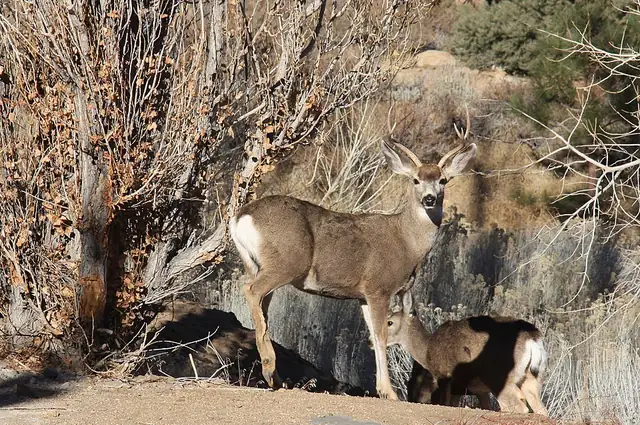 Mammal
 Mule deer
Odocoileus hemionus
A western deer named for its big mule-like ears, common along canyon rims and desert washes in Grand Canyon, Zion, Yosemite, and Saguaro.
-
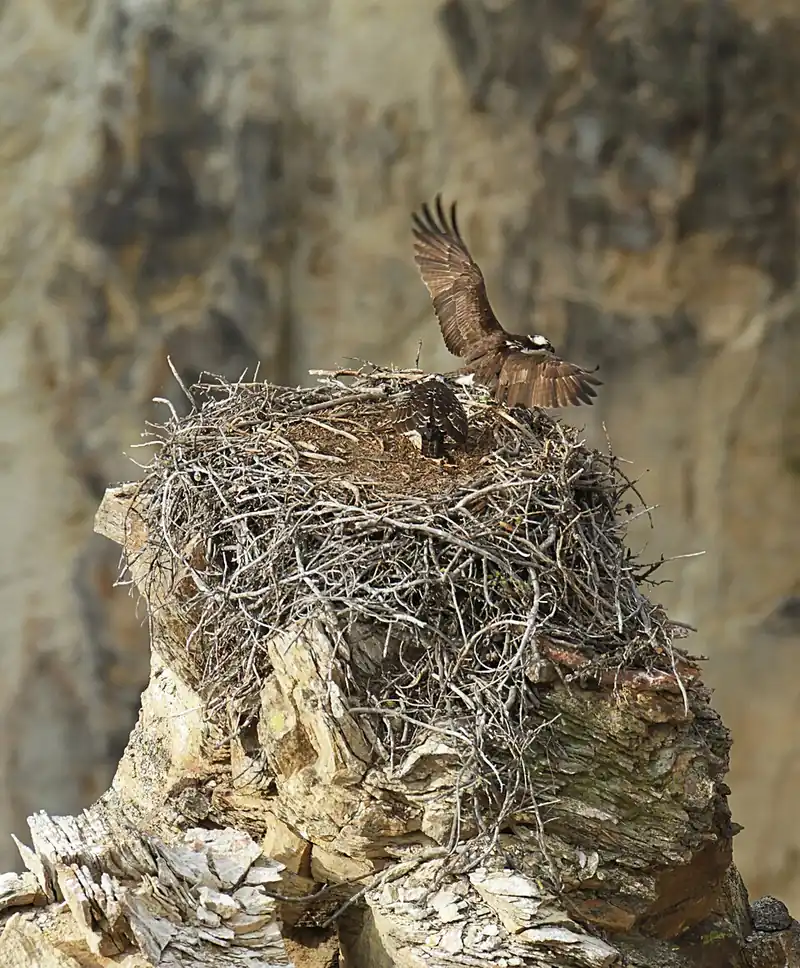 Bird
Bird Osprey
Pandion haliaetus
A fish-hunting hawk that dives feet-first into open water and flies off with its catch turned head-forward like a torpedo.
-
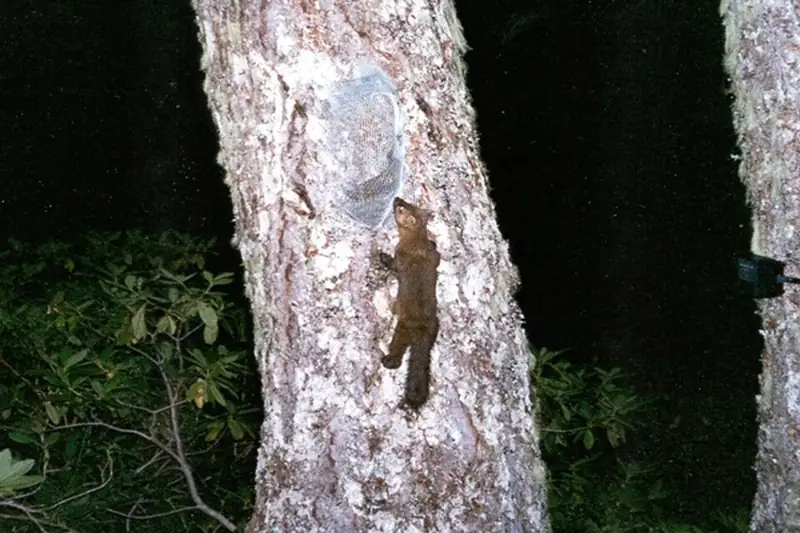 Mammal
 Pacific marten
Martes caurina
A tree-climbing weasel relative of the old-growth canopy, whose coastal population was feared extinct for 50 years before a trail camera caught one in 1996.
-
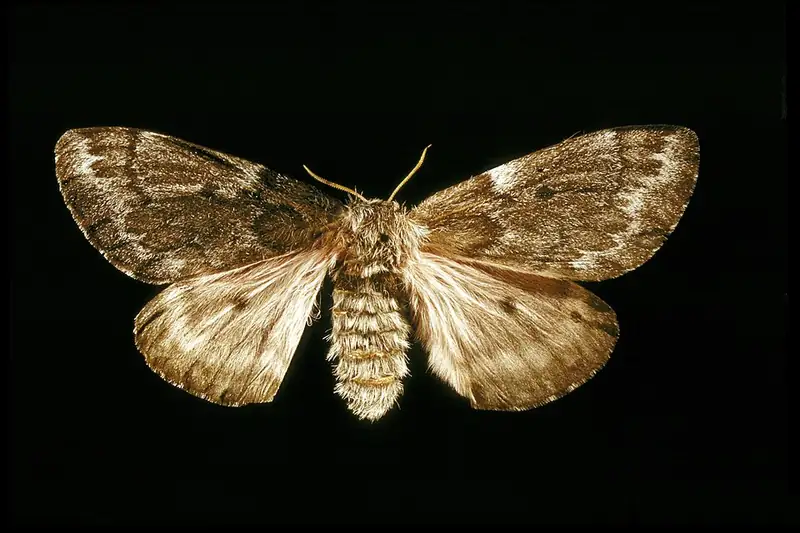 Invertebrate
 Pandora moth
Coloradia pandora
A large gray forest moth of ponderosa country whose caterpillars boom every few decades and once fed the Klamath and Paiute people who harvested them.
-
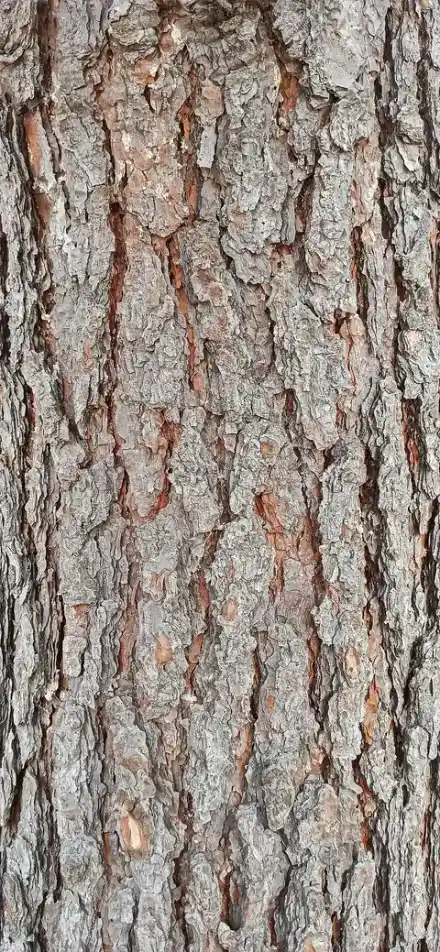 Plant
Plant Ponderosa pine
Pinus ponderosa
A tall western pine whose sun-warmed bark smells like butterscotch and vanilla, and which drops its low branches so ground fire can pass safely beneath it.
-
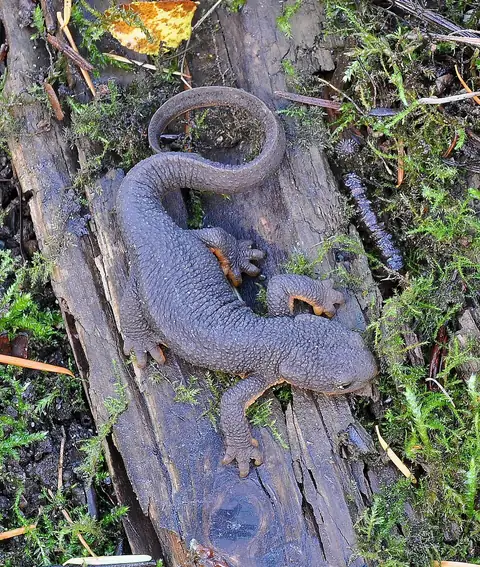 Amphibian
 Rough-skinned newt
Taricha granulosa
A brown, warty-skinned newt with a bright orange belly that carries enough poison to kill a person, found in ponds and wet forests across the Pacific Northwest.
-
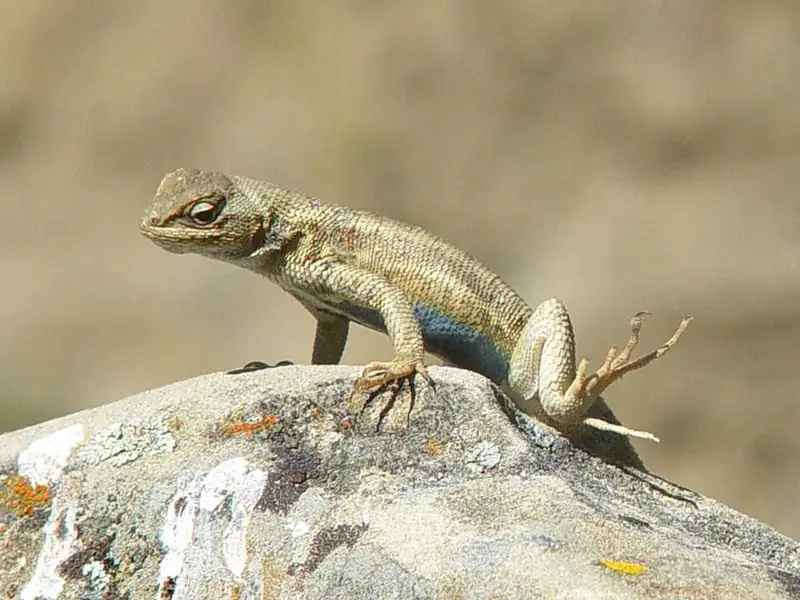 Reptile
 Sagebrush lizard
Sceloporus graciosus
A small, slender, high-country lizard, the fence lizard's cousin, whose males flash blue belly and throat patches in a push-up display.
-
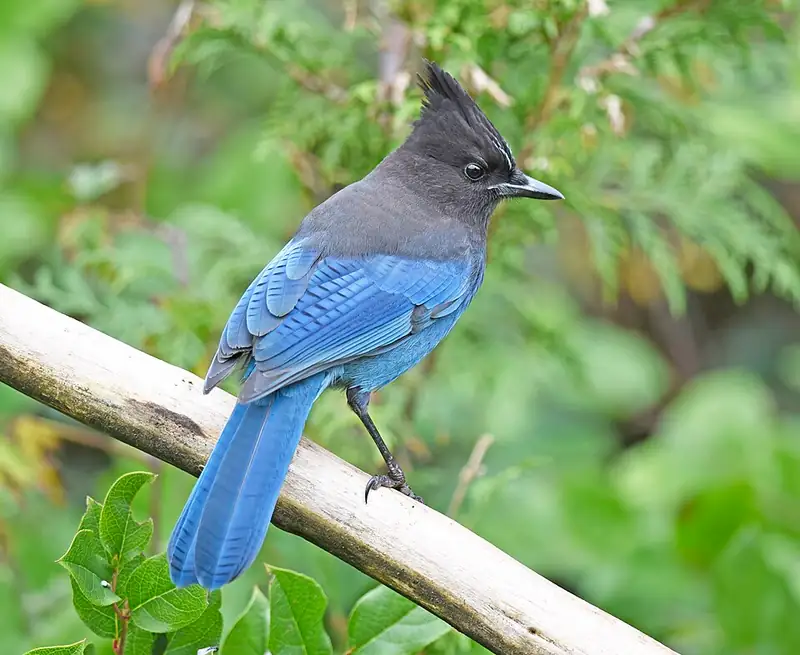 Bird
Bird Steller's jay
Cyanocitta stelleri
A deep-blue mountain jay with a black crest and a loud voice, the campground bird that will eye your sandwich at Yosemite, Sequoia, and Crater Lake.
-
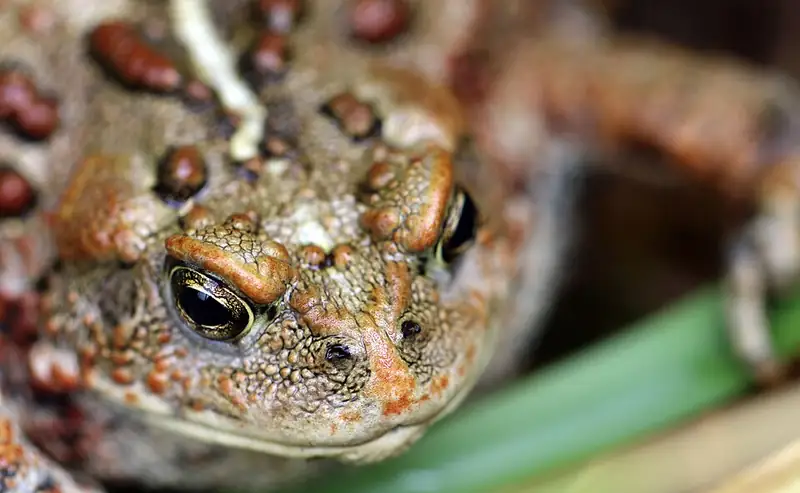 Amphibian
 Western toad
Anaxyrus boreas
A stout, warty toad that walks instead of hopping, with poison glands behind each eye, ranging from lowland ponds to mountain lakes across the Cascades.