Animals & Plants of Badlands National Park
The 39 animals, plants, and fungi you can find at Badlands National Park, with sizes, diets, and whether you should worry. See the full park guide at Badlands National Park.
Badlands is eroded buttes set in one of the largest stretches of mixed-grass prairie in the park system, and the prairie is where the animals are. American bison and bighorn sheep graze the grass and ledges, black-tailed prairie dogs dig towns, and black-footed ferrets and swift foxes hunt them after dark. Prairie rattlesnakes and bullsnakes live in the grass beside the trails.
Turn this into a game: Play Badlands National Park Bingo →Common questions
Which Badlands animals demand real distance?
At Badlands National Park, give space to American bison, Prairie rattlesnake, Bighorn sheep, Coyote, and Pronghorn. American bison: Bison look slow and calm, but they are not tame and they hurt more people in Yellowstone than any other animal. Prairie rattlesnake: It is the only dangerously venomous snake at Yellowstone, Badlands, Theodore Roosevelt, and Wind Cave. Bighorn sheep: Bighorn sheep are shy and would rather climb away than come near you. Coyote: Coyotes almost always run from people. Pronghorn: Not a real worry: pronghorn keep their distance from people on their own. (per NPS species pages).
What do Badlands animals eat?
At Badlands National Park, the most interesting eaters are American bison, Bald eagle, Golden eagle, and Black-footed ferret. American bison eats grasses, sedges, a few leafy plants. Bald eagle eats fish, ducks, gulls, small mammals, carrion. Golden eagle eats rabbits, hares, ground squirrels, marmots, ptarmigan. Black-footed ferret eats prairie dogs, mice, other small mammals. (per NPS species pages).
Which Badlands species has the strangest true fact?
The strangest true thing about Badlands National Park: Prairie rattlesnake: It is the only venomous reptile in Yellowstone, Badlands, Theodore Roosevelt, and Wind Cave National Parks. Swift fox: Biologists reintroduced swift foxes to Badlands starting in 2003, using animals moved from Colorado and Wyoming, after the species had disappeared from the area. (per NPS species pages).
Anything here that bites?
Venomous
- Prairie rattlesnake: It is the only dangerously venomous snake at Yellowstone, Badlands, Theodore Roosevelt, and Wind Cave.
Keep away
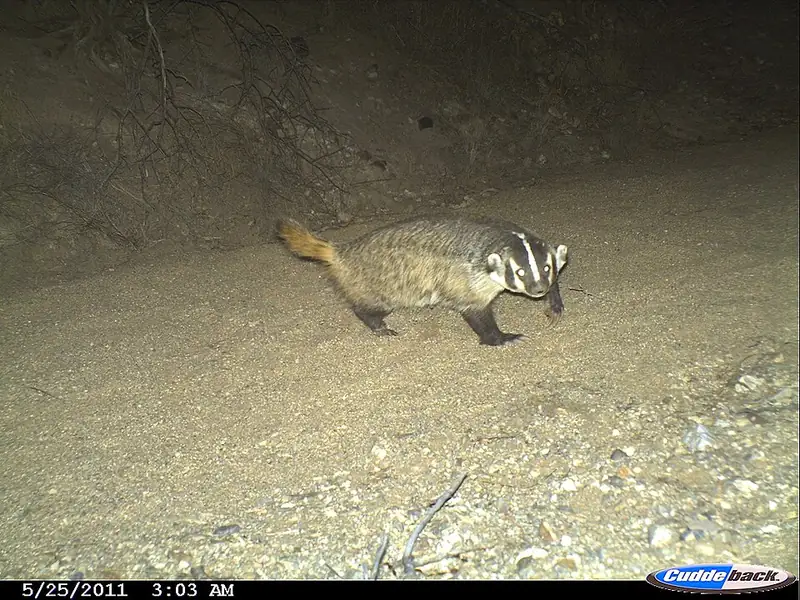
- American badger: Badgers would rather dig away than fight and avoid people entirely.
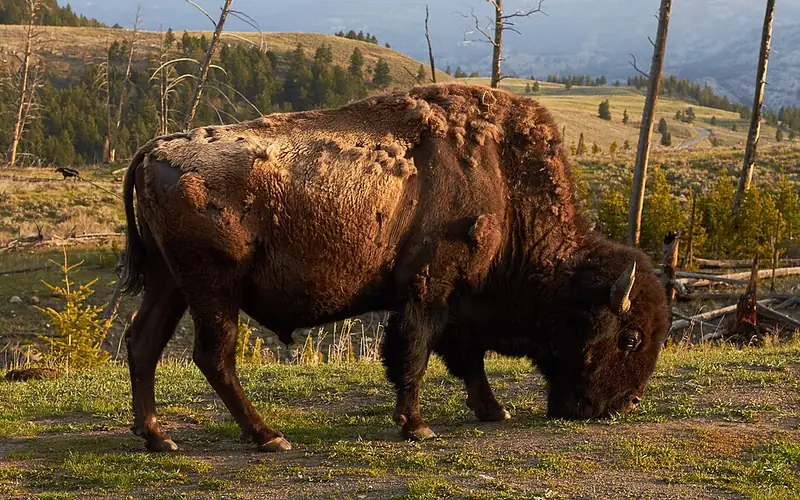
- American bison: Bison look slow and calm, but they are not tame and they hurt more people in Yellowstone than any other animal.
- Bighorn sheep: Bighorn sheep are shy and would rather climb away than come near you.
- Bobcat: Very low.
- Coyote: Coyotes almost always run from people.
- Mule deer: Mule deer look calm and tame, but they are wild animals with sharp hooves, and bucks have antlers in fall.
- Pronghorn: Not a real worry: pronghorn keep their distance from people on their own.
- White-tailed deer: White-tailed deer normally run from people.
Don't touch or eat
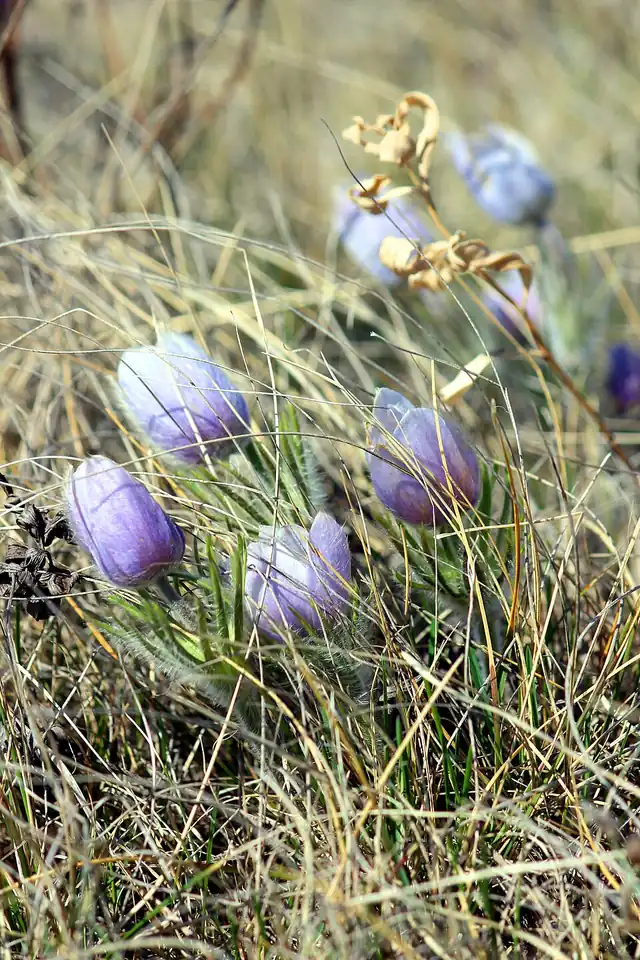
- American pasqueflower: Every part of this plant is poisonous to eat, and the fresh sap can blister skin.
- Great Plains toad: Not dangerous if you leave it alone.
- North American porcupine: A porcupine cannot throw or shoot its quills, but they detach the instant something touches them, and the barbed tips work deeper into skin over time.
- Plains spadefoot: Not dangerous.
Bites if handled
- Bald eagle: A bald eagle will not come after you.
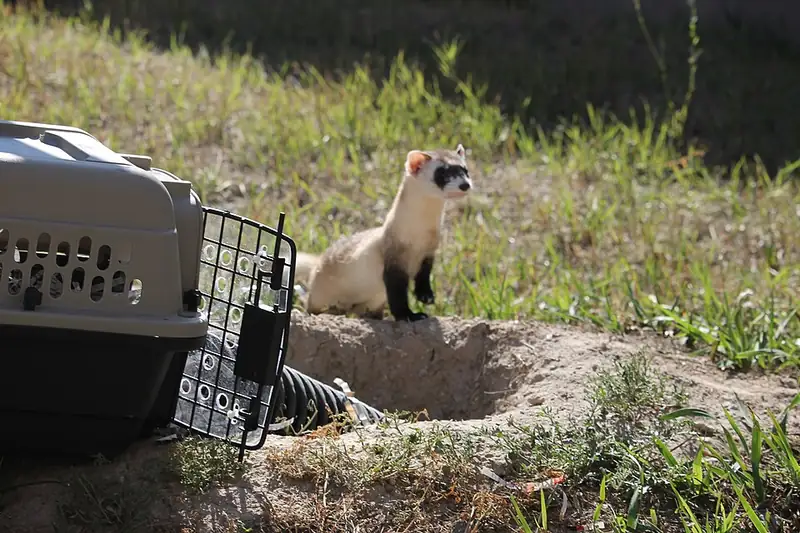
- Black-footed ferret: You're extremely unlikely to run into one by surprise — they hunt at night, underground, and there are very few left.
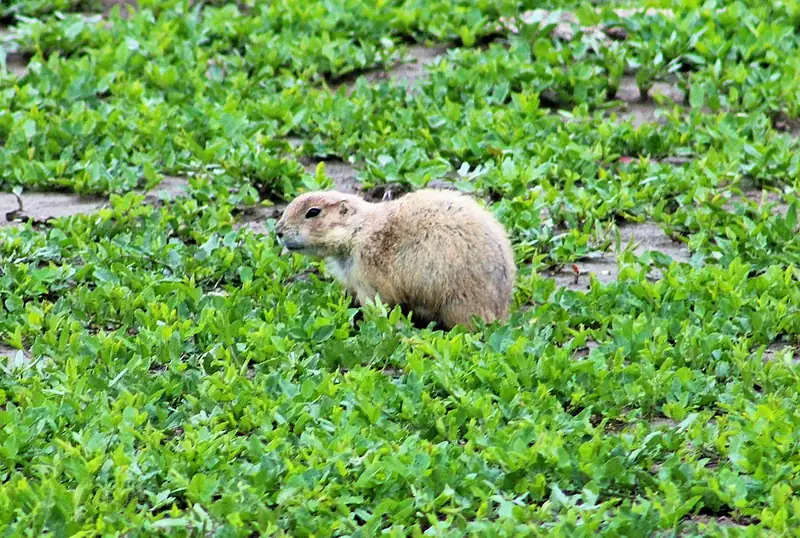
- Black-tailed prairie dog: They will not bite you if you leave them alone, and the real hazard is invisible: prairie dogs can carry fleas that spread sylvatic plague, the same bacterium that causes bubonic plague in people.
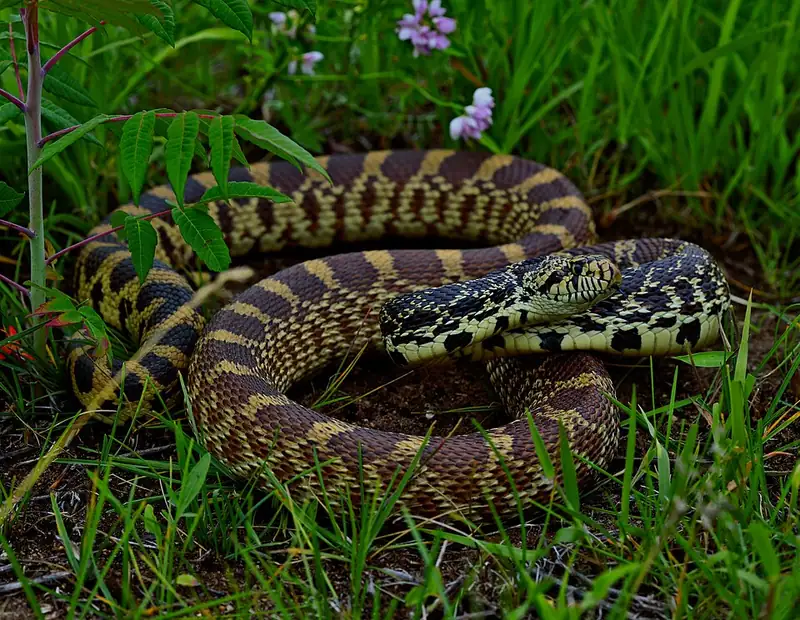
- Bullsnake: Not dangerous at all — it has no venom.
- Burrowing owl: Burrowing owls are harmless to people.
- Golden eagle: A golden eagle will not come after a person.
- Great horned owl: This owl hunts small animals at night and will not come after you.
- Little brown bat: Very low risk.
- Peregrine falcon: None to worry about.
- Red-tailed hawk: None.
- Sandhill crane: A sandhill crane is big but shy and will usually walk away from people.
- Swift fox: Harmless to people.
- Townsend's big-eared bat: Bats are not out to hurt you, and they are not 'flying mice' or blind.
- Trumpeter swan: Trumpeter swans are not a danger, but give a nesting pair room.
- Turkey vulture: None directly — it eats only dead animals and avoids people.
- Wild turkey: A turkey will walk away from you long before you get close, and the only real trouble comes from feeding one.
Everything else on this page is harmless. What each group means.
-
 Mammal
 American badger
Taxidea taxus
A short, wide-bodied digger with a white-striped face, common on the grasslands of Yellowstone and Badlands, that can vanish underground in minutes.
-
 Mammal
 American bison
Bison bison
The biggest land animal in North America, a shaggy grazer of the plains you can watch cross the road in Yellowstone.
-
 Plant
Plant American pasqueflower
Pulsatilla patens ssp. multifida
A furry, purple-blue prairie flower that beats the grass out of the ground each spring, blooming before almost anything else is green.
-
 Bird
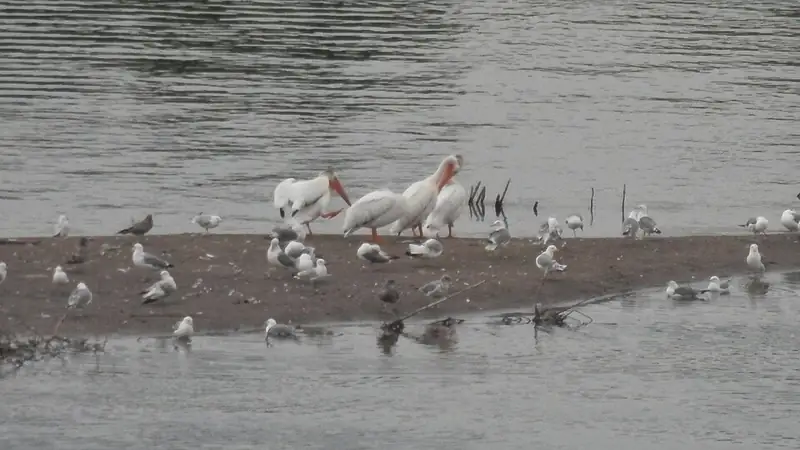
Bird American white pelican
Pelecanus erythrorhynchos
A huge white bird with an orange throat pouch that fishes in groups and nests on tiny islands in Yellowstone Lake and other high-country waters.
-
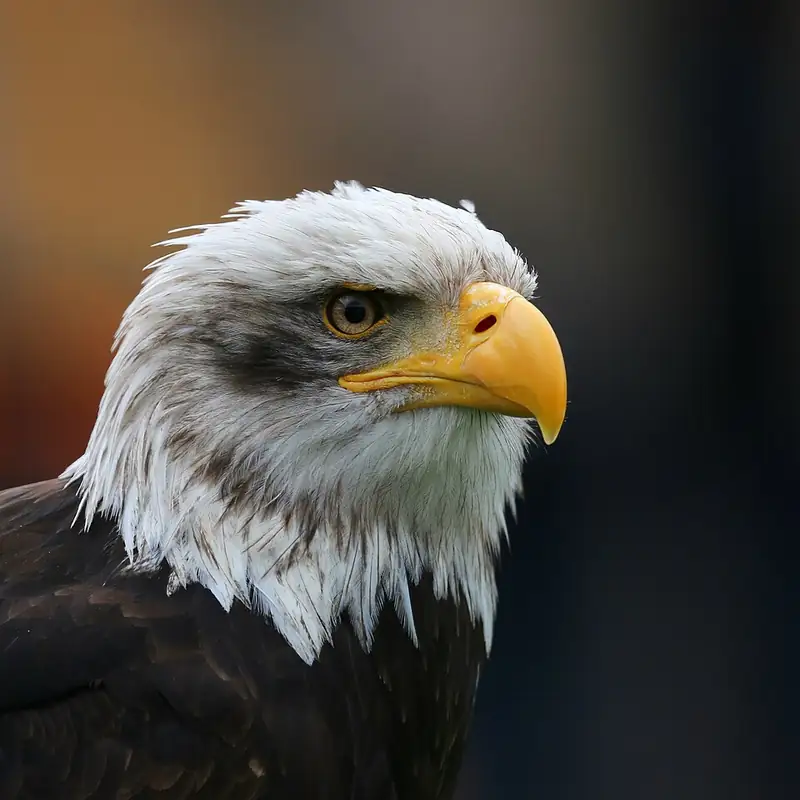 Bird
Bird Bald eagle
Haliaeetus leucocephalus
The white-headed fish hawk that is the national bird of the United States, common along the lakes of Voyageurs and the coasts of Olympic and Katmai.
-
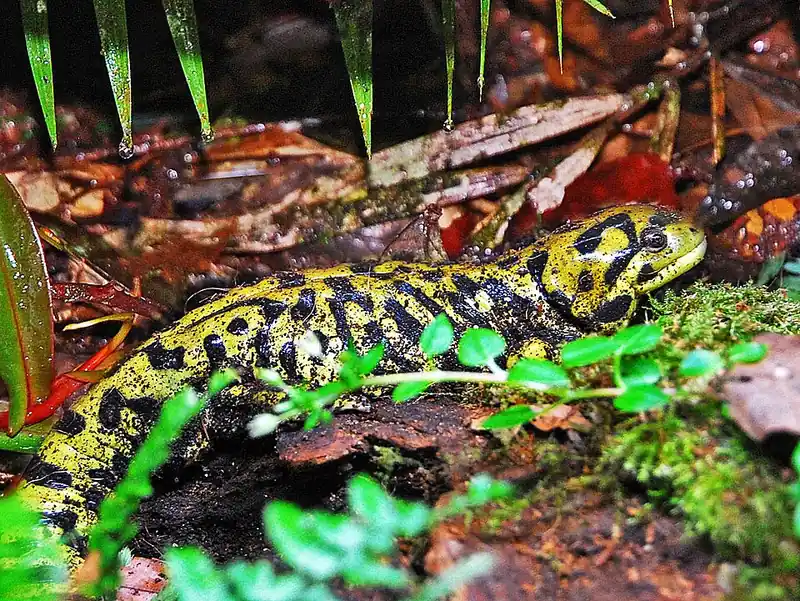 Amphibian
 Barred tiger salamander
Ambystoma mavortium
A stout, yellow-barred salamander that spends most of the year underground and gathers in prairie ponds to breed, living around Great Sand Dunes and Badlands.
-
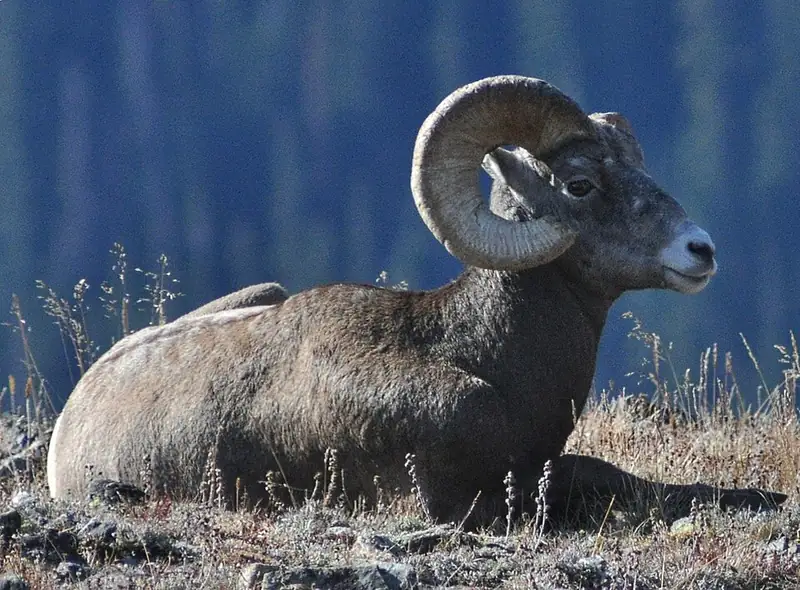 Mammal
 Bighorn sheep
Ovis canadensis
A wild sheep of cliffs and canyons, where rams carry heavy curled horns and both sexes cross steep rock other animals can't.
-
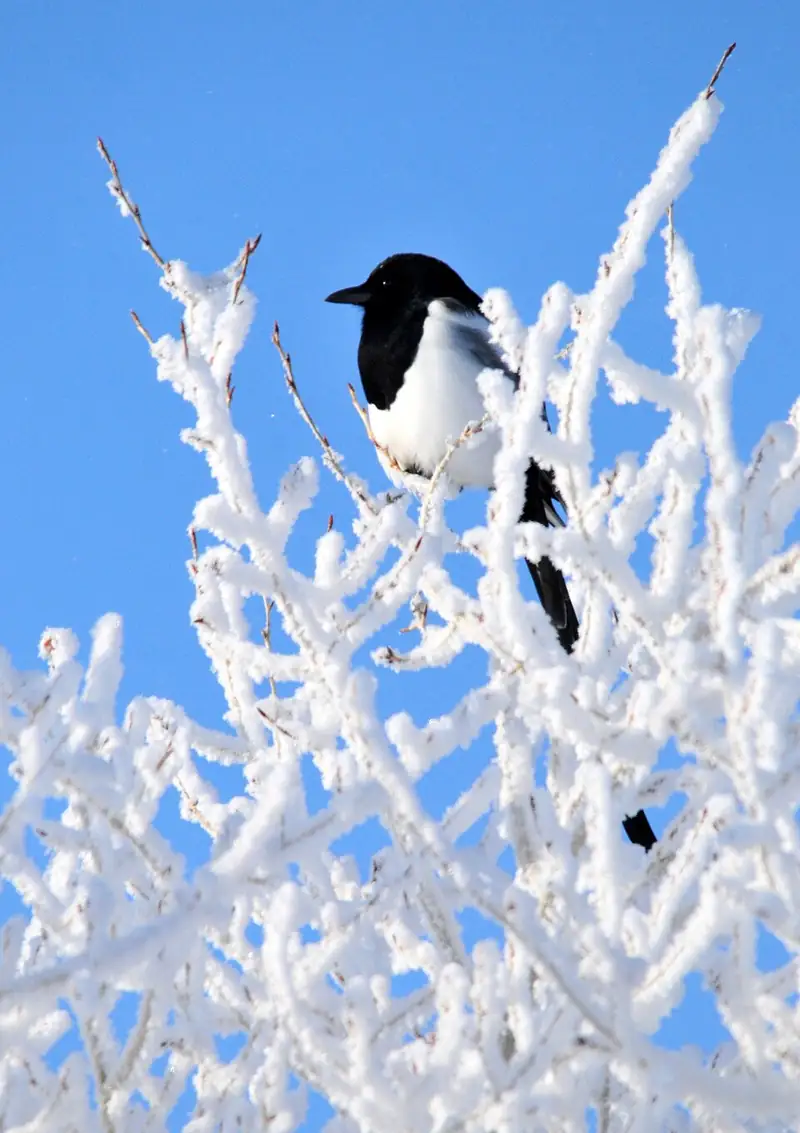 Bird
Bird Black-billed magpie
Pica hudsonia
A black-and-white corvid with a tail as long as its body, common on fences and roadsides across the northern Rockies and Great Plains.
-
 Mammal
 Black-footed ferret
Mustela nigripes
A masked, prairie-dog-hunting weasel declared extinct in 1979, brought back from a single Wyoming colony and now living wild again at Badlands and Wind Cave.
-
 Mammal
 Black-tailed prairie dog
Cynomys ludovicianus
A burrowing ground squirrel, not a dog. Its towns along Theodore Roosevelt's scenic loop mow the grass short and pull bison and pronghorn in to graze.
-
 Mammal
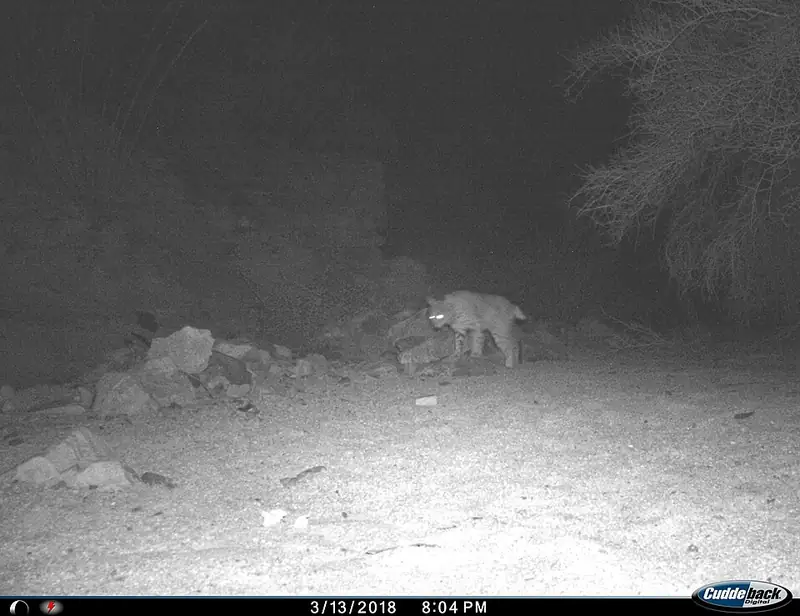
 Bobcat
Lynx rufus
A small wildcat about twice the size of a house cat, common but rarely seen, that can bring down prey many times its own weight.
-
 Reptile
 Bullsnake
Pituophis catenifer sayi
A big, harmless snake that fakes being a rattlesnake — hissing, flattening its head, and shaking its tail in dry grass — to talk its way out of trouble.
-
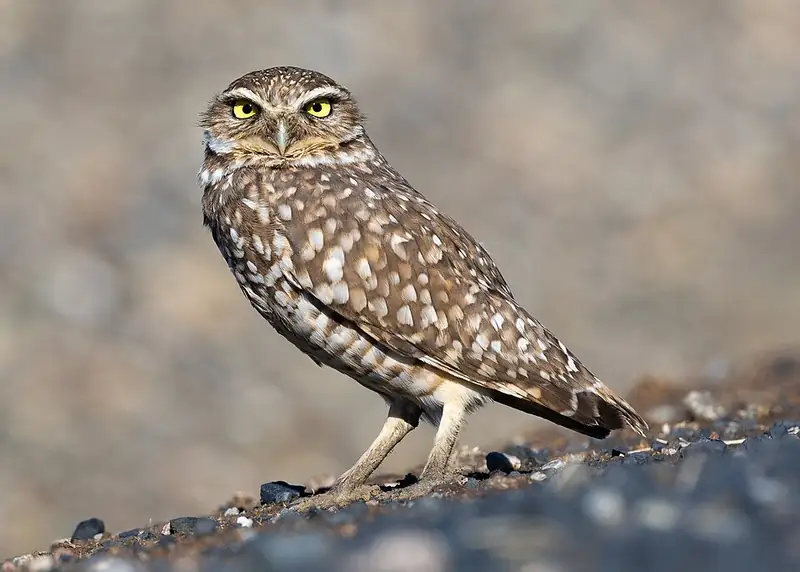 Bird
Bird Burrowing owl
Athene cunicularia
A small owl that nests underground in old prairie-dog burrows and hunts in daylight across Western grasslands, unlike most owls.
-
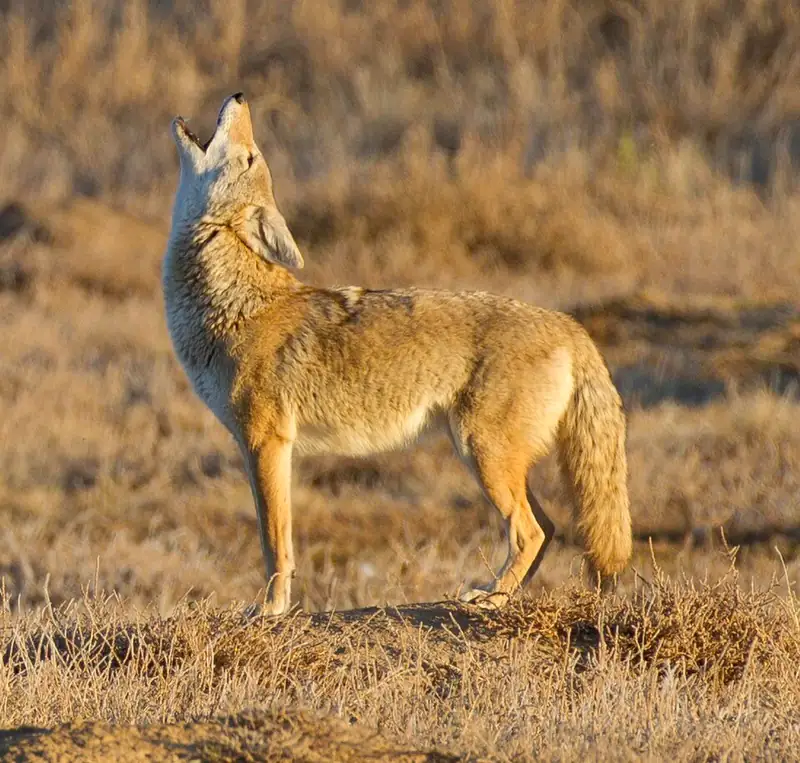 Mammal
 Coyote
Canis latrans
The wild dog you're most likely to hear at a national park — a coyote, at home in the desert, the mountains, and the edges of towns.
-
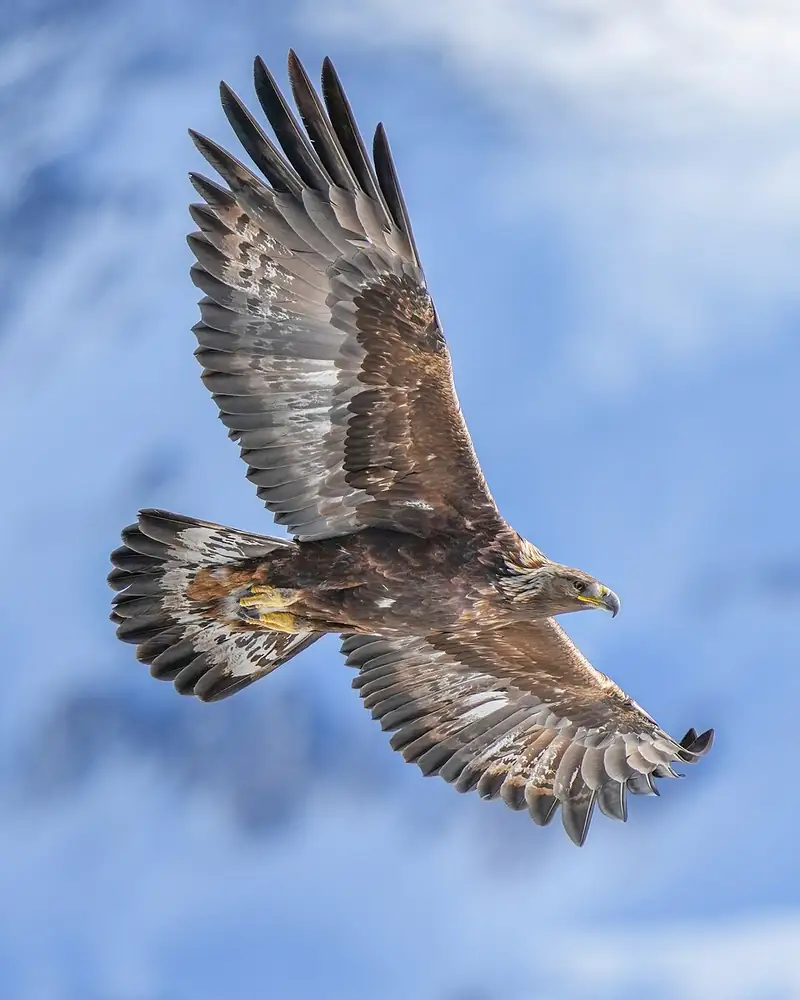 Bird
Bird Golden eagle
Aquila chrysaetos
A dark brown eagle with golden neck feathers that hunts rabbits and hares across open country, nesting on cliffs in Denali, Death Valley, and Great Basin.
-
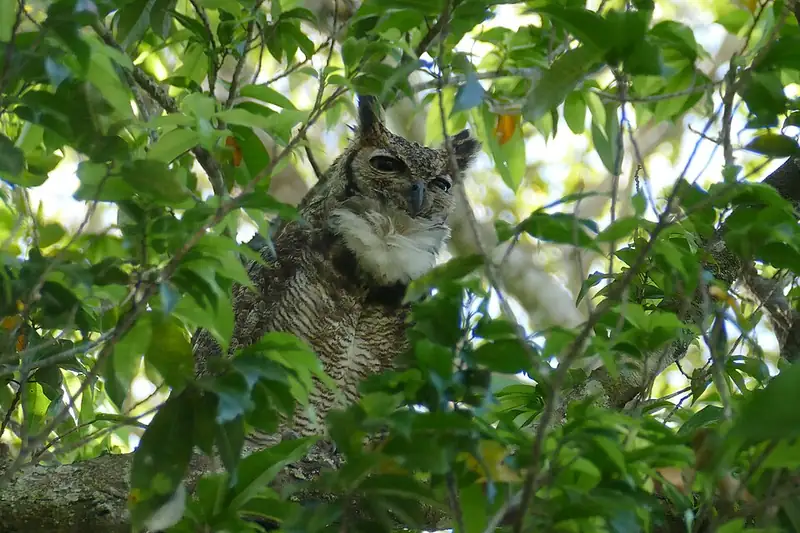 Bird
Bird Great horned owl
Bubo virginianus
A big night hunter with feathery "horns" and a deep hoot, found from the saguaro desert to the Everglades, hunting after dark on silent wings.
-
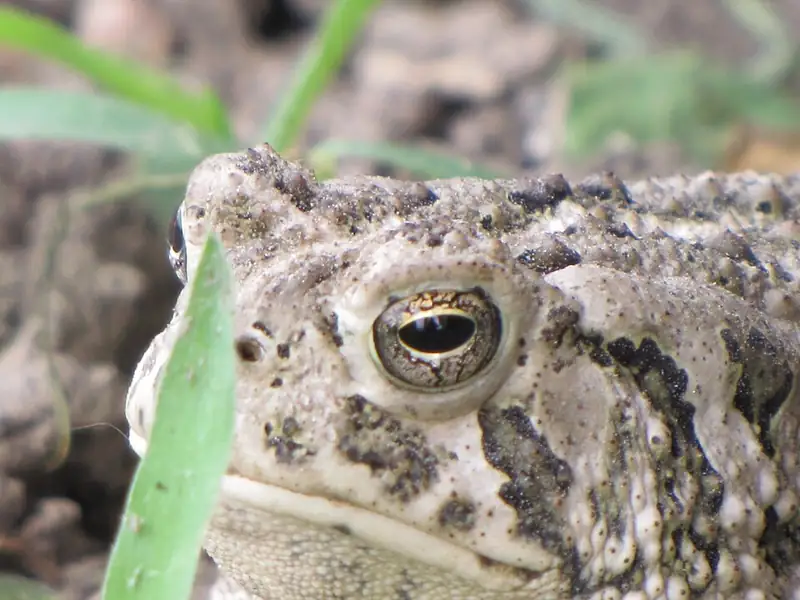 Amphibian
 Great Plains toad
Anaxyrus cognatus
A warty prairie toad that rises from the ground by the thousands after summer rain to fill Great Sand Dunes with a buzzing, metallic trill.
-
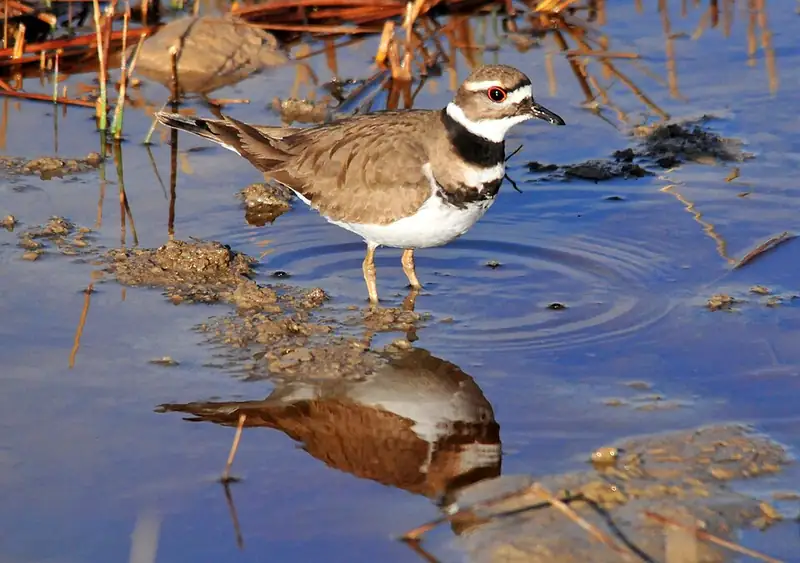 Bird
Bird Killdeer
Charadrius vociferus
A shorebird that lives nowhere near a shore. At Badlands we never saw one. We heard it call its own name across the campground.
-
 Mammal
 Little brown bat
Myotis lucifugus
A tiny brown flyer that hunts insects over water at dusk and sleeps in caves and barns, eating half its own weight in bugs each night.
-
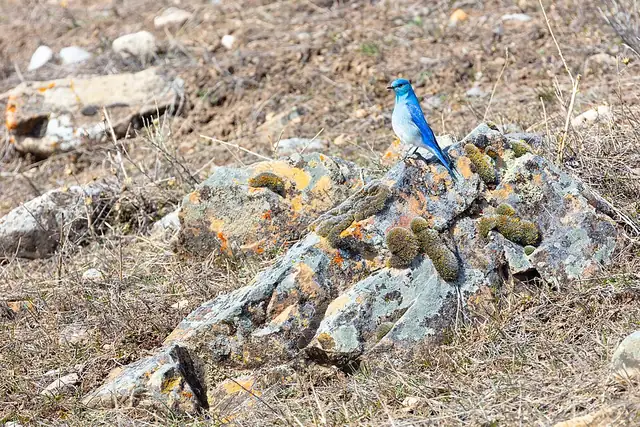 Bird
Bird Mountain bluebird
Sialia currucoides
A sky-blue thrush of high, open country, the only bluebird seen regularly above 5,000 feet, nesting in lava-rock crevices at Craters of the Moon.
-
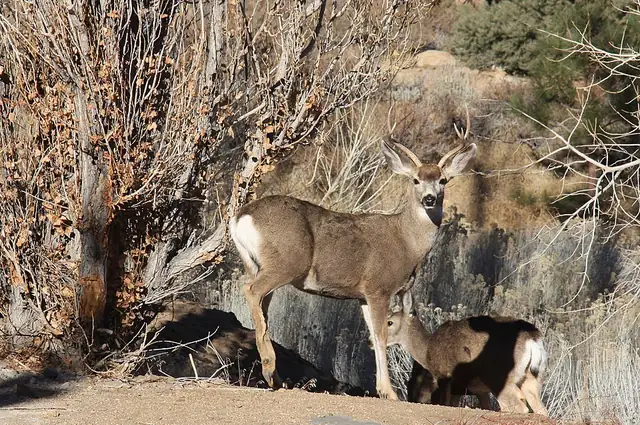 Mammal
 Mule deer
Odocoileus hemionus
A western deer named for its big mule-like ears, common along canyon rims and desert washes in Grand Canyon, Zion, Yosemite, and Saguaro.
-
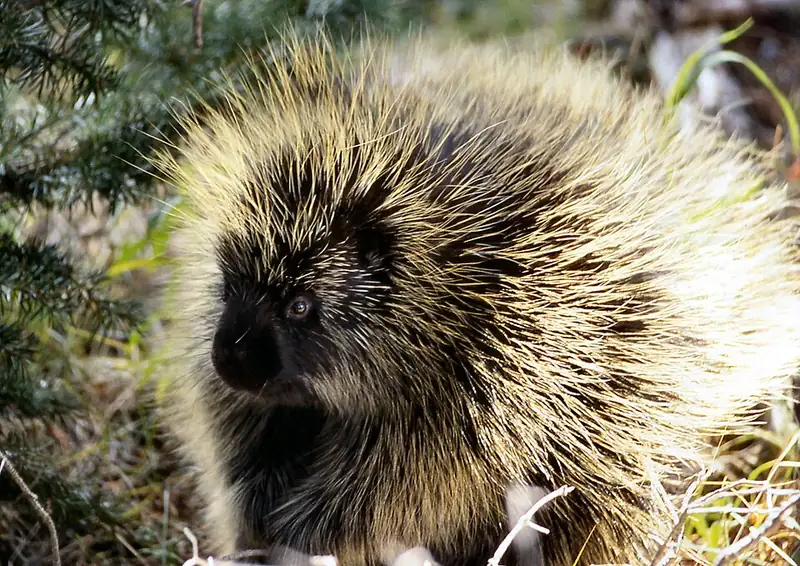 Mammal
 North American porcupine
Erethizon dorsatum
A slow, quill-covered rodent that climbs into the treetops at Theodore Roosevelt to eat twigs, and North America's second-largest rodent after the beaver.
-
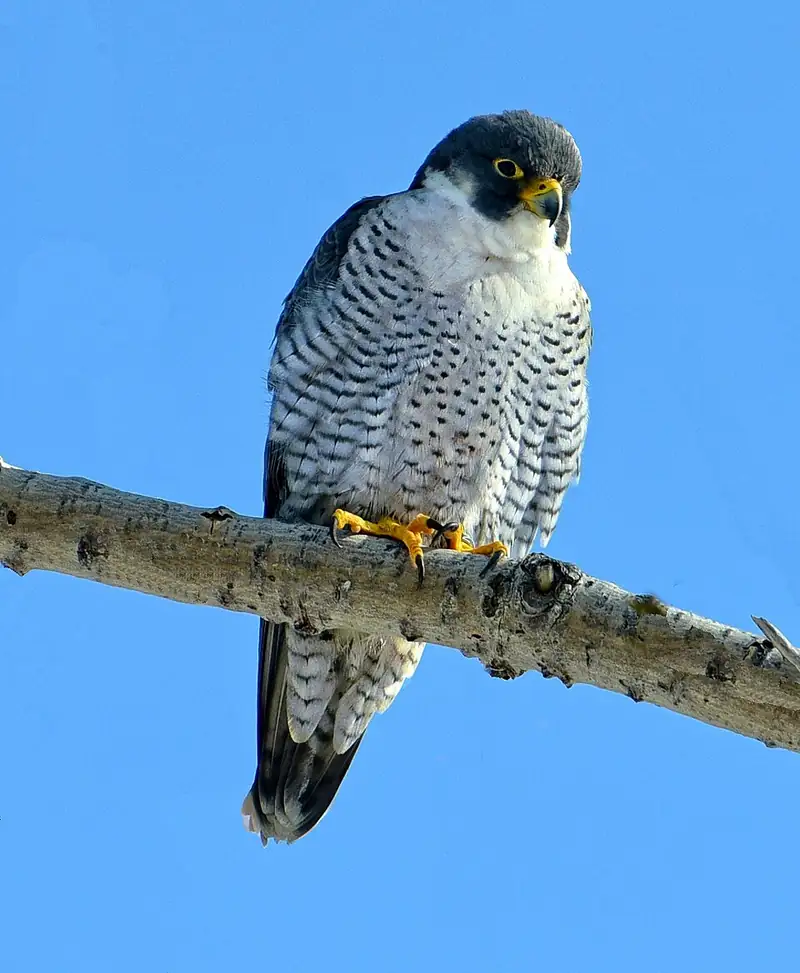 Bird
Bird Peregrine falcon
Falco peregrinus
The fastest animal alive, a crow-sized falcon that folds its wings and stoops on other birds in midair, and a species that nearly vanished before recovering.
-
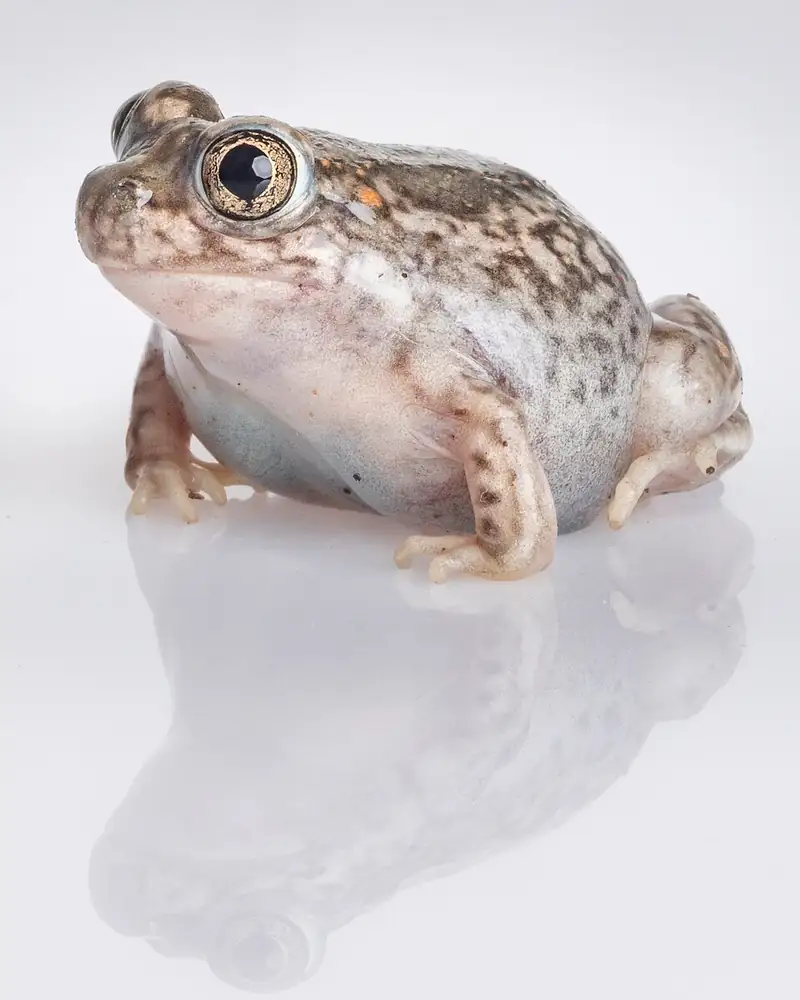 Amphibian
 Plains spadefoot
Spea bombifrons
A cat-eyed toad that digs backward into sand with a spade on each hind foot and spends nearly all year hidden underground.
-
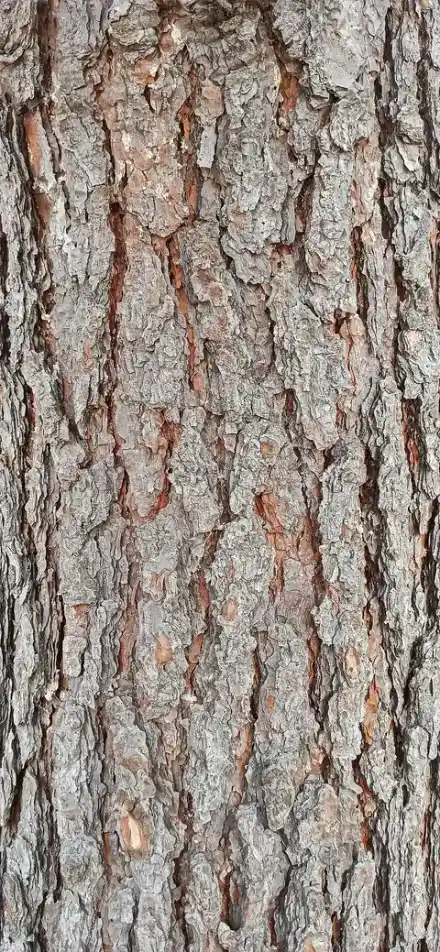 Plant
Plant Ponderosa pine
Pinus ponderosa
A tall western pine whose sun-warmed bark smells like butterscotch and vanilla, and which drops its low branches so ground fire can pass safely beneath it.
-
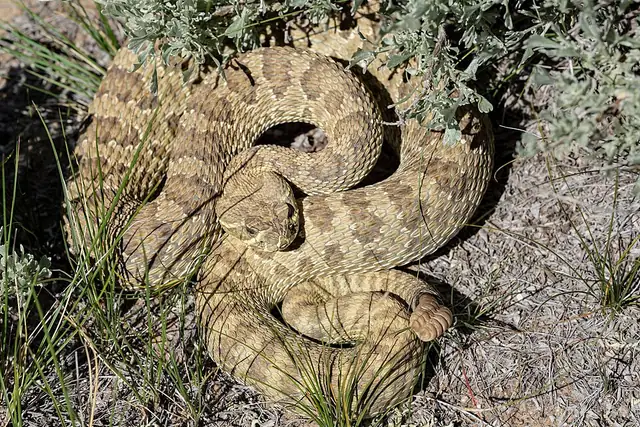 Reptile
 Prairie rattlesnake
Crotalus viridis
A gray-green pit viper with a buzzing rattle, the only venomous reptile at several of the parks it shares with prairie dogs and badgers.
-
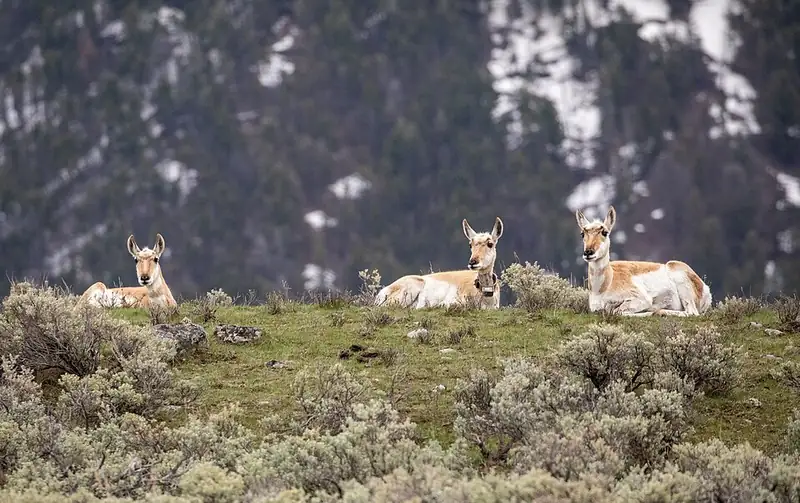 Mammal
 Pronghorn
Antilocapra americana
North America's fastest land mammal, seen in Yellowstone's northern range and at Lava Beds, built to outrun a predator that went extinct 12,000 years ago.
-
 Bird
Bird Red-tailed hawk
Buteo jamaicensis
The hawk most often recorded in Yellowstone. We watched a hawk take a pika near the Roosevelt cabins and could not tell you which hawk it was.
-
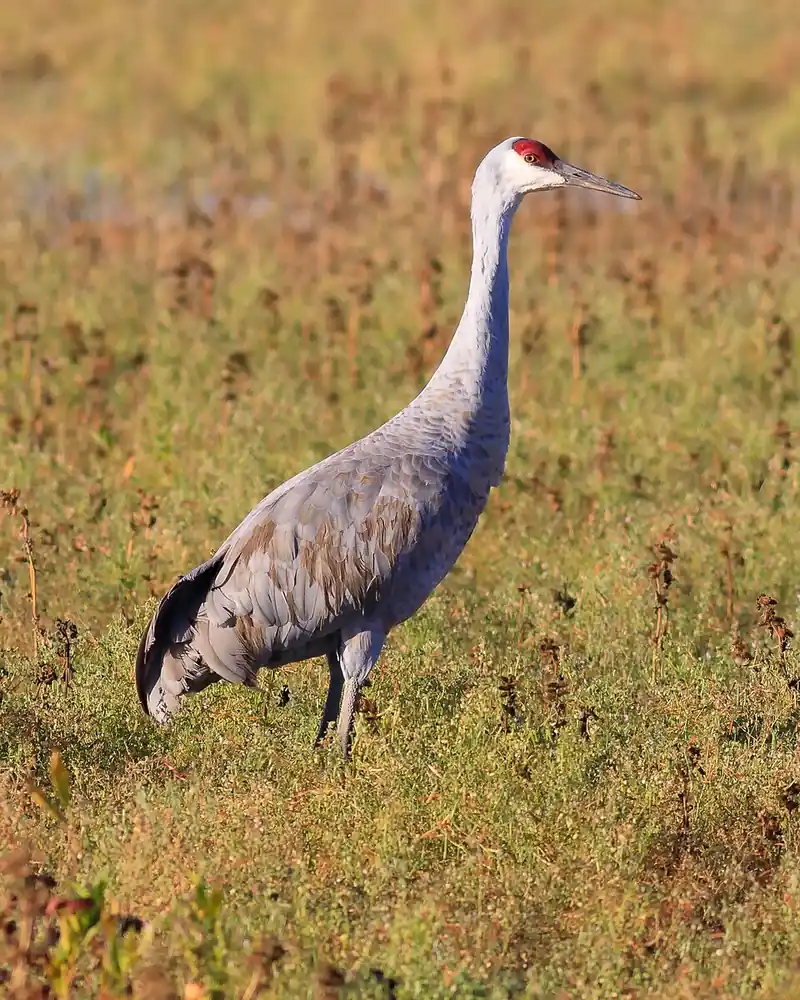 Bird
Bird Sandhill crane
Antigone canadensis
A tall gray wading bird with a red forehead and a bugling call, gathering by the thousands near Great Sand Dunes and standing year-round in the Everglades.
-
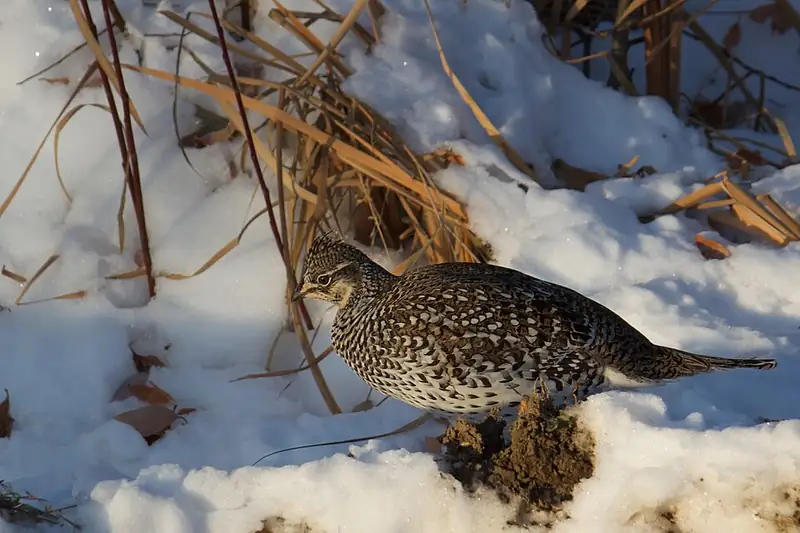 Bird
Bird Sharp-tailed grouse
Tympanuchus phasianellus
A prairie grouse that dances on open ground at dawn, stamping its feet and inflating purple air sacs on its neck to attract a mate.
-
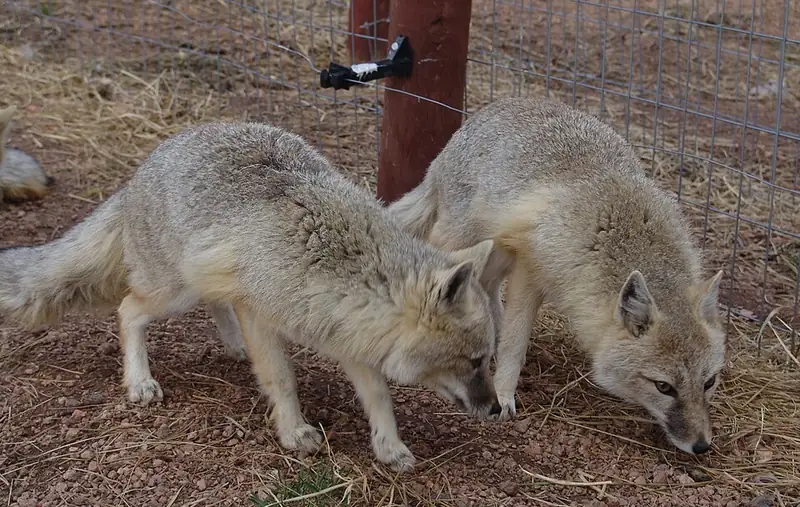 Mammal
 Swift fox
Vulpes velox
A cat-sized fox of the shortgrass prairie, wiped out of South Dakota for most of the twentieth century and reintroduced to Badlands starting in 2003.
-
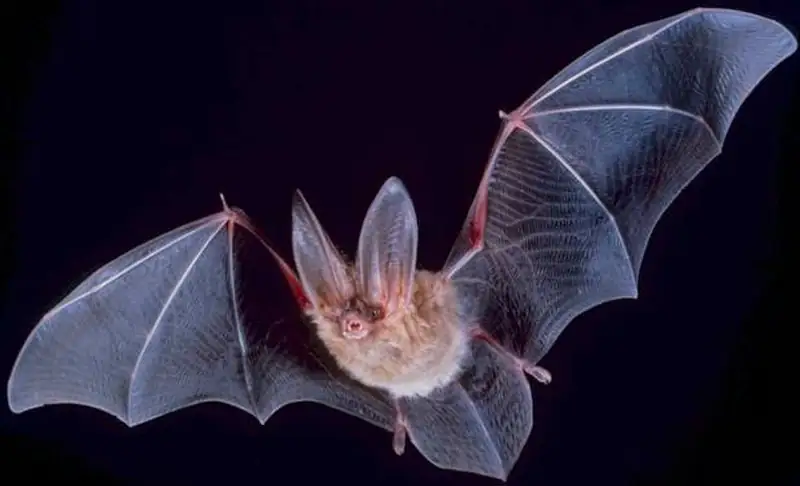 Mammal
 Townsend's big-eared bat
Corynorhinus townsendii
A soft brown bat with enormous curling ears that roosts in the cool lava-tube caves of Lava Beds and hunts moths in the dark.
-
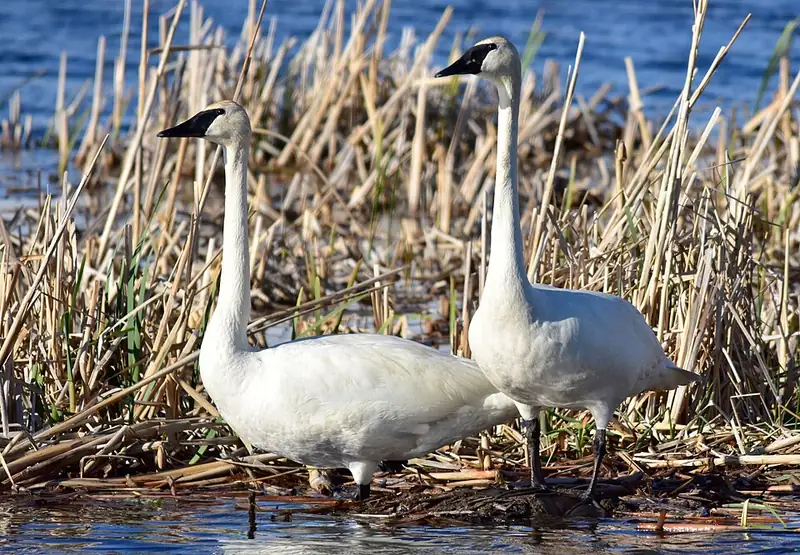 Bird
Bird Trumpeter swan
Cygnus buccinator
North America's largest waterfowl, a white swan with a trumpeting call, found on rivers and lakes from Yellowstone to the Dakota prairies.
-
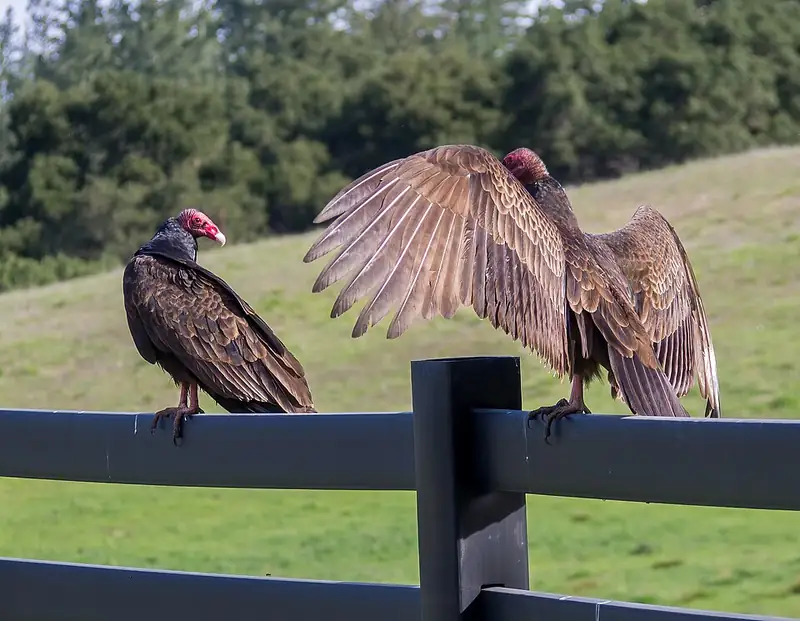 Bird
Bird Turkey vulture
Cathartes aura
A large, dark soaring bird with a bare red head, circling on thermals over open country, using one of the sharpest noses of any bird.
-
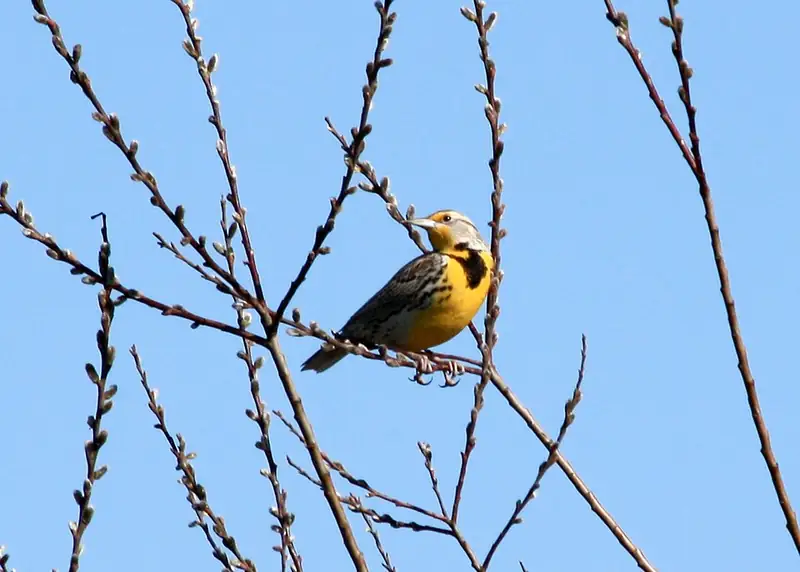 Bird
Bird Western meadowlark
Sturnella neglecta
A grassland songbird with a yellow throat and a black V on its chest, the state bird of Montana, Wyoming, and North Dakota.
-
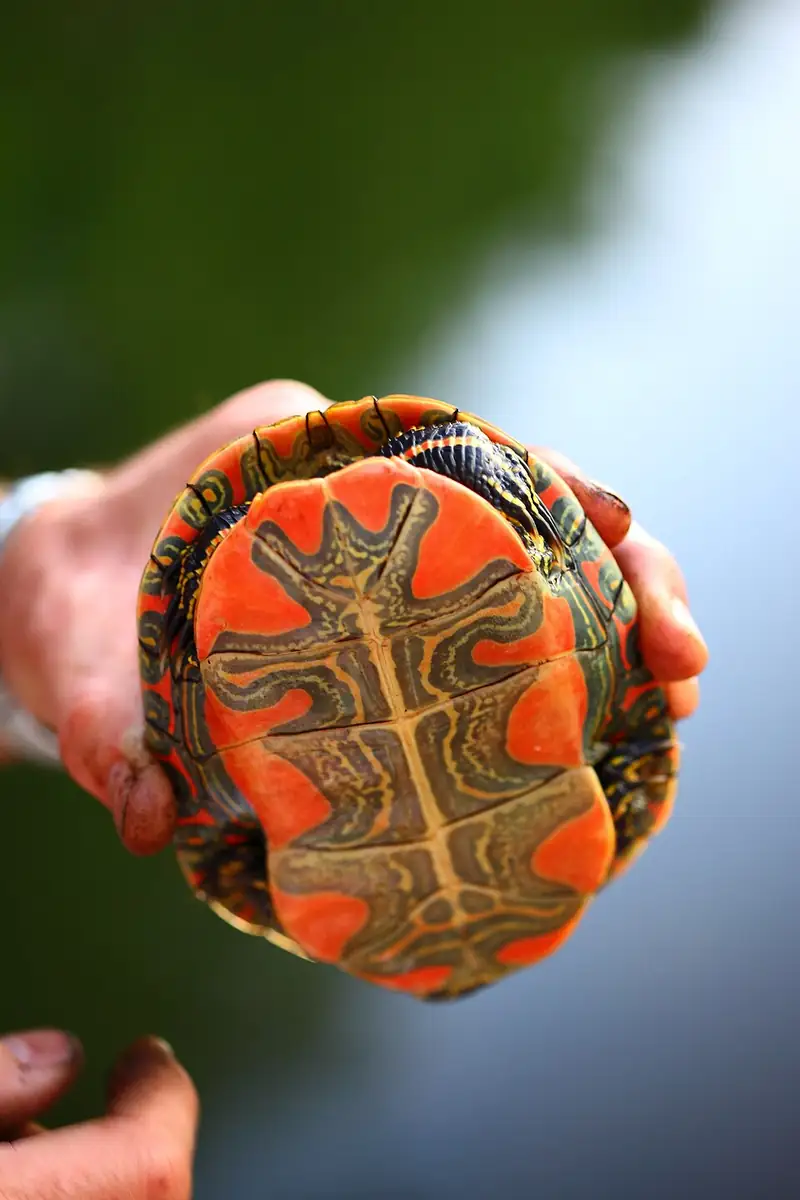 Reptile
 Western painted turtle
Chrysemys picta bellii
A smooth-shelled turtle with red-striped legs that basks on logs in northern lakes and survived being nearly frozen as a hatchling.
-
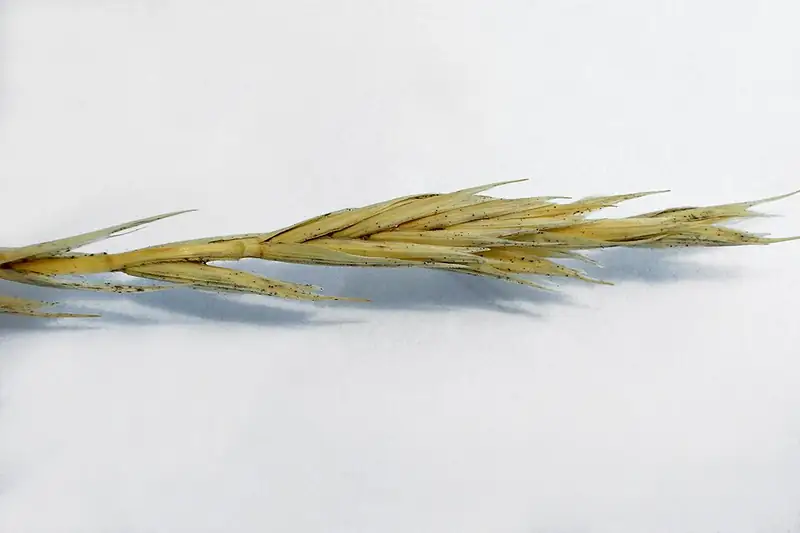 Plant
Plant Western wheatgrass
Pascopyrum smithii
A blue-green prairie grass whose underground rhizomes weave a tough sod — the official state grass of North and South Dakota.
-
 Mammal
 White-tailed deer
Odocoileus virginianus
The most common large mammal in eastern parks, running through the woods and waving a white tail like a flag when it bolts.
-
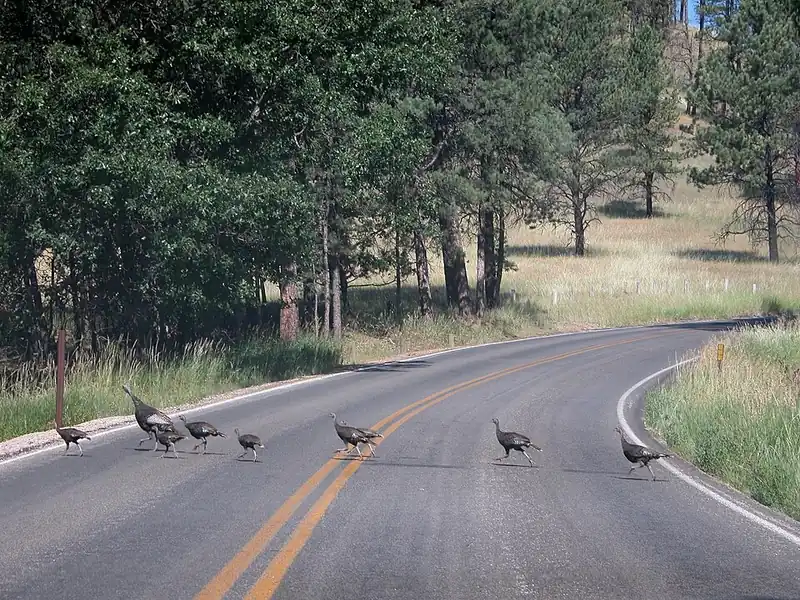 Bird
Bird Wild turkey
Meleagris gallopavo
A forest bird in a park with almost no forest. Badlands turkeys hold to the wooded draws, because a turkey needs a tree to sleep in.