Plants of Badlands National Park
The 3 plants of Badlands National Park. Each carries a fun fact and a note on whether a kid should worry about it.
Common questions
Which Badlands National Park plants demand distance from a kid?
American pasqueflower, Ponderosa pine, and Western wheatgrass carry a rule worth reading. American pasqueflower: Every part of this plant is poisonous to eat, and the fresh sap can blister skin. Ponderosa pine: Safe and fun. Western wheatgrass: No thorns, no poison. (per NPS species pages).
What do Badlands National Park plants eat?
American pasqueflower eats sunlight, water, soil nutrients. (per NPS species pages).
The strangest true thing about Badlands National Park's plants.
American pasqueflower: At Theodore Roosevelt National Park, the pasqueflower is the first wildflower to bloom each spring, in April. Ponderosa pine: The bark of an old ponderosa smells like butterscotch or vanilla when it is warm in the sun, so people press their noses right into the cracks to catch it. (per NPS species pages).
-
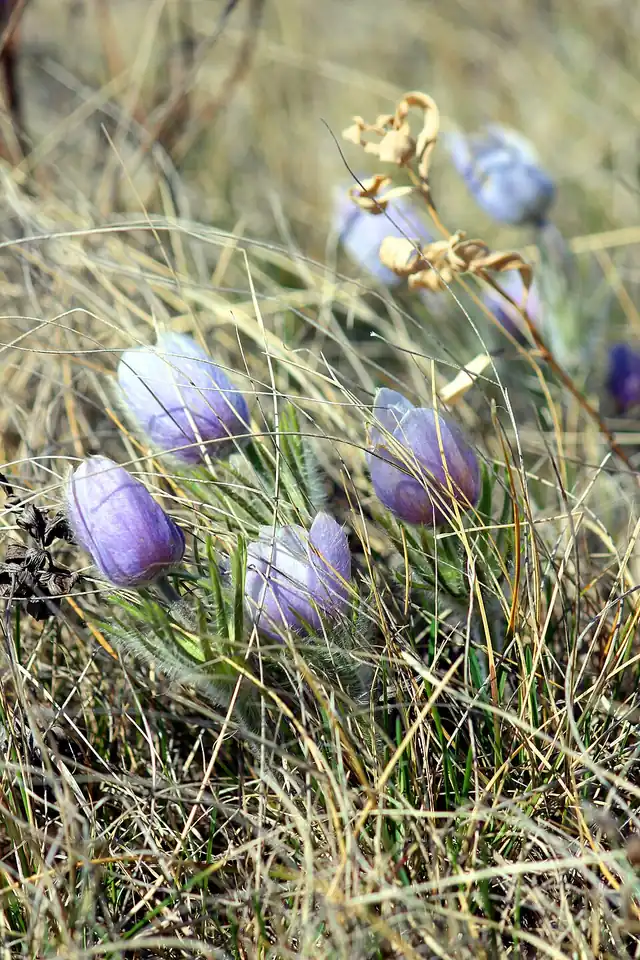 Plant
American pasqueflower
Pulsatilla patens ssp. multifida
A furry, purple-blue prairie flower that beats the grass out of the ground each spring, blooming before almost anything else is green.
-
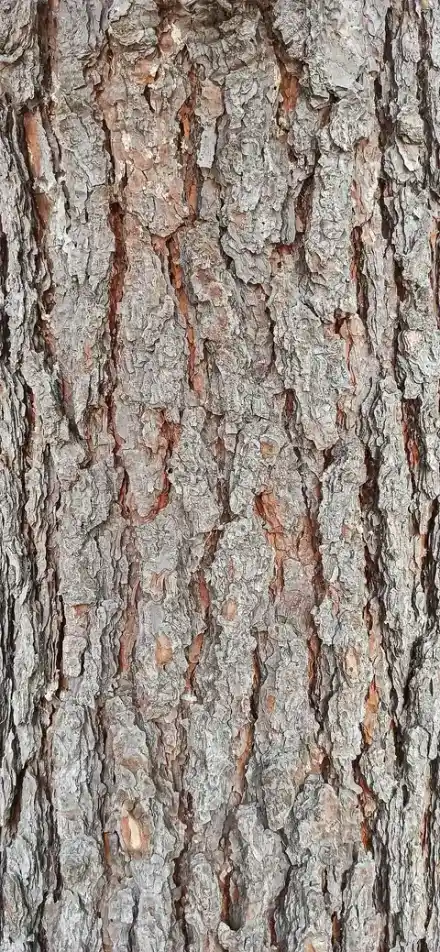 Plant
Ponderosa pine
Pinus ponderosa
A tall western pine whose sun-warmed bark smells like butterscotch and vanilla, and which drops its low branches so ground fire can pass safely beneath it.
-
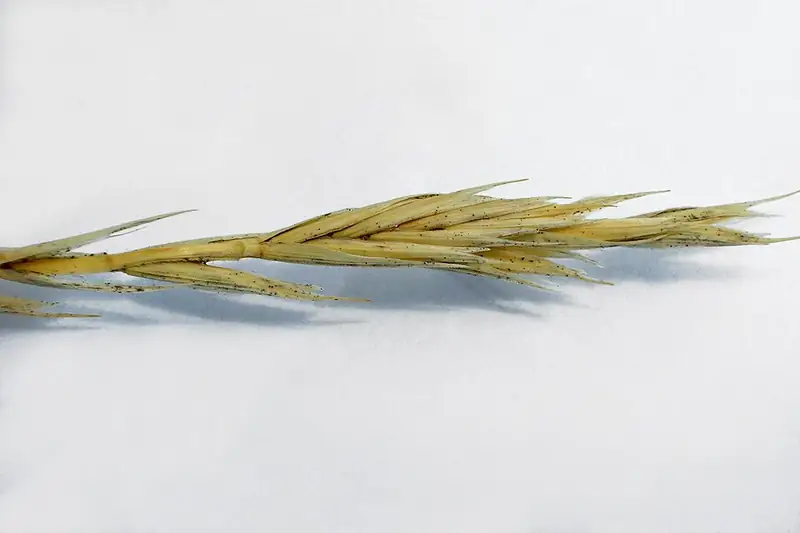 Plant
Western wheatgrass
Pascopyrum smithii
A blue-green prairie grass whose underground rhizomes weave a tough sod — the official state grass of North and South Dakota.