Mammals of Glacier National Park
The 19 mammals you can find at Glacier National Park, like the American beaver — sizes, diets, and whether you should worry.
-
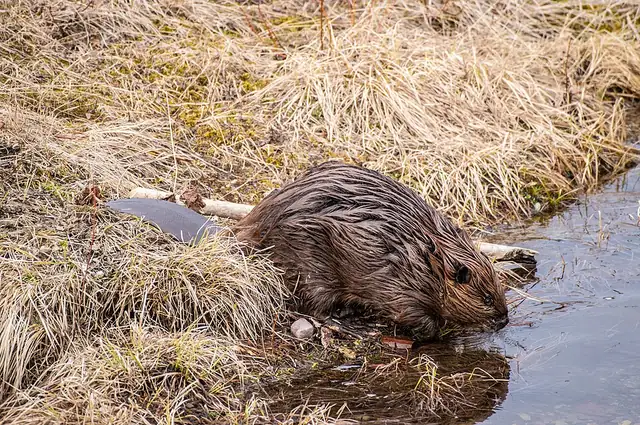 Mammal
 American beaver
Castor canadensis
North America's largest rodent, a keystone species whose dams reshape whole streams at Yellowstone, Glacier, and ten other parks along the route.
-
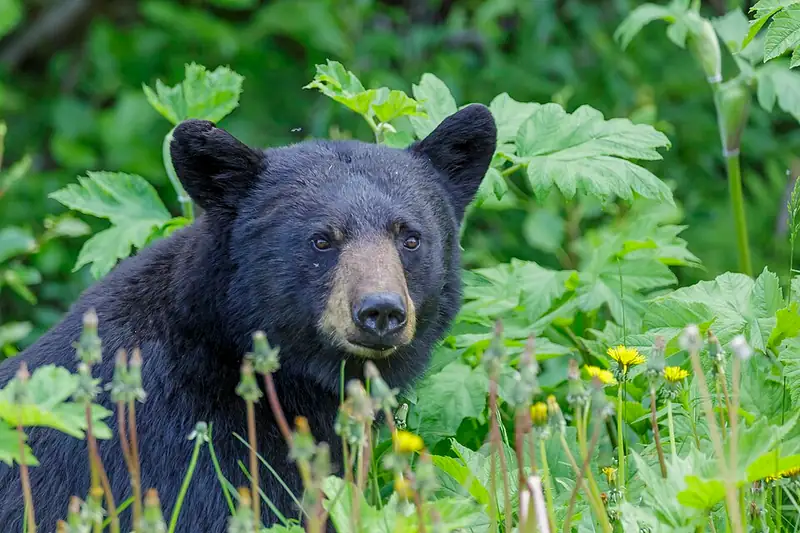 Mammal
 American black bear
Ursus americanus
The bear you're most likely to meet east of the Rockies, a strong tree-climber that eats mostly plants and comes in black, brown, or cinnamon.
-
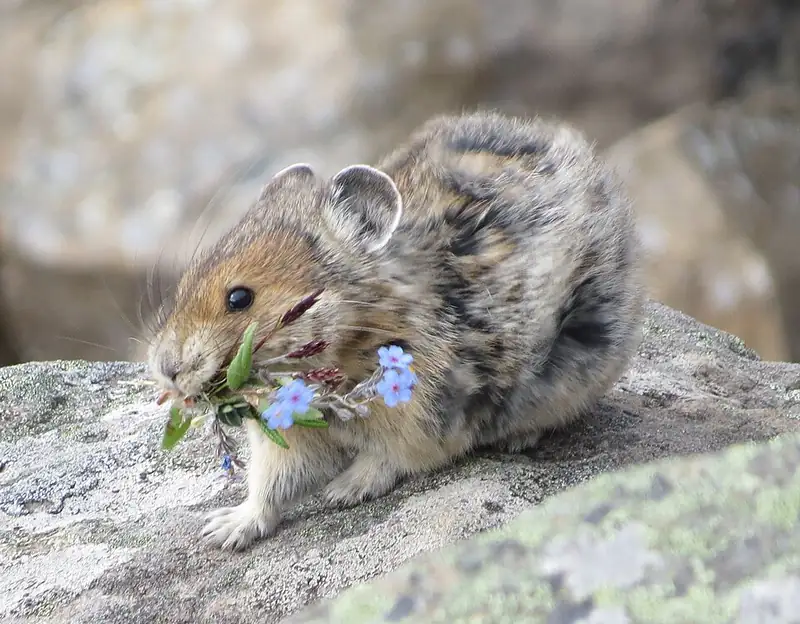 Mammal
 American pika
Ochotona princeps
A small round cousin of the rabbit that lives in mountain rock piles at Rocky Mountain, Mount Rainier, and North Cascades, and never sleeps through winter.
-
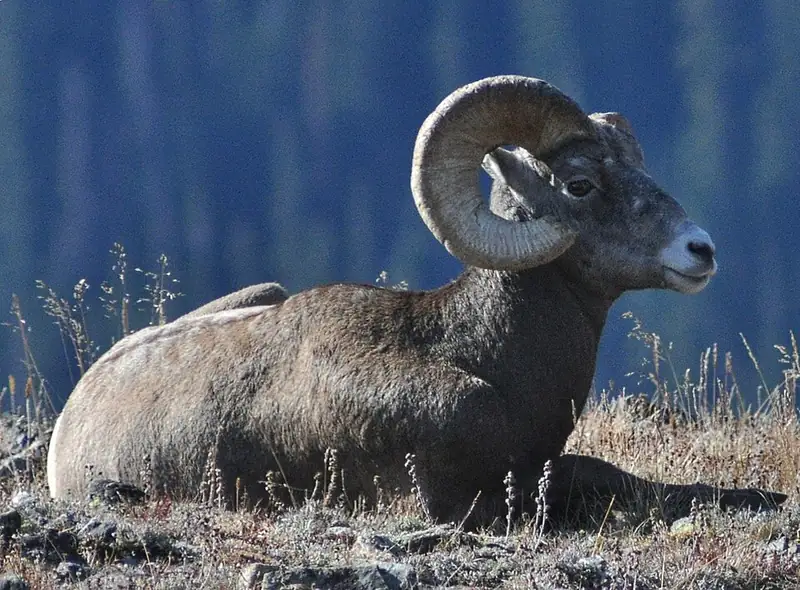 Mammal
 Bighorn sheep
Ovis canadensis
A wild sheep of cliffs and canyons, where rams carry heavy curled horns and both sexes cross steep rock other animals can't.
-
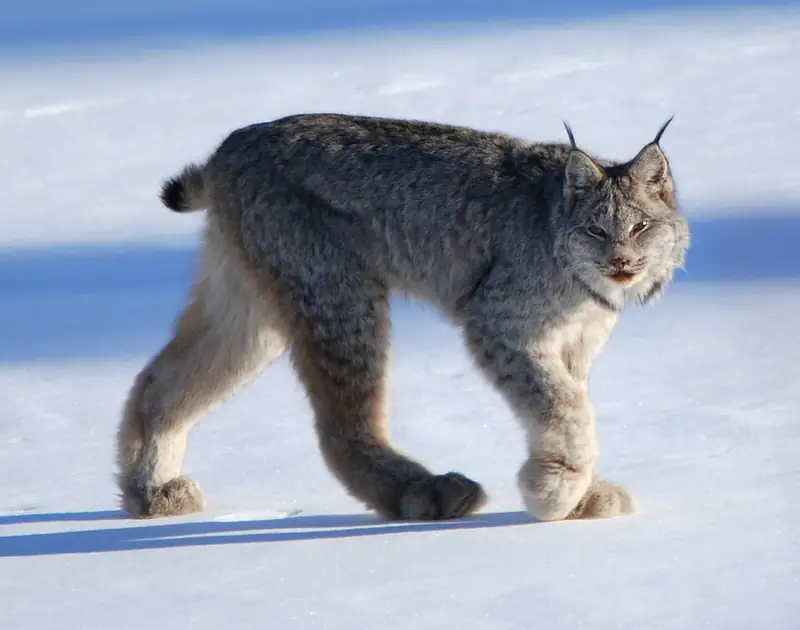 Mammal
 Canada lynx
Lynx canadensis
A rare, snow-adapted wild cat with tufted ears and huge furry paws, living in high conifer forest at Glacier, Yellowstone, and Grand Teton.
-
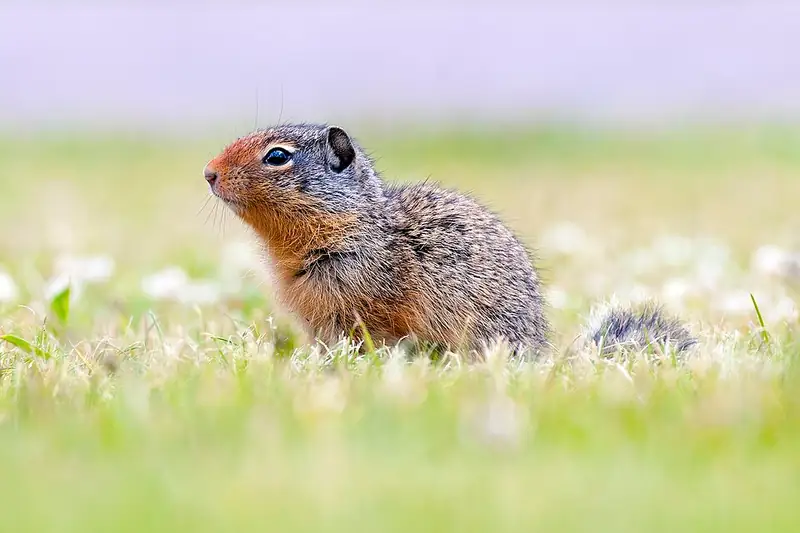 Mammal
 Columbian ground squirrel
Urocitellus columbianus
The squeaking, upright little rodent standing outside its burrow in every open meadow at Glacier, and the animal you are most certain to see there.
-
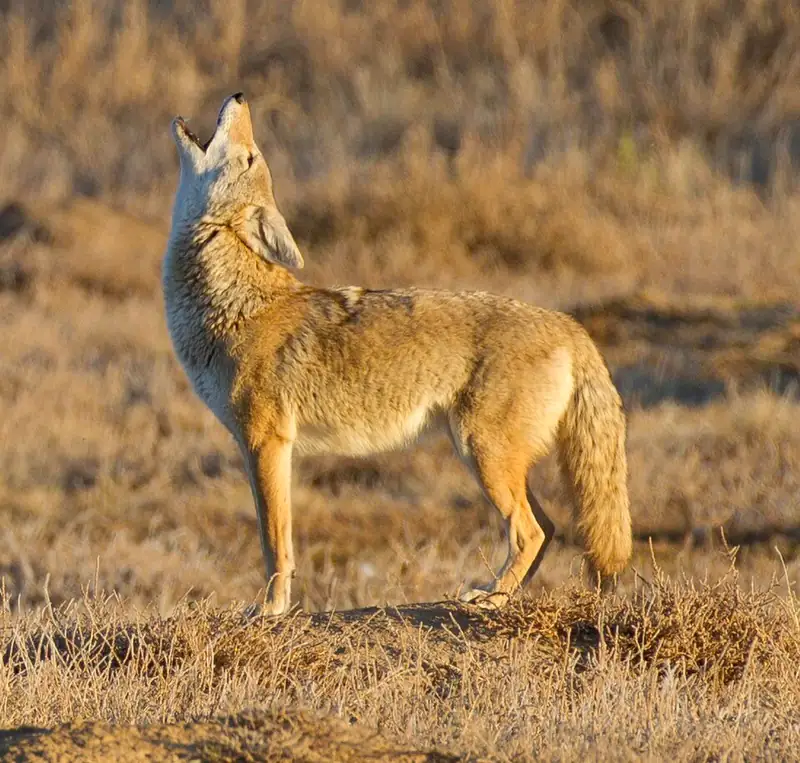 Mammal
 Coyote
Canis latrans
The wild dog you're most likely to hear at a national park — a coyote, at home in the desert, the mountains, and the edges of towns.
-
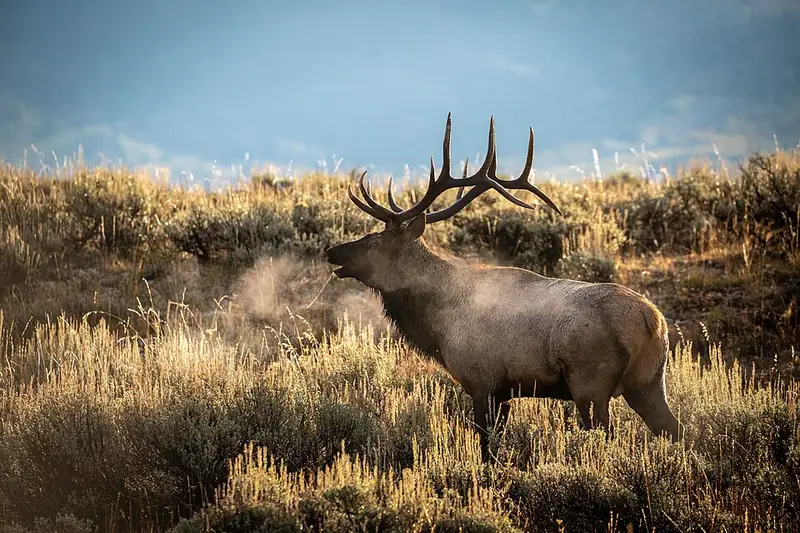 Mammal
 Elk
Cervus canadensis
A large deer of mountain meadows whose bulls grow branching antlers and, each fall, bugle a high whistling call across the valley.
-
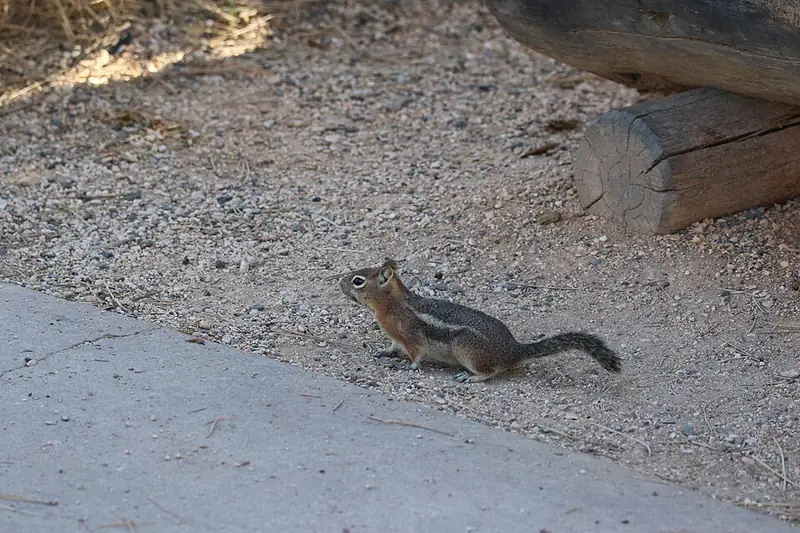 Mammal
 Golden-mantled ground squirrel
Callospermophilus lateralis
A chipmunk-lookalike ground squirrel with a reddish-gold head and shoulders and no face stripes, common on rocks and trailsides from Glacier to Mesa Verde.
-
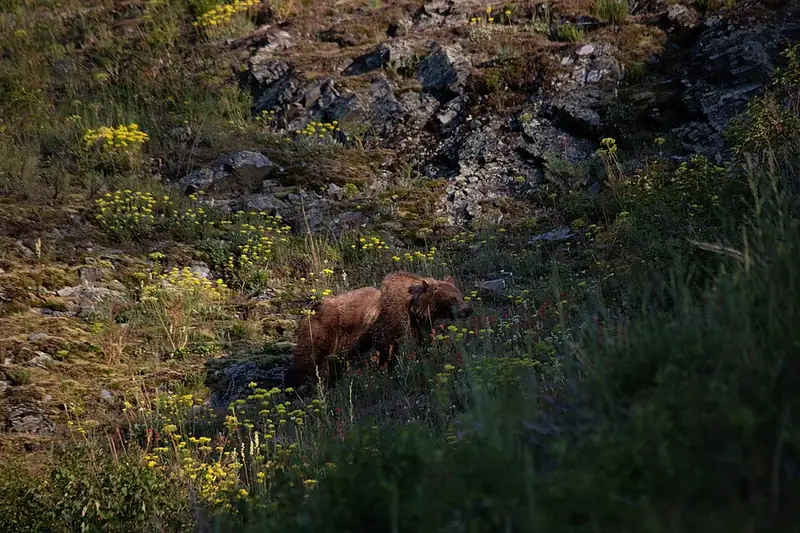 Mammal
 Grizzly bear
Ursus arctos horribilis
A big brown bear of the northern Rockies and Alaska, marked by a hump of muscle over its shoulders and long digging claws.
-
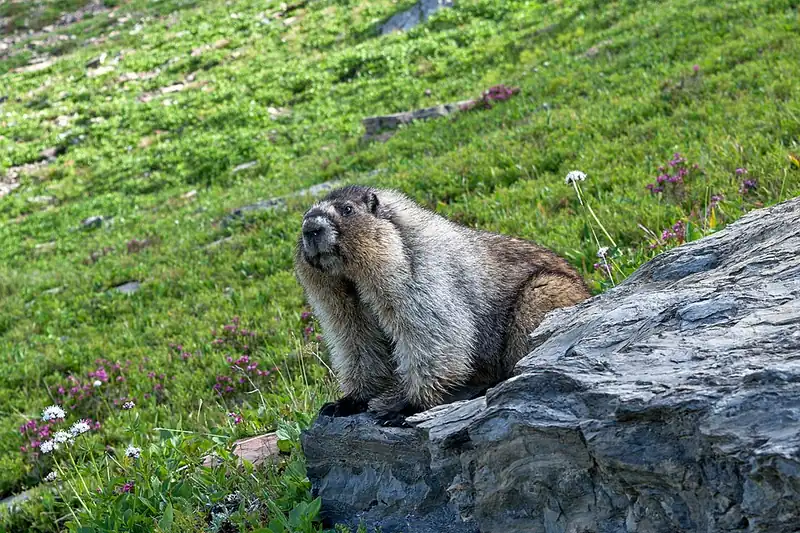 Mammal
 Hoary marmot
Marmota caligata
The big silver-gray ground squirrel of the high meadows at Mount Rainier, famous for the sharp whistle it gives when danger is near.
-
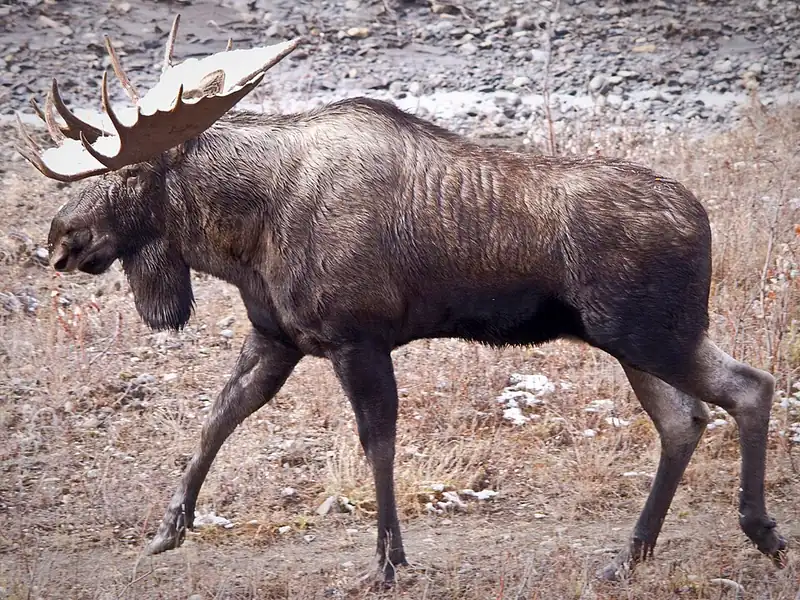 Mammal
 Moose
Alces alces
The largest deer in the world, a long-legged giant you might see wading in ponds at Grand Teton, Isle Royale, Denali, or Rocky Mountain.
-
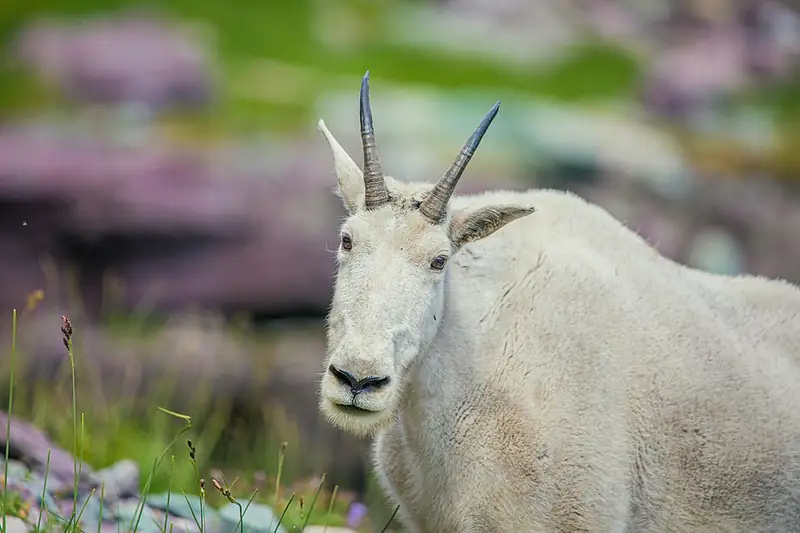 Mammal
 Mountain goat
Oreamnos americanus
A white, shaggy climber with black horns that lives on the steepest crags and pumice fields high on Mount Rainier, where almost nothing else can walk.
-
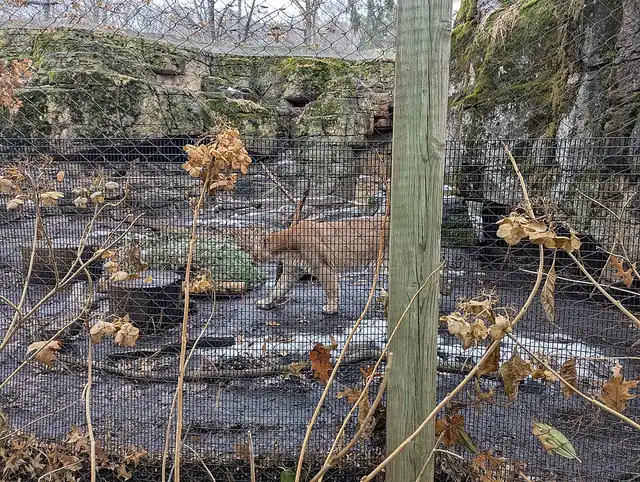 Mammal
 Mountain lion
Puma concolor
A tan, solitary big cat found from Glacier to Mesa Verde, called cougar, puma, or panther by region, and rarely seen at all.
-
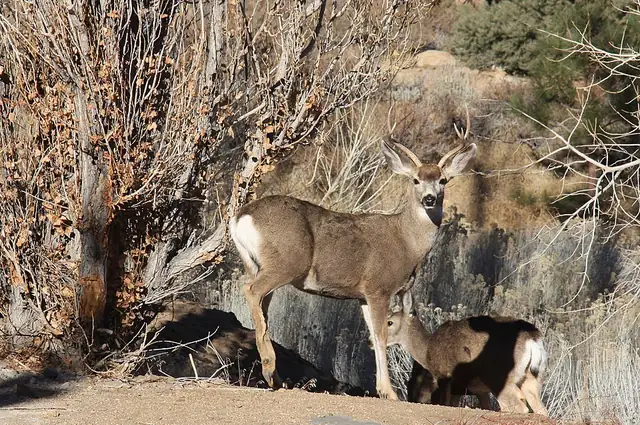 Mammal
 Mule deer
Odocoileus hemionus
A western deer named for its big mule-like ears, common along canyon rims and desert washes in Grand Canyon, Zion, Yosemite, and Saguaro.
-
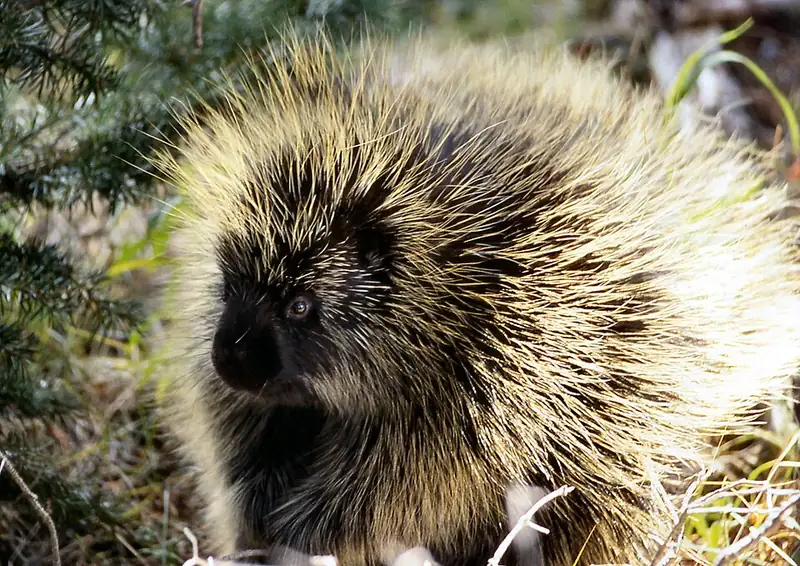 Mammal
 North American porcupine
Erethizon dorsatum
A slow, quill-covered rodent that climbs into the treetops at Theodore Roosevelt to eat twigs, and North America's second-largest rodent after the beaver.
-
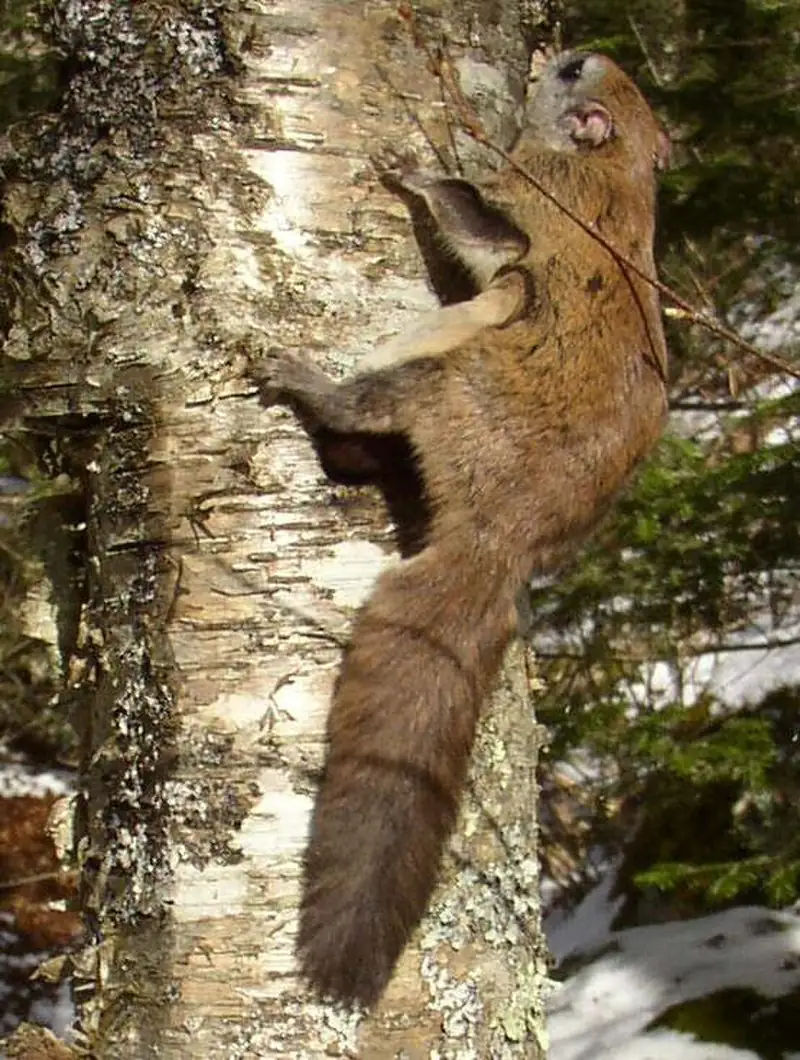 Mammal
 Northern flying squirrel
Glaucomys sabrinus
A nocturnal glider of old-growth conifer forests that eats mostly underground fungus and, under a UV light, glows bubblegum pink.
-
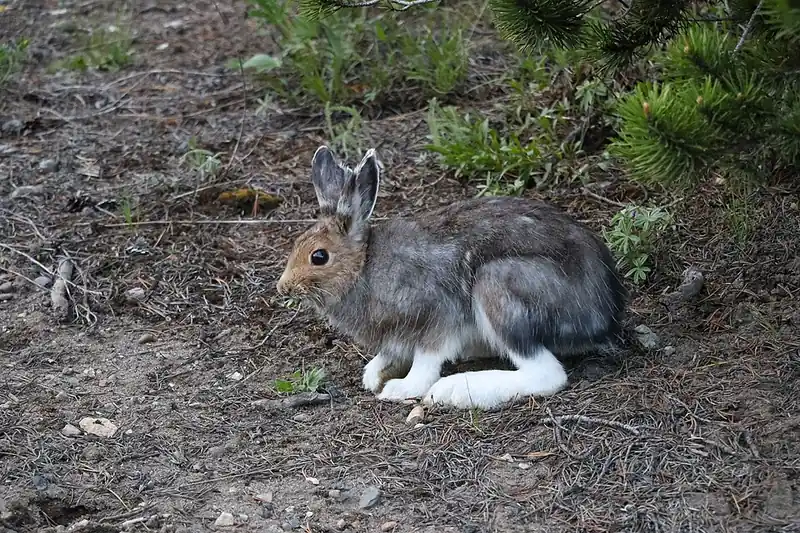 Mammal
 Snowshoe hare
Lepus americanus
A forest hare whose coat flips from brown to white on a clock set by daylight, not by snow, and whose oversized feet work like actual snowshoes.
-
 Mammal
 White-tailed deer
Odocoileus virginianus
The most common large mammal in eastern parks, running through the woods and waving a white tail like a flag when it bolts.