Animals & Plants of Bryce Canyon National Park
The 19 animals, plants, and fungi you can find at Bryce Canyon National Park, with sizes, diets, and whether you should worry. See the full park guide at Bryce Canyon National Park.
Anything here that bites?
Keep away
- American badger: Badgers would rather dig away than fight and avoid people entirely.
- American black bear: Black bears are usually shy and would rather leave than meet you.
- Bobcat: Very low.
- Elk: Elk look calm but they are large and wild.
- Mountain lion: Confrontations are very rare — even in Yellowstone, with a healthy population, few have ever been documented.
- Mule deer: Mule deer look calm and tame, but they are wild animals with sharp hooves, and bucks have antlers in fall.
- Pronghorn: Not a real worry: pronghorn keep their distance from people on their own.
Don't touch or eat
- Utah prairie dog: They will not chase you.
Bites if handled
Everything else on this page is harmless. What each group means.
-
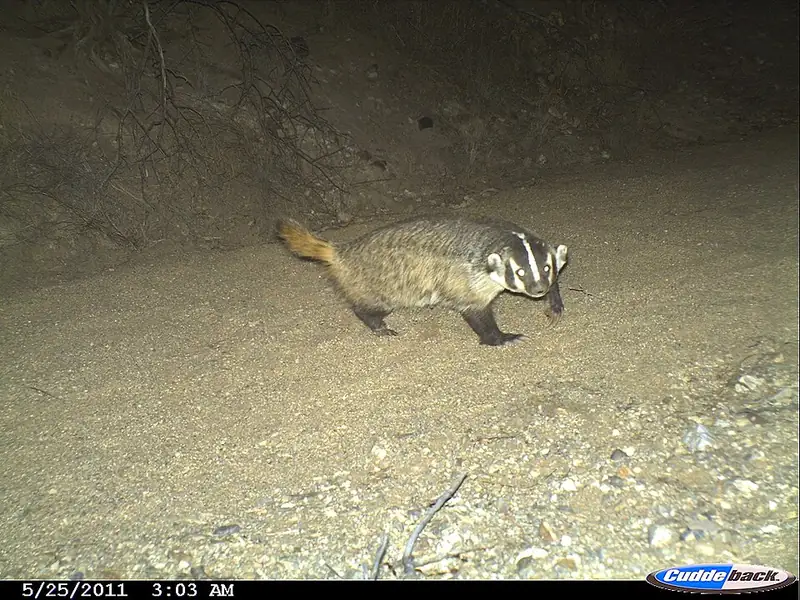 Mammal
American badger
Taxidea taxus
A short, wide-bodied digger with a white-striped face, common on the grasslands of Yellowstone and Badlands, that can vanish underground in minutes.
-
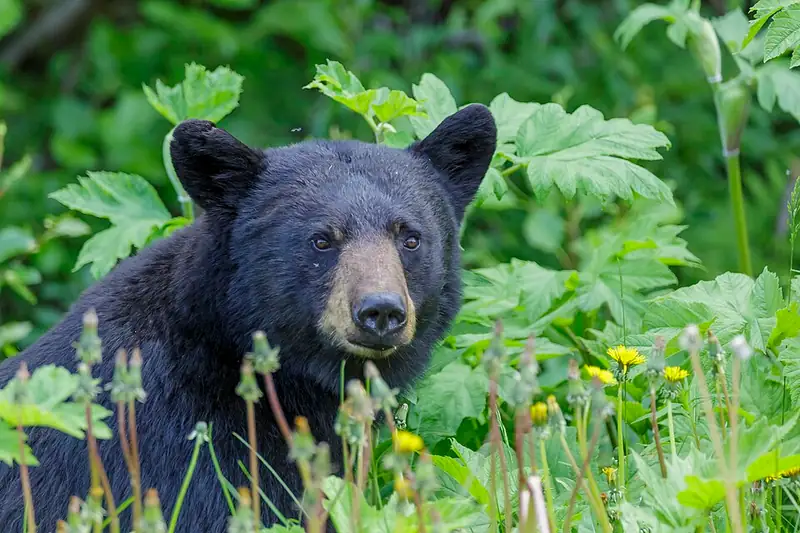 Mammal
American black bear
Ursus americanus
The bear you're most likely to meet east of the Rockies, a strong tree-climber that eats mostly plants and comes in black, brown, or cinnamon.
-
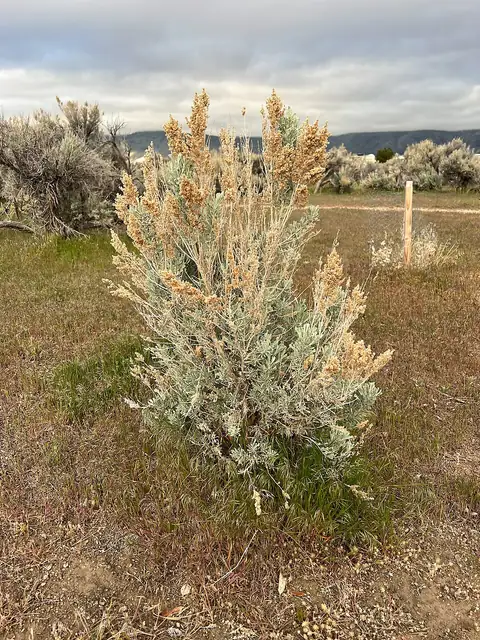 Plant
Big sagebrush
Artemisia tridentata
The silver-leaved, sharp-smelling evergreen shrub of the high desert West, and the main food of the greater sage-grouse nearly all year.
-
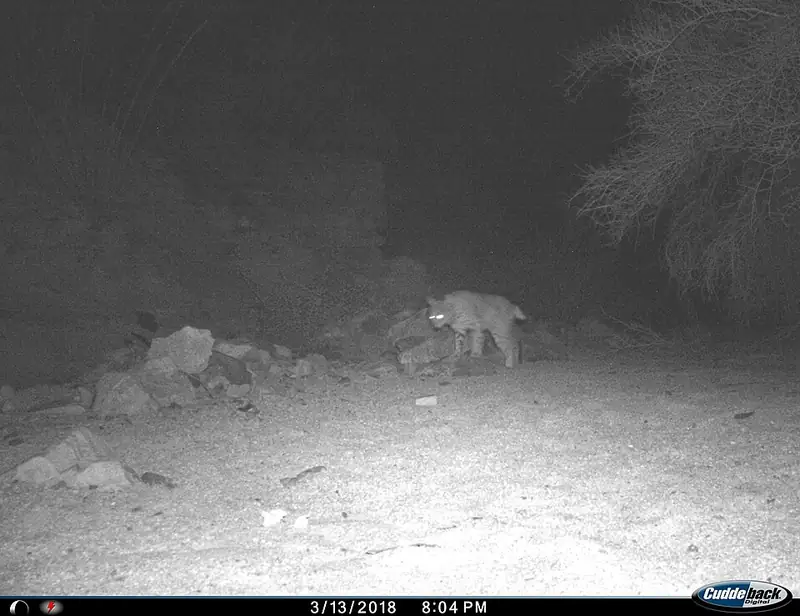 Mammal
Bobcat
Lynx rufus
A small wildcat about twice the size of a house cat, common but rarely seen, that can bring down prey many times its own weight.
-
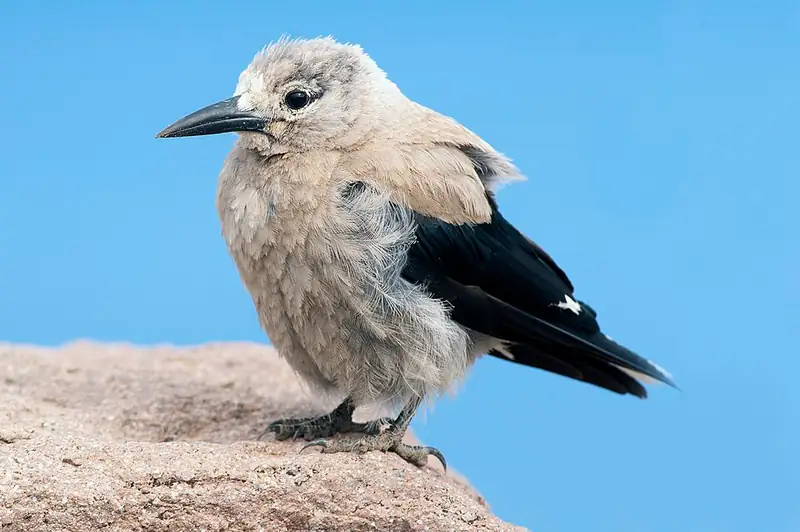 Bird
Clark's nutcracker
Nucifraga columbiana
A pale-gray, black-winged cousin of the crow that hides tens of thousands of pine seeds each fall and remembers where to find them again.
-
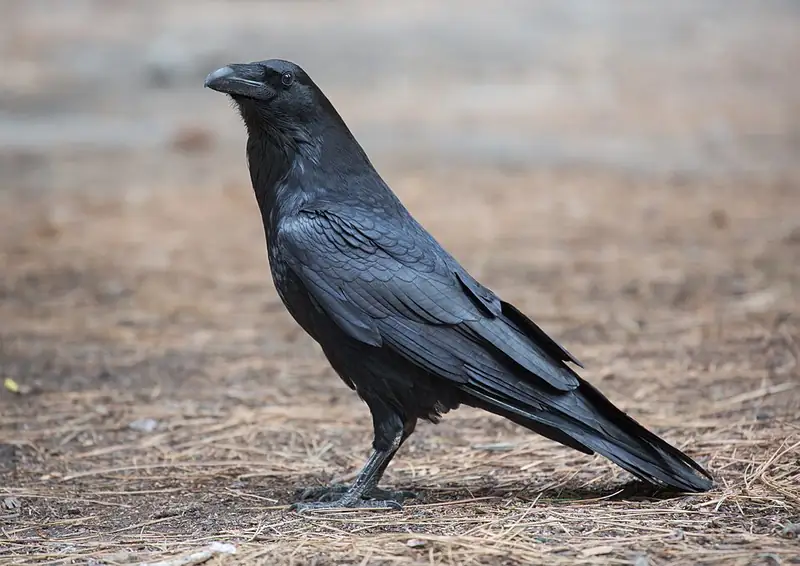 Bird
Common raven
Corvus corax
A big, glossy-black problem-solver that rolls and tumbles in the wind over the cliffs of Grand Canyon, Arches, and Canyonlands.
-
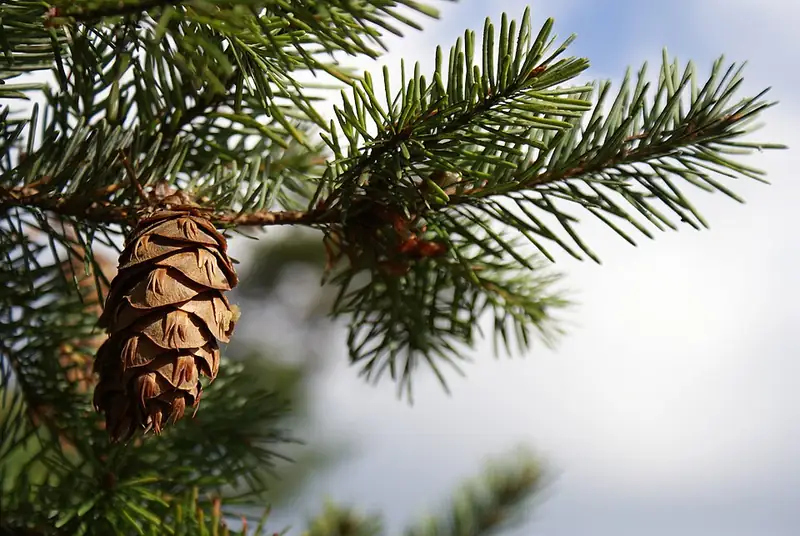 Plant
Douglas-fir
Pseudotsuga menziesii
One of the tallest trees on Earth, not actually a true fir, whose cones carry little three-pointed flaps a Native story calls the tails and legs of hiding mice.
-
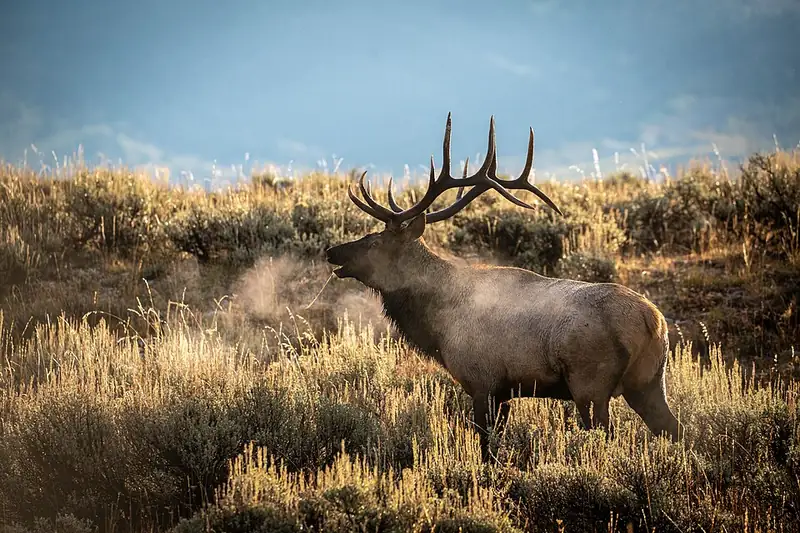 Mammal
Elk
Cervus canadensis
A large deer of mountain meadows whose bulls grow branching antlers and, each fall, bugle a high whistling call across the valley.
-
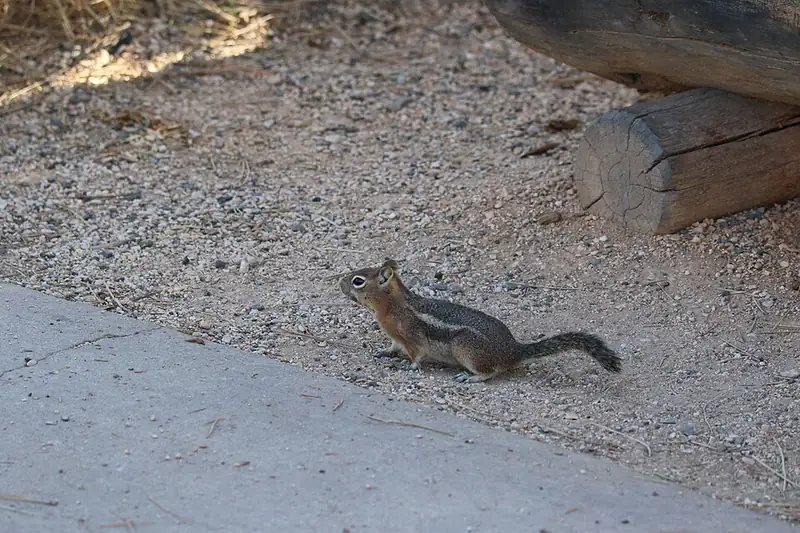 Mammal
Golden-mantled ground squirrel
Callospermophilus lateralis
A chipmunk-lookalike ground squirrel with a reddish-gold head and shoulders and no face stripes, common on rocks and trailsides from Glacier to Mesa Verde.
-
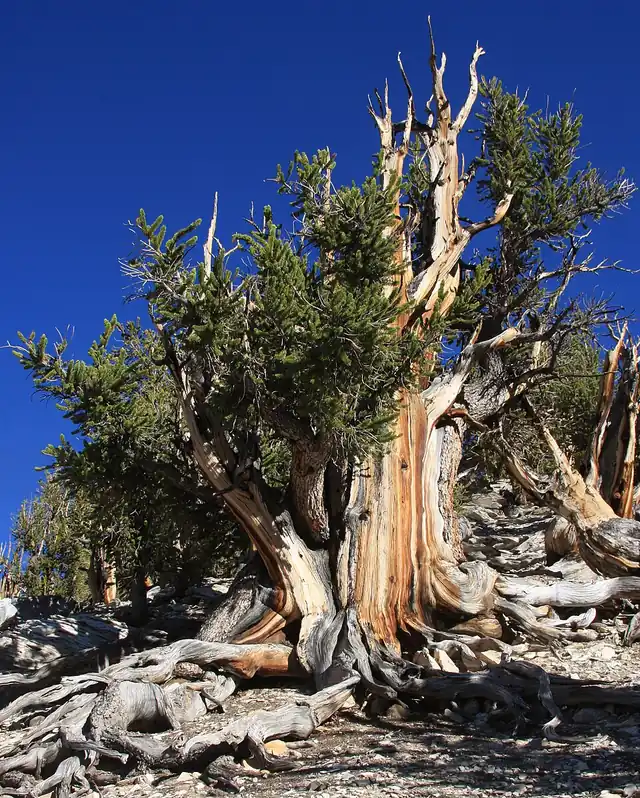 Plant
Great Basin bristlecone pine
Pinus longaeva
The oldest known single living tree on Earth, a twisted, high-mountain pine that grows in the thin, cold air of Great Basin National Park.
-
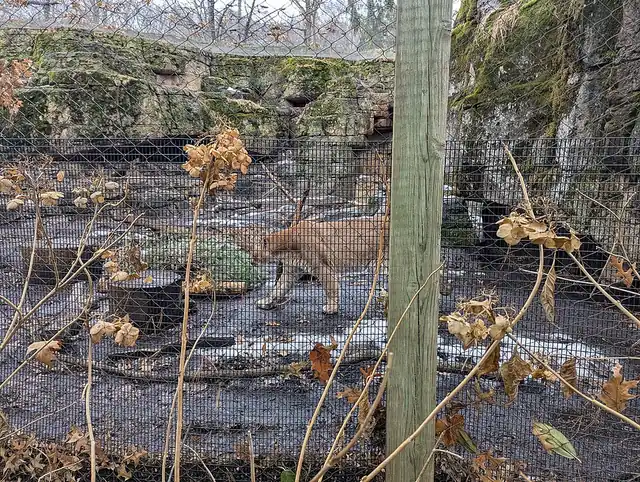 Mammal
Mountain lion
Puma concolor
A tan, solitary big cat found from Glacier to Mesa Verde, called cougar, puma, or panther by region, and rarely seen at all.
-
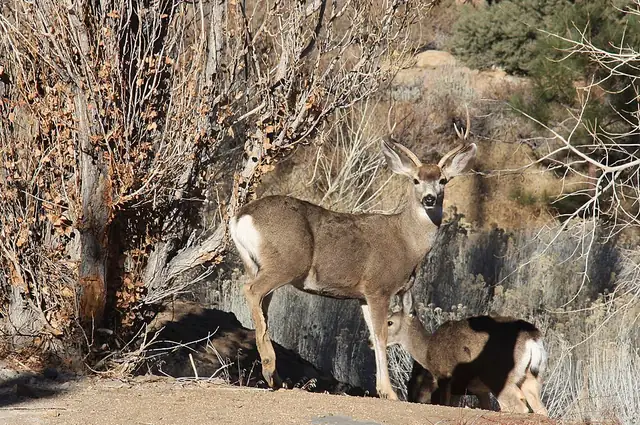 Mammal
Mule deer
Odocoileus hemionus
A western deer named for its big mule-like ears, common on canyon rims and in desert washes in Grand Canyon, Zion, Yosemite, Arches, Canyonlands, and Saguaro.
-
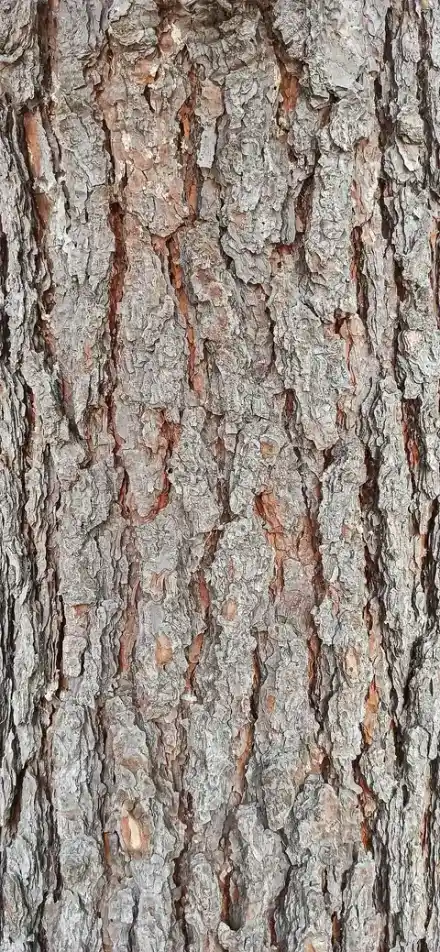 Plant
Ponderosa pine
Pinus ponderosa
A tall western pine whose sun-warmed bark smells like butterscotch and vanilla, and which drops its low branches so ground fire can pass safely beneath it.
-
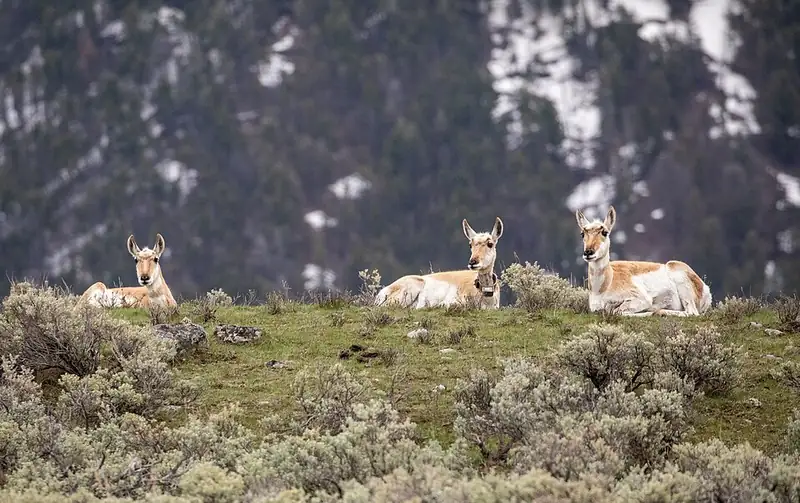 Mammal
Pronghorn
Antilocapra americana
North America's fastest land mammal, seen in Yellowstone's northern range and at Lava Beds, built to outrun a predator that went extinct 12,000 years ago.
-
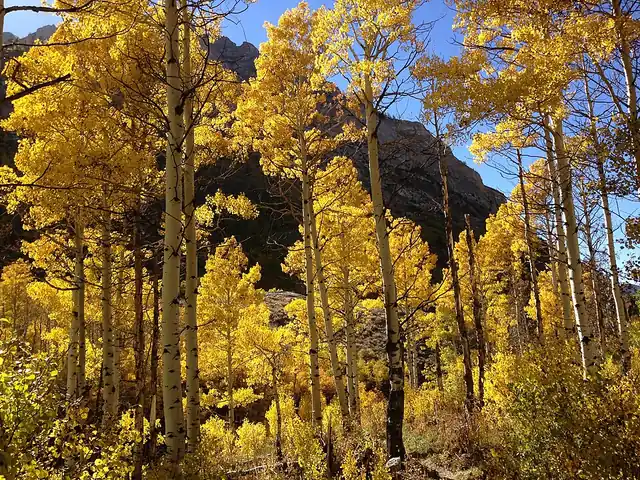 Plant
Quaking aspen
Populus tremuloides
A white-barked mountain tree whose flat-stemmed leaves shiver in the lightest breeze, turning whole hillsides gold each fall.
-
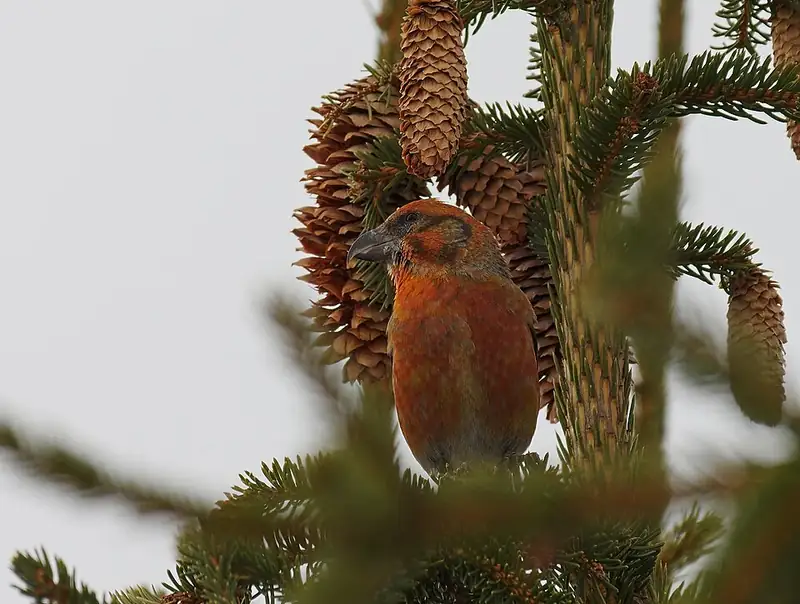 Bird
Red crossbill
Loxia curvirostra
A stocky finch with a bill whose tips cross, built to lever open conifer cones. At Bryce it works the ponderosa belt and the spruce at the top.
-
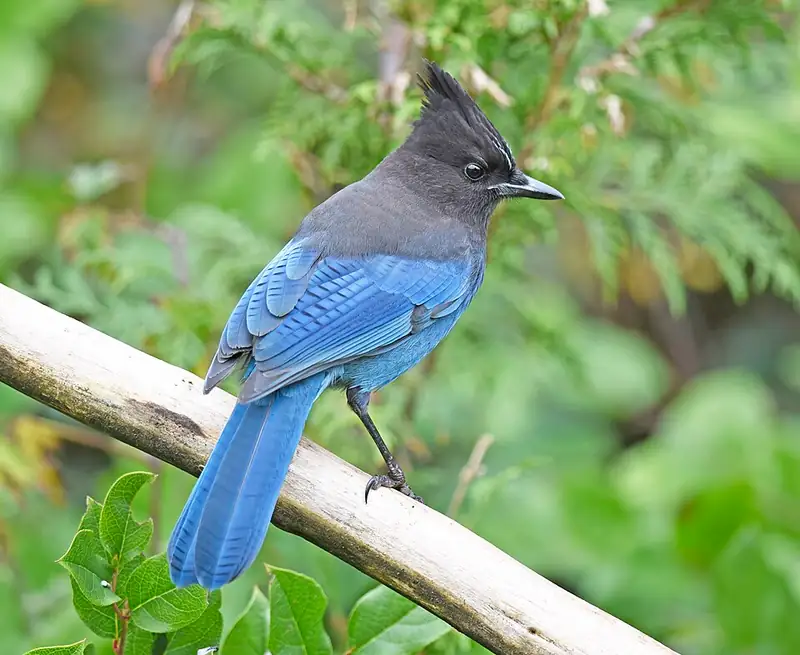 Bird
Steller's jay
Cyanocitta stelleri
A deep-blue mountain jay with a black crest and a loud voice, the campground bird that will eye your sandwich at Yosemite, Sequoia, and Crater Lake.
-
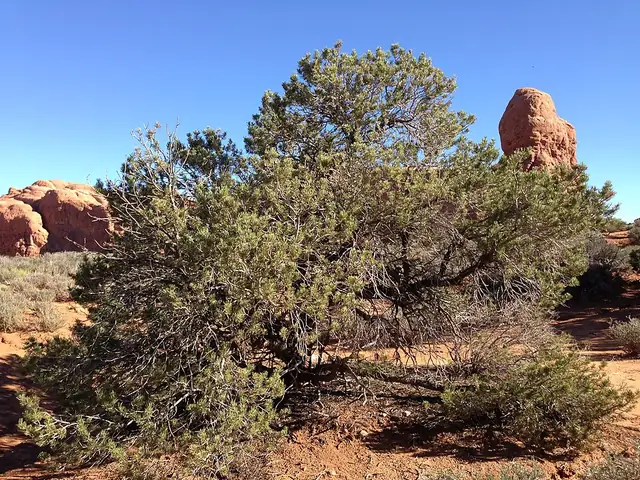 Plant
Two-needle pinyon
Pinus edulis
A short, gnarled pine of the drier Southwest, growing at Mesa Verde, Black Canyon, and Great Sand Dunes, with nuts a jay plants by forgetting them.
-
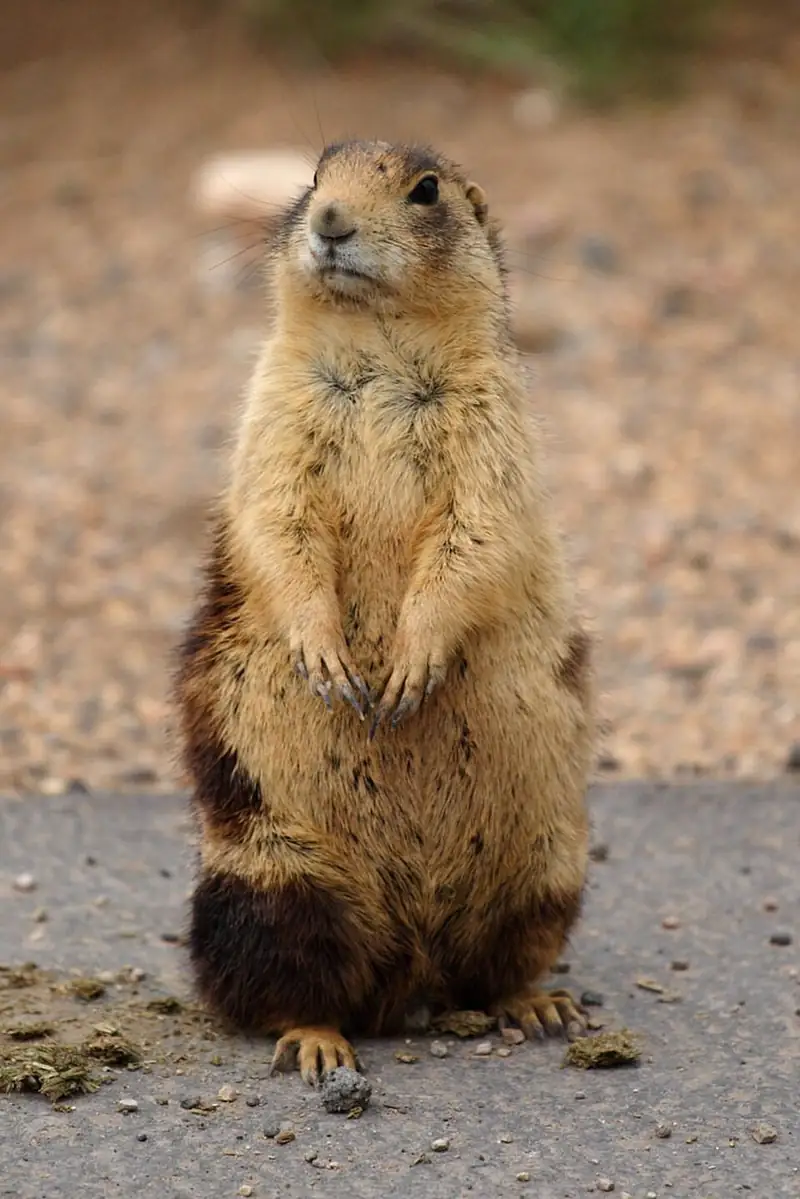 Mammal
Utah prairie dog
Cynomys parvidens
The rarest prairie dog, found only in southwestern Utah. Bryce's meadows hold a reintroduced 600-animal population, asleep from October to March.