Animals & Plants of Zion National Park
The 25 animals, plants, and fungi you can find at Zion National Park, with sizes, diets, and whether you should worry. See the full park guide at Zion National Park.
Zion is a desert canyon cut deep enough to hold several climates at once, and its animals follow the water and the cliffs. Bighorn sheep and mule deer move along the canyon walls, California condors and peregrine falcons ride the air above them, and American dippers feed in the Virgin River. Gambel's quail and greater roadrunners work the drier desert floor.
Common questions
Which Zion animals demand real distance?
At Zion National Park, give space to Elk, Bighorn sheep, and Mule deer. Elk: Elk look calm but they are large and wild. Bighorn sheep: Bighorn sheep are shy and would rather climb away than come near you. Mule deer: Mule deer look calm and tame, but they are wild animals with sharp hooves, and bucks have antlers in fall. (per NPS species pages).
What do the Zion animals eat?
At Zion National Park, the most interesting eaters are Bald eagle, Golden eagle, Elk, and Yellow-bellied marmot. Bald eagle eats fish, ducks, gulls, small mammals, carrion. Golden eagle eats rabbits, hares, ground squirrels, marmots, ptarmigan. Elk eats grasses, forbs, shrubs, tree bark in winter. Yellow-bellied marmot eats grasses, leaves, flowers, seeds. (per NPS species pages).
Which Zion species has the strangest true fact?
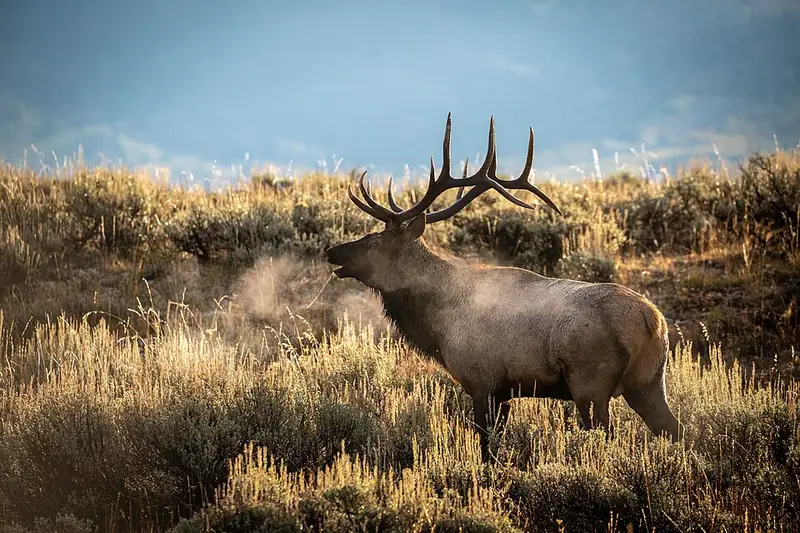
The strangest true thing about Zion National Park: Elk: Only the bulls grow antlers, and they grow fast, up to an inch a day, then drop off each winter and start over in spring. Bighorn sheep: A ram's two curled horns can weigh up to 30 pounds together, about as much as a big bag of dog food, and he carries them on his head his whole life. (per NPS species pages).
Anything here that bites?
Keep away
- Bighorn sheep: Bighorn sheep are shy and would rather climb away than come near you.
- Elk: Elk look calm but they are large and wild.
- Mule deer: Mule deer look calm and tame, but they are wild animals with sharp hooves, and bucks have antlers in fall.
Don't touch or eat
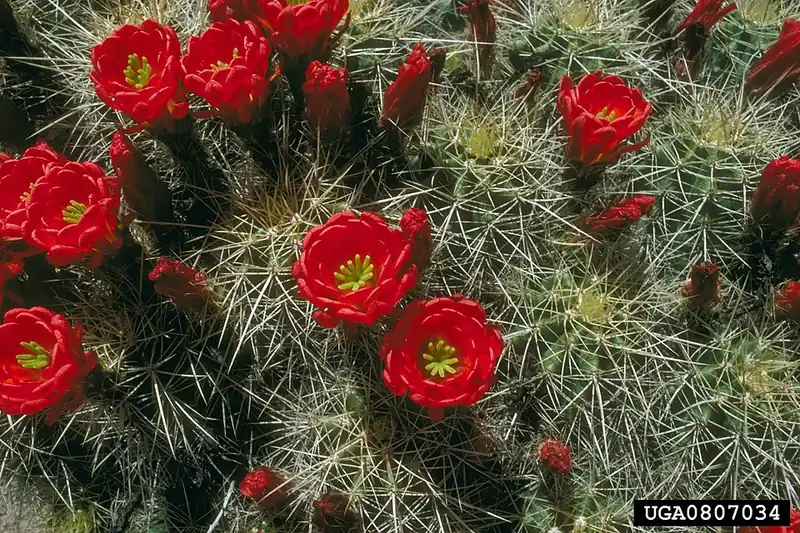
- Claret cup cactus: This cactus is covered in stiff spines, so the rule is look, do not touch.
Bites if handled
- Bald eagle: A bald eagle will not come after you.
- California condor: A condor will not hurt you.
- Golden eagle: A golden eagle will not come after a person.
- Great horned owl: This owl hunts small animals at night and will not come after you.
- Northern flying squirrel: No real risk.
- Peregrine falcon: None to worry about.
- Red-tailed hawk: None.
- Sagebrush lizard: This lizard has no venom, and its main defense is running.
- Wild turkey: A turkey will walk away from you long before you get close, and the only real trouble comes from feeding one.
- Yellow-bellied marmot: Marmots are not dangerous, but they are wild and can bite if you corner or try to grab one.
Everything else on this page is harmless. What each group means.
-
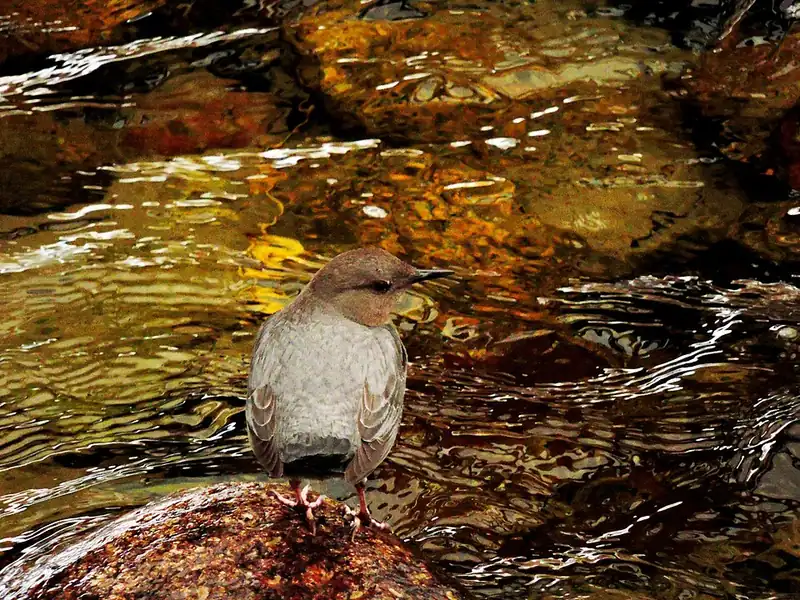 Bird
Bird American dipper
Cinclus mexicanus
A stream-gray songbird that walks along the bottom of cold mountain creeks to hunt, the only songbird in North America that does.
-
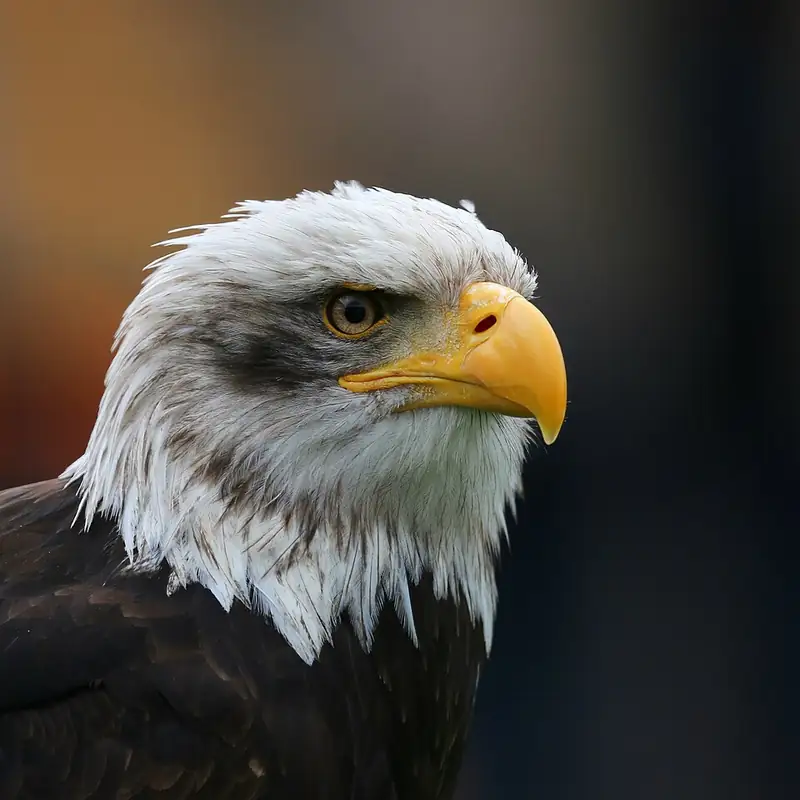 Bird
Bird Bald eagle
Haliaeetus leucocephalus
The white-headed fish hawk that is the national bird of the United States, common along the lakes of Voyageurs and the coasts of Olympic and Katmai.
-
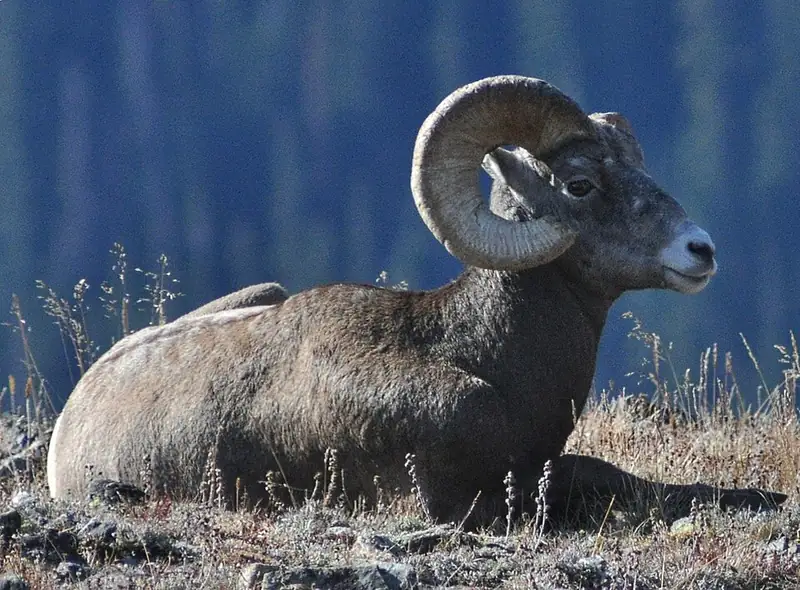 Mammal
 Bighorn sheep
Ovis canadensis
A wild sheep of cliffs and canyons, where rams carry heavy curled horns and both sexes cross steep rock other animals can't.
-
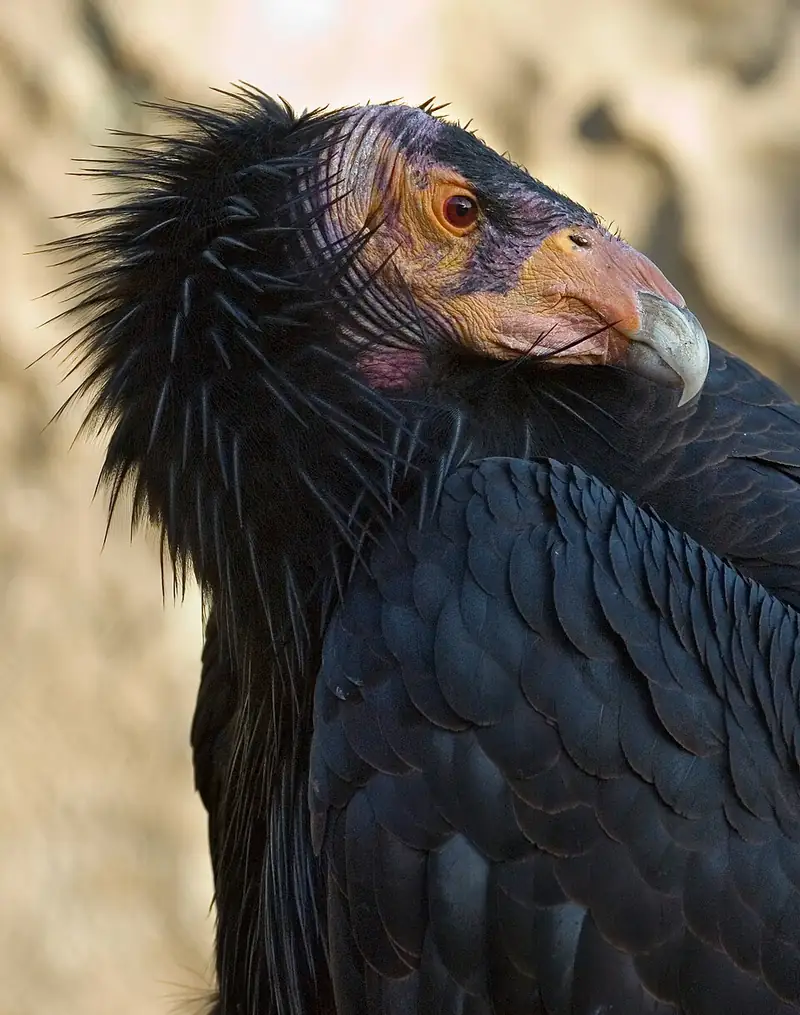 Bird
Bird California condor
Gymnogyps californianus
The biggest flying bird in North America, a bare-headed scavenger you can watch ride the wind over the cliffs at Grand Canyon and Zion.
-
 Plant
Plant Claret cup cactus
Echinocereus triglochidiatus
A low, mounding desert cactus that bursts into bright red, cup-shaped flowers each spring at Arches, Canyonlands, and Big Bend.
-
 Bird
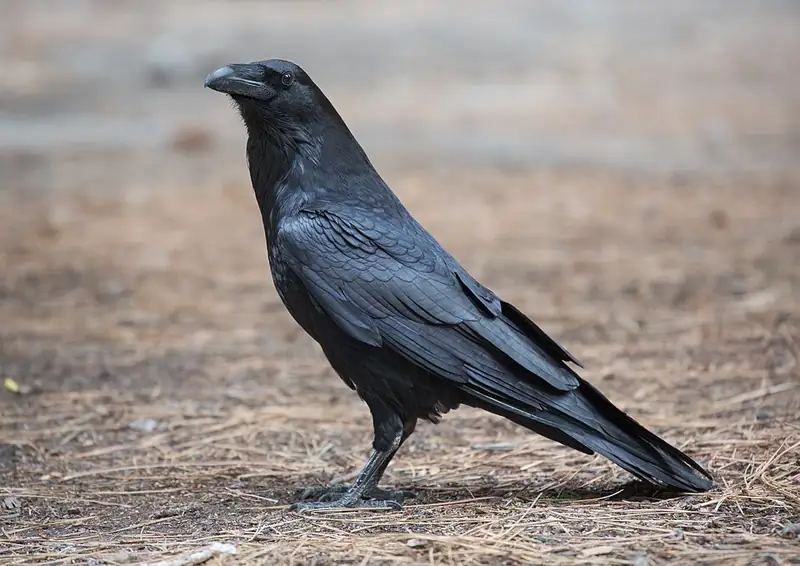
Bird Common raven
Corvus corax
A big, glossy-black problem-solver that rolls and tumbles over the cliffs of Grand Canyon, Arches, and the desert parks, watching for its next meal.
-
 Plant
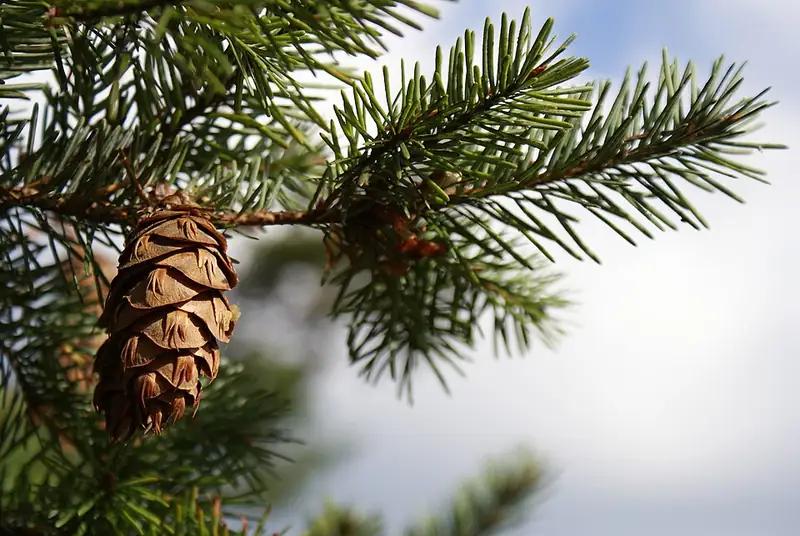
Plant Douglas-fir
Pseudotsuga menziesii
One of the tallest trees on Earth, not actually a true fir, whose cones carry little three-pointed flaps a Native story calls the tails and legs of hiding mice.
-
 Mammal
 Elk
Cervus canadensis
A large deer of mountain meadows whose bulls grow branching antlers and, each fall, bugle a high whistling call across the valley.
-
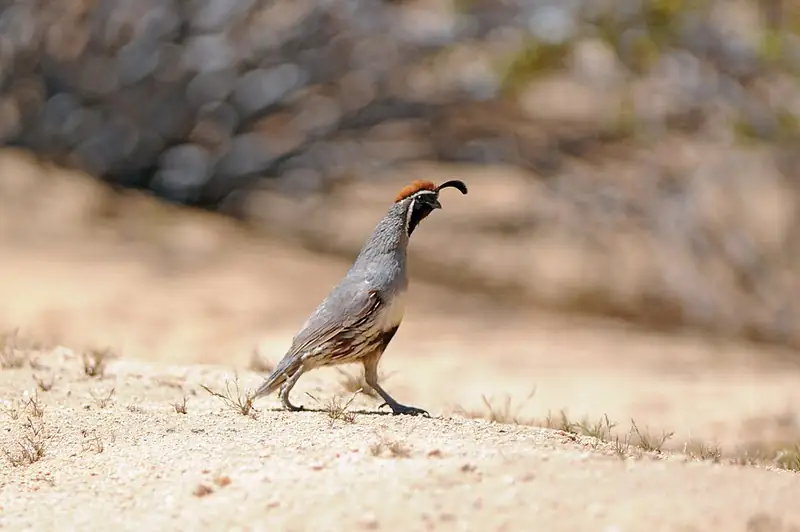 Bird
Bird Gambel's quail
Callipepla gambelii
A ground-loving desert quail with a forward-curling black topknot that runs from danger in a dusty covey instead of flying.
-
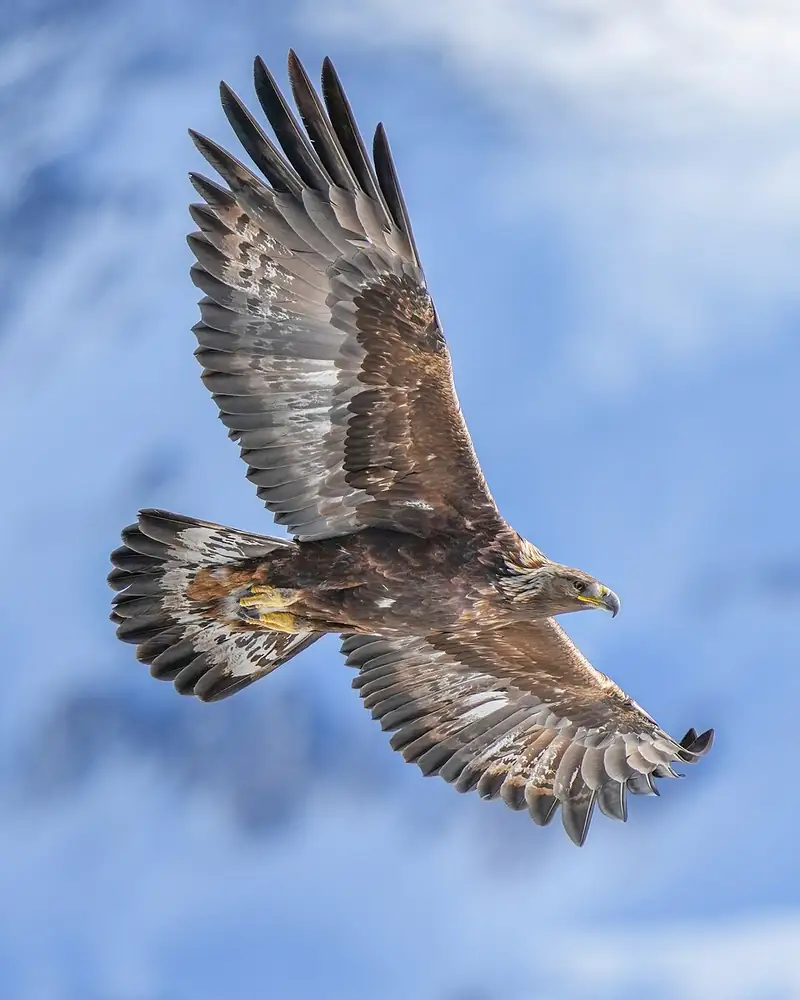 Bird
Bird Golden eagle
Aquila chrysaetos
A dark brown eagle with golden neck feathers that hunts rabbits and hares across open country, nesting on cliffs in Denali, Death Valley, and Great Basin.
-
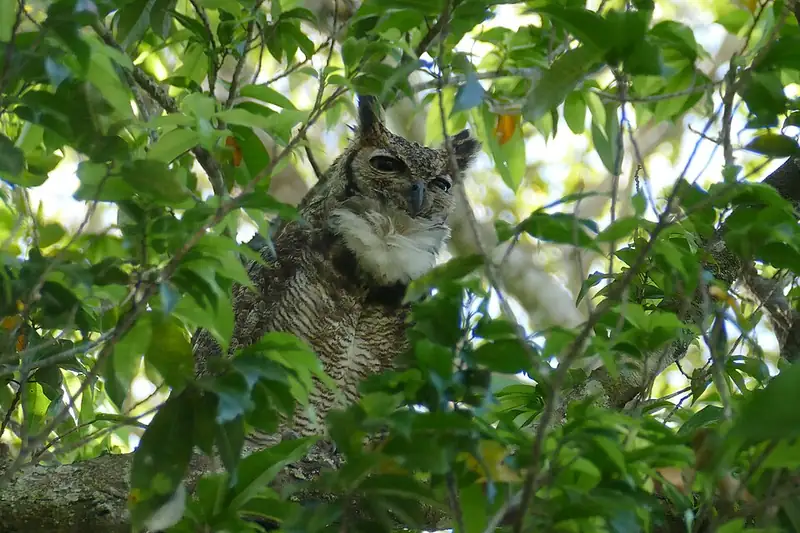 Bird
Bird Great horned owl
Bubo virginianus
A big night hunter with feathery "horns" and a deep hoot, found from the saguaro desert to the Everglades, hunting after dark on silent wings.
-
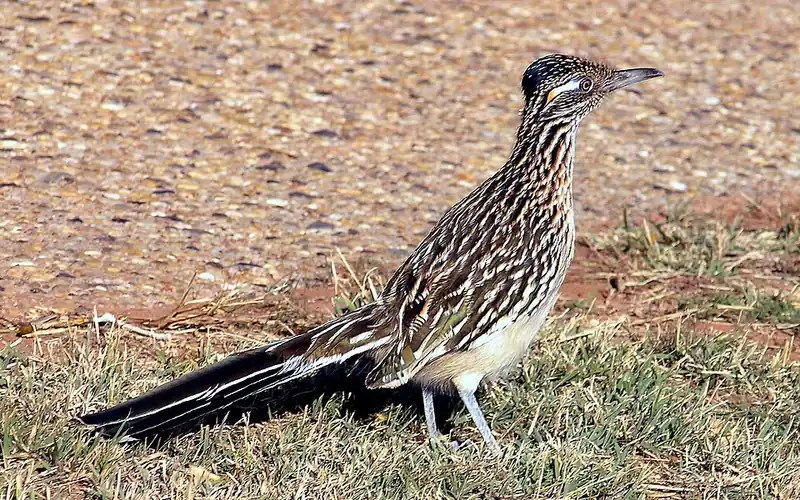 Bird
Bird Greater roadrunner
Geococcyx californianus
A long-legged desert bird that would rather run than fly, chasing down lizards and snakes across the ground at Saguaro, Big Bend, and White Sands.
-
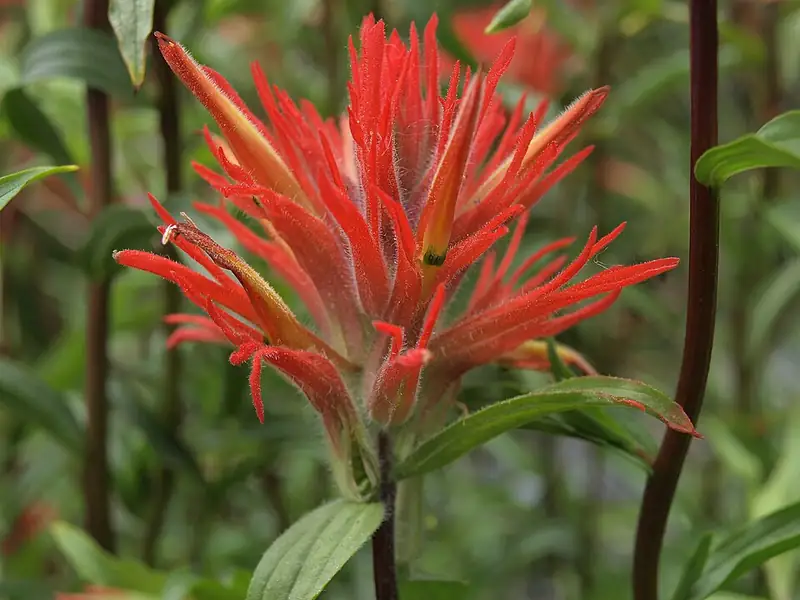 Plant
Plant Indian paintbrush
Castilleja miniata
A scarlet mountain wildflower that steals water and food from its neighbors' roots, and whose bright color comes from leaves, not petals.
-
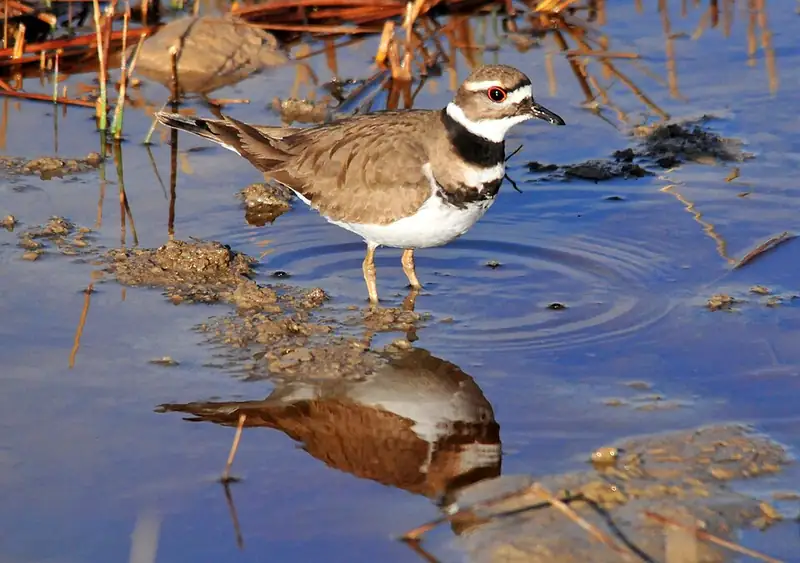 Bird
Bird Killdeer
Charadrius vociferus
A shorebird that lives nowhere near a shore. At Badlands we never saw one. We heard it call its own name across the campground.
-
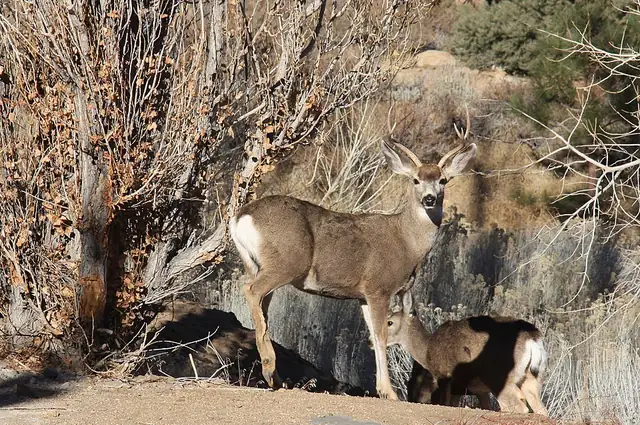 Mammal
 Mule deer
Odocoileus hemionus
A western deer named for its big mule-like ears, common along canyon rims and desert washes in Grand Canyon, Zion, Yosemite, and Saguaro.
-
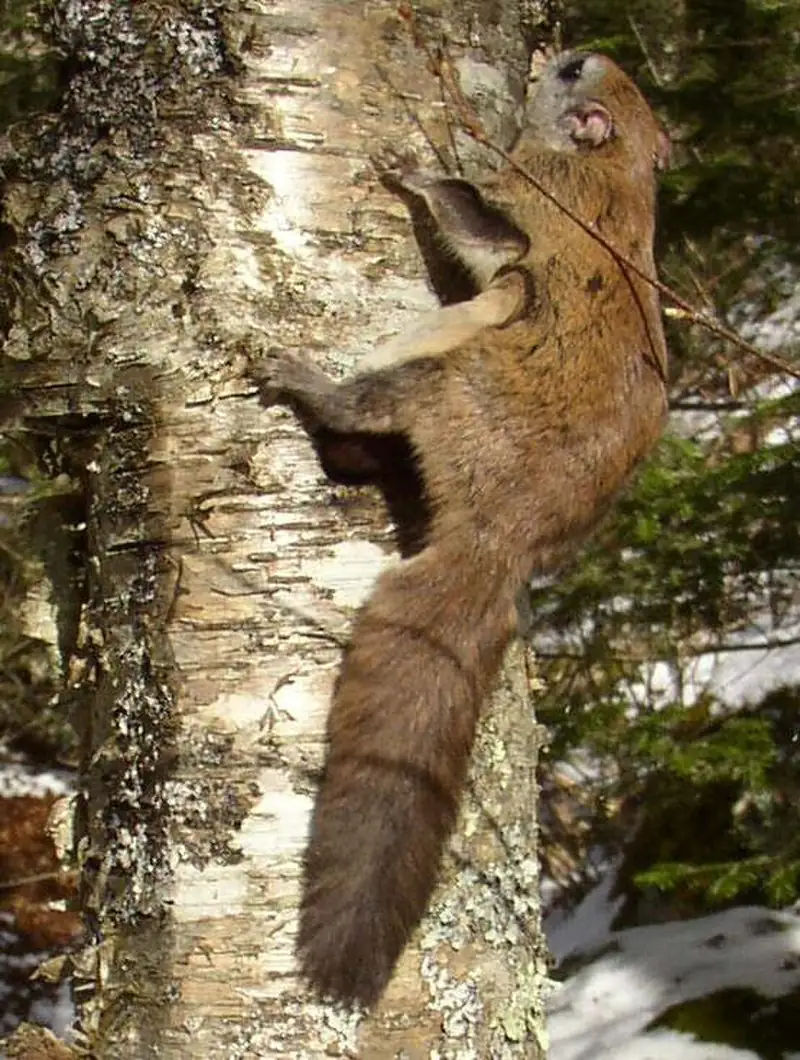 Mammal
 Northern flying squirrel
Glaucomys sabrinus
A nocturnal glider of old-growth conifer forests that eats mostly underground fungus and, under a UV light, glows bubblegum pink.
-
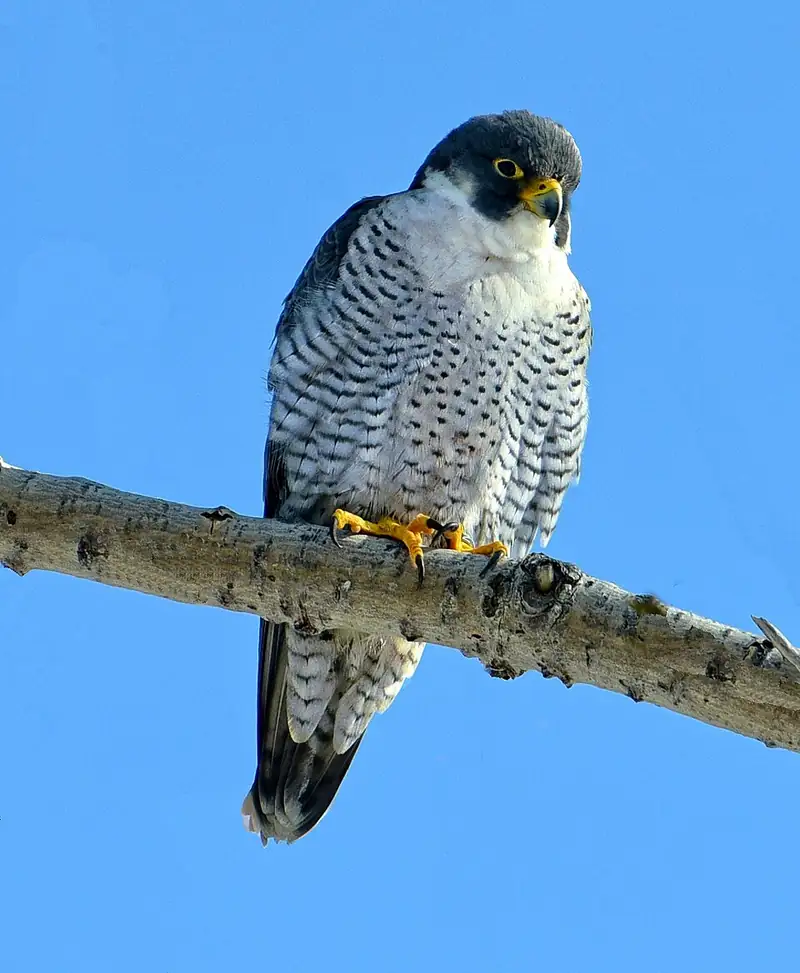 Bird
Bird Peregrine falcon
Falco peregrinus
The fastest animal alive, a crow-sized falcon that folds its wings and stoops on other birds in midair, and a species that nearly vanished before recovering.
-
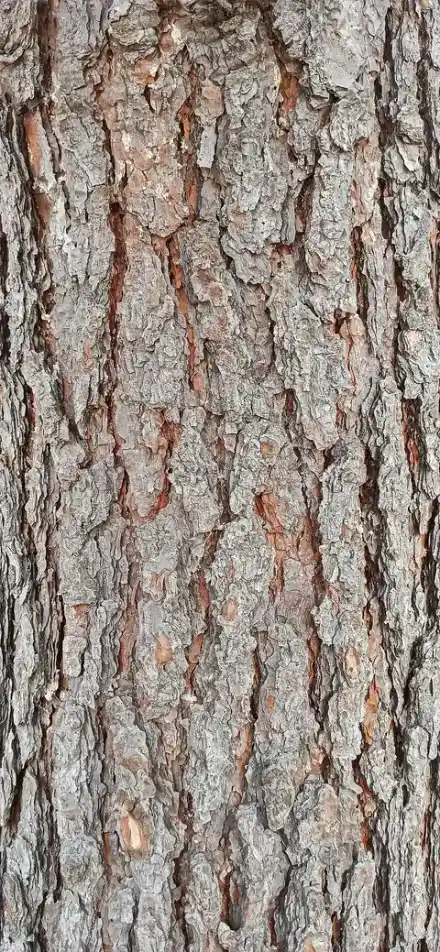 Plant
Plant Ponderosa pine
Pinus ponderosa
A tall western pine whose sun-warmed bark smells like butterscotch and vanilla, and which drops its low branches so ground fire can pass safely beneath it.
-
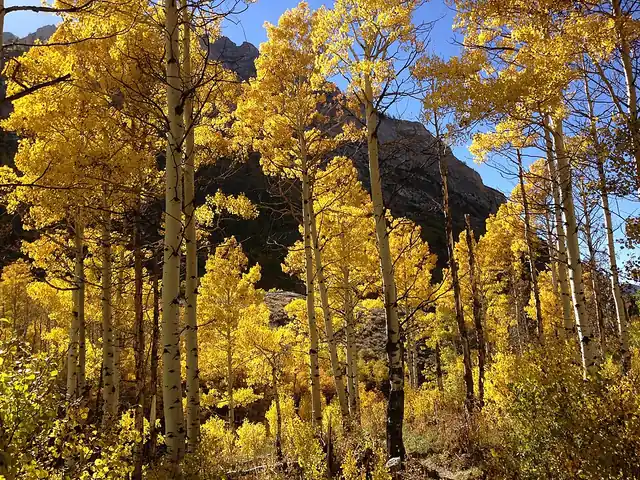 Plant
Plant Quaking aspen
Populus tremuloides
A white-barked mountain tree whose flat-stemmed leaves shiver in the lightest breeze, turning whole hillsides gold each fall.
-
 Bird
Bird Red-tailed hawk
Buteo jamaicensis
The hawk most often recorded in Yellowstone. We watched a hawk take a pika near the Roosevelt cabins and could not tell you which hawk it was.
-
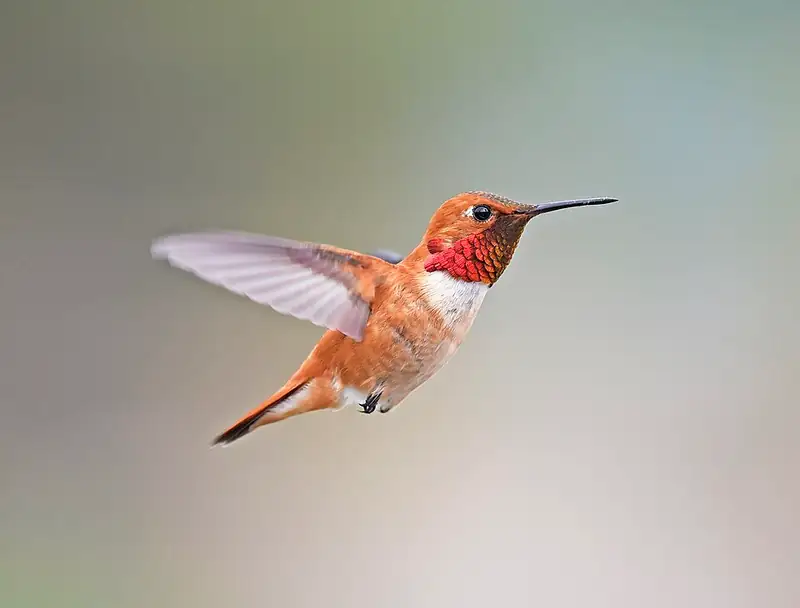 Bird
Bird Rufous hummingbird
Selasphorus rufus
A copper-orange hummingbird that flies farther, relative to its size, than almost any other bird on Earth, from Mexico to Alaska and back every year.
-
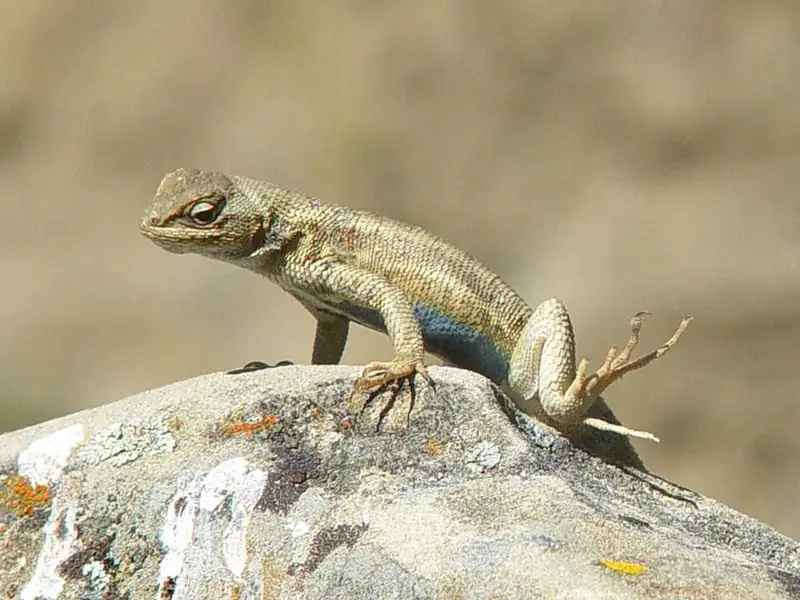 Reptile
 Sagebrush lizard
Sceloporus graciosus
A small, slender, high-country lizard, the fence lizard's cousin, whose males flash blue belly and throat patches in a push-up display.
-
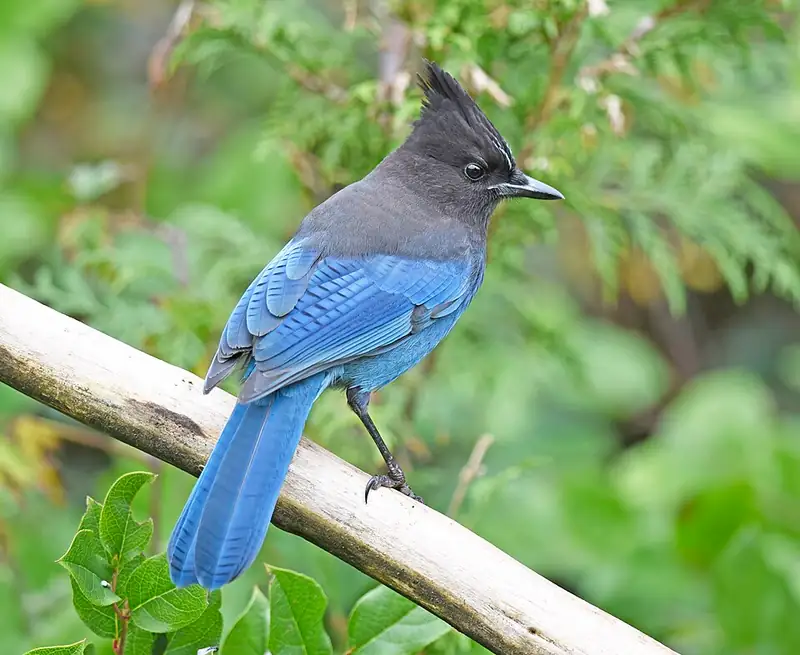 Bird
Bird Steller's jay
Cyanocitta stelleri
A deep-blue mountain jay with a black crest and a loud voice, the campground bird that will eye your sandwich at Yosemite, Sequoia, and Crater Lake.
-
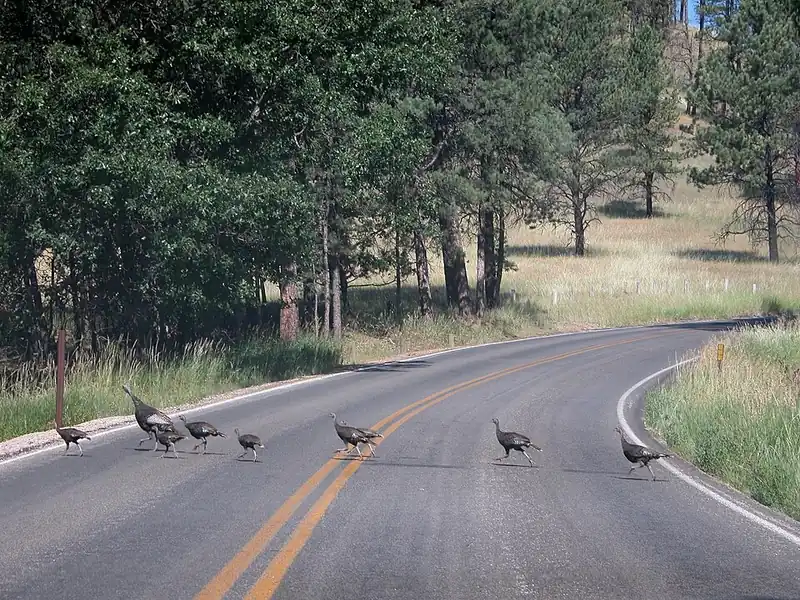 Bird
Bird Wild turkey
Meleagris gallopavo
A forest bird in a park with almost no forest. Badlands turkeys hold to the wooded draws, because a turkey needs a tree to sleep in.
-
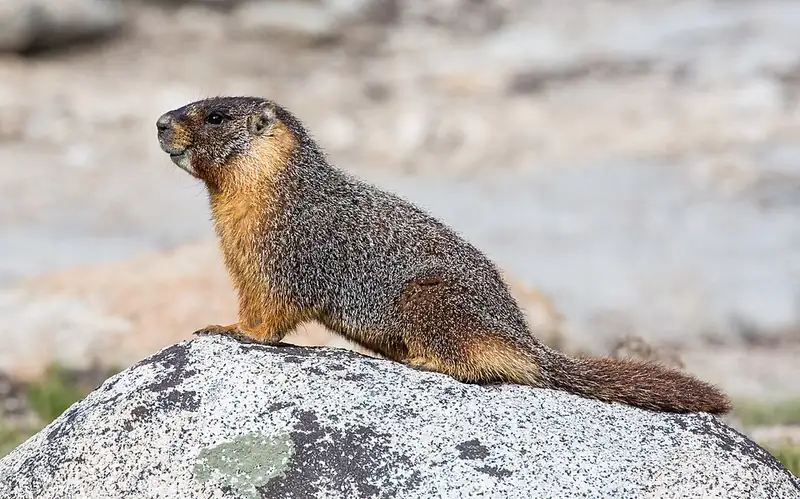 Mammal
 Yellow-bellied marmot
Marmota flaviventris
A chubby, whistling ground squirrel that suns itself on high-country rocks at Rocky Mountain and Yosemite, and sleeps away most of the year.