Animals & Plants of Lava Beds National Monument
The 14 animals, plants, and fungi you can find at Lava Beds National Monument, with sizes, diets, and whether you should worry. See the full park guide at Lava Beds National Monument.
Lava Beds is a high-desert plateau punched through with lava tubes, where the winter shelter runs underground. Big-eared bats roost in the lava tubes, American pikas stack hay in the rimrock, and pronghorn and mule deer cross the sage flats above. Bobcats hunt the rim while northern Pacific rattlesnakes warm up on the basalt in spring.
Turn this into a game: Play Lava Beds National Monument Bingo →Common questions
Which Lava Beds species carries a rule kids should not ignore?
At Lava Beds National Monument, give space to Northern Pacific rattlesnake, Pronghorn, and Mule deer. Northern Pacific rattlesnake: This is the only rattlesnake in these parks, and it is venomous, so give it real respect, not panic. Pronghorn: Not a real worry: pronghorn keep their distance from people on their own. Mule deer: Mule deer look calm and tame, but they are wild animals with sharp hooves, and bucks have antlers in fall. (per NPS species pages).
What do the cave and plateau residents of Lava Beds eat?
At Lava Beds National Monument, the most interesting eaters are Bald eagle, American pika, Osprey, and Pronghorn. Bald eagle eats fish, ducks, gulls, small mammals, carrion. American pika eats grasses, wildflowers, leaves, mountain plants. Osprey eats fish. Pronghorn eats sagebrush, rabbitbrush, forbs, some grasses. (per NPS species pages).
Which Lava Beds species has the strangest true fact?
The strangest true thing about Lava Beds National Monument: Northern Pacific rattlesnake: This is the only rattlesnake species found in Lassen Volcanic, Lava Beds, and Redwood, a much shorter list than the half-dozen rattlesnake species at the desert parks farther south. Townsend's big-eared bat: It is a picky, careful cave dweller. Townsend's big-eared bats gather in the cool caves of Lava Beds, and they spook easily. If people disturb a roost, the whole colony may abandon it, which is why some caves are closed to visitors. (per NPS species pages).
Anything here that bites?
Venomous
- Northern Pacific rattlesnake: This is the only rattlesnake in these parks, and it is venomous, so give it real respect, not panic.
Keep away
Don't touch or eat
- Pandora moth: The moth is harmless, but the caterpillar's spines can sting bare skin.
Bites if handled
- American pika: Pikas are harmless.
- Bald eagle: A bald eagle will not come after you.
- Black-tailed jackrabbit: Harmless.
- Osprey: None.
- Sagebrush lizard: This lizard has no venom, and its main defense is running.
- Townsend's big-eared bat: Bats are not out to hurt you, and they are not 'flying mice' or blind.
- Western fence lizard: It has no venom.
Everything else on this page is harmless. What each group means.
-
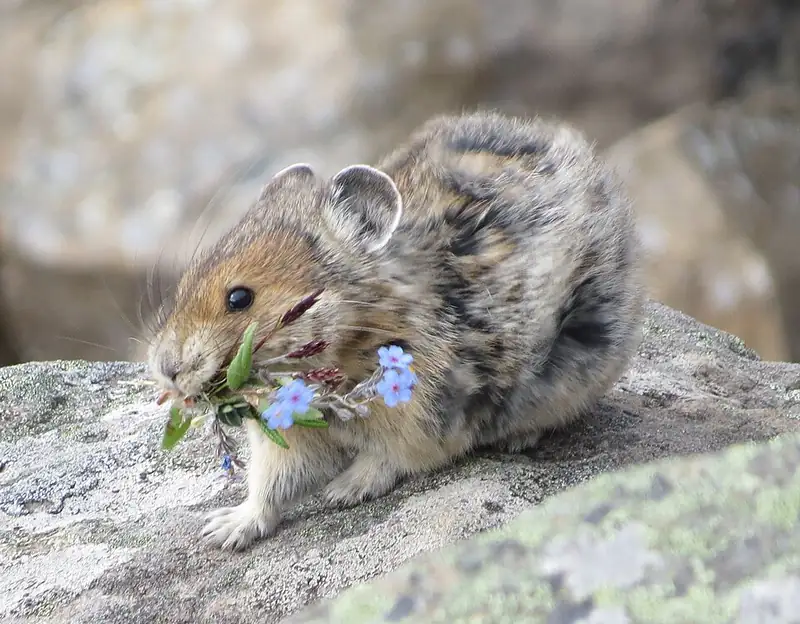 Mammal
 American pika
Ochotona princeps
A small round cousin of the rabbit that lives in mountain rock piles at Rocky Mountain, Mount Rainier, and North Cascades, and never sleeps through winter.
-
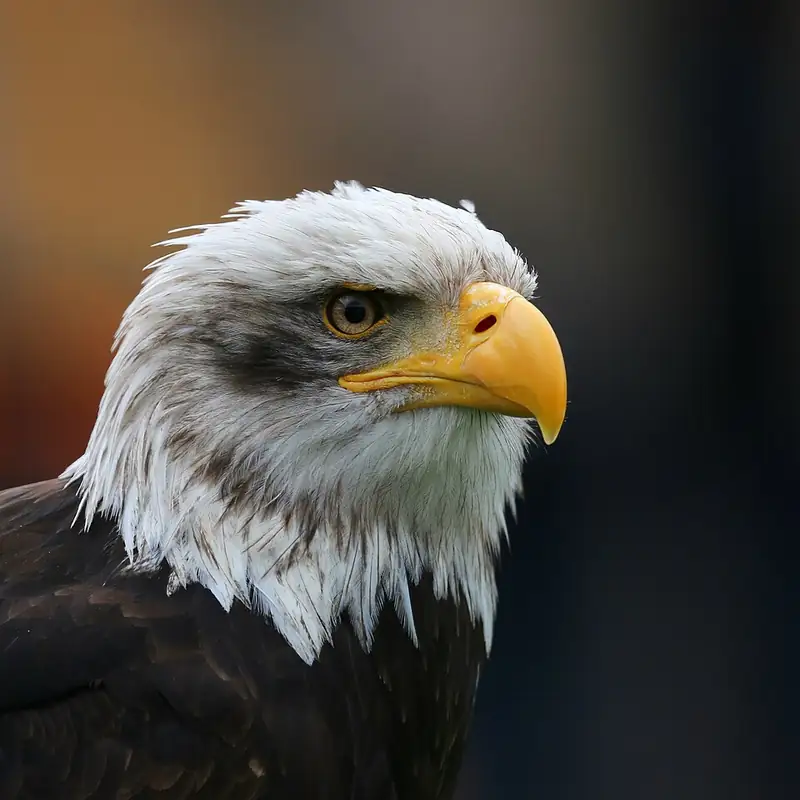 Bird
Bird Bald eagle
Haliaeetus leucocephalus
The white-headed fish hawk that is the national bird of the United States, common along the lakes of Voyageurs and the coasts of Olympic and Katmai.
-
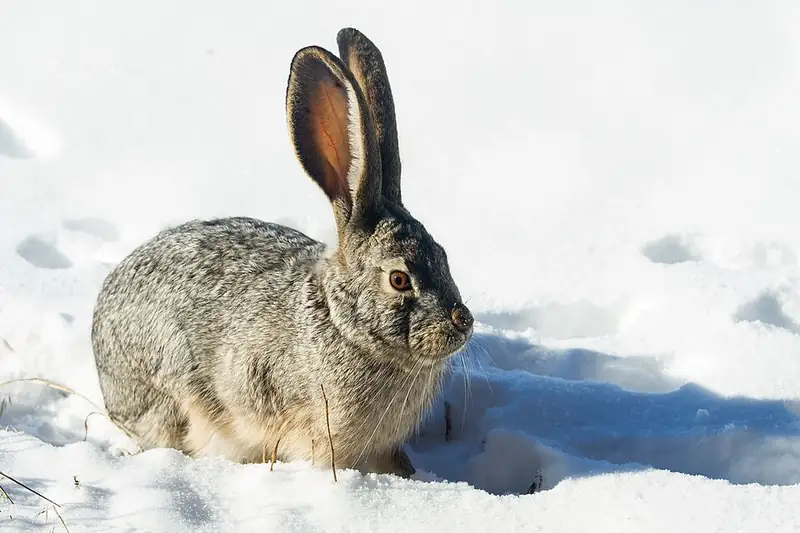 Mammal
 Black-tailed jackrabbit
Lepus californicus
A big-eared hare of Joshua Tree and Lava Beds that dumps body heat through its ears and outruns coyotes in zigzags at 40 miles an hour.
-
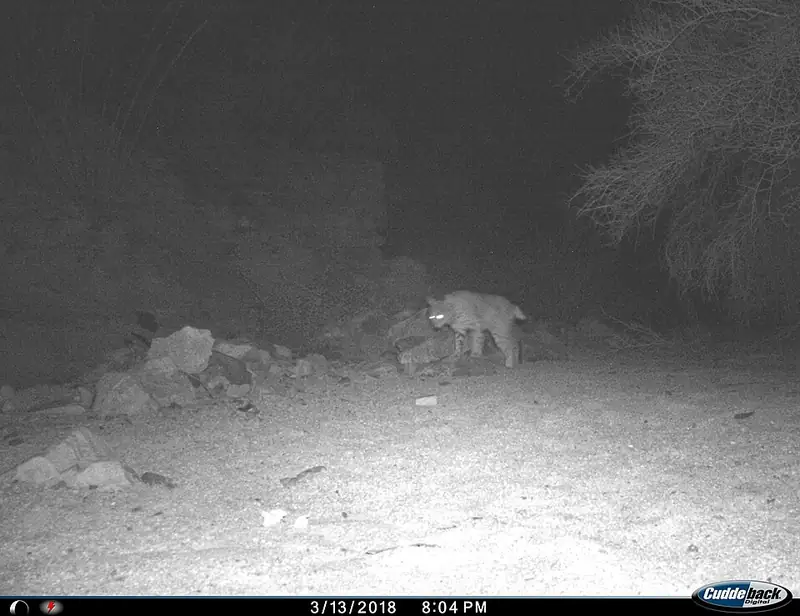 Mammal
 Bobcat
Lynx rufus
A small wildcat about twice the size of a house cat, common but rarely seen, that can bring down prey many times its own weight.
-
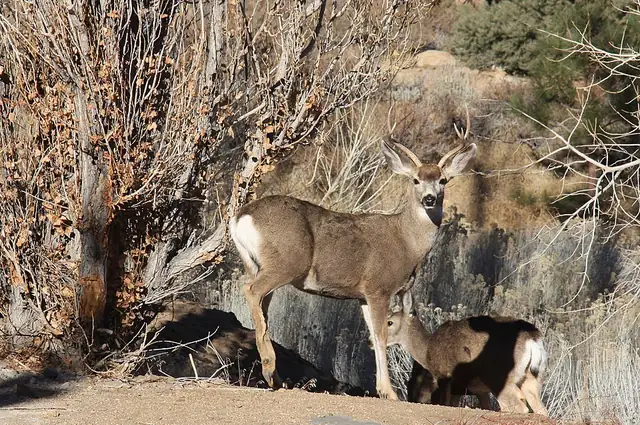 Mammal
 Mule deer
Odocoileus hemionus
A western deer named for its big mule-like ears, common along canyon rims and desert washes in Grand Canyon, Zion, Yosemite, and Saguaro.
-
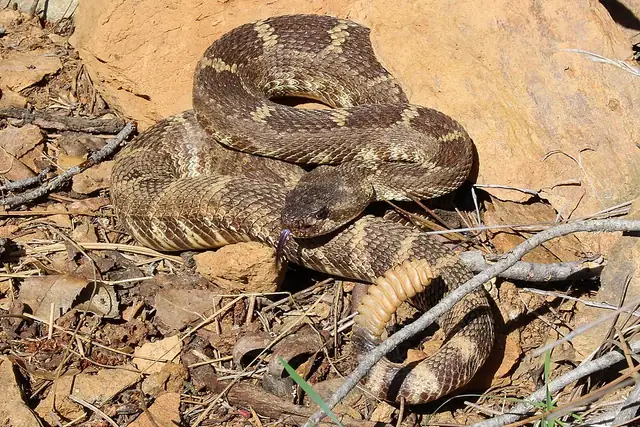 Reptile
 Northern Pacific rattlesnake
Crotalus oreganus
The only rattlesnake in these Northern California volcanic parks, born fully venomous but silent, with a single button instead of a working rattle.
-
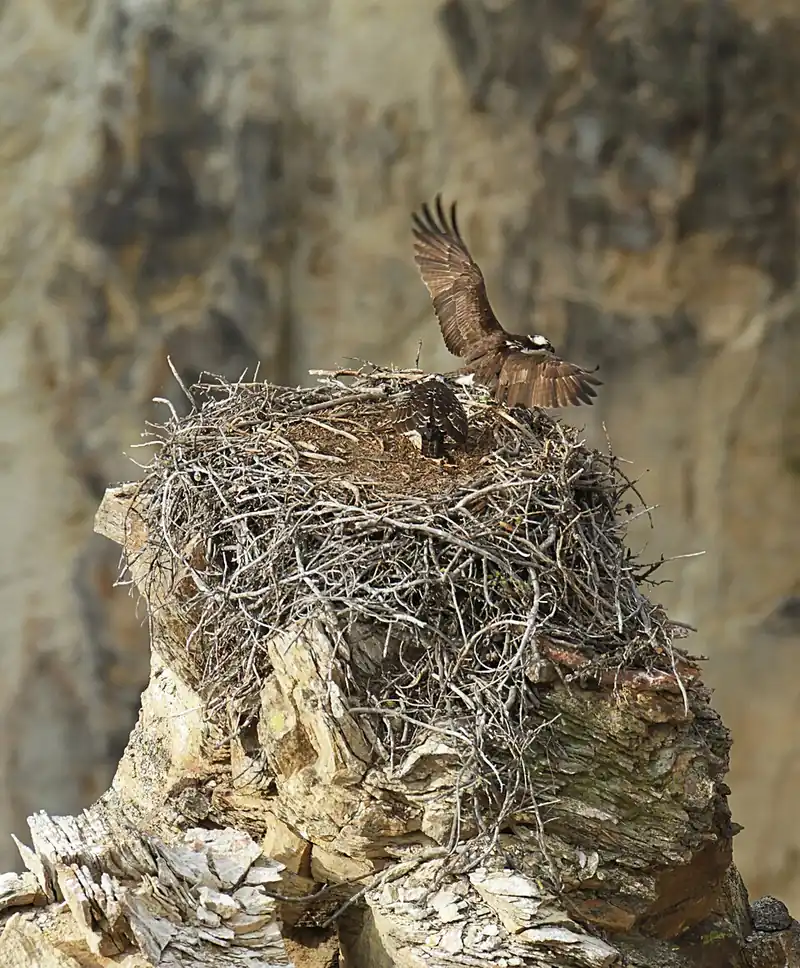 Bird
Bird Osprey
Pandion haliaetus
A fish-hunting hawk that dives feet-first into open water and flies off with its catch turned head-forward like a torpedo.
-
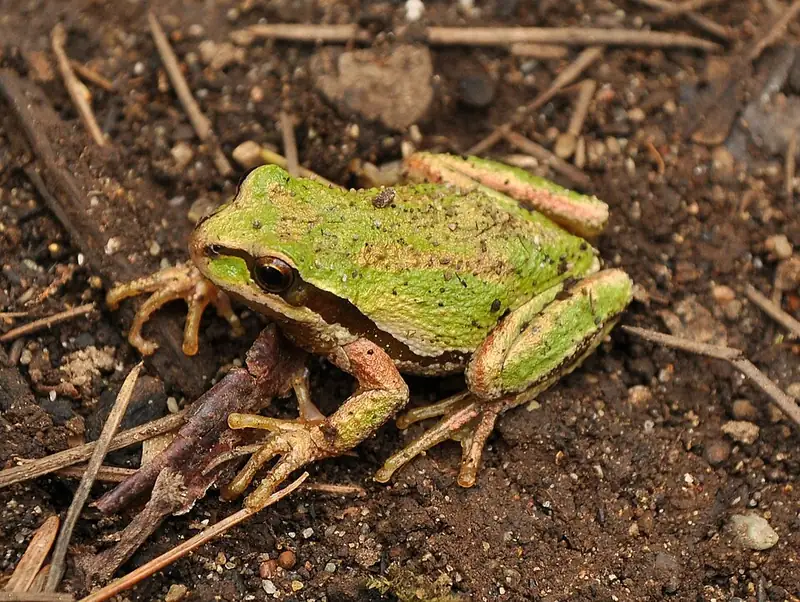 Amphibian
 Pacific chorus frog
Pseudacris regilla
A two-inch frog that shifts between green and brown and calls the ribbit Hollywood dubs onto night scenes everywhere, from sea level to alpine ponds.
-
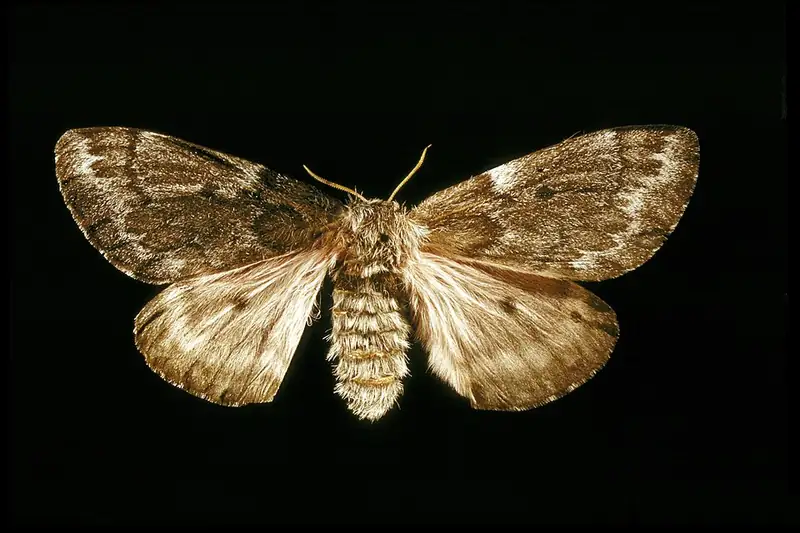 Invertebrate
 Pandora moth
Coloradia pandora
A large gray forest moth of ponderosa country whose caterpillars boom every few decades and once fed the Klamath and Paiute people who harvested them.
-
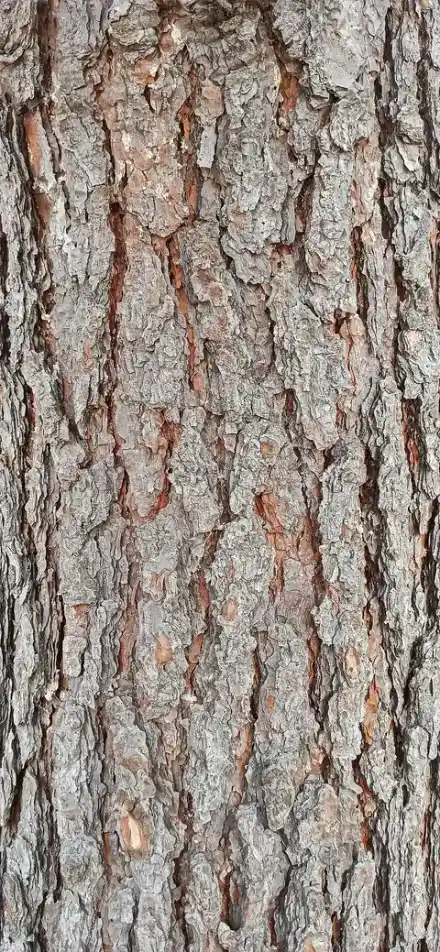 Plant
Plant Ponderosa pine
Pinus ponderosa
A tall western pine whose sun-warmed bark smells like butterscotch and vanilla, and which drops its low branches so ground fire can pass safely beneath it.
-
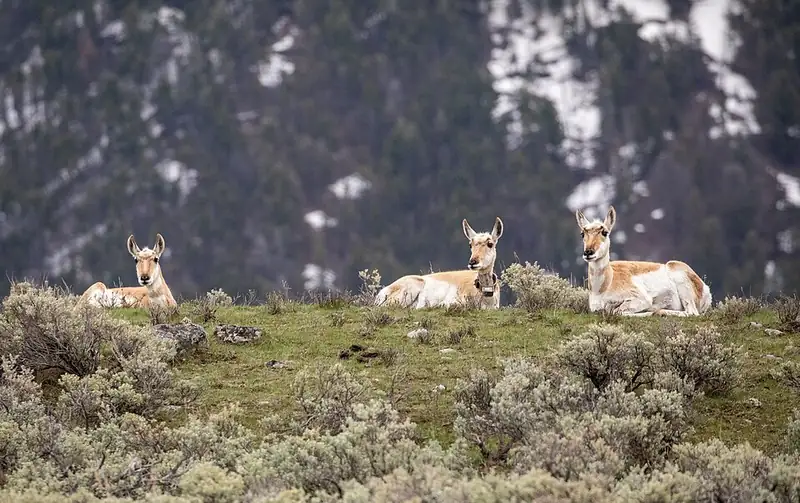 Mammal
 Pronghorn
Antilocapra americana
North America's fastest land mammal, seen in Yellowstone's northern range and at Lava Beds, built to outrun a predator that went extinct 12,000 years ago.
-
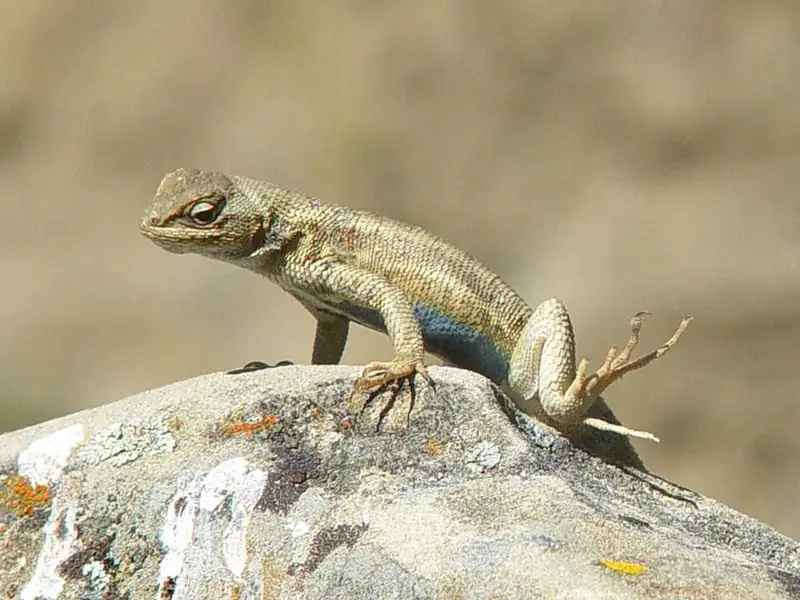 Reptile
 Sagebrush lizard
Sceloporus graciosus
A small, slender, high-country lizard, the fence lizard's cousin, whose males flash blue belly and throat patches in a push-up display.
-
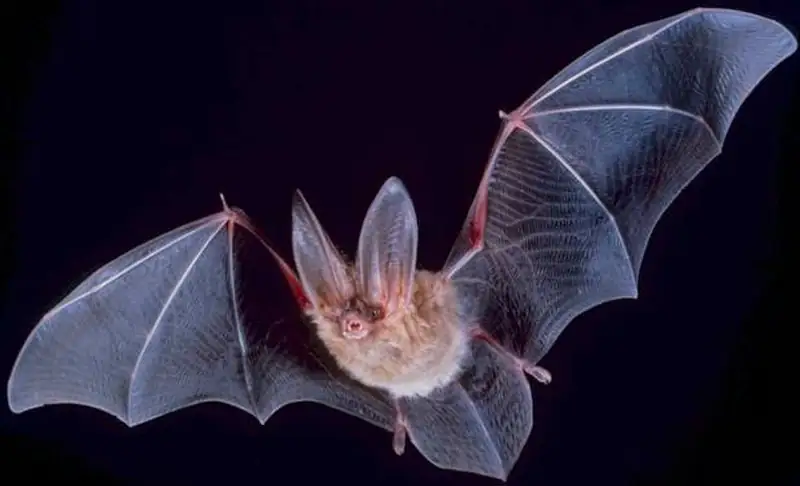 Mammal
 Townsend's big-eared bat
Corynorhinus townsendii
A soft brown bat with enormous curling ears that roosts in the cool lava-tube caves of Lava Beds and hunts moths in the dark.
-
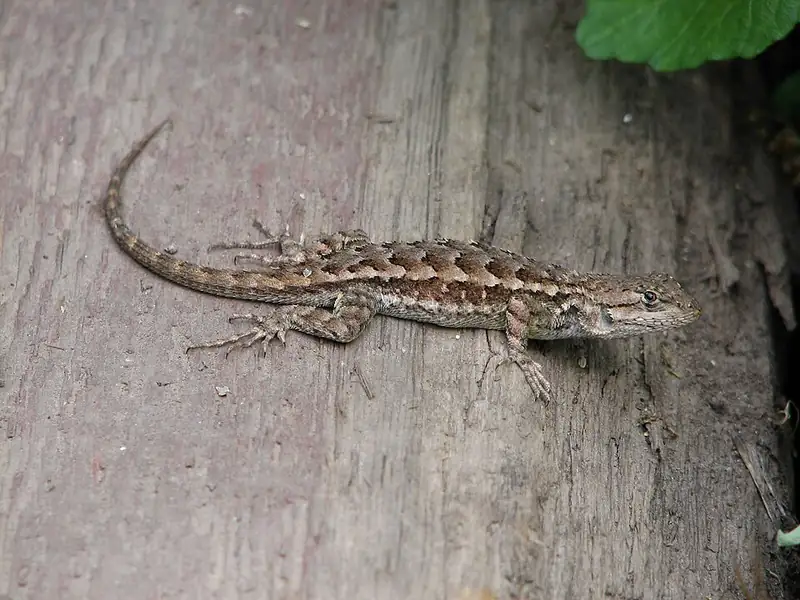 Reptile
 Western fence lizard
Sceloporus occidentalis
The blue-bellied lizard of West Coast rock walls and fence rails, whose blood carries a protein that kills the Lyme disease bacterium inside a feeding tick.