Reptiles of Lava Beds National Monument
The 3 reptiles of Lava Beds National Monument. Their profiles carry sizes, diets, and whether you should worry.
Common questions
Which Lava Beds National Monument reptiles demand distance from a kid?
Northern Pacific rattlesnake, Sagebrush lizard, and Western fence lizard carry a rule worth reading. Northern Pacific rattlesnake: This is the only rattlesnake in these parks, and it is venomous, so give it real respect, not panic. Sagebrush lizard: This lizard has no venom, and its main defense is running. Western fence lizard: It has no venom. (per NPS species pages).
What do Lava Beds National Monument reptiles eat?
Northern Pacific rattlesnake eats mice, voles, ground squirrels, young rabbits, birds, lizards. Sagebrush lizard eats ants, beetles, grasshoppers, flies, spiders and other small arachnids. Western fence lizard eats beetles, spiders, ticks, crickets, isopods, centipedes. (per NPS species pages).
The strangest true thing about Lava Beds National Monument's reptiles.
Northern Pacific rattlesnake: This is the only rattlesnake species found in Lassen Volcanic, Lava Beds, and Redwood, a much shorter list than the half-dozen rattlesnake species at the desert parks farther south. Sagebrush lizard: NPS Lava Beds groups it with the western fence lizard as the two lizards commonly seen there on warm summer days. (per NPS species pages).
-
 Reptile
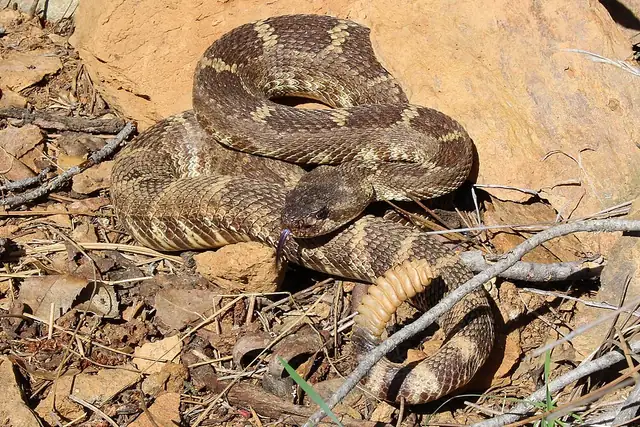
Northern Pacific rattlesnake
Crotalus oreganus
The only rattlesnake in these Northern California volcanic parks, born fully venomous but silent, with a single button instead of a working rattle.
-
 Reptile
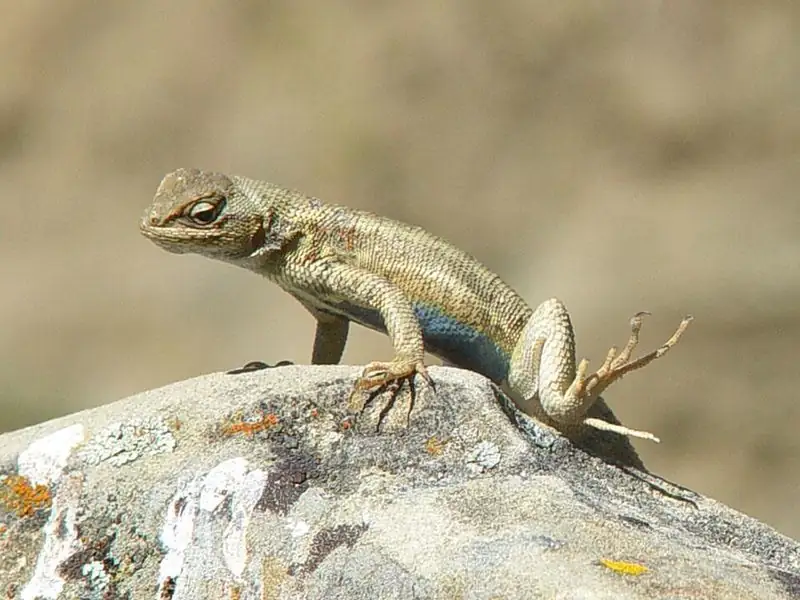
Sagebrush lizard
Sceloporus graciosus
A small, slender, high-country lizard, the fence lizard's cousin, whose males flash blue belly and throat patches in a push-up display.
-
 Reptile
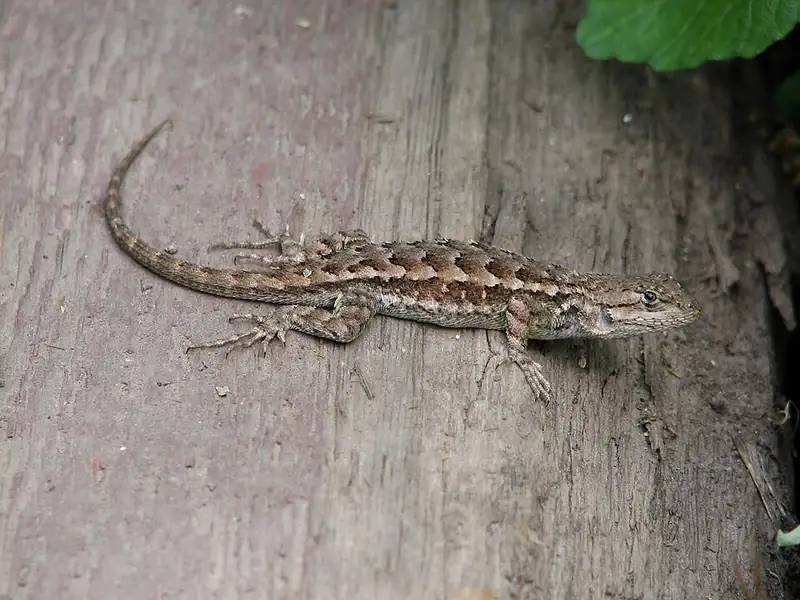
Western fence lizard
Sceloporus occidentalis
The blue-bellied lizard of West Coast rock walls and fence rails, whose blood carries a protein that kills the Lyme disease bacterium inside a feeding tick.