Lava Beds National Monument
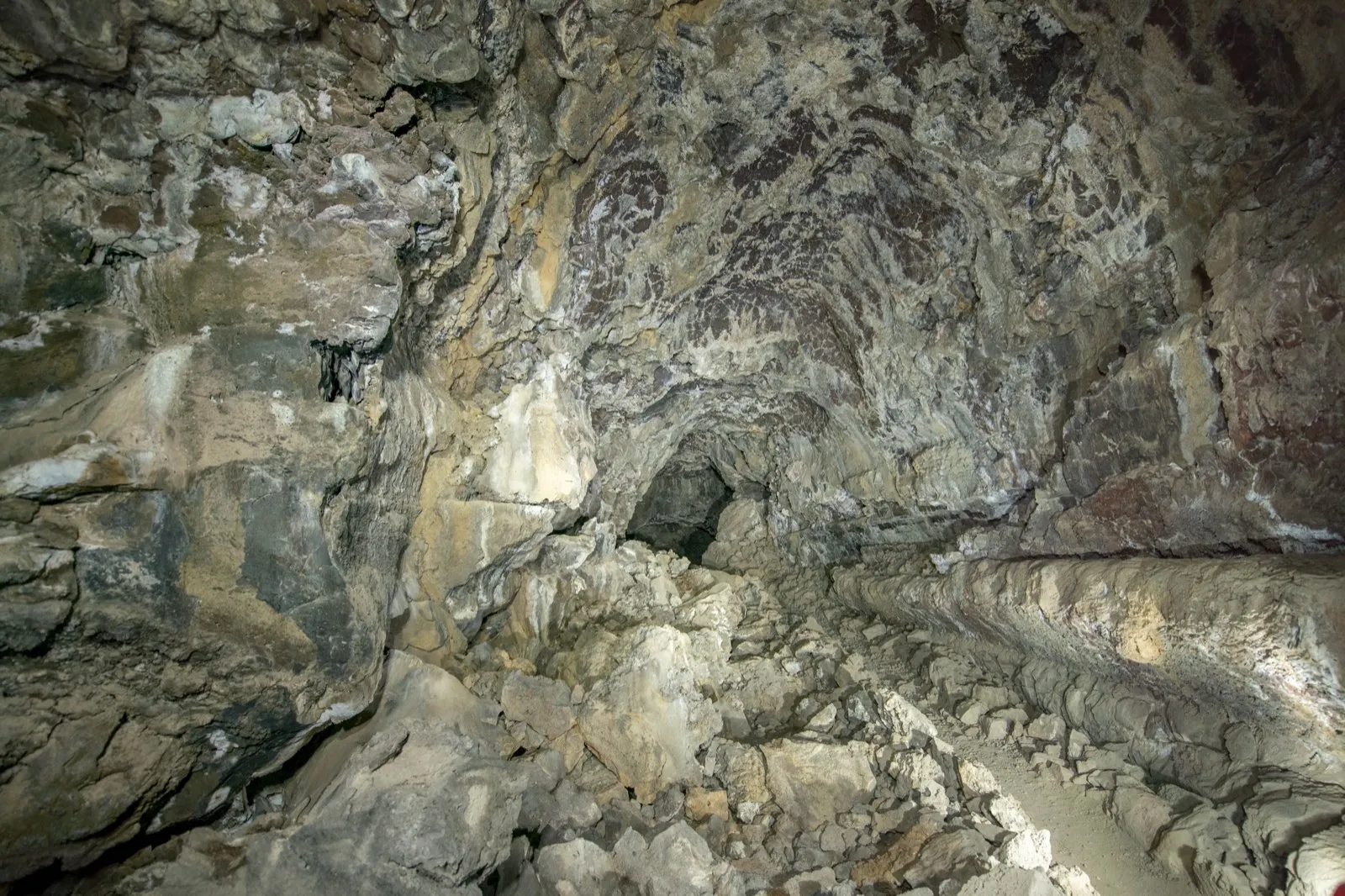
A ranger at Lassen sent us here. We had been asking about the Native history of this corner of California, and she said the turning point was south, in the lava, where the Modoc War was fought. So we drove down for a single day, June 20, 2026, with headlamps and a map of the caves.
The monument sits on the north flank of the Medicine Lake shield volcano, and the eruptions there over the last half-million years left more than 800 caves, lava tubes that drained out as the surface crusted over, per the NPS. This is the homeland of the Modoc people, and the NPS notes the area still holds cultural and spiritual importance for people of Modoc and Klamath descent today. We told Big and Little that before we went underground.
The caves are walkable for kids if you pick the right ones. We started at Mushpot, the only lighted cave in the monument, a short tube right by the visitor center with signs that explain how the rock formed. Then we drove the Cave Loop, a two-mile road off the visitor center with about two dozen caves opening off it, and walked Sentinel, a through-cave you can enter at one marker and come out another. Little wanted to touch every wall. Big counted the side passages we did not take.
Petroglyph Point is its own stop, away from the loop on the northeast edge. The NPS calls it one of the most extensive panels of American Indian rock art in California, more than 5,000 carvings cut into a cinder cone that erupted as an island in Tule Lake. The carvings sit high on the cliff because the lake once came up to meet them. That is the part we drove out to understand. Most of Tule Lake is gone now. The U.S. Bureau of Reclamation began draining it for farmland around 1920 under the Klamath Project, and what was a body of water deep enough to reach those carvings is mostly fields today.
The war is the reason a ranger pointed us here. In the winter of 1872 to 1873, a band of about sixty Modoc fighters under Kintpuash, called Captain Jack, held out in the lava against a U.S. Army force that outnumbered them roughly ten to one, per the NPS. The rock they used as a fortress, now called Captain Jack’s Stronghold, is preserved in the monument. The Modoc had asked for a small reservation of their own on Lost River and were refused. When the war ended, Kintpuash and three other men were hanged at Fort Klamath in October 1873, two more were sent to Alcatraz, and the Modoc Nation records that 155 survivors were loaded into railroad cars built for cattle and sent 2,000 miles to Indian Territory in what is now Oklahoma, where the Modoc Nation is headquartered today. We stood at a few pullouts on the loop. The caves they knew, we were only just learning. The lake that fed those carvings is fields now. Two thousand miles is the distance they were sent.
There is no water for sale inside the monument and the nearest groceries are up in Tulelake, so we filled bottles before we drove in. We were back on the road north by evening.
Wild things at Lava Beds National Monument
See all 14 →-
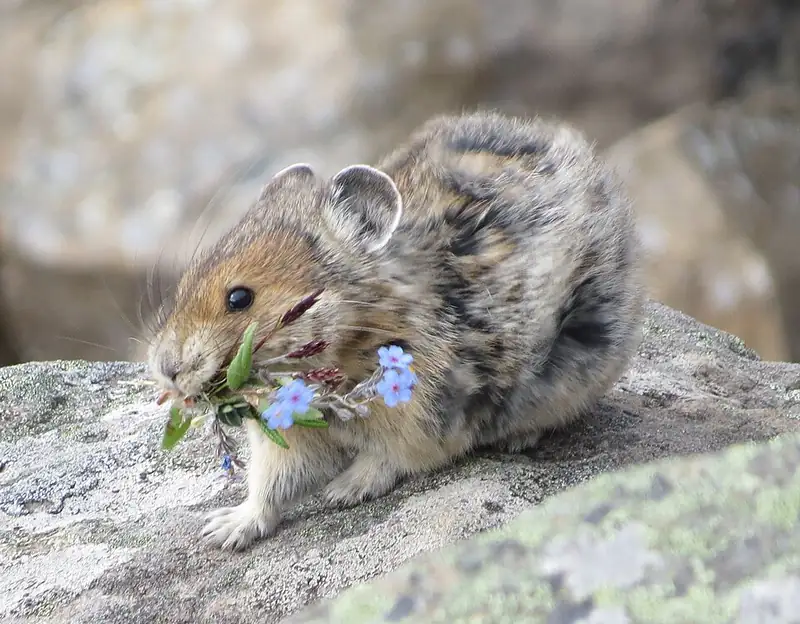 Mammal
 American pika
Ochotona princeps
A small round cousin of the rabbit that lives in mountain rock piles at Rocky Mountain, Mount Rainier, and North Cascades, and never sleeps through winter.
-
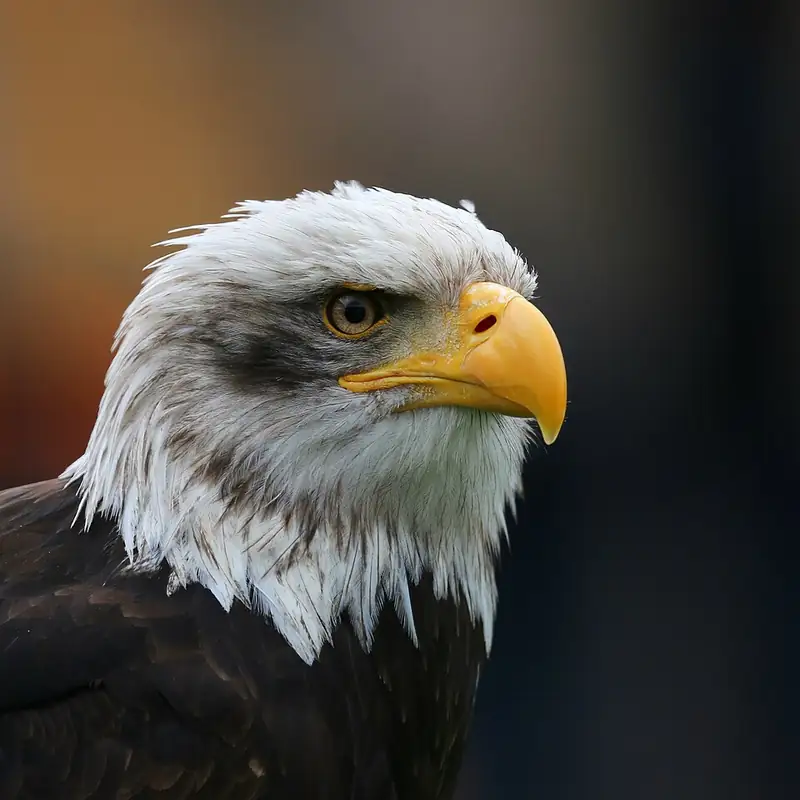 Bird
Bird Bald eagle
Haliaeetus leucocephalus
The white-headed fish hawk that is the national bird of the United States, common along the lakes of Voyageurs and the coasts of Olympic and Katmai.
-
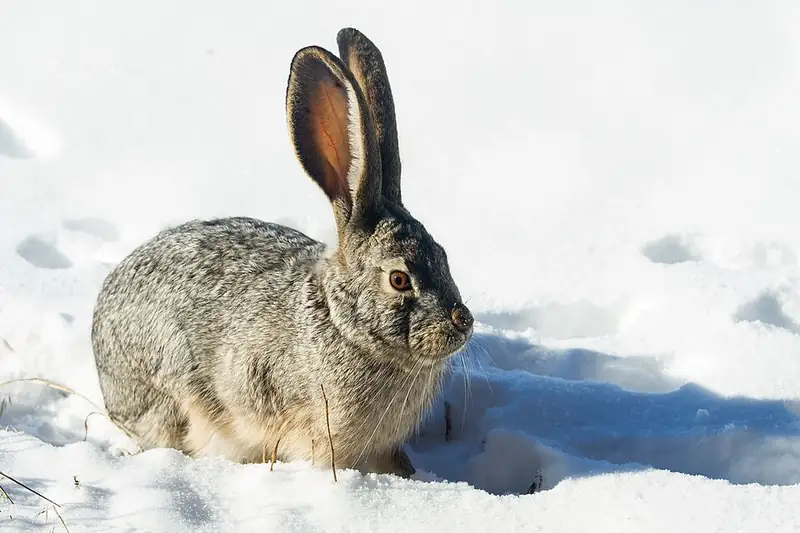 Mammal
 Black-tailed jackrabbit
Lepus californicus
A big-eared hare of Joshua Tree and Lava Beds that dumps body heat through its ears and outruns coyotes in zigzags at 40 miles an hour.
-
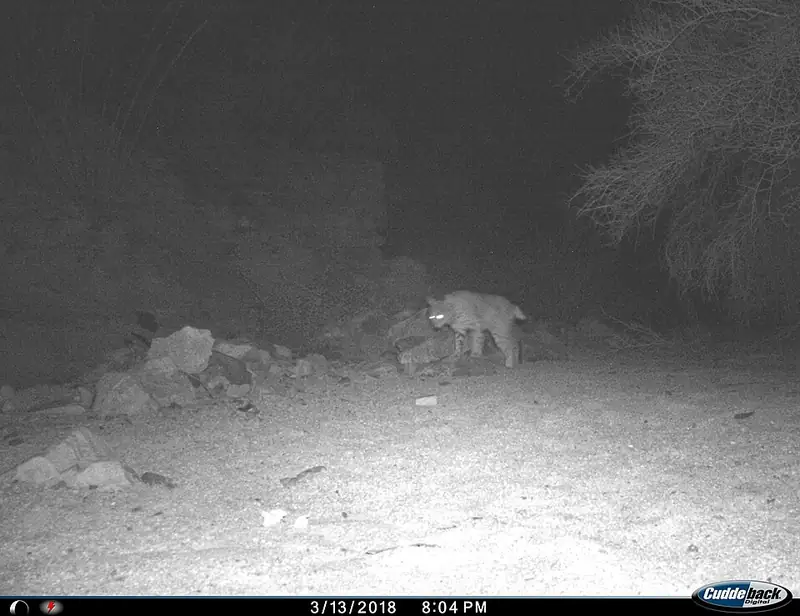 Mammal
 Bobcat
Lynx rufus
A small wildcat about twice the size of a house cat, common but rarely seen, that can bring down prey many times its own weight.
-
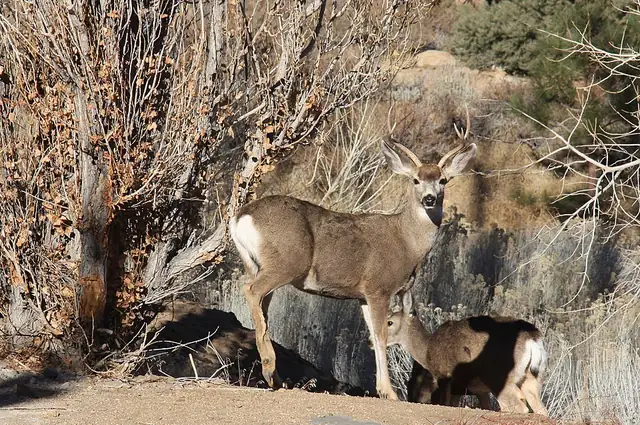 Mammal
 Mule deer
Odocoileus hemionus
A western deer named for its big mule-like ears, common along canyon rims and desert washes in Grand Canyon, Zion, Yosemite, and Saguaro.
-
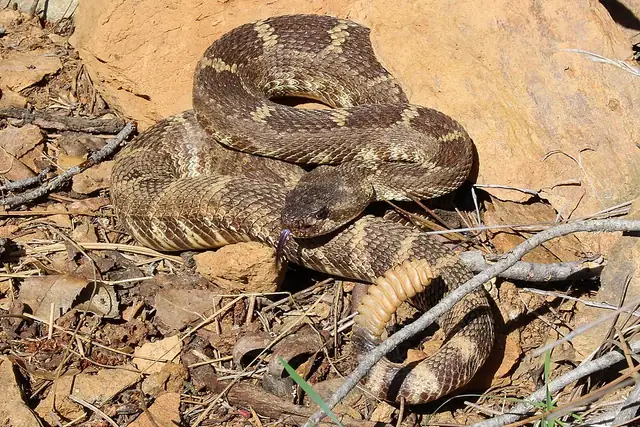 Reptile
 Northern Pacific rattlesnake
Crotalus oreganus
The only rattlesnake in these Northern California volcanic parks, born fully venomous but silent, with a single button instead of a working rattle.