Animals & Plants of Capitol Reef National Park
The 21 animals, plants, and fungi you can find at Capitol Reef National Park, with sizes, diets, and whether you should worry. See the full park guide at Capitol Reef National Park.
Anything here that bites?
Keep away
- Mountain lion: Confrontations are very rare — even in Yellowstone, with a healthy population, few have ever been documented.
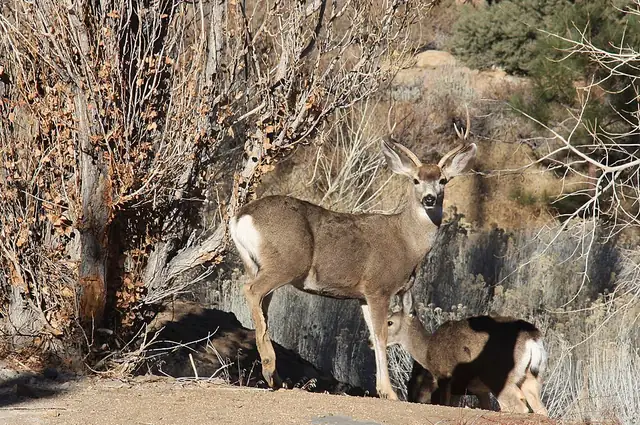
- Mule deer: Mule deer look calm and tame, but they are wild animals with sharp hooves, and bucks have antlers in fall.
Don't touch or eat
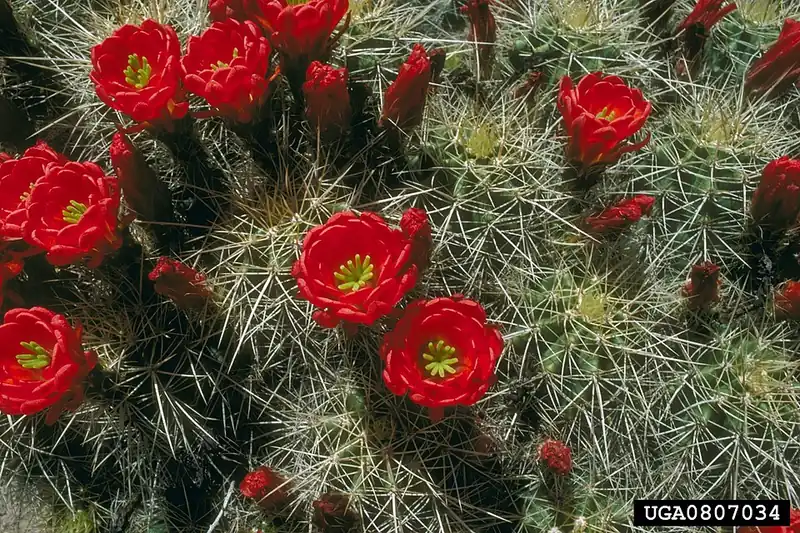
- Claret cup cactus: This cactus is covered in stiff spines, so the rule is look, do not touch.
Bites if handled
- American beaver: Beavers are shy and would rather swim off than confront anyone.
- Bullsnake: Not dangerous at all — it has no venom.
- Golden eagle: A golden eagle will not come after a person.
- Greater short-horned lizard: Not dangerous.
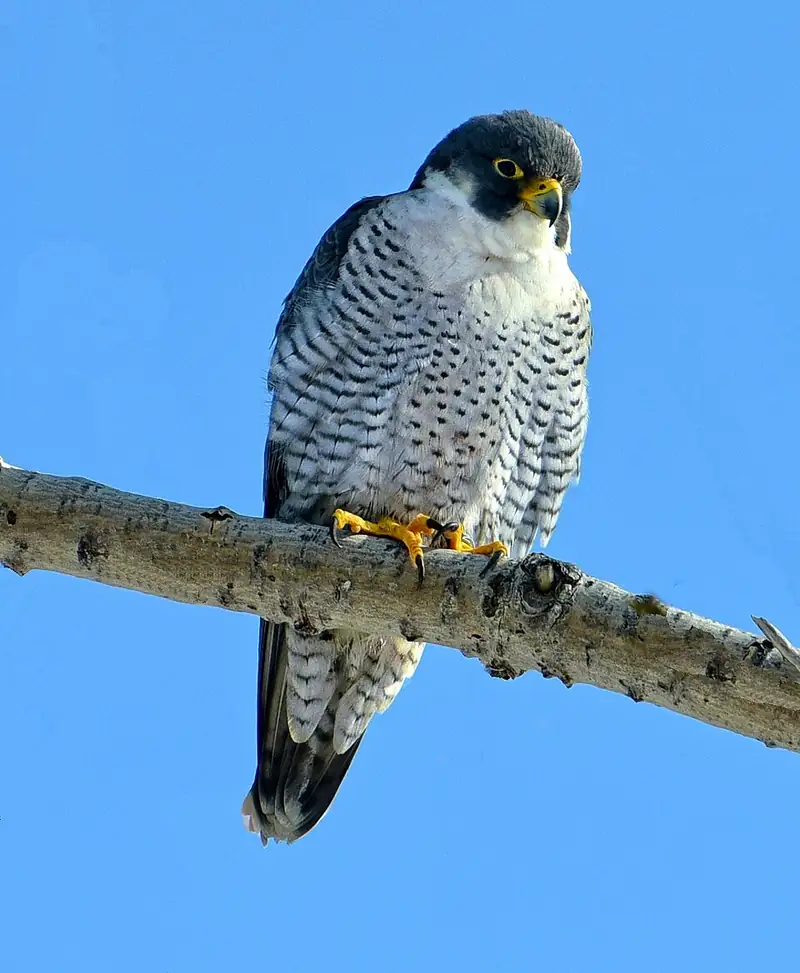
- Peregrine falcon: None to worry about.
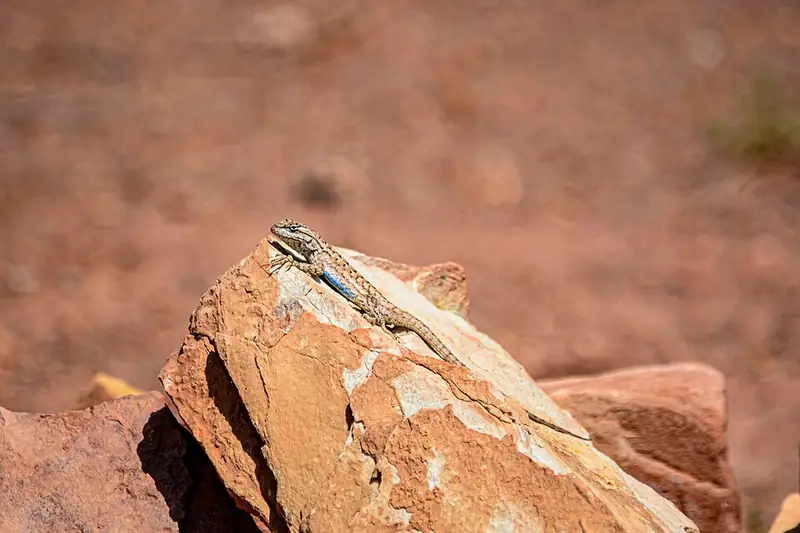
- Plateau fence lizard: No venom, and harmless if left alone.
- Red-tailed hawk: None.
- Sagebrush lizard: This lizard has no venom, and its main defense is running.
- Western terrestrial garter snake: Essentially harmless.
Everything else on this page is harmless. What each group means.
-
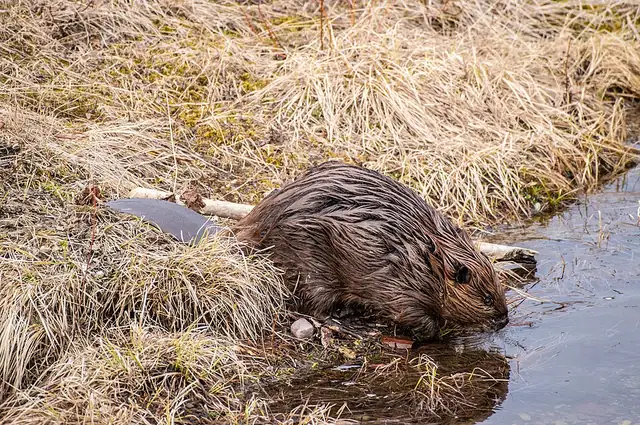 Mammal
American beaver
Castor canadensis
North America's largest rodent, a keystone species whose dams reshape whole streams at Yellowstone, Glacier, and ten other parks along the route.
-
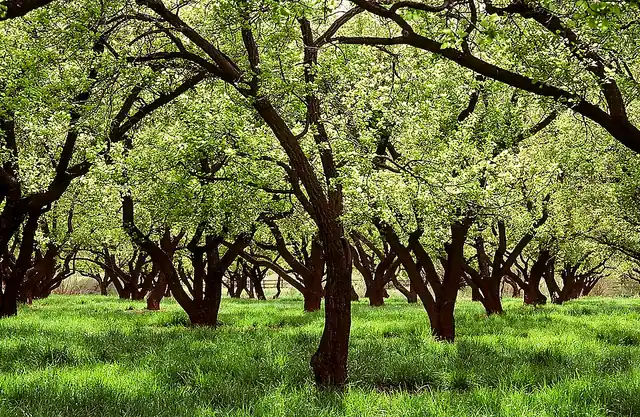 Plant
Apple
Malus domestica
The orchard tree people planted at Fruita in the 1880s, still bearing fruit you can pick, weigh and pay for at Capitol Reef.
-
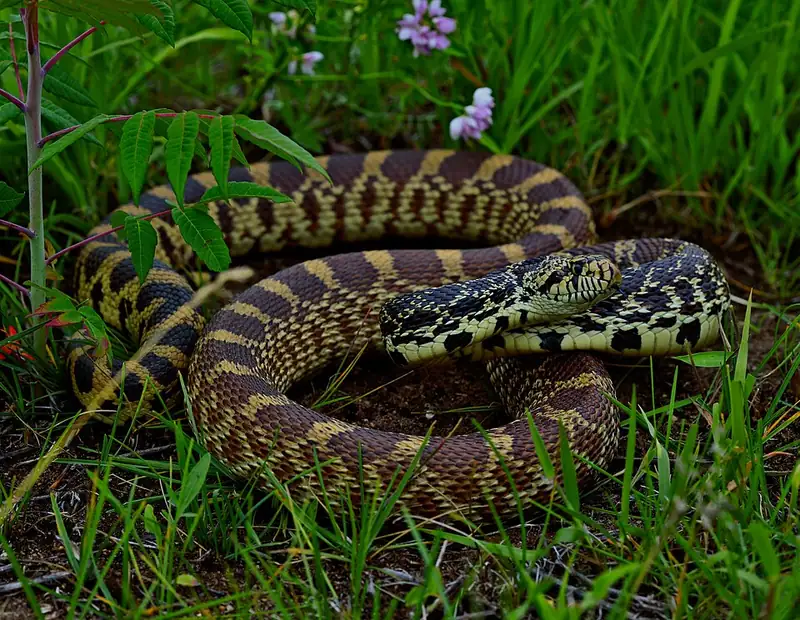 Reptile
Bullsnake
Pituophis catenifer sayi
A big, harmless snake that fakes being a rattlesnake — hissing, flattening its head, and shaking its tail in dry grass — to talk its way out of trouble.
-
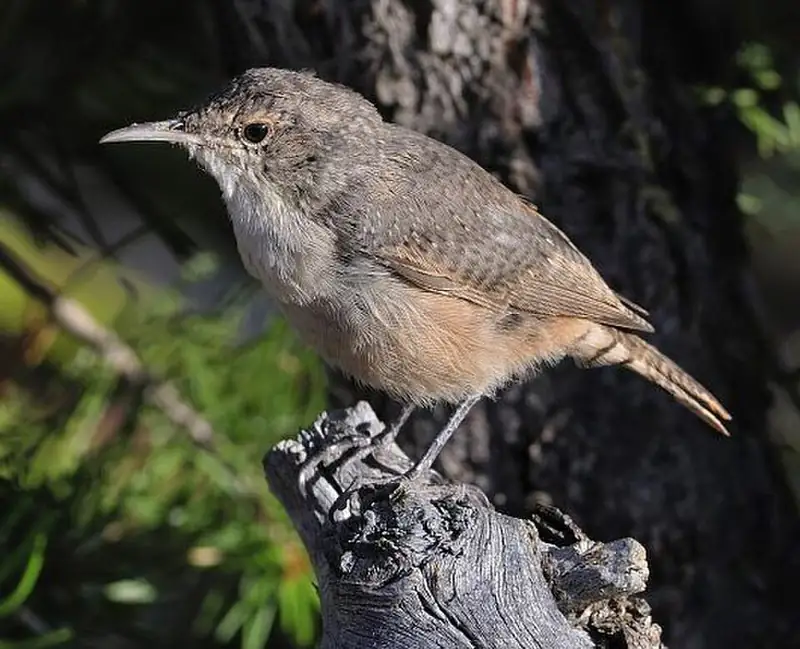 Bird
Canyon wren
Catherpes mexicanus
A small, rusty-brown songbird of canyon cliffs at Black Canyon, Arches, and Canyonlands, far more often heard than seen.
-
 Plant
Claret cup cactus
Echinocereus triglochidiatus
A low, mounding desert cactus that bursts into bright red, cup-shaped flowers each spring on rocky ground across the Southwest.
-
 Bird
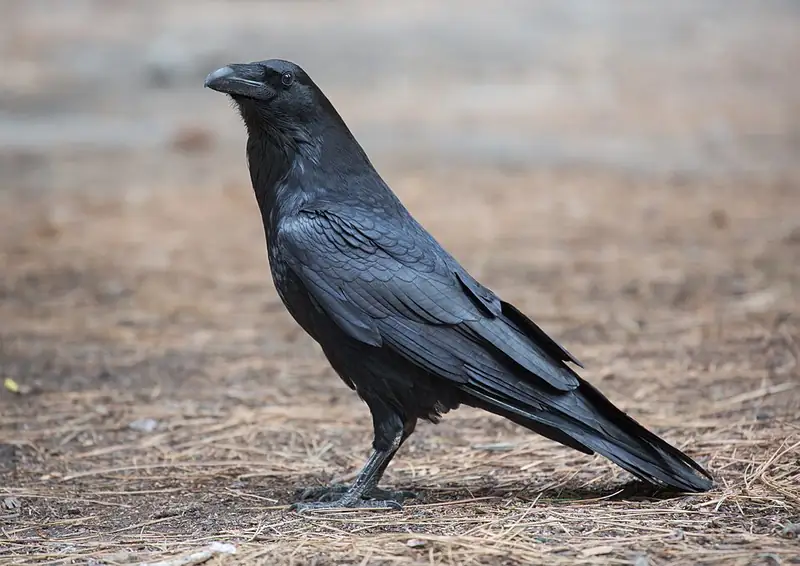
Common raven
Corvus corax
A big, glossy-black problem-solver that rolls and tumbles in the wind over the cliffs of Grand Canyon, Arches, and Canyonlands.
-
 Plant
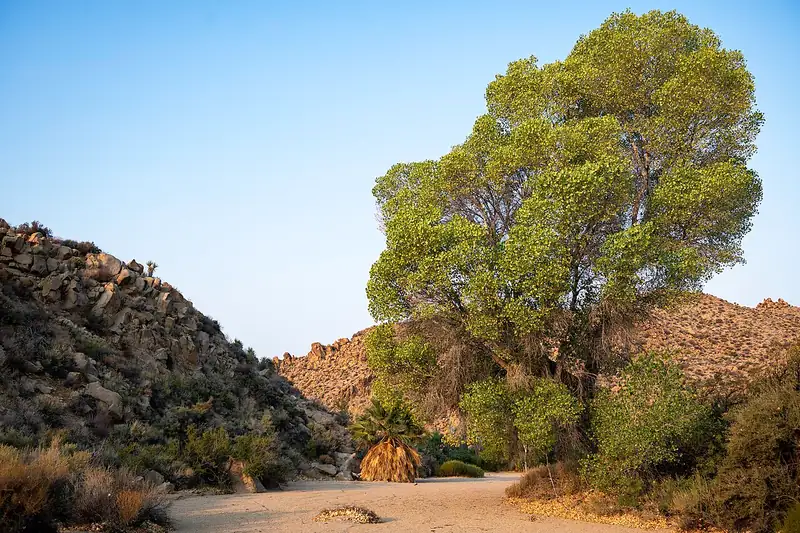
Fremont cottonwood
Populus fremontii
The big tree of Capitol Reef's river bottoms: 75 feet tall, triangular leaves, and cotton fluff that carries its seed downstream.
-
 Plant
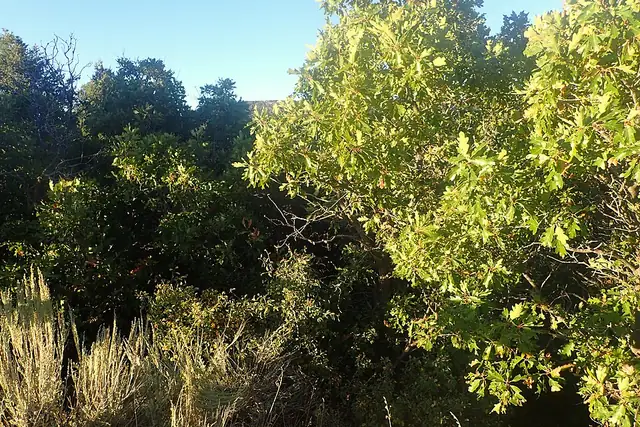
Gambel oak
Quercus gambelii
The shrub oak that forms thickets across Black Canyon's rim, with underground buds that resprout after fire.
-
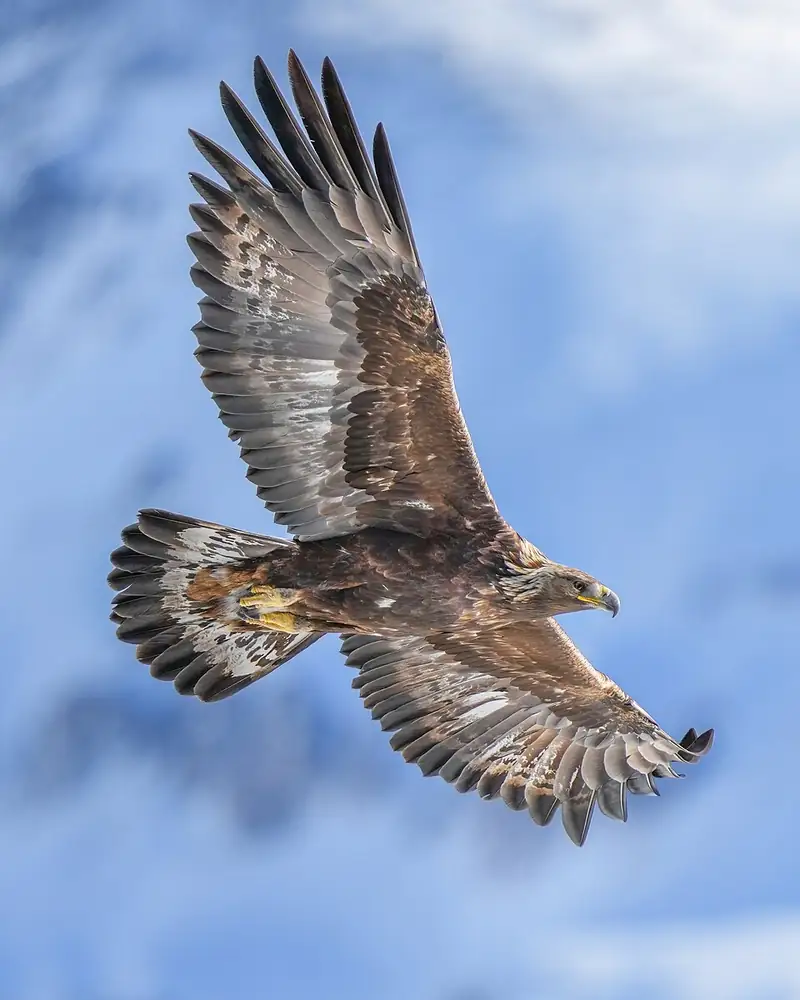 Bird
Golden eagle
Aquila chrysaetos
A dark brown eagle with golden neck feathers that hunts rabbits and hares across open country, nesting on cliffs in Denali, Death Valley, and Great Basin.
-
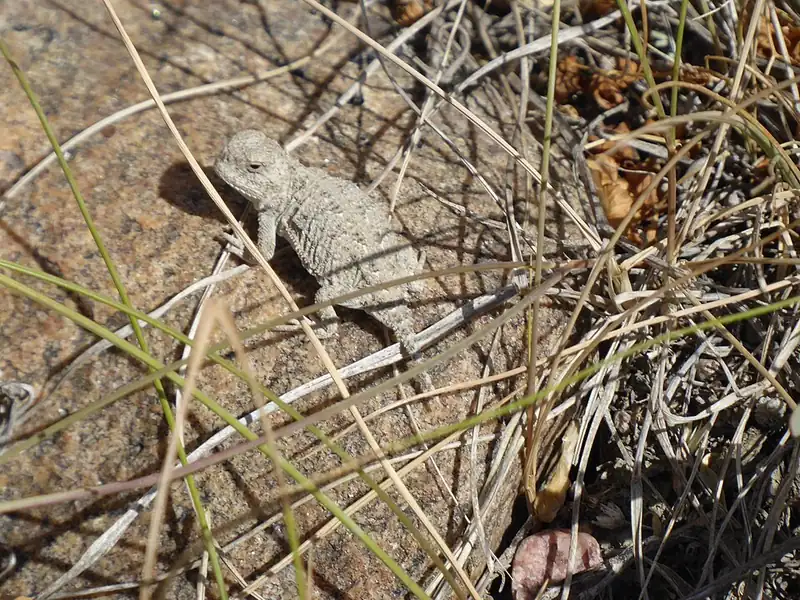 Reptile
Greater short-horned lizard
Phrynosoma hernandesi
A flat, spiky, dirt-colored lizard, sometimes called a horned toad, that can squirt blood from its eyes at a coyote and gives birth to live young.
-
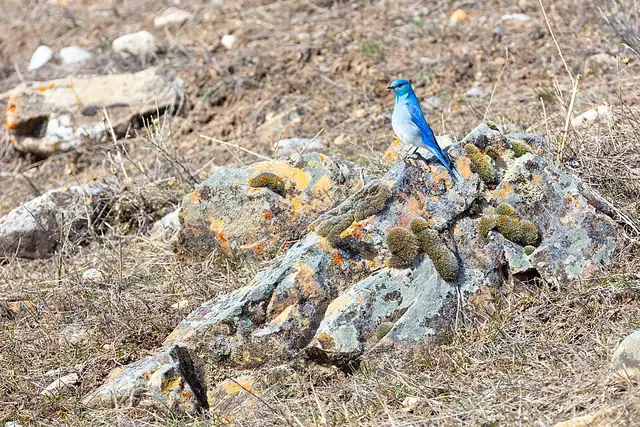 Bird
Mountain bluebird
Sialia currucoides
A sky-blue thrush of high, open country, the only bluebird seen regularly above 5,000 feet, nesting in lava-rock crevices at Craters of the Moon.
-
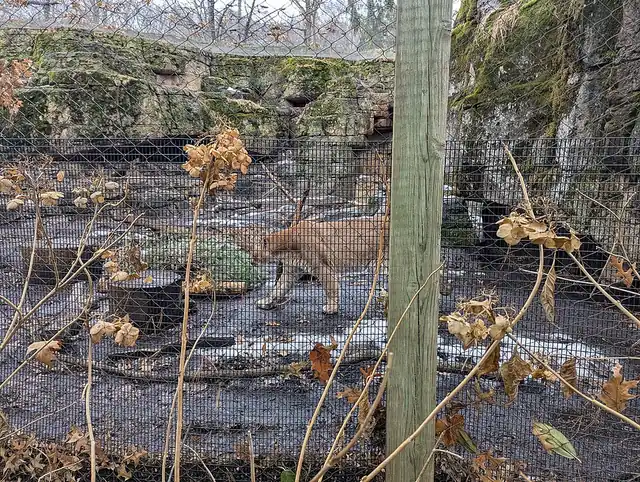 Mammal
Mountain lion
Puma concolor
A tan, solitary big cat found from Glacier to Mesa Verde, called cougar, puma, or panther by region, and rarely seen at all.
-
 Mammal
Mule deer
Odocoileus hemionus
A western deer named for its big mule-like ears, common on canyon rims and in desert washes in Grand Canyon, Zion, Yosemite, Arches, Canyonlands, and Saguaro.
-
 Bird
Peregrine falcon
Falco peregrinus
The fastest animal alive, a crow-sized falcon that folds its wings and stoops on other birds in midair, and a species that nearly vanished before recovering.
-
 Bird
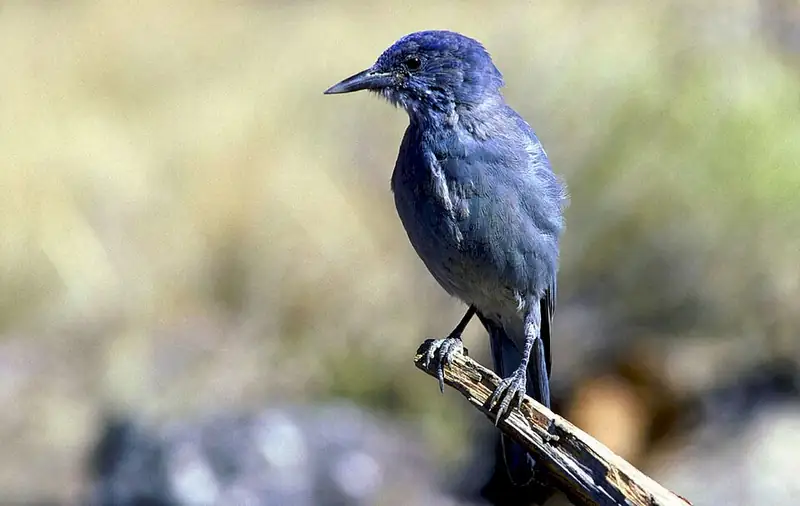
Pinyon jay
Gymnorhinus cyanocephalus
A dusty-blue crow relative that travels Mesa Verde and Black Canyon in loud flocks, burying pine seeds it will dig up again later.
-
 Reptile
Plateau fence lizard
Sceloporus tristichus
A gray-brown lizard with blue belly patches on males, smaller than the flashier collared lizard on the same sunny rock at Mesa Verde, Arches, and Black Canyon.
-
 Bird
Red-tailed hawk
Buteo jamaicensis
The hawk most often recorded in Yellowstone. We watched a hawk take a pika near the Roosevelt cabins and could not tell you which hawk it was.
-
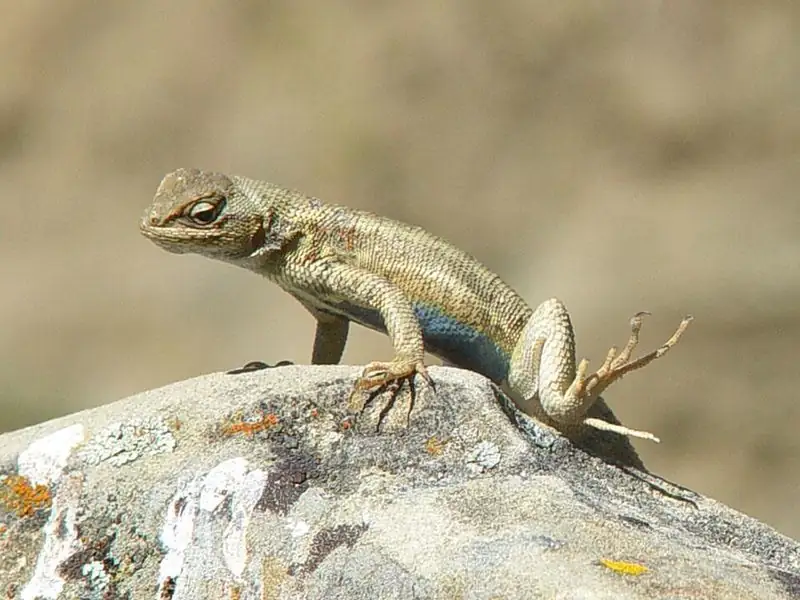 Reptile
Sagebrush lizard
Sceloporus graciosus
A small, slender, high-country lizard, the fence lizard's cousin, whose males flash blue belly and throat patches in a push-up display.
-
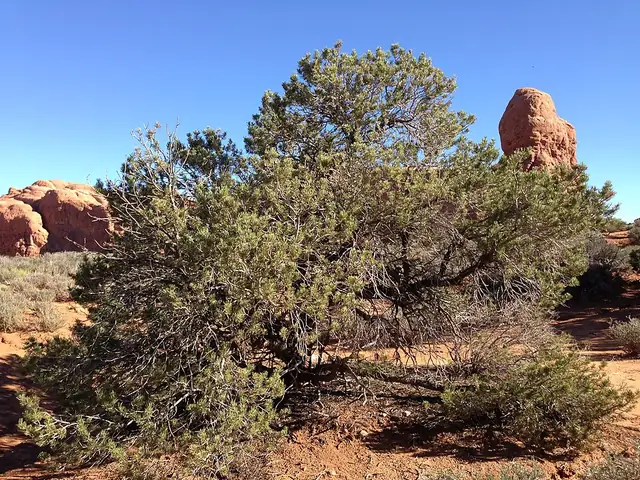 Plant
Two-needle pinyon
Pinus edulis
A short, gnarled pine of the drier Southwest, growing at Mesa Verde, Black Canyon, and Great Sand Dunes, with nuts a jay plants by forgetting them.
-
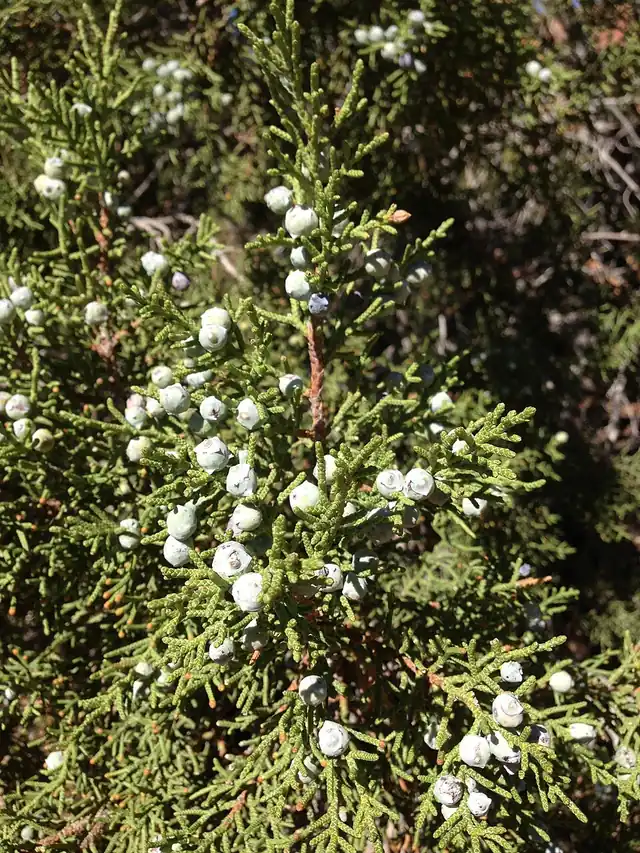 Plant
Utah juniper
Juniperus osteosperma
A short, twisted evergreen of dry canyon country, rooting in cracked rock at Mesa Verde, Black Canyon, Arches, Canyonlands, and Craters of the Moon lava fields.
-
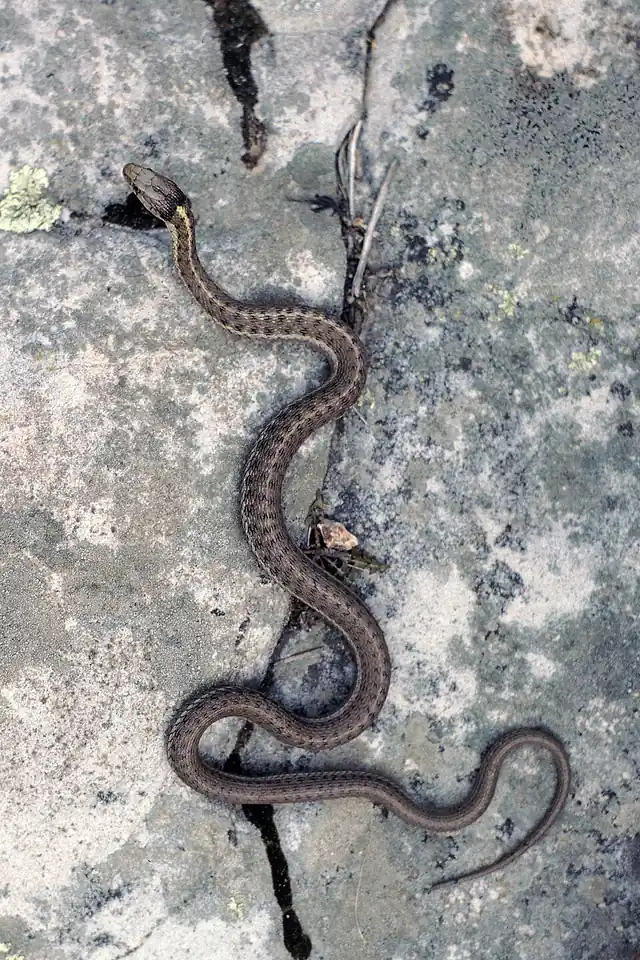 Reptile
Western terrestrial garter snake
Thamnophis elegans
A slim, striped snake found from stream banks to talus slopes across ten of these parks, and the most commonly seen reptile in several of them.