Mammals of Capitol Reef National Park
The 3 mammals of Capitol Reef National Park. Their profiles carry sizes, diets, and whether you should worry.
Common questions
Which Capitol Reef National Park mammals demand distance from a kid?
American beaver, Mountain lion, and Mule deer carry a rule worth reading. American beaver: Beavers are shy and would rather swim off than confront anyone. Mountain lion: Confrontations are very rare — even in Yellowstone, with a healthy population, few have ever been documented. Mule deer: Mule deer look calm and tame, but they are wild animals with sharp hooves, and bucks have antlers in fall. (per NPS species pages).
What do Capitol Reef National Park mammals eat?
American beaver eats willow and aspen bark and twigs, pond lilies and other water plants, conifer bark when little else is available. Mountain lion eats elk, deer, marmots, porcupines. Mule deer eats grasses, leaves, twigs, flowers, nuts, berries. (per NPS species pages).
The strangest true thing about Capitol Reef National Park's mammals.
American beaver: Yellowstone's northern-range beaver colonies bottomed out at just 8 in a 1953 survey, then climbed back to 127 by 2007 as habitat recovered. Mountain lion: Cougar kittens weigh about a pound at birth and gain roughly a pound a week for their first eight to ten weeks. (per NPS species pages).
-
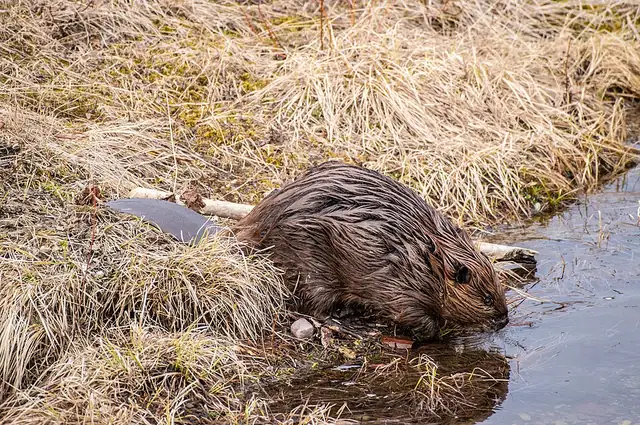 Mammal
American beaver
Castor canadensis
North America's largest rodent, a keystone species whose dams reshape whole streams at Yellowstone, Glacier, and ten other parks along the route.
-
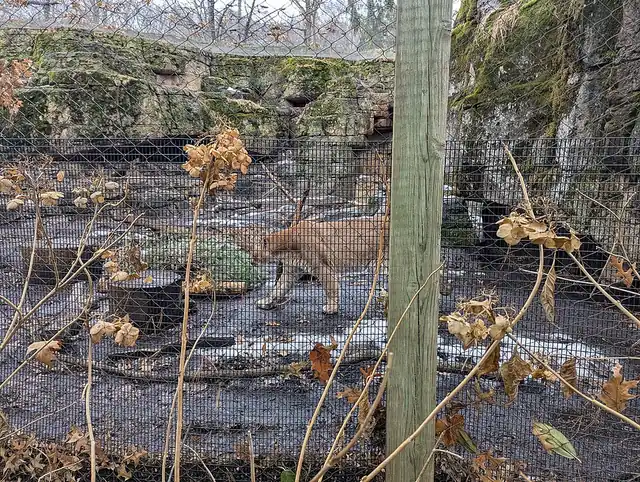 Mammal
Mountain lion
Puma concolor
A tan, solitary big cat found from Glacier to Mesa Verde, called cougar, puma, or panther by region, and rarely seen at all.
-
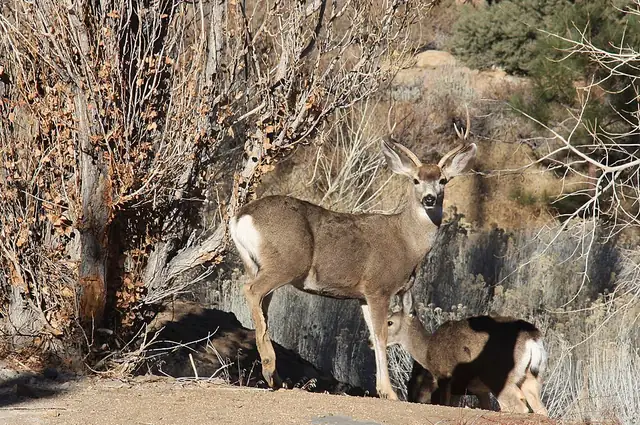 Mammal
Mule deer
Odocoileus hemionus
A western deer named for its big mule-like ears, common on canyon rims and in desert washes in Grand Canyon, Zion, Yosemite, Arches, Canyonlands, and Saguaro.