Animals & Plants of Joshua Tree National Park
The 15 animals, plants, and fungi you can find at Joshua Tree National Park, with sizes, diets, and whether you should worry. See the full park guide at Joshua Tree National Park.
Joshua Tree is two deserts in one park: the Mojave Joshua tree woodlands and the Colorado creosote flats. Mojave desert tortoises outlast the summer in burrows, coyotes and bobcats own the night, and black-tailed jackrabbits bound between the creosote. Peregrine falcons dive past the rock piles where cactus wrens build their nests.
Turn this into a game: Play Joshua Tree National Park Bingo →Common questions
Which Joshua Tree species should kids never touch?
At Joshua Tree National Park, give space to Coyote and Giant desert hairy scorpion. Coyote: Coyotes almost always run from people. Giant desert hairy scorpion: Its sting hurts, but it is not dangerous to a healthy person. (per NPS species pages).
What do the night hunters of Joshua Tree eat?
At Joshua Tree National Park, the most interesting eaters are Coyote and Mojave desert tortoise. Coyote eats mice, rabbits, lizards, insects, fruit, whatever it can find. Mojave desert tortoise eats grasses, wildflowers, new leaves, cactus. (per NPS species pages).
What is the strangest true thing about Joshua Tree wildlife?
The strangest true thing about Joshua Tree National Park: Gambel's quail: Joshua Tree National Park lists Gambel's quail as a common year-round resident, and its rising two-note call is one of the desert's most recognizable sounds. Joshua tree: Scientists worry about the Joshua tree's future because the desert is getting hotter and drier. California passed a law in 2023, the Western Joshua Tree Conservation Act, to protect the trees from being cut down or moved. (per NPS species pages).
Anything here that bites?
Venomous
- Giant desert hairy scorpion: Its sting hurts, but it is not dangerous to a healthy person.
- Tarantula hawk: It has one of the most painful stings of any insect, but it is not aggressive and will not chase or attack you.
Don't touch or eat
- Creosote bush: Safe to be near and to smell, but do not eat it.
- Joshua tree: The leaves end in hard, sharp points like little daggers, so the rule is look, do not grab.
Bites if handled
- Black-tailed jackrabbit: Harmless.
- Common chuckwalla: Not a real worry.
- Desert iguana: A desert iguana is not dangerous.
- Desert kangaroo rat: Not a danger.
- Peregrine falcon: None to worry about.
Everything else on this page is harmless. What each group means.
-
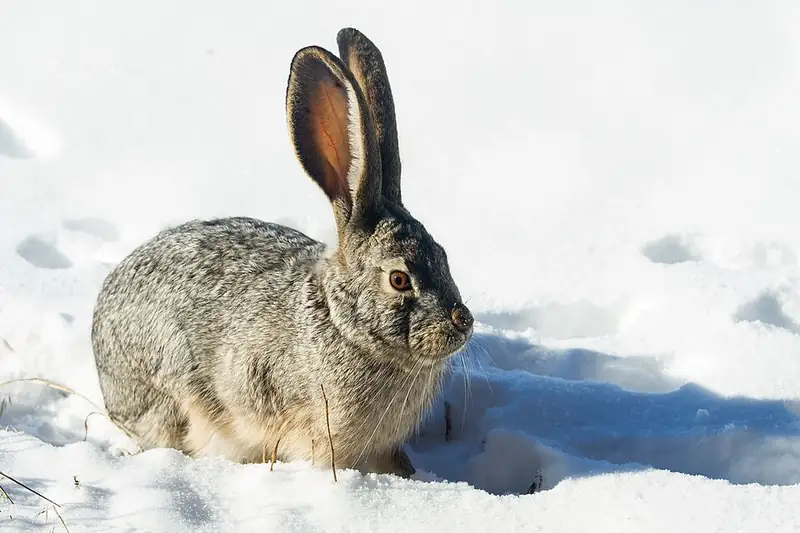 Mammal
 Black-tailed jackrabbit
Lepus californicus
A big-eared hare of Joshua Tree and Lava Beds that dumps body heat through its ears and outruns coyotes in zigzags at 40 miles an hour.
-
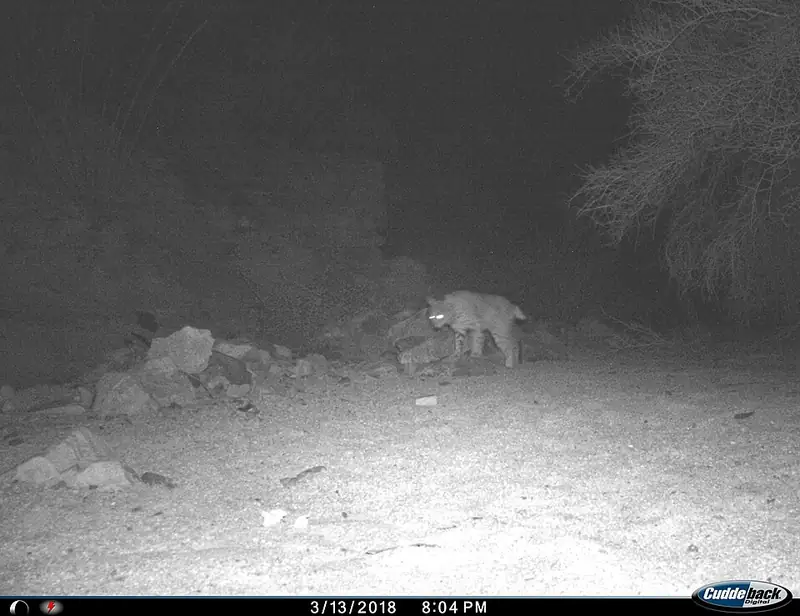 Mammal
 Bobcat
Lynx rufus
A small wildcat about twice the size of a house cat, common but rarely seen, that can bring down prey many times its own weight.
-
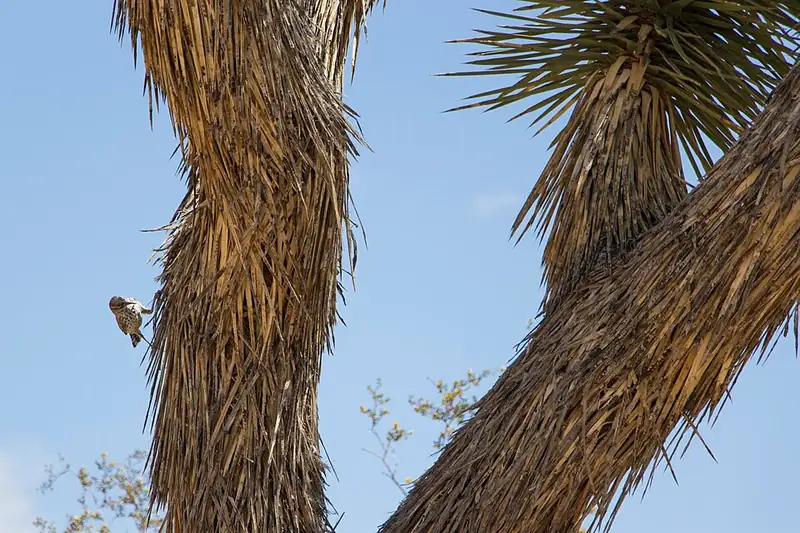 Bird
Bird Cactus wren
Campylorhynchus brunneicapillus
The largest wren in the U.S., which jams a football-shaped nest deep inside a cholla cactus's own thorns for protection.
-
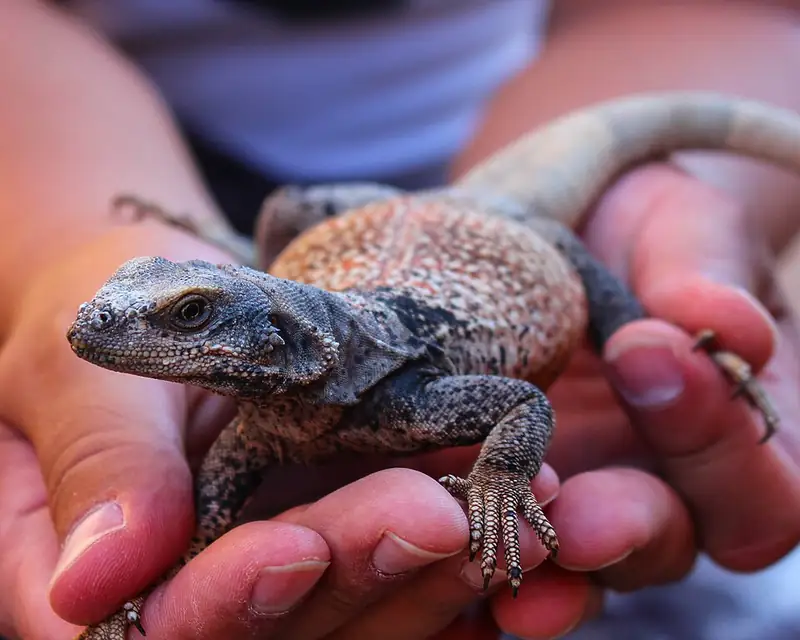 Reptile
 Common chuckwalla
Sauromalus ater
Joshua Tree's largest lizard, a slow plant-eater that wedges into a rock crack and inflates its lungs so nothing can pull it back out.
-
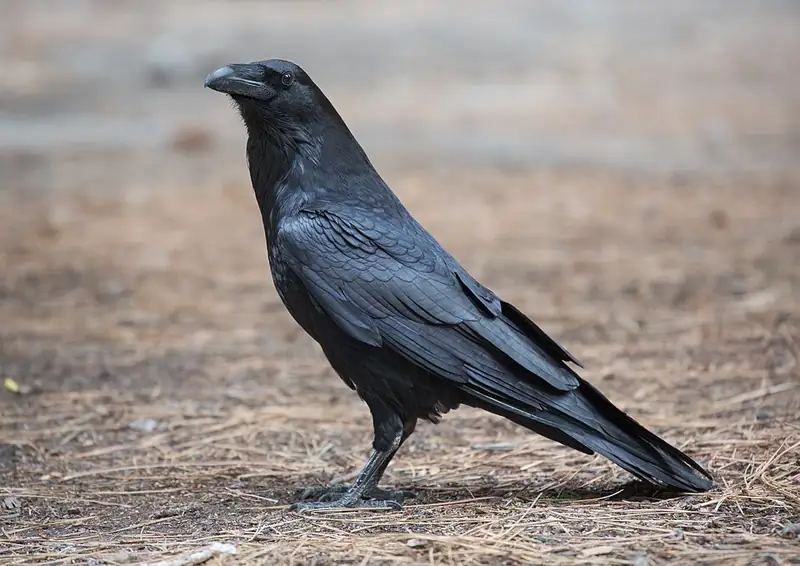 Bird
Bird Common raven
Corvus corax
A big, glossy-black problem-solver that rolls and tumbles over the cliffs of Grand Canyon, Arches, and the desert parks, watching for its next meal.
-
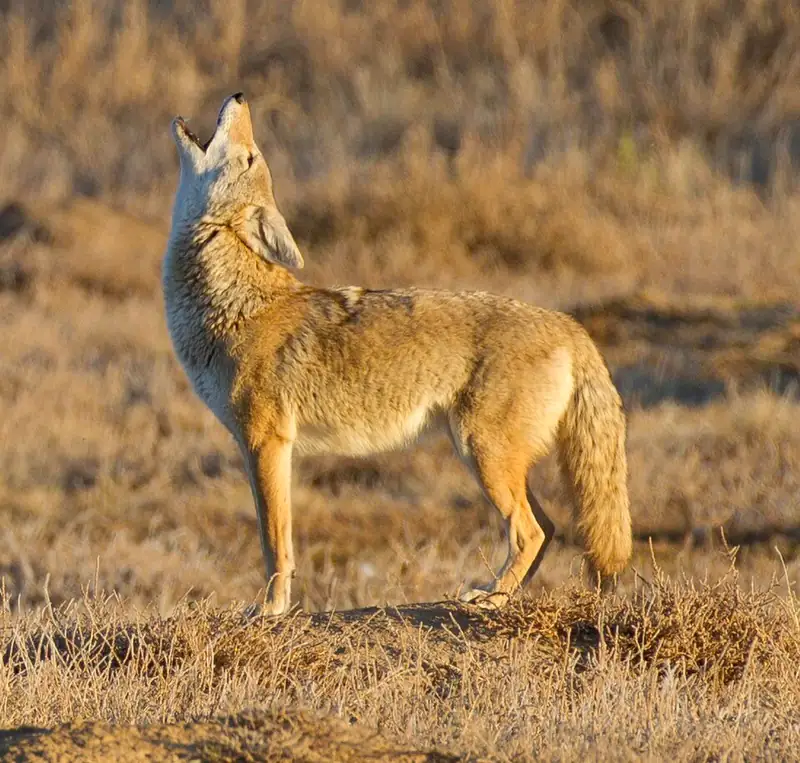 Mammal
 Coyote
Canis latrans
The wild dog you're most likely to hear at a national park — a coyote, at home in the desert, the mountains, and the edges of towns.
-
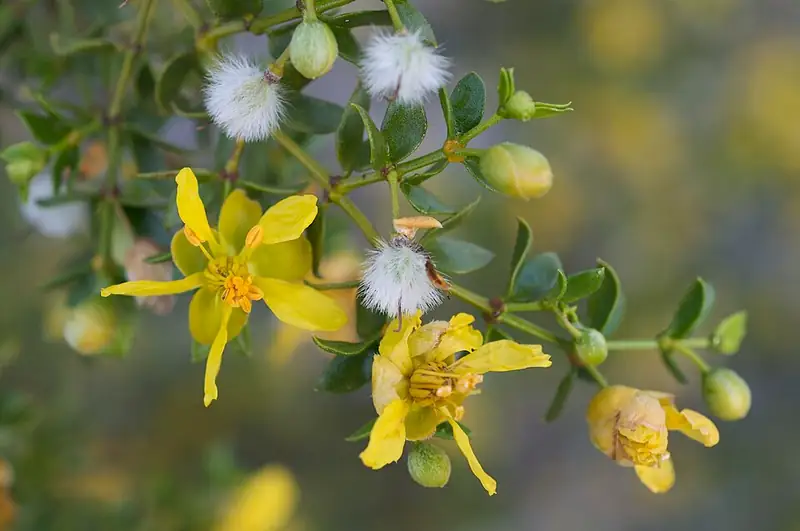 Plant
Plant Creosote bush
Larrea tridentata
The scraggly desert shrub whose leaves make the smell of desert rain, and whose slow-spreading clone rings are among the oldest living things on Earth.
-
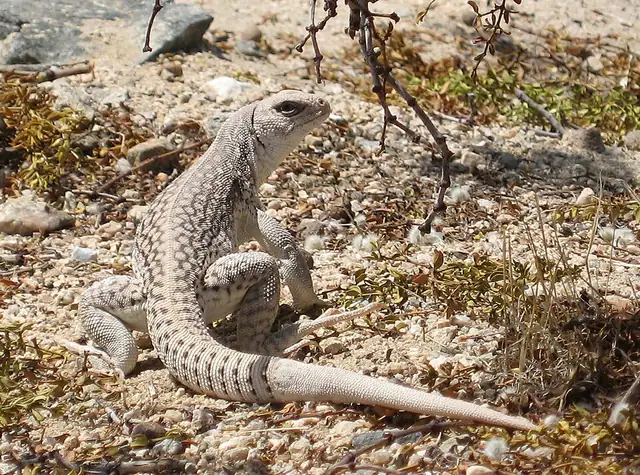 Reptile
 Desert iguana
Dipsosaurus dorsalis
A pale, plant-eating lizard that stays out on the open sand at Joshua Tree in midday heat that sends every other lizard into the shade.
-
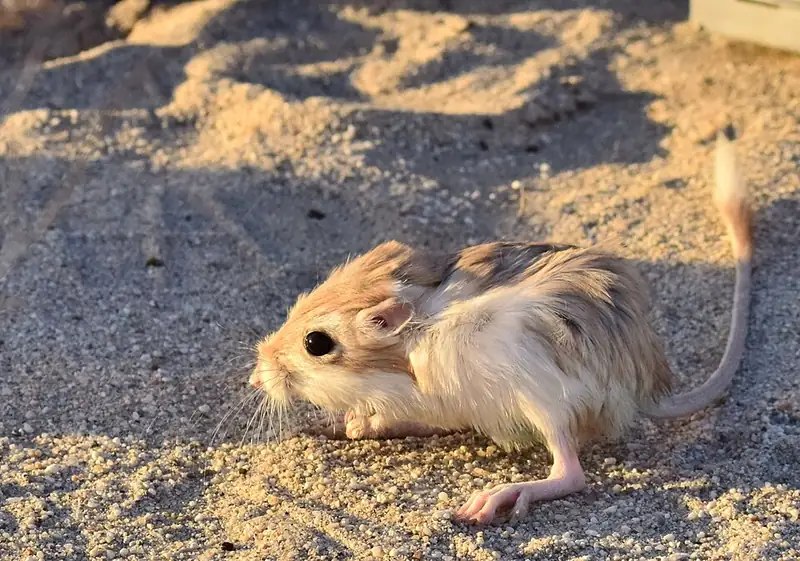 Mammal
 Desert kangaroo rat
Dipodomys deserti
A sand-dune rodent of Joshua Tree that never drinks water and dodges a striking sidewinder with a midair kick.
-
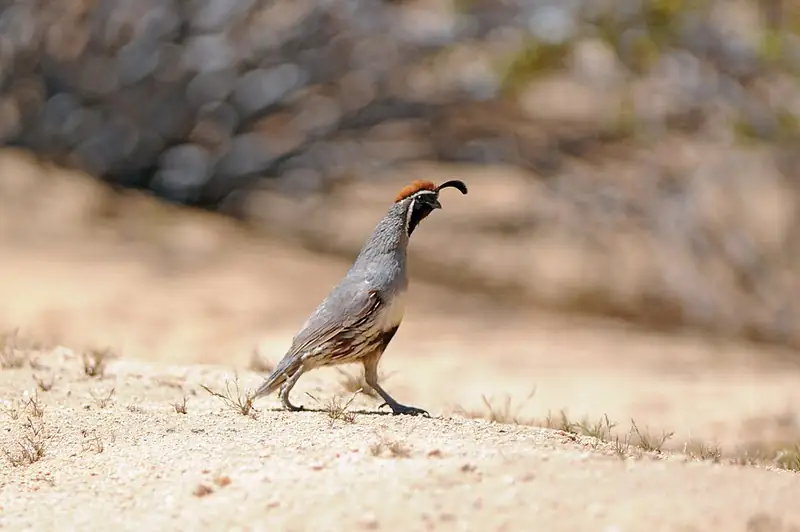 Bird
Bird Gambel's quail
Callipepla gambelii
A ground-loving desert quail with a forward-curling black topknot that runs from danger in a dusty covey instead of flying.
-
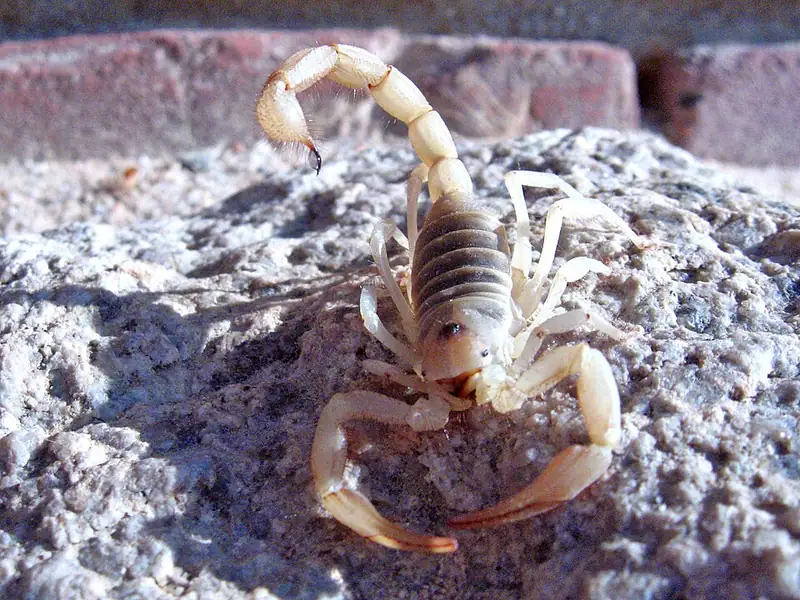 Invertebrate
 Giant desert hairy scorpion
Hadrurus arizonensis
The largest scorpion in North America, a sandy-colored desert digger covered in sensing hairs that glows blue-green under ultraviolet light.
-
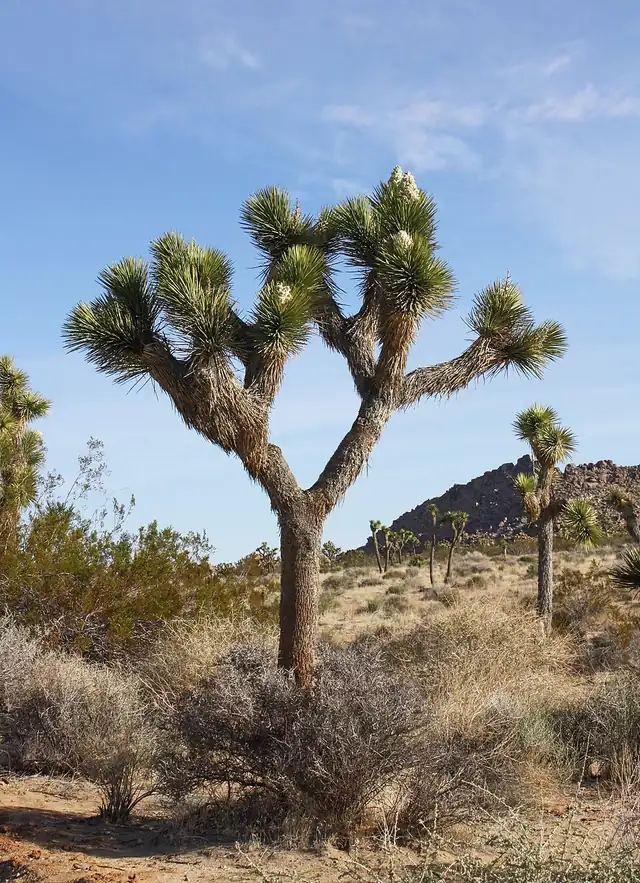 Plant
Plant Joshua tree
Yucca brevifolia
A spiky, branching yucca of the Mojave Desert, the plant that gives Joshua Tree National Park its name and its strange, arm-waving skyline.
-
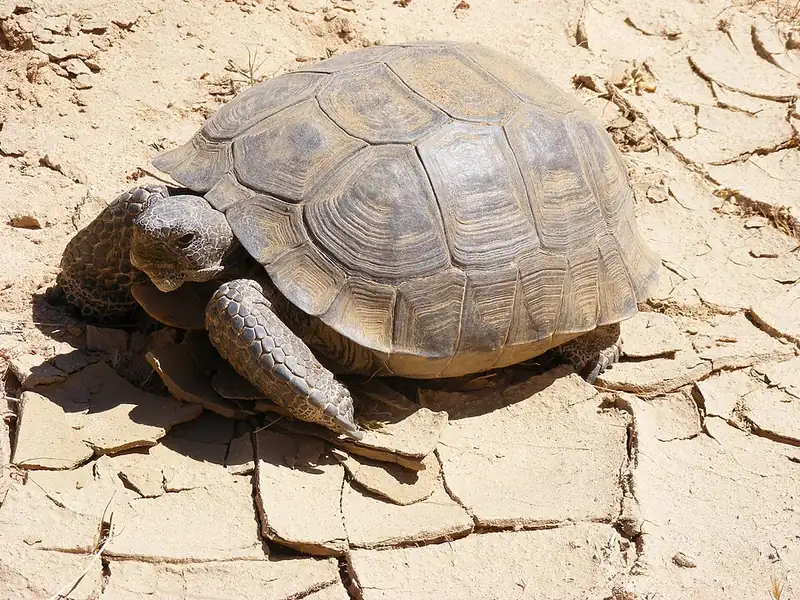 Reptile
 Mojave desert tortoise
Gopherus agassizii
A slow, dome-shelled land turtle that digs long burrows to escape the desert heat, living in the Mojave country of Joshua Tree, Saguaro, and Death Valley.
-
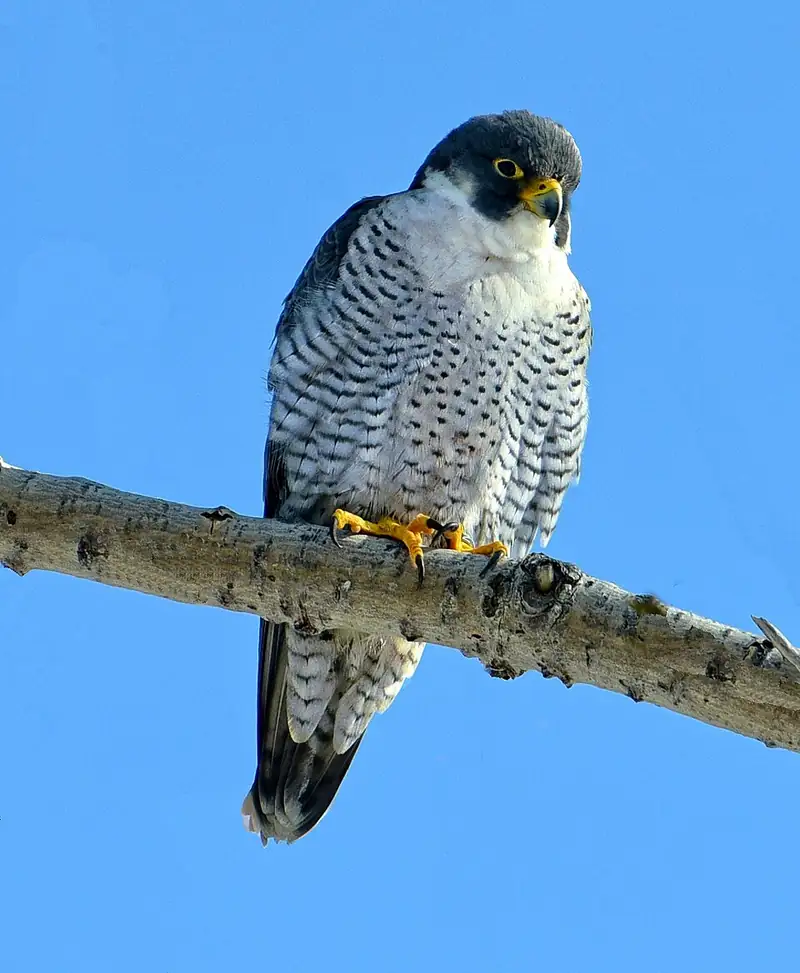 Bird
Bird Peregrine falcon
Falco peregrinus
The fastest animal alive, a crow-sized falcon that folds its wings and stoops on other birds in midair, and a species that nearly vanished before recovering.
-
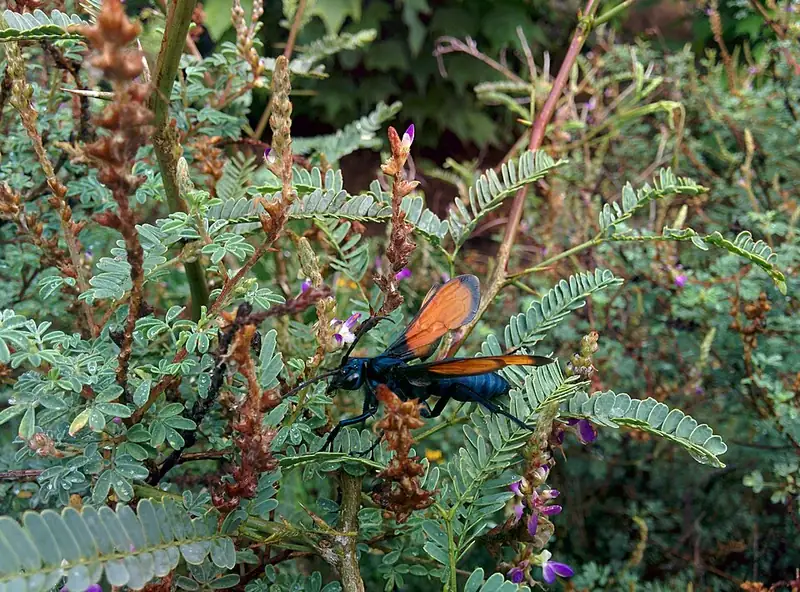 Invertebrate
 Tarantula hawk
Pepsis
A big black desert wasp with orange wings that hunts tarantulas, delivers one of the most painful stings on Earth, and almost never bothers people.