Animals & Plants of Isle Royale National Park
The 13 animals, plants, and fungi you can find at Isle Royale National Park, with sizes, diets, and whether you should worry. See the full park guide at Isle Royale National Park.
Isle Royale is an island in Lake Superior, so every animal on it either swam, flew, walked across winter ice, or was carried there. Gray wolves and moose are the two animals the island is known for, and scientists have watched them for decades. Snowshoe hares, common loons, and bald eagles round out a short list of species that made it out to the island.
Common questions
Which Isle Royale animals demand real distance?
At Isle Royale National Park, give space to Moose and Gray wolf. Moose: A moose looks slow and gentle, but it is one of the most dangerous animals to crowd. Gray wolf: Wild wolves almost never bother people. (per NPS species pages).
What do the Isle Royale animals eat?
At Isle Royale National Park, the most interesting eaters are Gray wolf, Moose, Bald eagle, and Osprey. Gray wolf eats elk, deer, moose, caribou, beaver, snowshoe hare. Moose eats willow, aspen leaves, twigs, water plants, pond weeds. Bald eagle eats fish, ducks, gulls, small mammals, carrion. Osprey eats fish. (per NPS species pages).
Which Isle Royale species has the strangest true fact?
The strangest true thing about Isle Royale National Park: Moose: The moose is the biggest deer on Earth. On Isle Royale a grown moose stands over six feet tall at the shoulder and weighs close to 1,000 pounds, the largest animal on the island. Gray wolf: On Isle Royale the wolves and moose have been studied together for more than 60 years, one of the longest wildlife studies anywhere. The first wolves walked to the island across a bridge of winter ice in 1948. (per NPS species pages).
Anything here that bites?
Keep away
Bites if handled
- Bald eagle: A bald eagle will not come after you.
- Great horned owl: This owl hunts small animals at night and will not come after you.
- Osprey: None.
- Sandhill crane: A sandhill crane is big but shy and will usually walk away from people.
- Snowshoe hare: None.
Everything else on this page is harmless. What each group means.
-
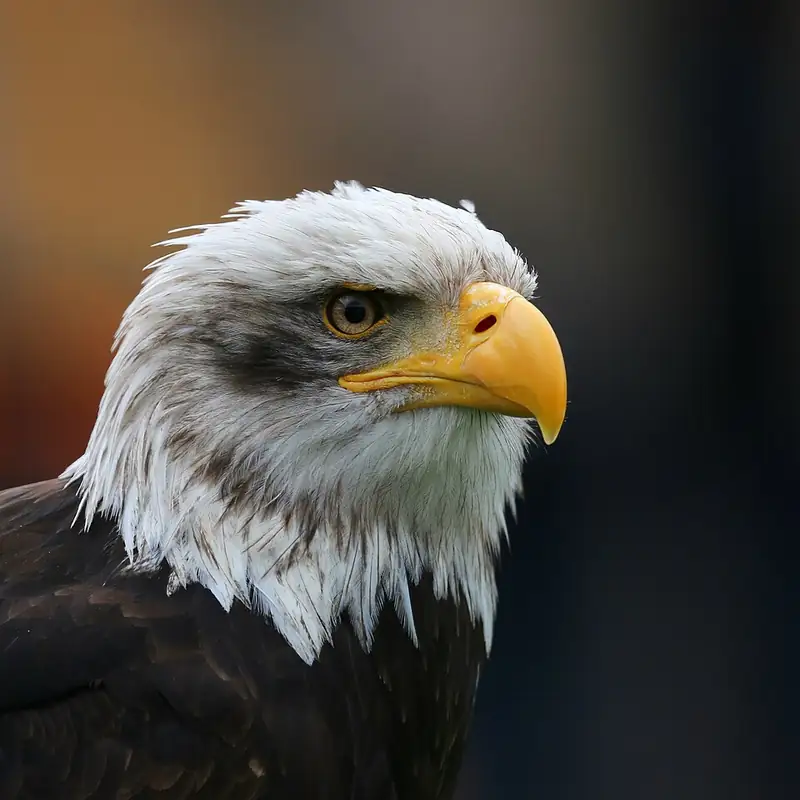 Bird
Bird Bald eagle
Haliaeetus leucocephalus
The white-headed fish hawk that is the national bird of the United States, common along the lakes of Voyageurs and the coasts of Olympic and Katmai.
-
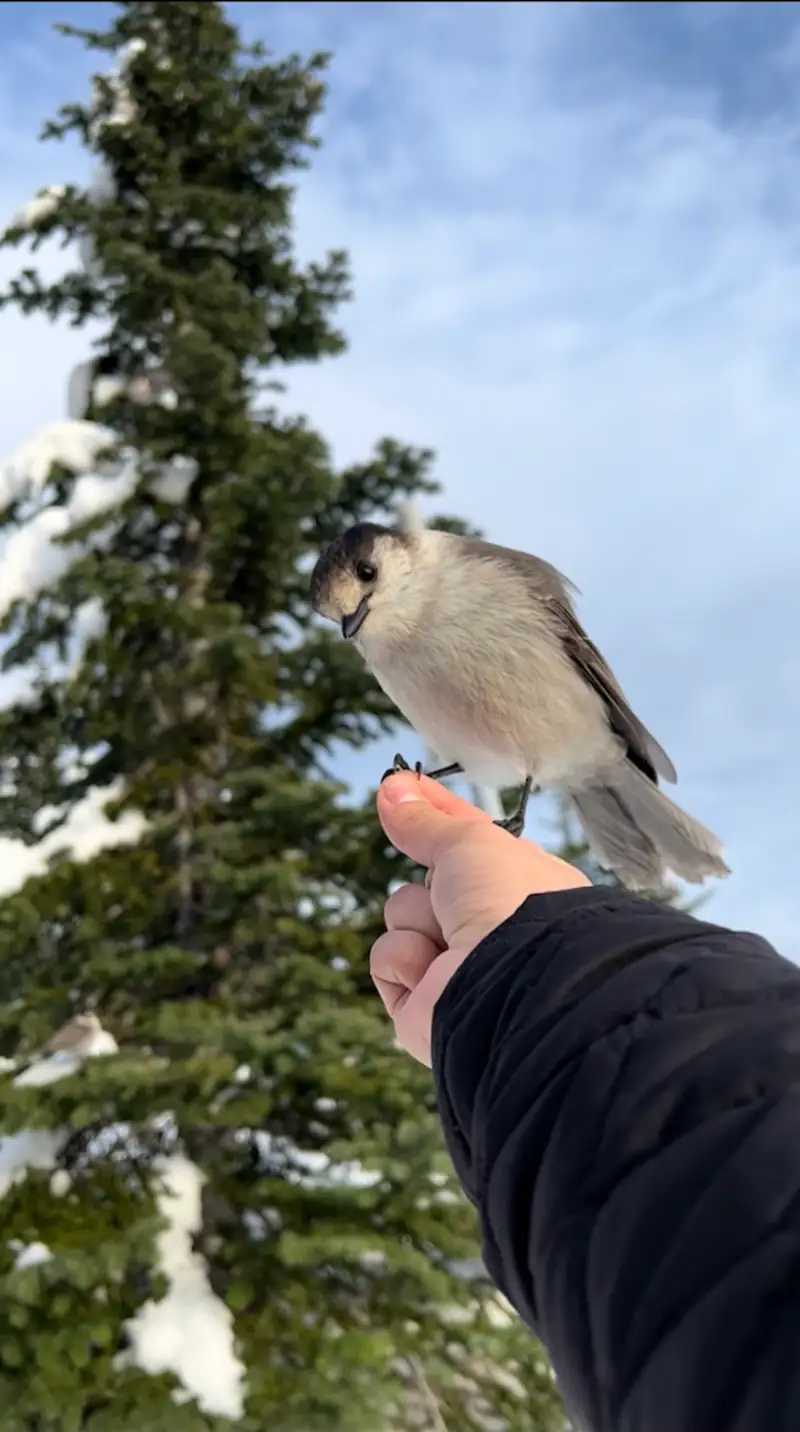 Bird
Bird Canada jay
Perisoreus canadensis
A fearless, fluffy gray bird that glues thousands of food scraps into tree bark with its own sticky spit and remembers nearly all of them through winter.
-
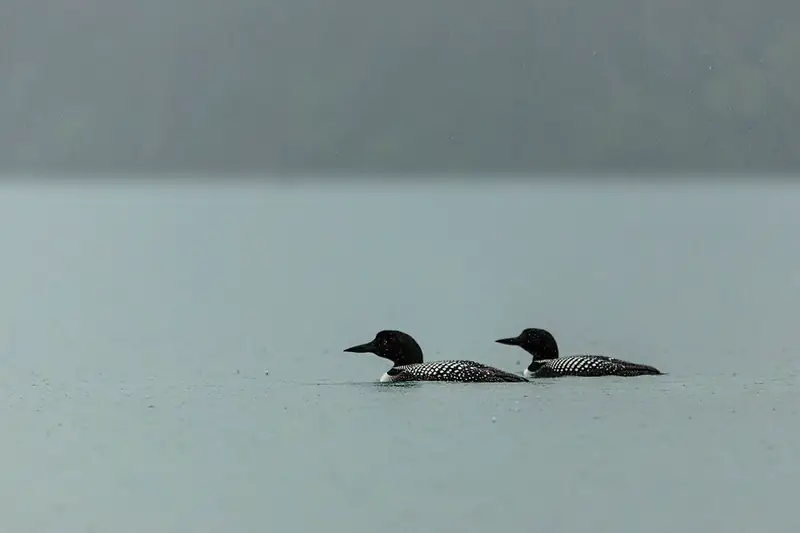 Bird
Bird Common loon
Gavia immer
The black-and-white diving bird whose call carries across Glacier's lakes; one in five of Montana's nesting loons is inside this park.
-
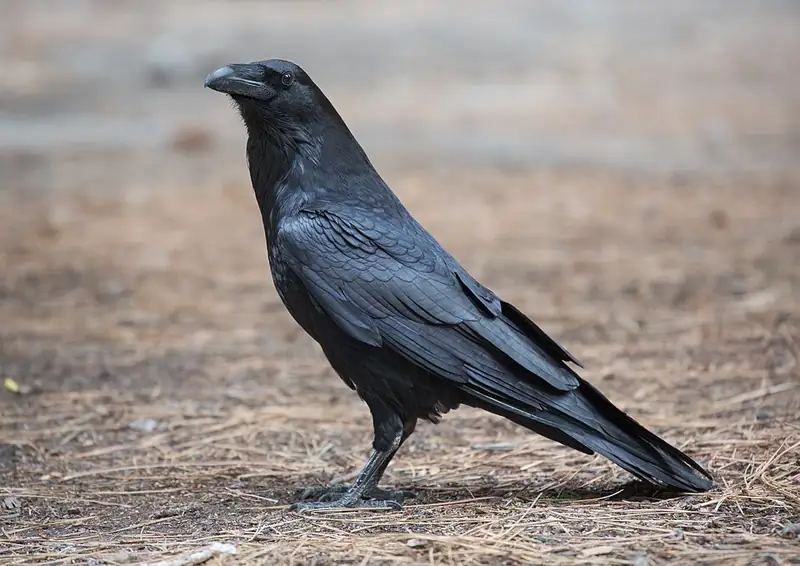 Bird
Bird Common raven
Corvus corax
A big, glossy-black problem-solver that rolls and tumbles over the cliffs of Grand Canyon, Arches, and the desert parks, watching for its next meal.
-
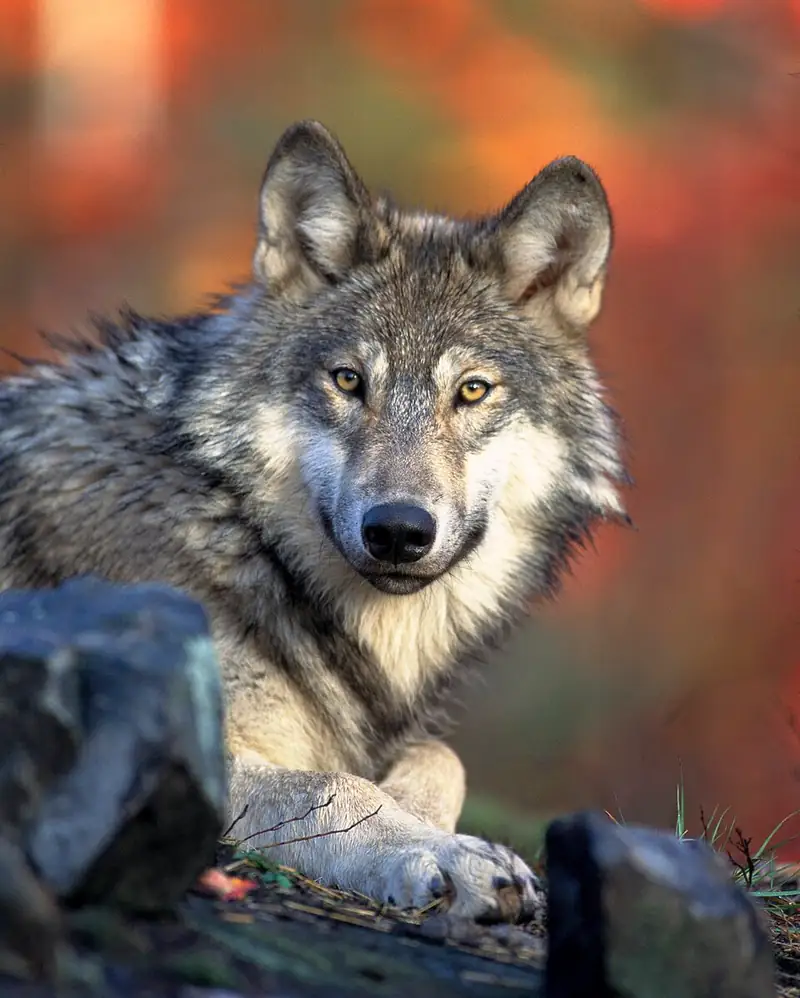 Mammal
 Gray wolf
Canis lupus
The biggest wild dog in North America, a pack hunter you might hear howling at dawn in Yellowstone, Denali, or Isle Royale.
-
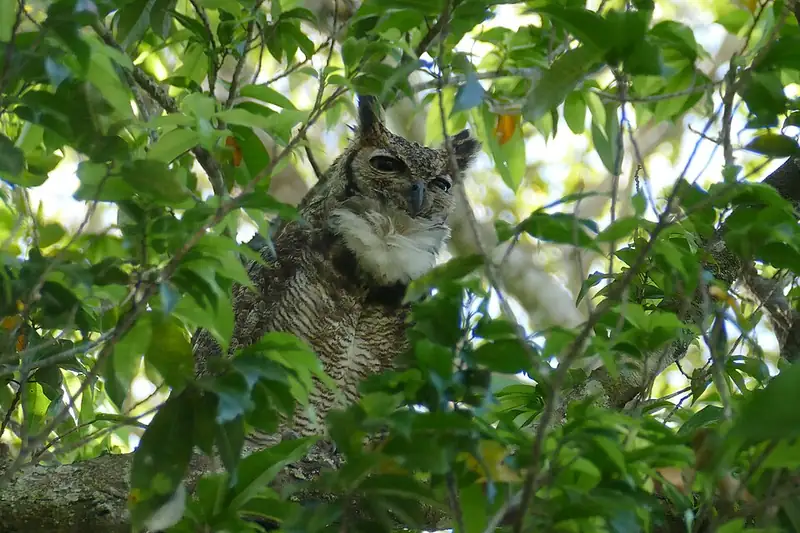 Bird
Bird Great horned owl
Bubo virginianus
A big night hunter with feathery "horns" and a deep hoot, found from the saguaro desert to the Everglades, hunting after dark on silent wings.
-
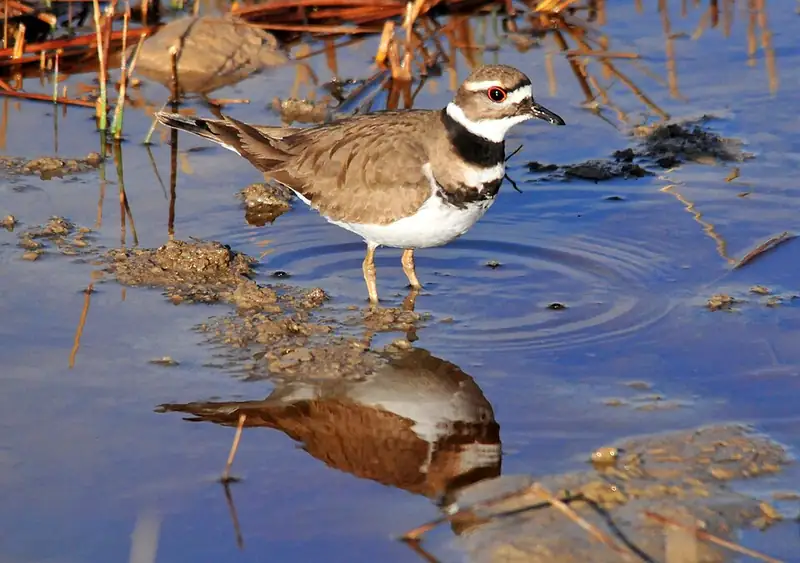 Bird
Bird Killdeer
Charadrius vociferus
A shorebird that lives nowhere near a shore. At Badlands we never saw one. We heard it call its own name across the campground.
-
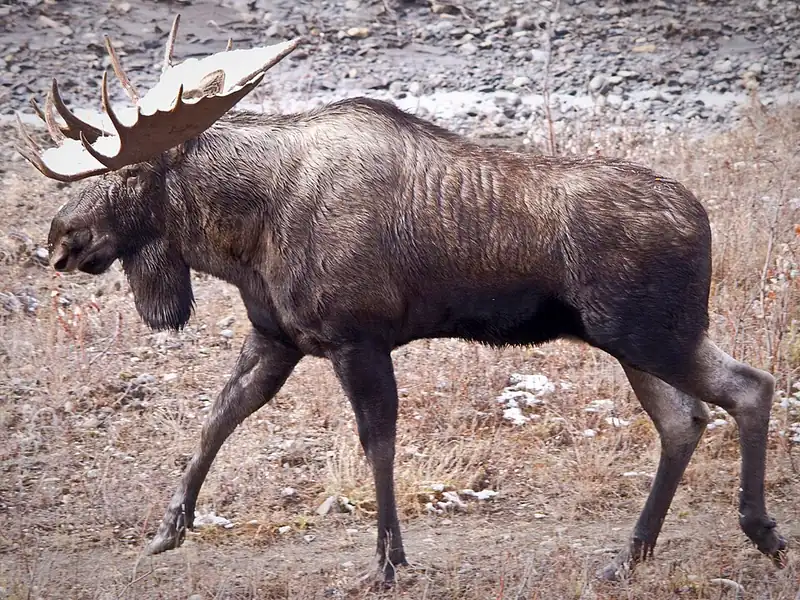 Mammal
 Moose
Alces alces
The largest deer in the world, a long-legged giant you might see wading in ponds at Grand Teton, Isle Royale, Denali, or Rocky Mountain.
-
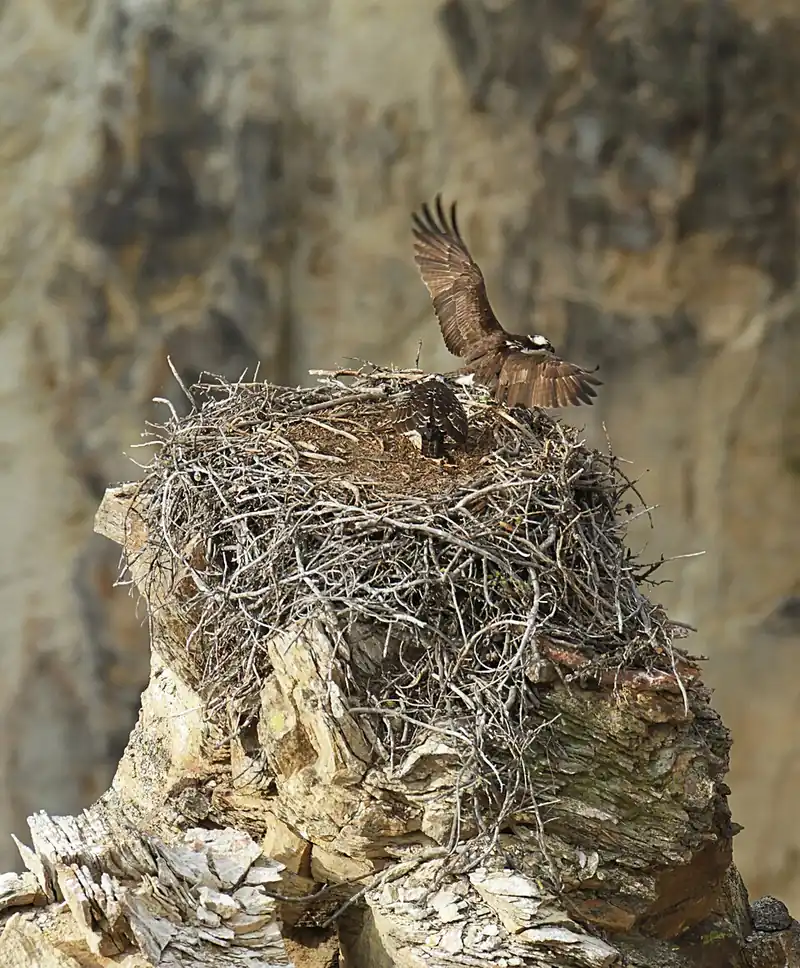 Bird
Bird Osprey
Pandion haliaetus
A fish-hunting hawk that dives feet-first into open water and flies off with its catch turned head-forward like a torpedo.
-
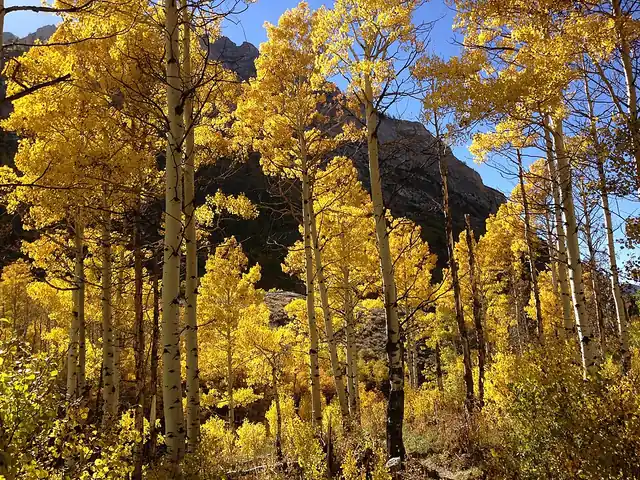 Plant
Plant Quaking aspen
Populus tremuloides
A white-barked mountain tree whose flat-stemmed leaves shiver in the lightest breeze, turning whole hillsides gold each fall.
-
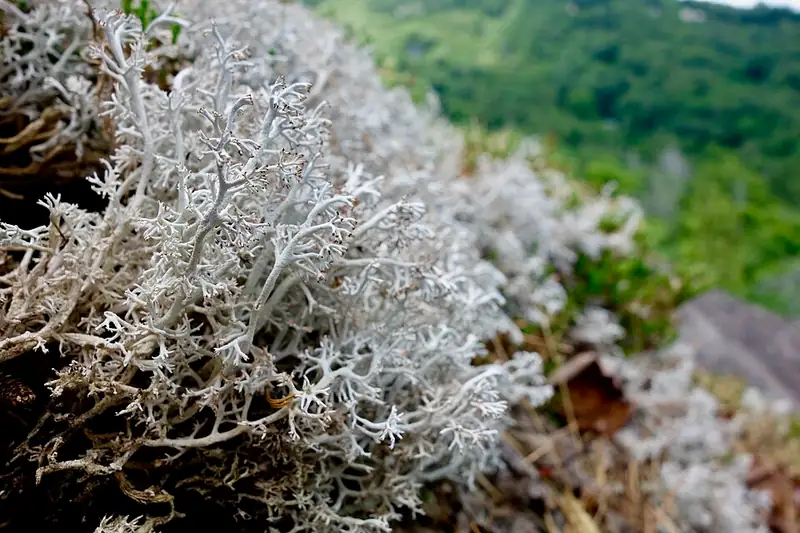 Fungus
 Reindeer lichen
Cladonia rangiferina
A pale, spongy, branching lichen that carpets northern ground. It is a fungus and an alga living as one body, and it is winter food for caribou.
-
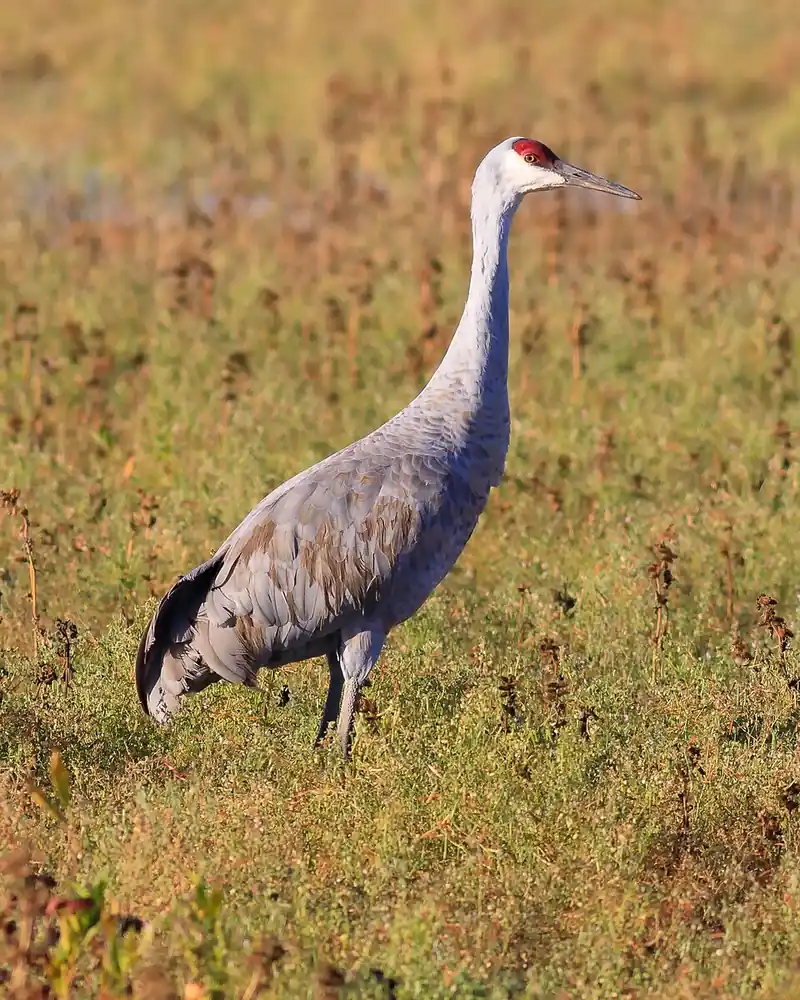 Bird
Bird Sandhill crane
Antigone canadensis
A tall gray wading bird with a red forehead and a bugling call, gathering by the thousands near Great Sand Dunes and standing year-round in the Everglades.
-
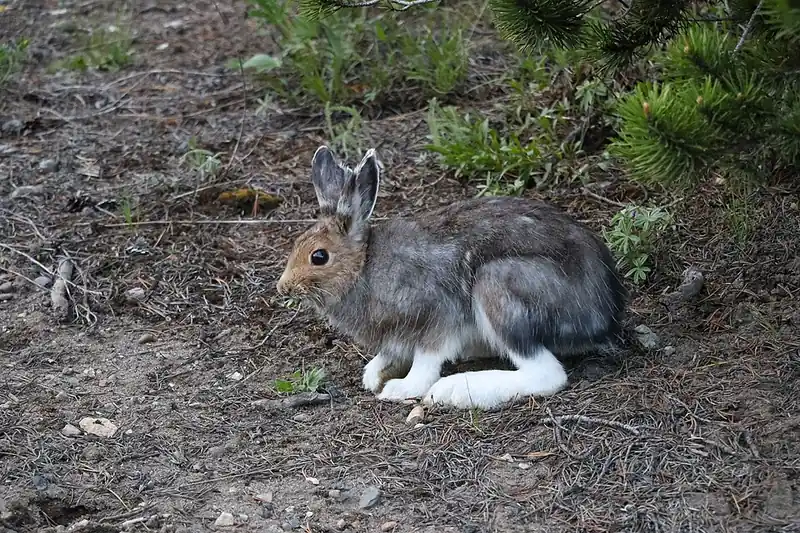 Mammal
 Snowshoe hare
Lepus americanus
A forest hare whose coat flips from brown to white on a clock set by daylight, not by snow, and whose oversized feet work like actual snowshoes.