Mammals of Isle Royale National Park
The 3 mammals of Isle Royale National Park. Their profiles carry sizes, diets, and whether you should worry.
Common questions
Which Isle Royale National Park mammals demand distance from a kid?
Gray wolf, Moose, and Snowshoe hare carry a rule worth reading. Gray wolf: Wild wolves almost never bother people. Moose: A moose looks slow and gentle, but it is one of the most dangerous animals to crowd. Snowshoe hare: None. (per NPS species pages).
What do Isle Royale National Park mammals eat?
Gray wolf eats elk, deer, moose, caribou, beaver, snowshoe hare. Moose eats willow, aspen leaves, twigs, water plants, pond weeds. Snowshoe hare eats grasses, leaves, berries, twigs, bark, buds, conifer needles in winter. (per NPS species pages).
The strangest true thing about Isle Royale National Park's mammals.
Gray wolf: On Isle Royale the wolves and moose have been studied together for more than 60 years, one of the longest wildlife studies anywhere. The first wolves walked to the island across a bridge of winter ice in 1948. Moose: The moose is the biggest deer on Earth. On Isle Royale a grown moose stands over six feet tall at the shoulder and weighs close to 1,000 pounds, the largest animal on the island. (per NPS species pages).
-
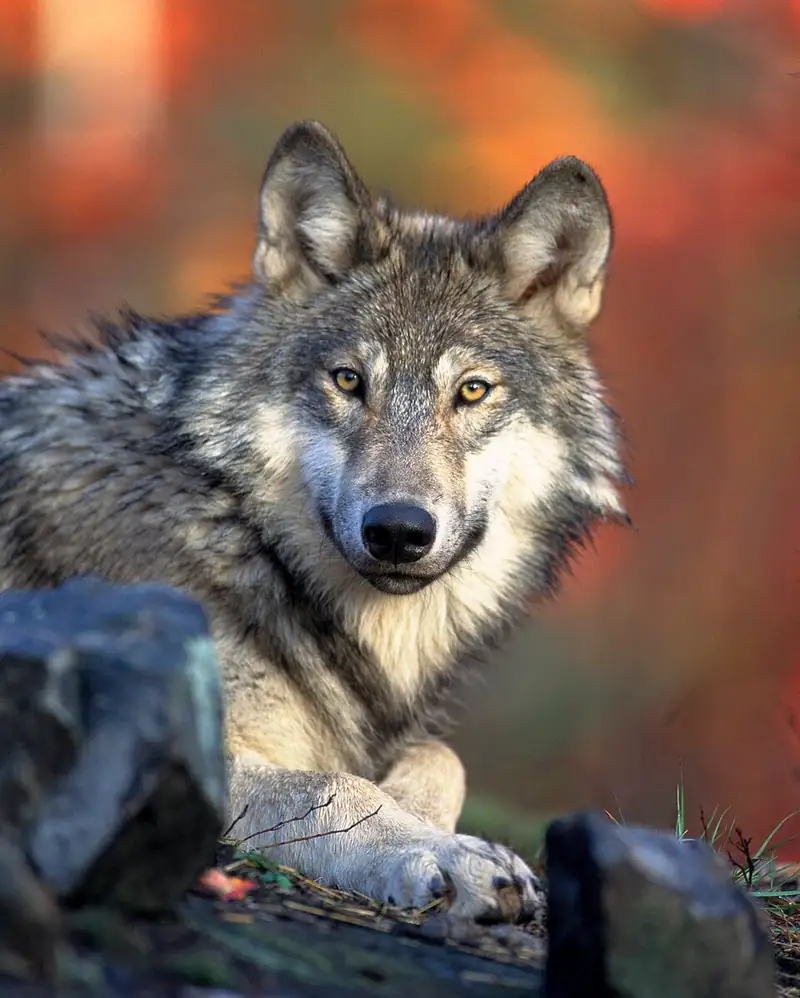 Mammal
Gray wolf
Canis lupus
The biggest wild dog in North America, a pack hunter you might hear howling at dawn in Yellowstone, Denali, or Isle Royale.
-
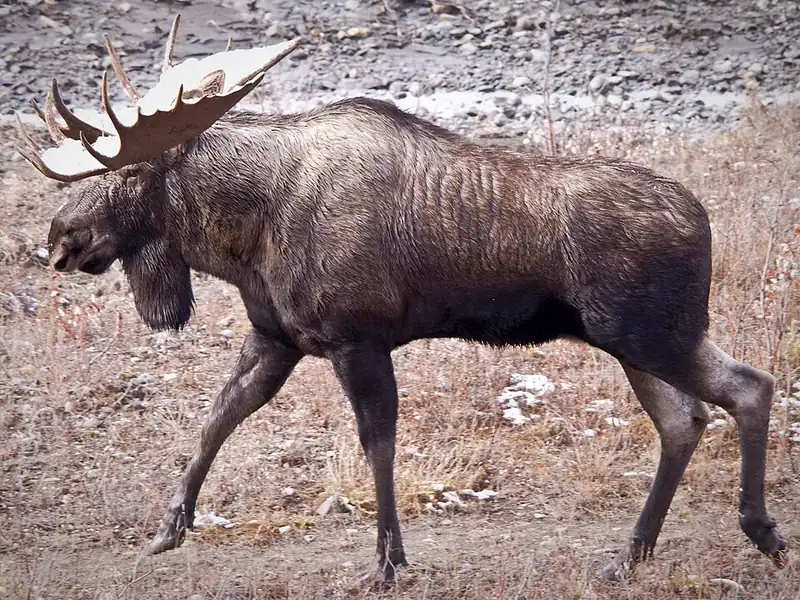 Mammal
Moose
Alces alces
The largest deer in the world, a long-legged giant you might see wading in ponds at Grand Teton, Isle Royale, Denali, or Rocky Mountain.
-
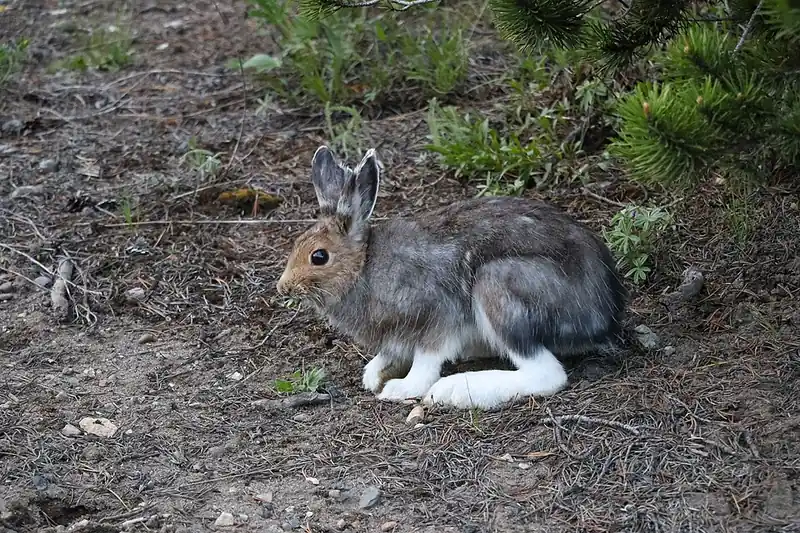 Mammal
Snowshoe hare
Lepus americanus
A forest hare whose coat flips from brown to white on a clock set by daylight, not by snow, and whose oversized feet work like actual snowshoes.