Animals & Plants of Chiricahua National Park
The 18 animals, plants, and fungi you can find at Chiricahua National Park, with sizes, diets, and whether you should worry. See the full park guide at Chiricahua National Park.
Chiricahua is a sky island of rhyolite hoodoos, and the life on top is Mexican at the edges: elegant trogons in the canyon sycamores, coati bands nosing through the campground, and acorn woodpeckers arguing over granary trees. Emory oaks drop sweet acorns that Apache families have gathered for generations, and the Coues white-tailed deer flags its tail along the drive at dusk.
Turn this into a game: Play Chiricahua National Park Bingo →Common questions
Which Chiricahua species should kids keep their hands off?
At Chiricahua National Park, give space to Western diamondback rattlesnake and White-nosed coati. Western diamondback rattlesnake: This snake is venomous, so treat it with respect, not fear. White-nosed coati: Watch from a distance and never feed one. (per NPS species pages).
What do the sky-island foragers of Chiricahua eat?
At Chiricahua National Park, the most interesting eaters are White-nosed coati, Acorn woodpecker, Mexican jay, and Wild turkey. White-nosed coati eats insects, fruit, nuts, bird eggs, reptiles, carrion. Acorn woodpecker eats acorns, insects, sap, fruit. Mexican jay eats acorns, insects, seeds, berries. Wild turkey eats acorns, nuts, seeds, berries, grasses, insects. (per NPS species pages).
What is the strangest true fact about Chiricahua wildlife?
The strangest true thing about Chiricahua National Park: Acorn woodpecker: NPS says if you see one acorn woodpecker, look for others: the species is social and travels in groups. Elegant trogon: NPS names it among the Mexican species the park's southern location brings across the border. (per NPS species pages).
Anything here that bites?
Venomous
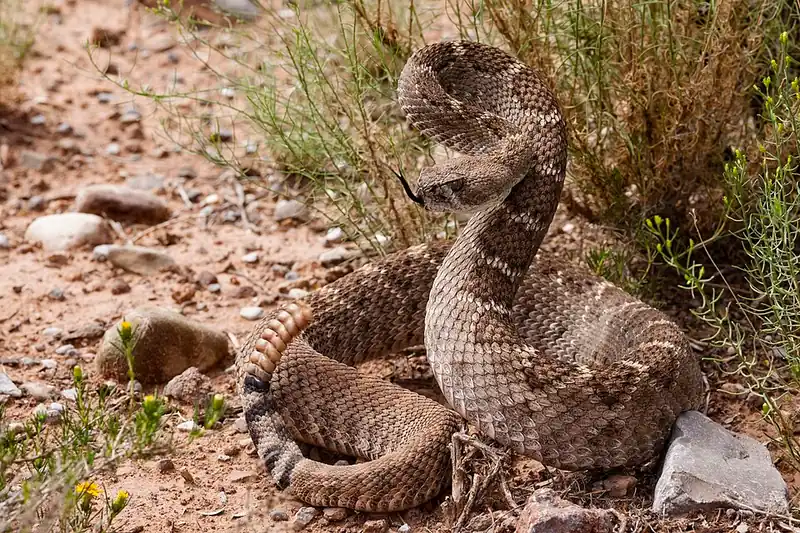
- Western diamondback rattlesnake: This snake is venomous, so treat it with respect, not fear.
Keep away
- Javelina: Give them room.
- White-tailed deer: White-tailed deer normally run from people.
Don't touch or eat
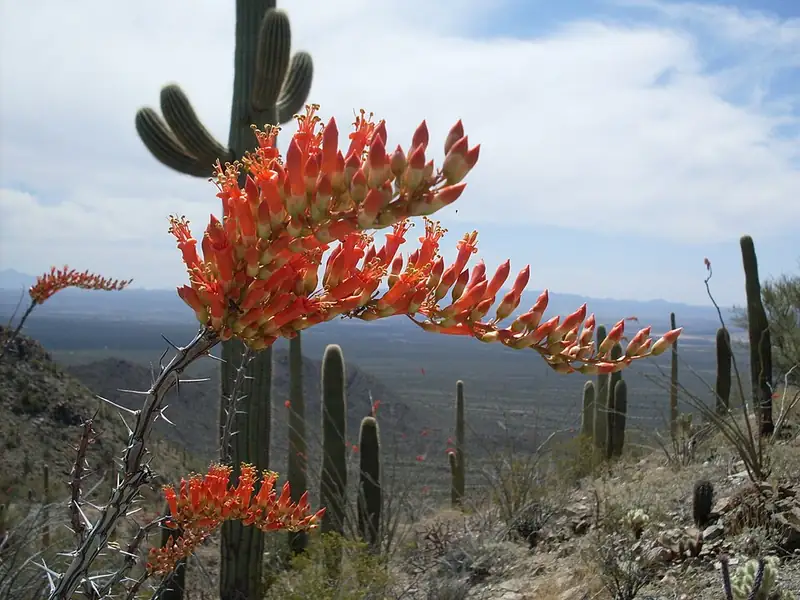
- Ocotillo: The canes are armored with thorns along their whole length, and they are exactly the right height to catch a face.
Bites if handled
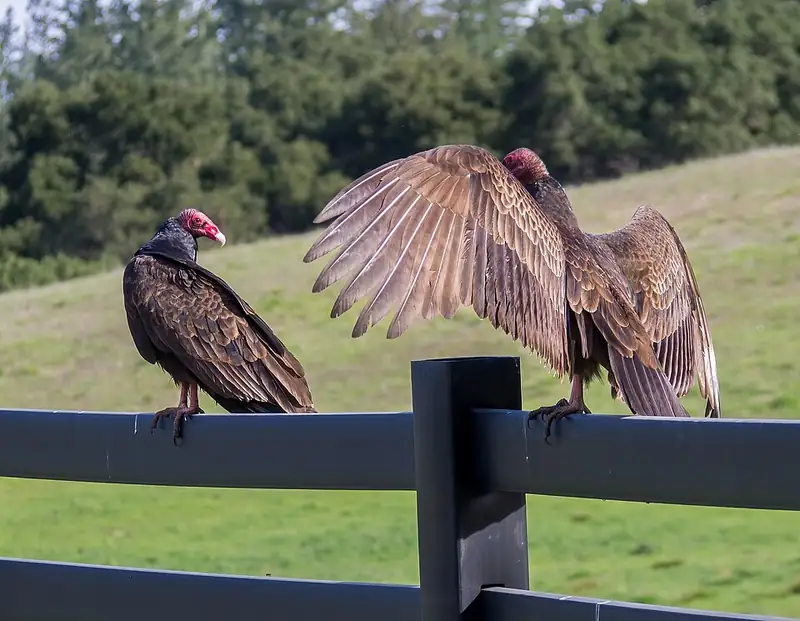
- Turkey vulture: None directly — it eats only dead animals and avoids people.
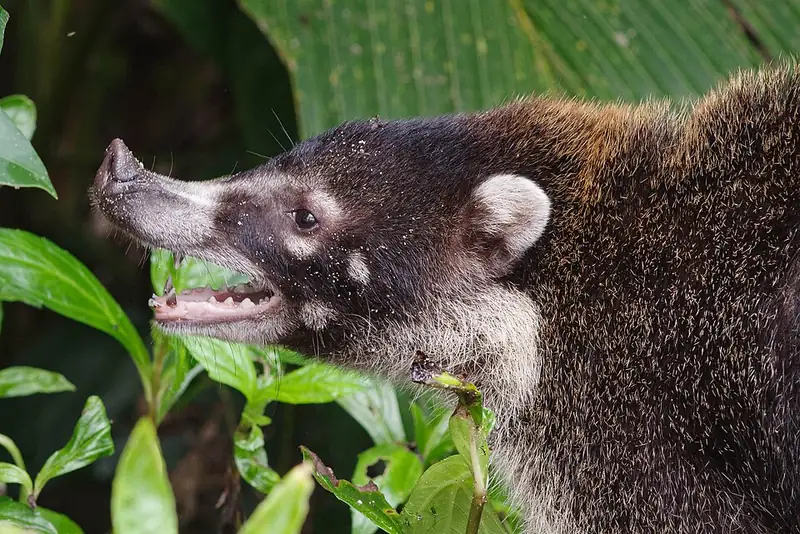
- White-nosed coati: Watch from a distance and never feed one.
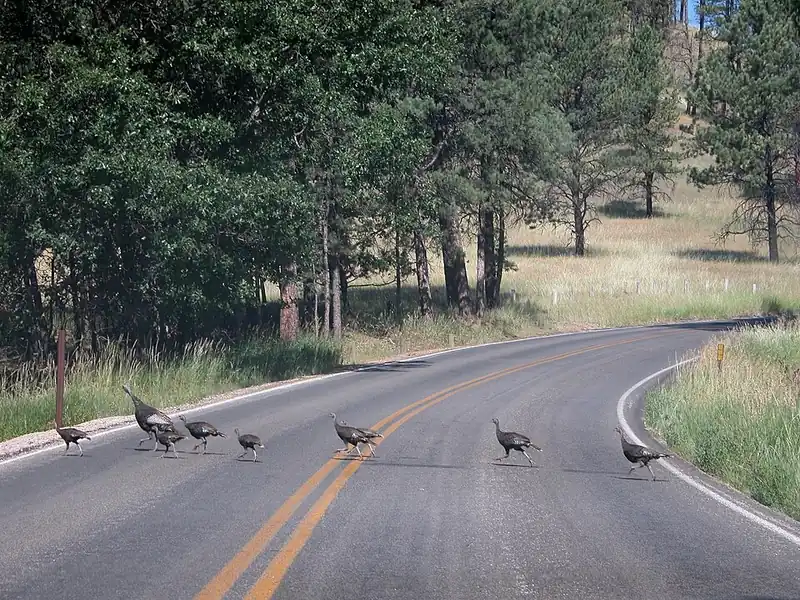
- Wild turkey: A turkey will walk away from you long before you get close, and the only real trouble comes from feeding one.
Everything else on this page is harmless. What each group means.
-
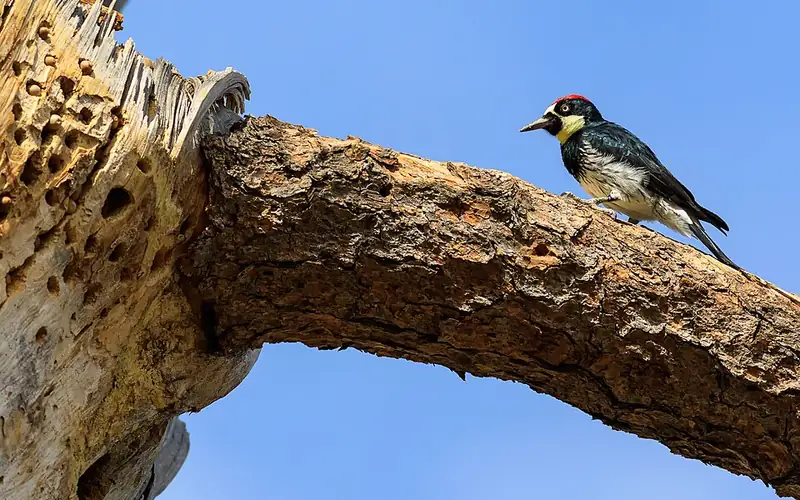 Bird
Acorn woodpecker
Melanerpes formicivorus
A clown-faced, red-capped woodpecker of the Chiricahua creeks and oaks, common year-round and rarely alone, famous for drilling granaries full of acorns.
-
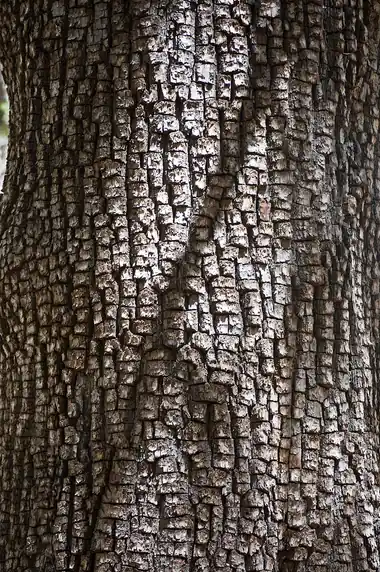 Plant
Alligator juniper
Juniperus deppeana
The sky-island juniper with bark plated like alligator hide, common in the Chiricahua woodland from the entrance to the high ridges.
-
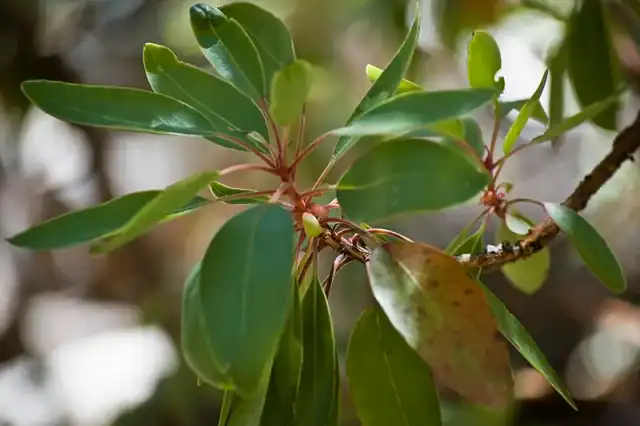 Plant
Arizona madrone
Arbutus arizonica
The smooth-barked, red-trunked tree of the Chiricahua canyons, peeling cinnamon bark, white urn-shaped flowers, and orange-red berries for the birds.
-
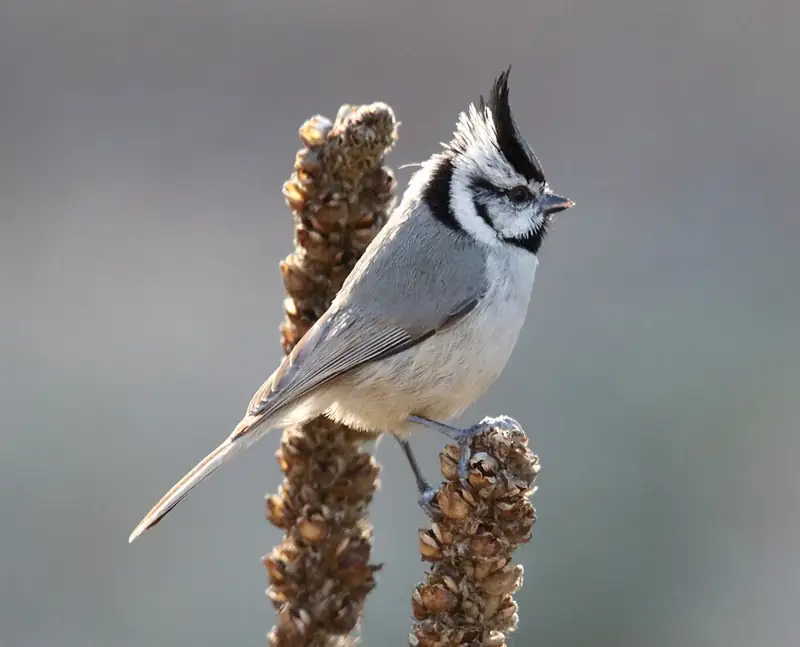 Bird
Bridled titmouse
Baeolophus wollweberi
A tiny crested songbird with a black bib and white bridle stripes, common year-round in the Chiricahua oak and pine woodland.
-
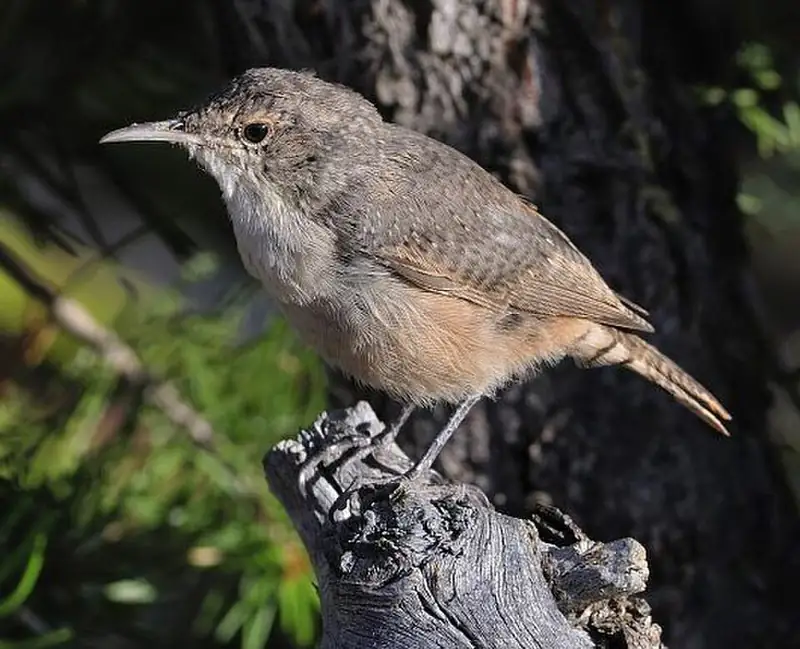 Bird
Canyon wren
Catherpes mexicanus
A small, rusty-brown songbird of canyon cliffs at Black Canyon, Arches, and Canyonlands, far more often heard than seen.
-
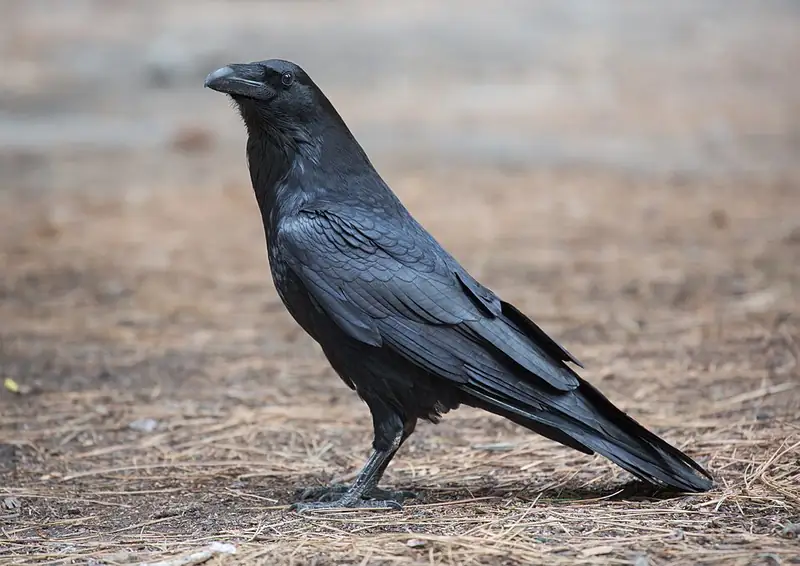 Bird
Common raven
Corvus corax
A big, glossy-black problem-solver that rolls and tumbles in the wind over the cliffs of Grand Canyon, Arches, and Canyonlands.
-
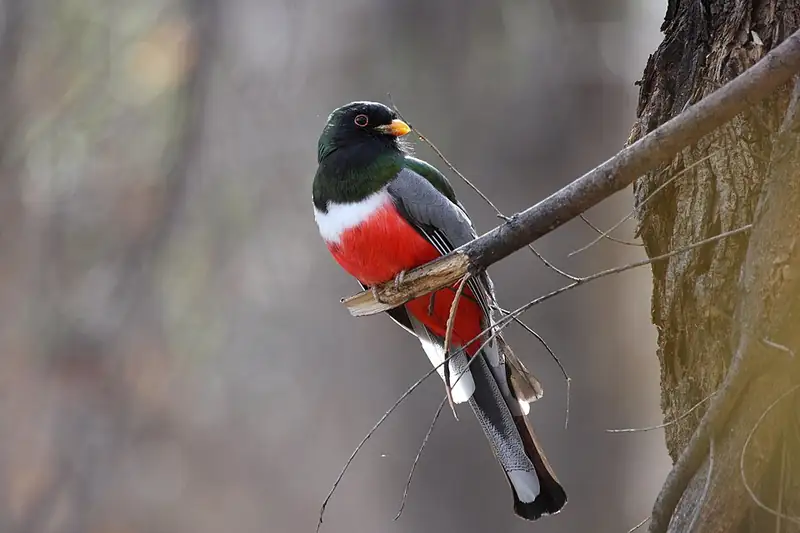 Bird
Elegant trogon
Trogon elegans
A metallic-green, red-bellied bird of Mexican canyon woodlands that breeds north into the Chiricahua Mountains, the park's specialty trogon.
-
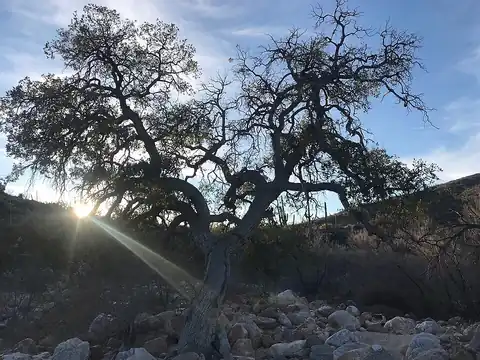 Plant
Emory oak
Quercus emoryi
The evergreen oak of the Chiricahua woodland, holly-like leaves all winter and sweet acorns that Apache families have gathered as a staple food.
-
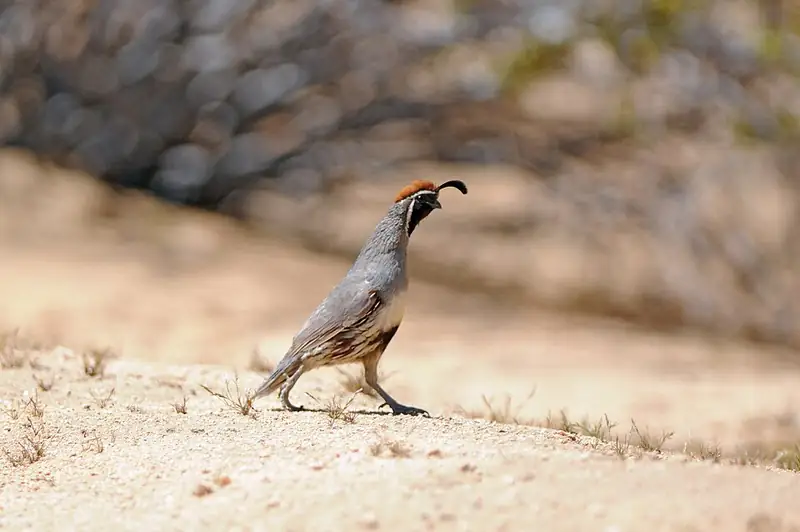 Bird
Gambel's quail
Callipepla gambelii
A ground-loving desert quail with a forward-curling black topknot that runs from danger in a dusty covey instead of flying.
-
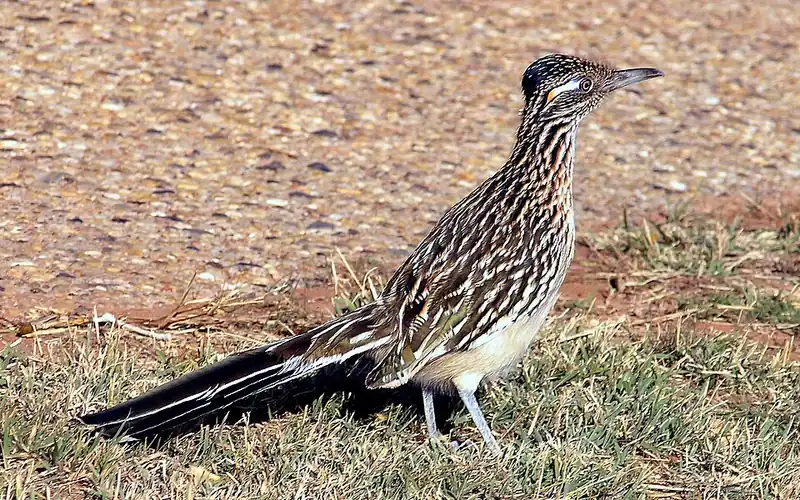 Bird
Greater roadrunner
Geococcyx californianus
A long-legged desert bird that would rather run than fly, chasing down lizards and snakes across the ground at Saguaro, Big Bend, and White Sands.
-
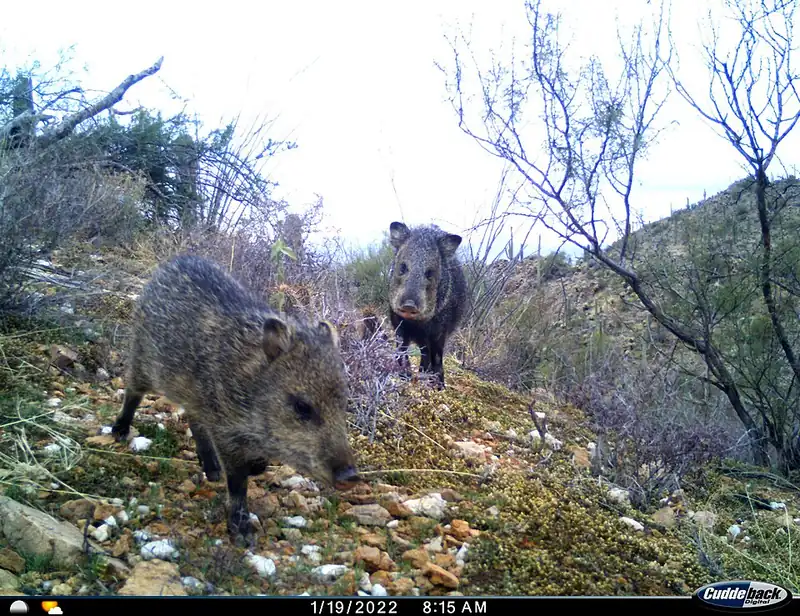 Mammal
Javelina
Pecari tajacu
A musk-scented, herd-living Sonoran animal that is not a pig, and that eats prickly pear pads spines and all.
-
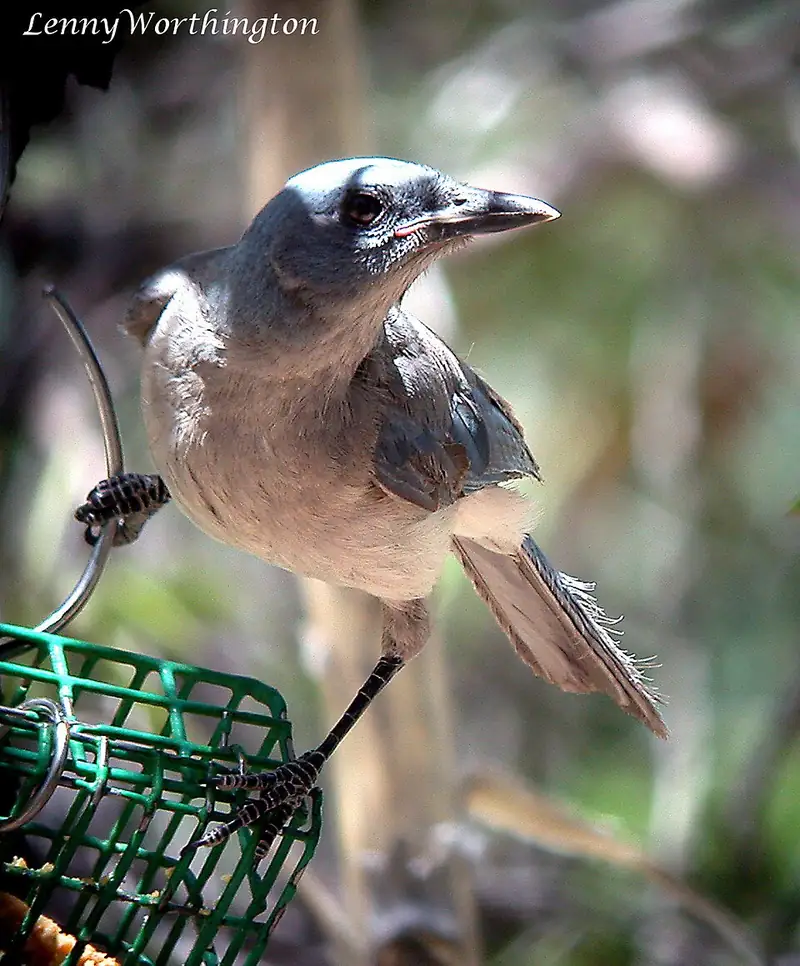 Bird
Mexican jay
Aphelocoma wollweberi
A social blue-and-gray jay of the Chiricahua Mountains, common year-round in the oak woodland and the parking areas, and bold enough to beg.
-
 Plant
Ocotillo
Fouquieria splendens
A whip-thin desert shrub that looks dead most of the year, leafs out within days of rain, and wears red flowers in spring.
-
 Bird
Turkey vulture
Cathartes aura
A large, dark soaring bird with a bare red head, circling on thermals over open country, using one of the sharpest noses of any bird.
-
 Reptile
Western diamondback rattlesnake
Crotalus atrox
A big desert rattlesnake with diamond shapes down its back and a black-and-white "coon tail," most likely to be sunning near a trail at Big Bend or Saguaro.
-
 Mammal
White-nosed coati
Nasua narica
A cat-sized, ring-tailed forager of the Chiricahua canyons, fairly common in fall and winter bands around Silver Spur Meadow and the campground.
-
 Mammal We saw it
White-tailed deer
Odocoileus virginianus
The most common large mammal in many parks, from eastern woods to the desert sky islands, where the small Coues subspecies flags its white tail along the drive.
-
 Bird
Wild turkey
Meleagris gallopavo
A forest bird in a park with almost no forest. Badlands turkeys hold to the wooded draws, because a turkey needs a tree to sleep in.