Mammals of Chiricahua National Park
The 3 mammals of Chiricahua National Park. Their profiles carry sizes, diets, and whether you should worry.
Common questions
Which Chiricahua National Park mammals demand distance from a kid?
Javelina, White-nosed coati, and White-tailed deer carry a rule worth reading. Javelina: Give them room. White-nosed coati: Watch from a distance and never feed one. White-tailed deer: White-tailed deer normally run from people. (per NPS species pages).
What do Chiricahua National Park mammals eat?
Javelina eats prickly pear pads, cactus fruit, agave hearts, mesquite beans, roots, tubers. White-nosed coati eats insects, fruit, nuts, bird eggs, reptiles, carrion. White-tailed deer eats leaves, twigs, buds, acorns, grasses, farm crops. (per NPS species pages).
The strangest true thing about Chiricahua National Park's mammals.
Javelina: It is not a pig. Peccaries are a separate family, and NPS says javelinas moved north into the southwestern United States only about 250 years ago. White-nosed coati: NPS calls the coati fairly common in the Chiricahua Mountains, with bands often spotted at lower elevations in fall and winter. (per NPS species pages).
-
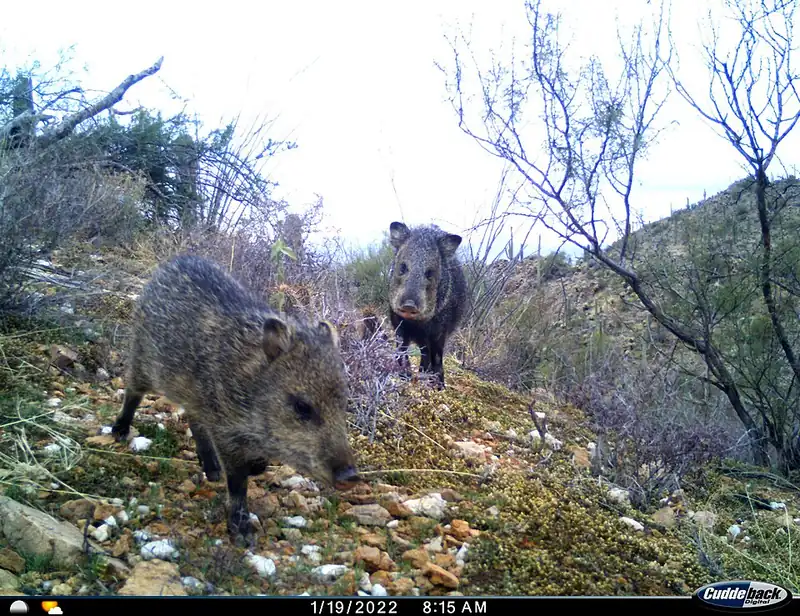 Mammal
Javelina
Pecari tajacu
A musk-scented, herd-living Sonoran animal that is not a pig, and that eats prickly pear pads spines and all.
-
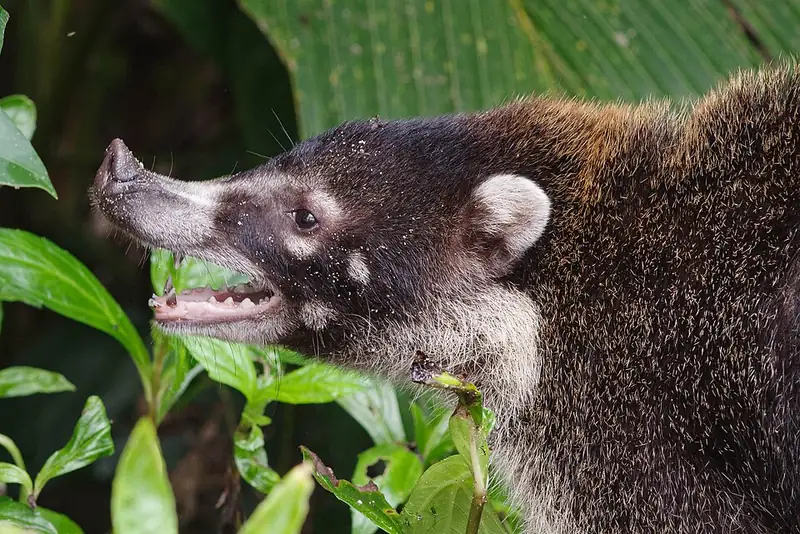 Mammal
White-nosed coati
Nasua narica
A cat-sized, ring-tailed forager of the Chiricahua canyons, fairly common in fall and winter bands around Silver Spur Meadow and the campground.
-
 Mammal We saw it
White-tailed deer
Odocoileus virginianus
The most common large mammal in many parks, from eastern woods to the desert sky islands, where the small Coues subspecies flags its white tail along the drive.