Plants of Chiricahua National Park
The 4 plants of Chiricahua National Park. Each carries a fun fact and a note on whether a kid should worry about it.
Common questions
Which Chiricahua National Park plants demand distance from a kid?
Alligator juniper, Arizona madrone, Emory oak, and Ocotillo carry a rule worth reading. Alligator juniper: Nothing to worry about on the trail. Arizona madrone: Nothing to worry about on the trail. Emory oak: Nothing to worry about on the trail. Ocotillo: The canes are armored with thorns along their whole length, and they are exactly the right height to catch a face. (per NPS species pages).
What do Chiricahua National Park plants eat?
Alligator juniper eats sunlight, water, soil nutrients. Arizona madrone eats sunlight, water, soil nutrients. Emory oak eats sunlight, water, soil nutrients. Ocotillo eats sunlight, rainwater, carbon dioxide. (per NPS species pages).
The strangest true thing about Chiricahua National Park's plants.
Alligator juniper: The name is the bark: deep furrows square it into plates that read as alligator hide from ten feet away. Arizona madrone: NPS lists madrone among the prominent trees of the park, and its berries among the staple foods of the wildlife. (per NPS species pages).
-
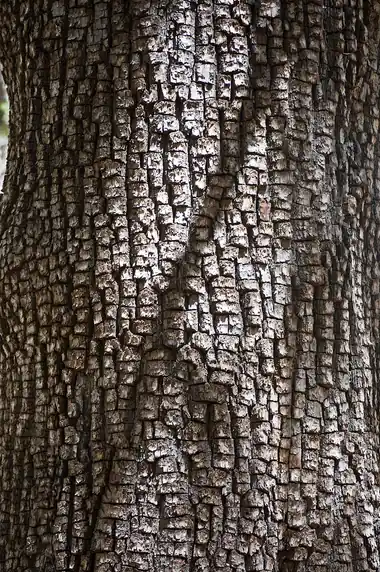 Plant
Alligator juniper
Juniperus deppeana
The sky-island juniper with bark plated like alligator hide, common in the Chiricahua woodland from the entrance to the high ridges.
-
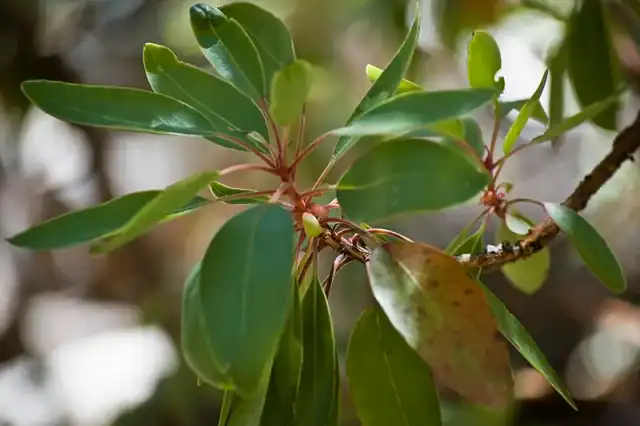 Plant
Arizona madrone
Arbutus arizonica
The smooth-barked, red-trunked tree of the Chiricahua canyons, peeling cinnamon bark, white urn-shaped flowers, and orange-red berries for the birds.
-
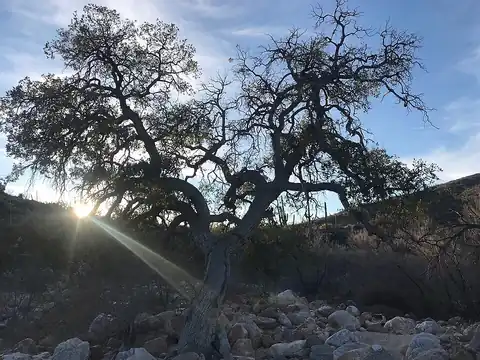 Plant
Emory oak
Quercus emoryi
The evergreen oak of the Chiricahua woodland, holly-like leaves all winter and sweet acorns that Apache families have gathered as a staple food.
-
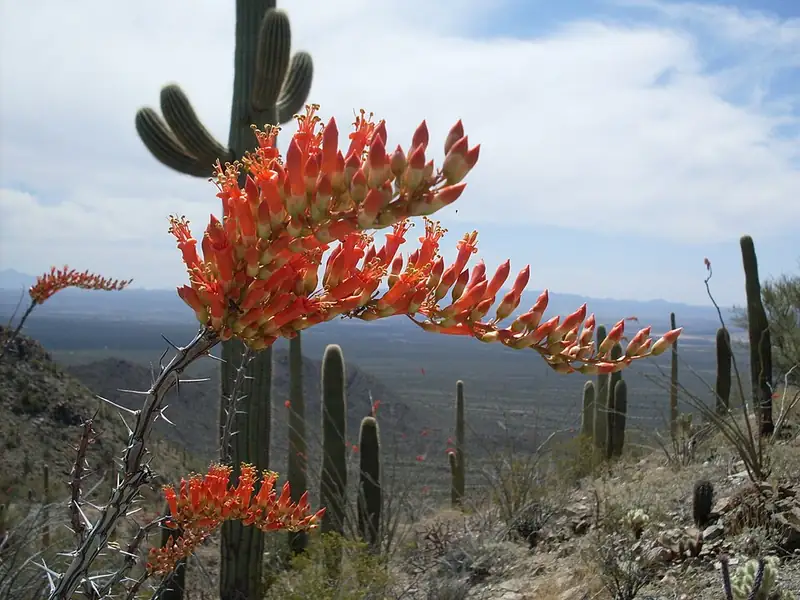 Plant
Ocotillo
Fouquieria splendens
A whip-thin desert shrub that looks dead most of the year, leafs out within days of rain, and wears red flowers in spring.