Animals & Plants of Saguaro National Park
The 11 animals, plants, and fungi you can find at Saguaro National Park, with sizes, diets, and whether you should worry. See the full park guide at Saguaro National Park.
Saguaro is Sonoran Desert where the saguaro cactus runs the show, a plant so big that woodpeckers, finches, and bats nest in its arms. Greater roadrunners sprint across the flats, coyotes sing at dusk, and Gila monsters and western diamondback rattlesnakes wait out the heat in the shade. Even great horned owls roost in the cactus holes that woodpeckers carved years ago.
Common questions
Which Saguaro species should kids keep their hands off?
At Saguaro National Park, give space to Western diamondback rattlesnake, Coyote, Gila monster, Desert tarantula, and Giant desert hairy scorpion. Western diamondback rattlesnake: This snake is venomous, so treat it with respect, not fear. Coyote: Coyotes almost always run from people. Gila monster: A Gila monster is venomous, but it is slow and would rather be left alone, so it is easy to stay safe: never touch it and never try to pick it up. Desert tarantula: A desert tarantula has venom, but its bite is mild. Giant desert hairy scorpion: Its sting hurts, but it is not dangerous to a healthy person. (per NPS species pages).
What do the desert predators of Saguaro eat?
At Saguaro National Park, the most interesting eaters are Coyote, Mojave desert tortoise, Greater roadrunner, and Mule deer. Coyote eats mice, rabbits, lizards, insects, fruit, whatever it can find. Mojave desert tortoise eats grasses, wildflowers, new leaves, cactus. Greater roadrunner eats lizards, snakes, scorpions, mice, large insects, small birds. Mule deer eats grasses, leaves, twigs, flowers, nuts, berries. (per NPS species pages).
What is the strangest true fact about Saguaro wildlife?
The strangest true thing about Saguaro National Park: Western diamondback rattlesnake: The rattle is made of loose, dry rings of the same stuff as your fingernails. The snake adds a new ring each time it sheds its skin, so a longer rattle does not mean the snake is older by years, just that it has shed more often. Coyote: A coyote's yip-howl can sound like a whole pack when it's only one or two animals — the sound bounces and doubles. (per NPS species pages).
Anything here that bites?
Venomous
- Desert tarantula: A desert tarantula has venom, but its bite is mild.
- Giant desert hairy scorpion: Its sting hurts, but it is not dangerous to a healthy person.
- Gila monster: A Gila monster is venomous, but it is slow and would rather be left alone, so it is easy to stay safe: never touch it and never try to pick it up.
- Western diamondback rattlesnake: This snake is venomous, so treat it with respect, not fear.
Keep away
Don't touch or eat
- Engelmann prickly pear: This cactus has two kinds of spines.
- Saguaro: A saguaro is covered in stiff, sharp spines up to a couple of inches long, so the rule is look, do not touch.
Bites if handled
- Great horned owl: This owl hunts small animals at night and will not come after you.
Everything else on this page is harmless. What each group means.
-
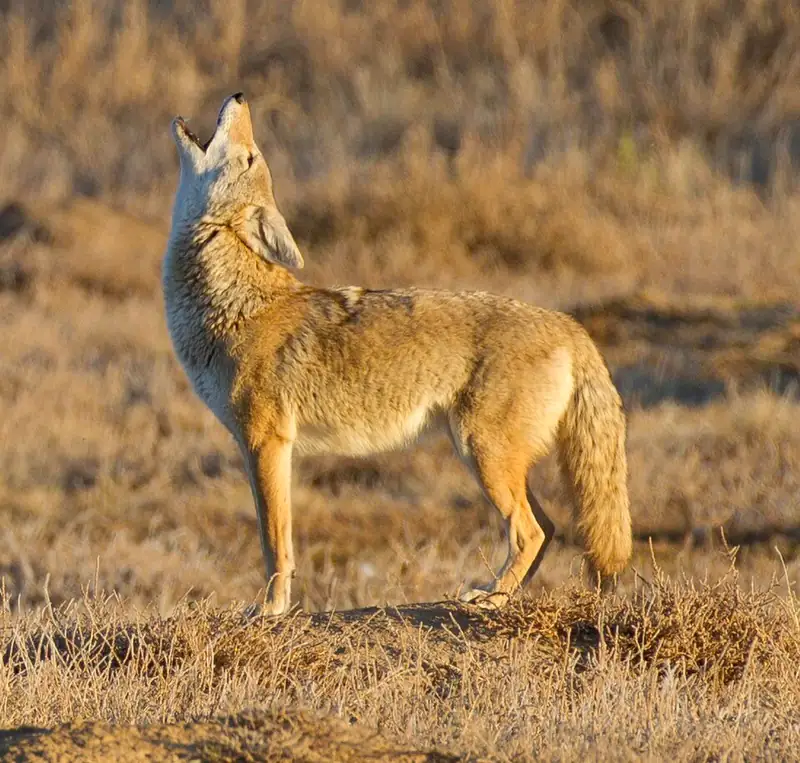 Mammal
 Coyote
Canis latrans
The wild dog you're most likely to hear at a national park — a coyote, at home in the desert, the mountains, and the edges of towns.
-
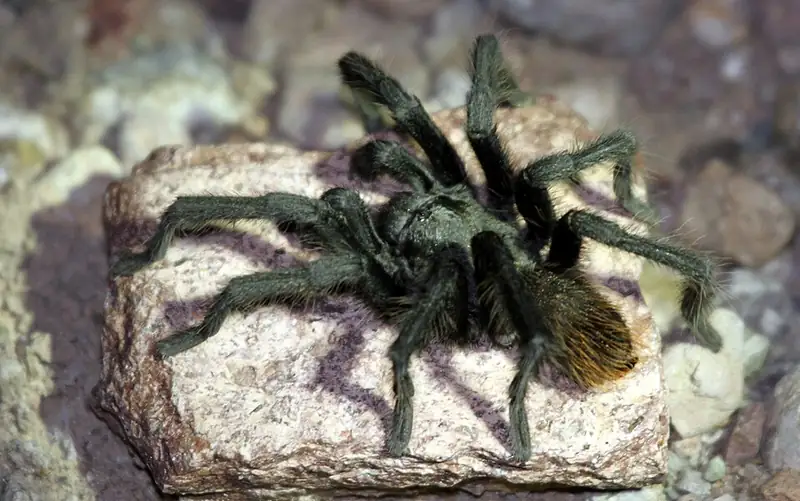 Invertebrate
 Desert tarantula
Aphonopelma chalcodes
A large, gentle desert spider with a pale, hairy body that spends its days in a silk-lined burrow and comes out on fall evenings to look for a mate.
-
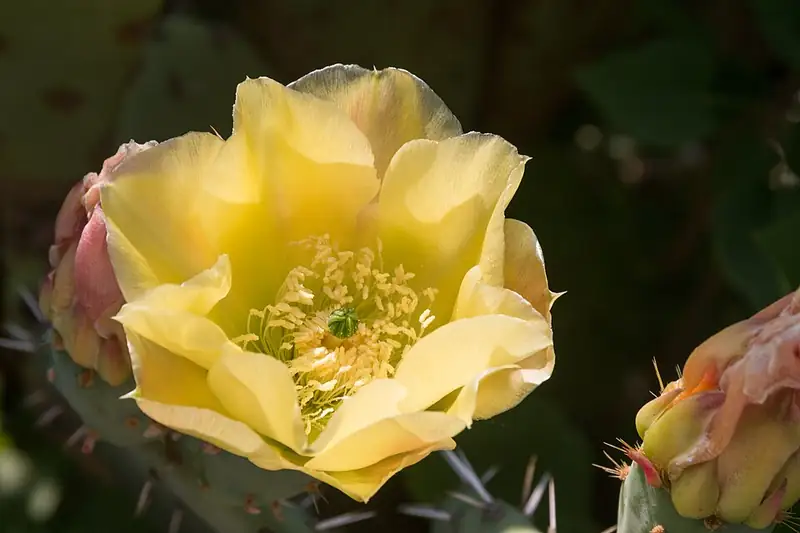 Plant
Plant Engelmann prickly pear
Opuntia engelmannii
A wide, flat-padded cactus of the southwestern deserts, spreading in low clumps with yellow flowers and purple fruit at Big Bend, Saguaro, and Arches.
-
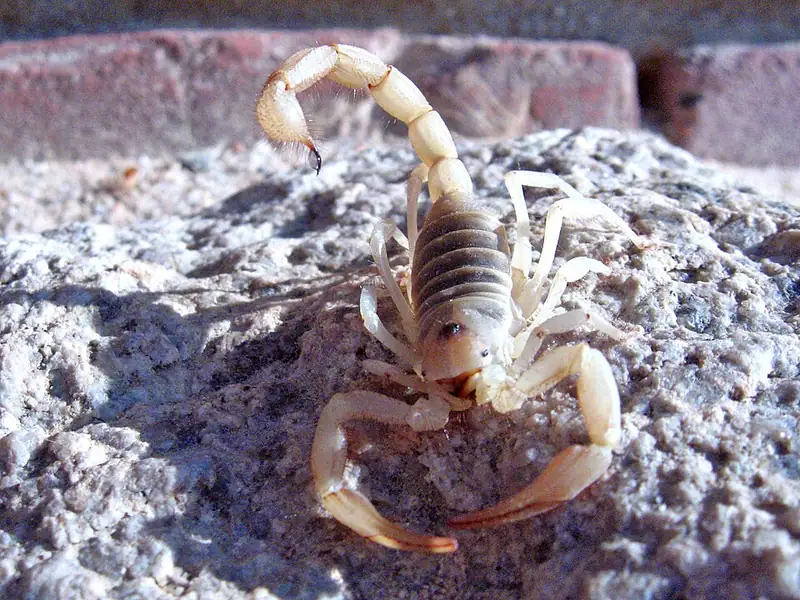 Invertebrate
 Giant desert hairy scorpion
Hadrurus arizonensis
The largest scorpion in North America, a sandy-colored desert digger covered in sensing hairs that glows blue-green under ultraviolet light.
-
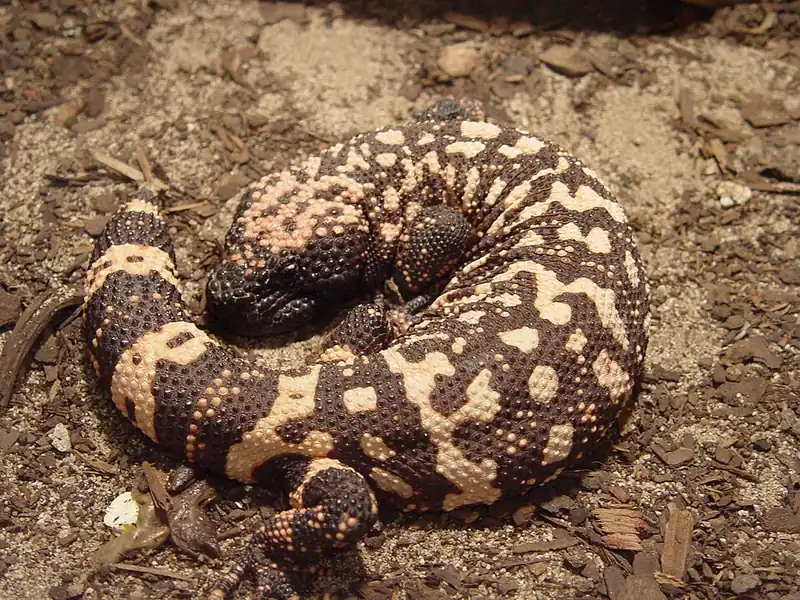 Reptile
 Gila monster
Heloderma suspectum
A slow, heavy desert lizard covered in bead-like black and orange scales, one of the only venomous lizards in the U.S., found in the desert at Saguaro.
-
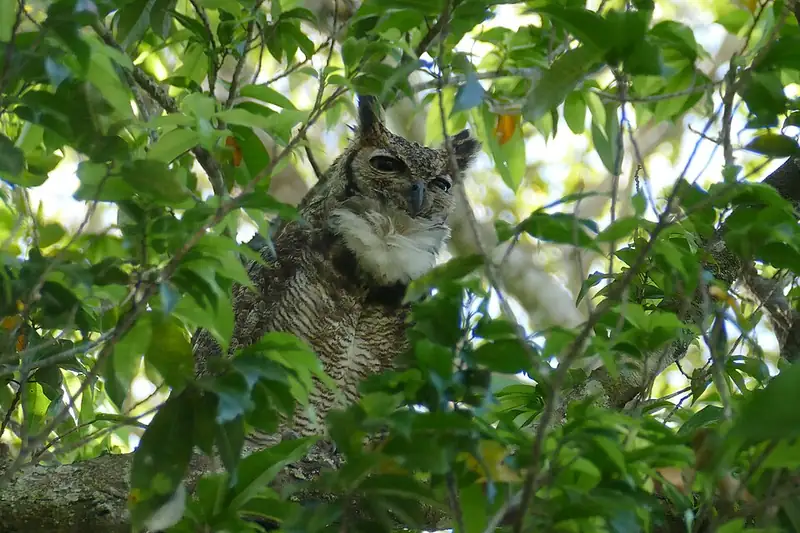 Bird
Bird Great horned owl
Bubo virginianus
A big night hunter with feathery "horns" and a deep hoot, found from the saguaro desert to the Everglades, hunting after dark on silent wings.
-
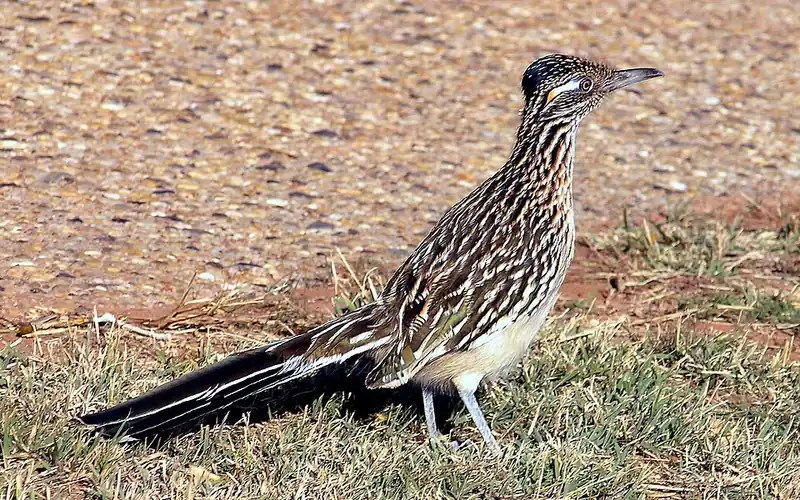 Bird
Bird Greater roadrunner
Geococcyx californianus
A long-legged desert bird that would rather run than fly, chasing down lizards and snakes across the ground at Saguaro, Big Bend, and White Sands.
-
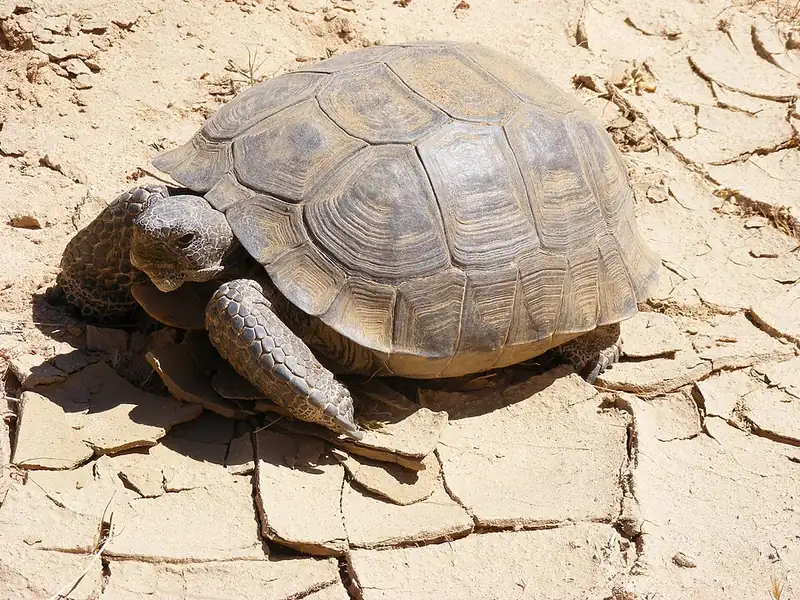 Reptile
 Mojave desert tortoise
Gopherus agassizii
A slow, dome-shelled land turtle that digs long burrows to escape the desert heat, living in the Mojave country of Joshua Tree, Saguaro, and Death Valley.
-
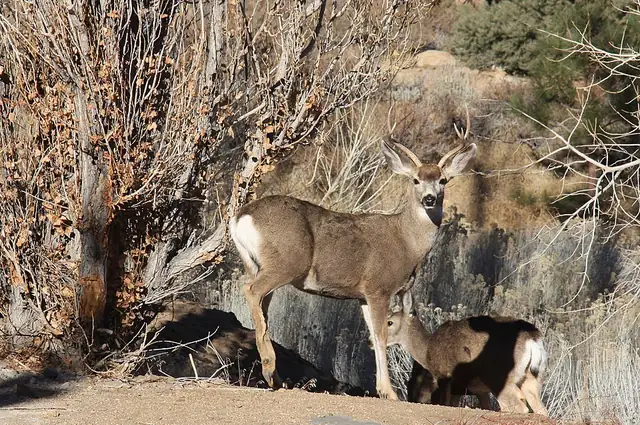 Mammal
 Mule deer
Odocoileus hemionus
A western deer named for its big mule-like ears, common along canyon rims and desert washes in Grand Canyon, Zion, Yosemite, and Saguaro.
-
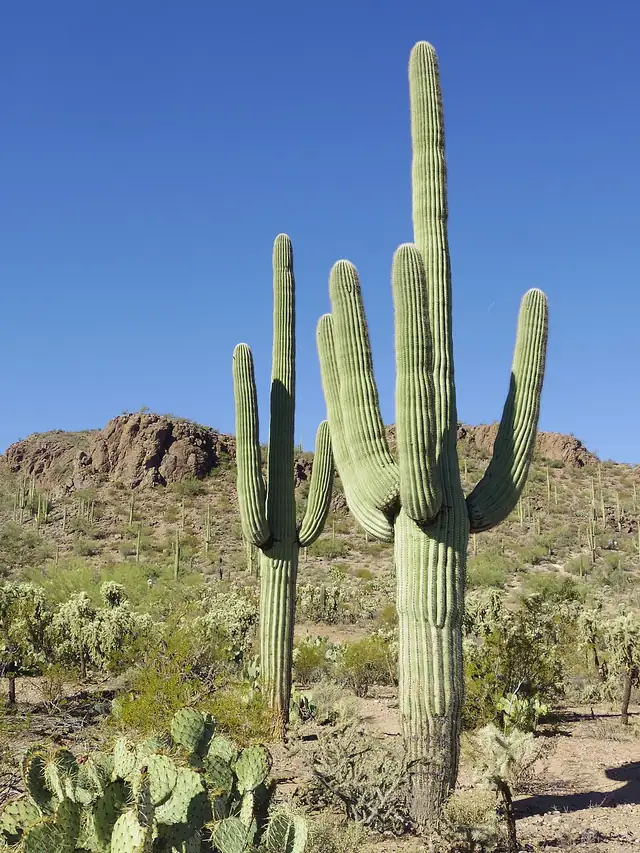 Plant
Plant Saguaro
Carnegiea gigantea
The tall, arm-raising cactus of the Sonoran Desert, found in the United States mainly around Tucson at Saguaro National Park.
-
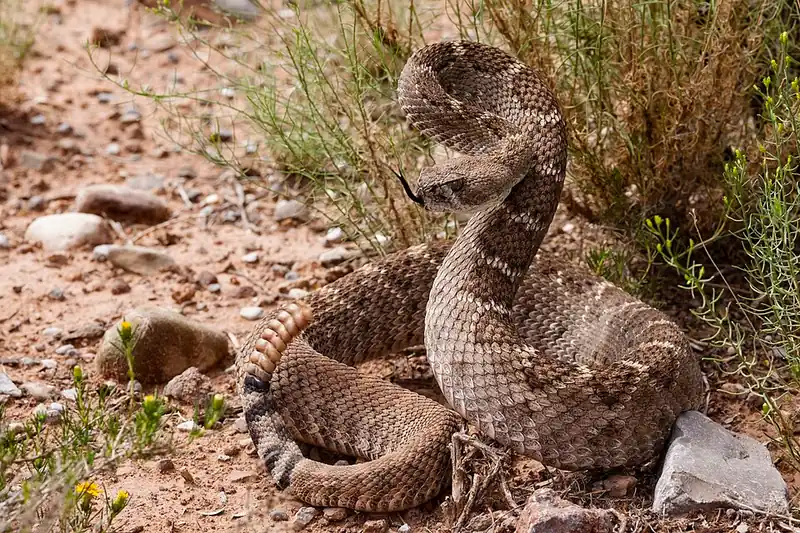 Reptile
 Western diamondback rattlesnake
Crotalus atrox
A big desert rattlesnake with diamond shapes down its back and a black-and-white "coon tail," most likely to be sunning near a trail at Big Bend or Saguaro.