Mammals of Canyonlands National Park
The 7 mammals of Canyonlands National Park. Their profiles carry sizes, diets, and whether you should worry.
Common questions
Which Canyonlands National Park mammals demand distance from a kid?
Bighorn sheep, Black-tailed jackrabbit, Bobcat, Coyote, and Mountain lion carry a rule worth reading. Bighorn sheep: Bighorn sheep are shy and would rather climb away than come near you. Black-tailed jackrabbit: A jackrabbit's entire plan is to run, not fight. Bobcat: Very low. Coyote: Coyotes almost always run from people. Mountain lion: Confrontations are very rare — even in Yellowstone, with a healthy population, few have ever been documented. 2 more species carry a rule worth reading. (per NPS species pages).
What do Canyonlands National Park mammals eat?
Bighorn sheep eats grasses, shrubs, desert plants. Black-tailed jackrabbit eats grasses, sagebrush, creosote bush, cactus, clover and alfalfa where it grows. Bobcat eats rabbits, hares, mice and other rodents, birds, occasionally young deer. Coyote eats mice, rabbits, lizards, insects, fruit, whatever it can find. 3 more species have menus worth reading. (per NPS species pages).
The strangest true thing about Canyonlands National Park's mammals.
Bighorn sheep: A ram's two curled horns can weigh up to 30 pounds together, about as much as a big bag of dog food, and he carries them on his head his whole life. Black-tailed jackrabbit: Its ears work like an elephant's: blood vessels near the surface widen in the heat and let body warmth radiate away into the air, cooling the animal without sweat. (per NPS species pages).
-
 Mammal
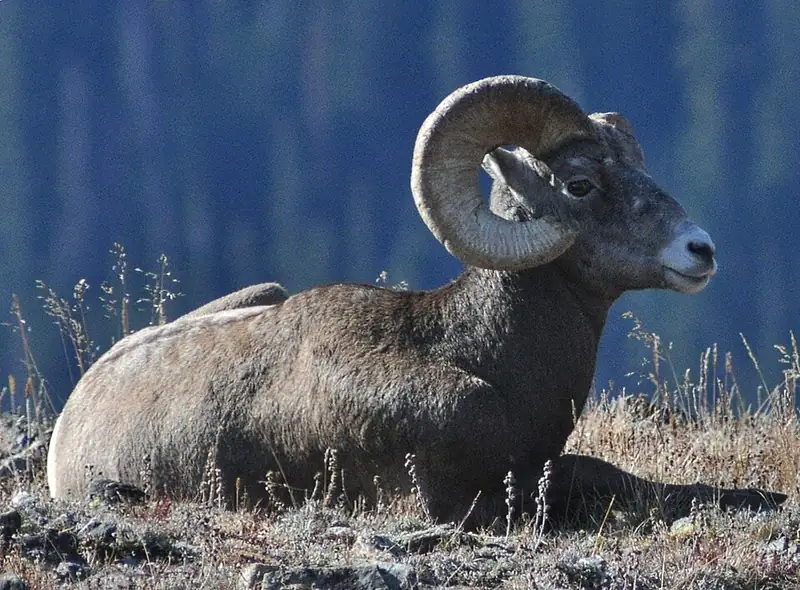
Bighorn sheep
Ovis canadensis
A wild sheep of cliffs and canyons, where rams carry heavy curled horns and both sexes cross steep rock other animals can't.
-
 Mammal
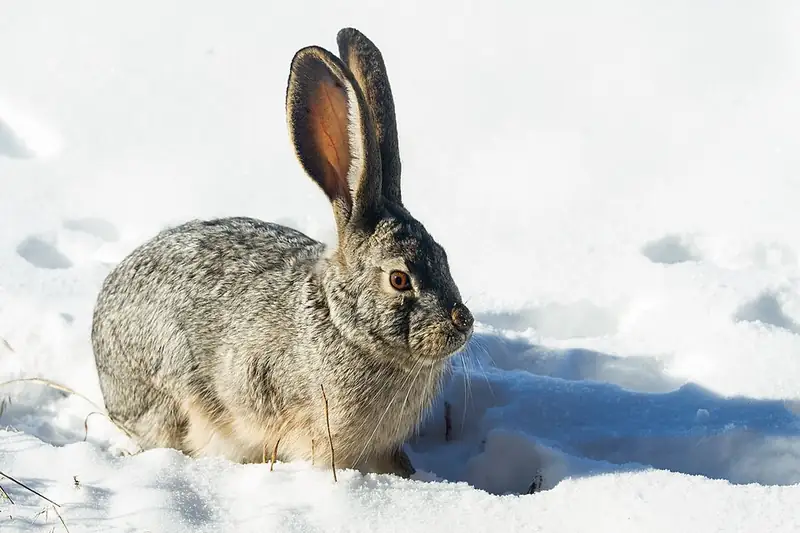
Black-tailed jackrabbit
Lepus californicus
A big-eared hare of Joshua Tree, Lava Beds, Arches, and Canyonlands that dumps body heat through those ears and outruns coyotes in zigzags at 40 miles an hour.
-
 Mammal
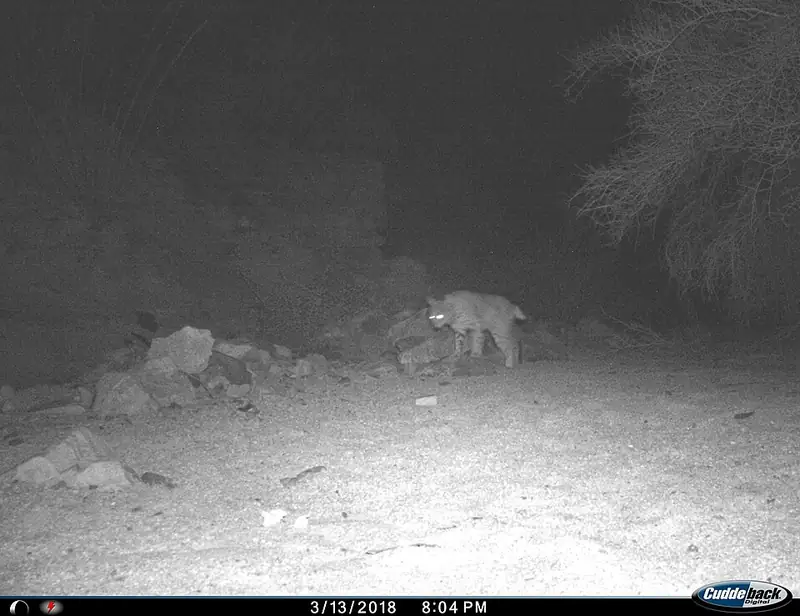
Bobcat
Lynx rufus
A small wildcat about twice the size of a house cat, common but rarely seen, that can bring down prey many times its own weight.
-
 Mammal
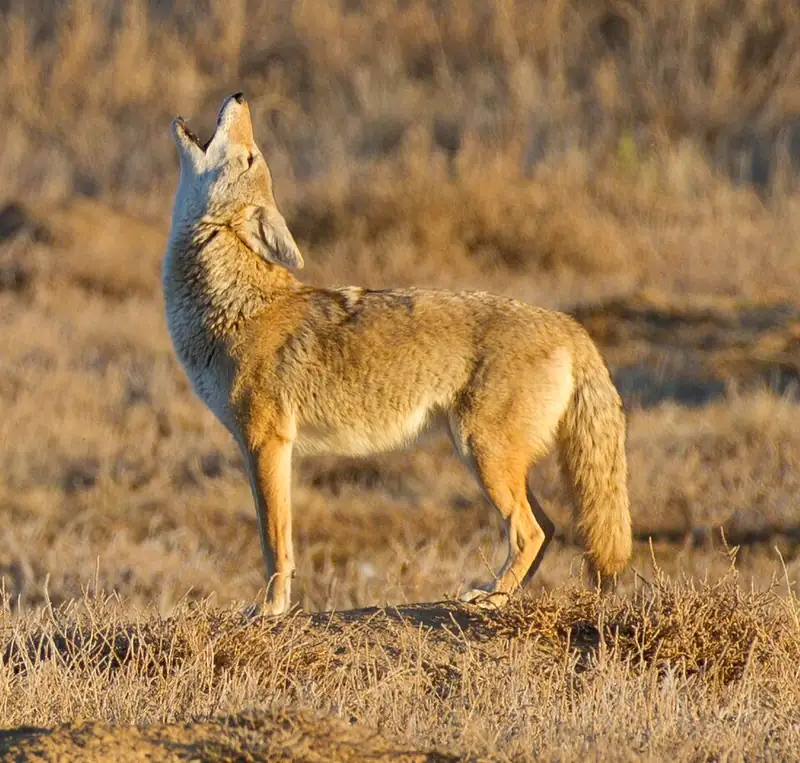
Coyote
Canis latrans
The wild dog you're most likely to hear at a national park — a coyote, at home in the desert, the mountains, and the edges of towns.
-
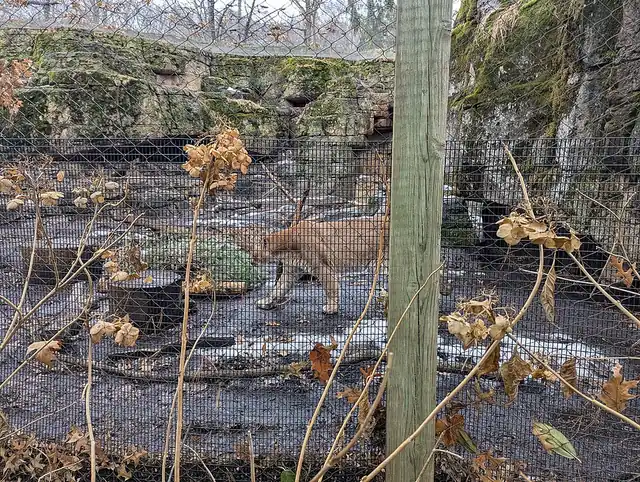 Mammal
Mountain lion
Puma concolor
A tan, solitary big cat found from Glacier to Mesa Verde, called cougar, puma, or panther by region, and rarely seen at all.
-
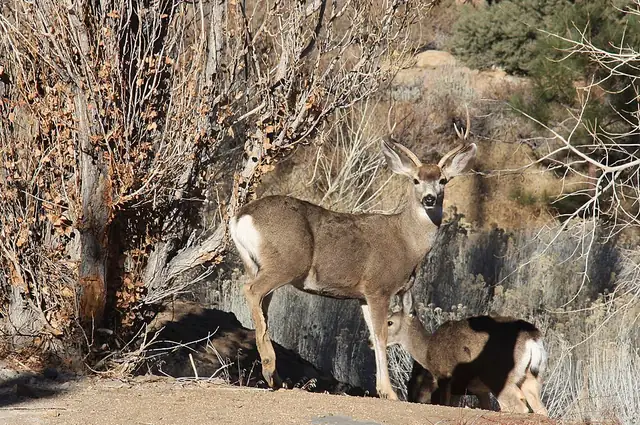 Mammal
Mule deer
Odocoileus hemionus
A western deer named for its big mule-like ears, common on canyon rims and in desert washes in Grand Canyon, Zion, Yosemite, Arches, Canyonlands, and Saguaro.
-
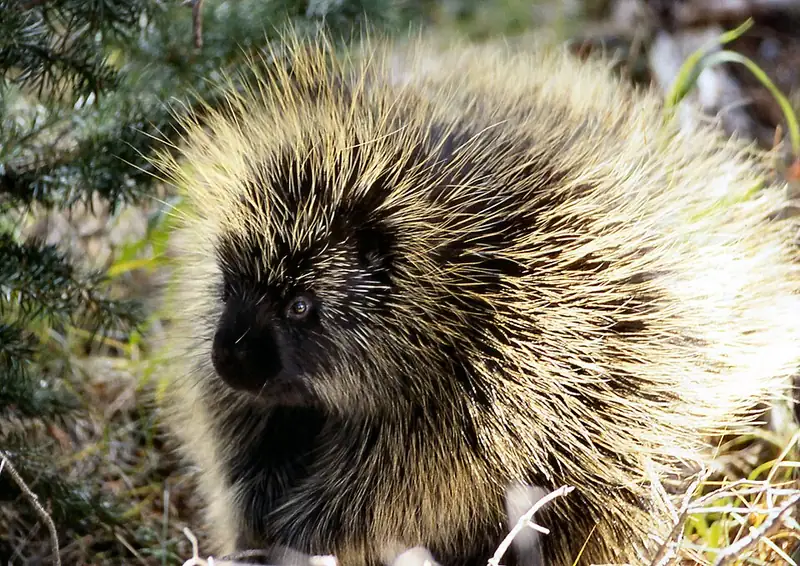 Mammal
North American porcupine
Erethizon dorsatum
A slow, quill-covered rodent of the canyon country at Arches and Canyonlands, and the second-largest rodent in North America after the beaver.