Ute Indian Tribe of the Uintah and Ouray Reservation
A nation today
Background
President Lincoln set aside the original 2,080,000-acre Uintah Valley Reservation for the Uintah Band by executive order on October 3, 1861, and Congress ratified it in 1864. Congress approved the Uncompahgre Reservation in 1880 and President Chester A. Arthur set it apart by executive order on January 5, 1882. The Ute Indian Tribe is three bands, Uintah, White River and Uncompahgre, which organized under the Indian Reorganization Act of 1934 and formed the Tribe in that year. A Bureau of Reclamation study of Colorado River water use says the Uintah Band has lived in what is now Utah since time immemorial, and that the federal government moved the White River and Uncompahgre bands out of Colorado to the Uintah Valley and Uncompahgre reservations. Today the Uintah and Ouray Reservation is the second largest Indian reservation in the United States at more than 4.5 million acres, and the same study notes that land ownership inside its boundaries is checkerboarded on the surface and split differently in the subsurface.
Visit and learn
Ute Indian Tribe of the Uintah and Ouray Reservation's own site
Tribal lands have their own laws. Check the nation's site before you visit.
Parks on its homelands
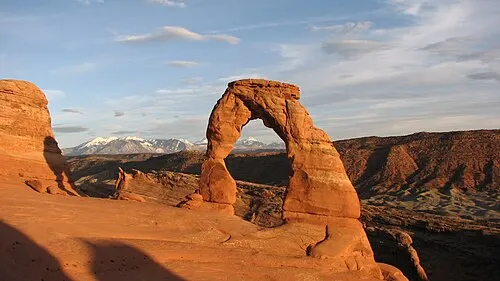
Arches National Park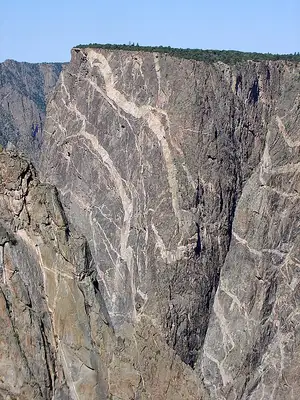 Black Canyon of the Gunnison National Park
Four bands, the Tabeguache, Grand, Yampa and Uinta, make up the Ute Indian Tribe of the Uintah and Ouray Reservation next to Fort Duchesne, Utah, according to the Southern Ute Tribe's own history. That same account places the White River Ute, the Parianuche and Yamparika, in the valleys of the White and Yampa river systems and across the middle Colorado mountains. Source
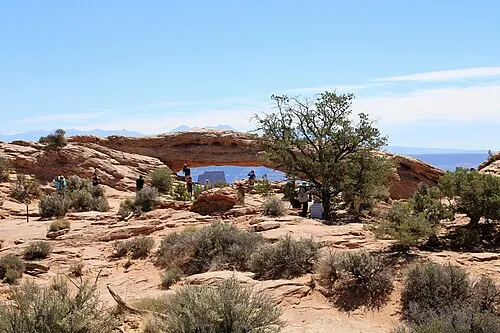 Canyonlands National Park
The Tribe's own site gives the Ute name as Land of the Sun, says the Utes originally came from Colorado, and says the Tribe manages 1.3 million acres of trust land. Source
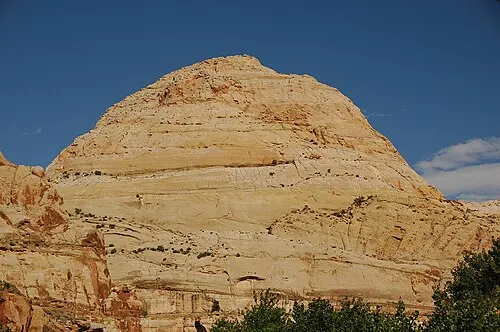 Capitol Reef National Park
Ute groups moved through the Capitol Reef area seasonally for hundreds of years, and NPS counts thirty-two tribes with an ongoing association with the park today, through current or historical traditional use. Source
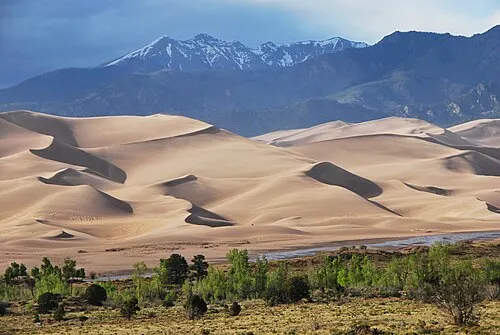 Great Sand Dunes National Park and Preserve
Land of the Sun is what the Ute Indian Tribe's own site says the Ute name means, and it says the Utes originally came from Colorado and that the Tribe manages 1.3 million acres of trust land. Source
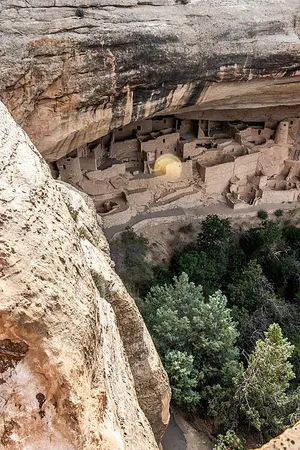 Mesa Verde National Park
The Ute Indian Tribe of the Uintah and Ouray Reservation is the Utah Ute government, and NPS says the Ute were mountain people who moved between the high country in summer and the low country in winter, following the animals and the plants. Mesa Verde was one such ground. Source
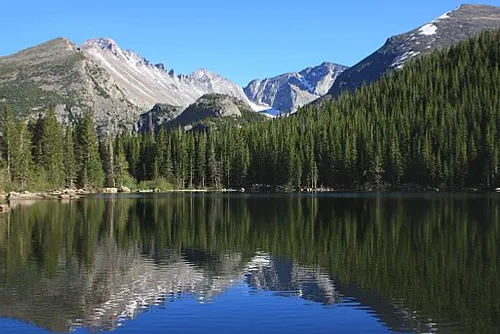 Rocky Mountain National Park
The Ute Indian Tribe of the Uintah and Ouray Reservation is one of three Ute tribes the park counts as the oldest continuous residents of Colorado and of the park itself. The park gives its reservation as the Uintah and Ouray Reservation in Utah, and notes that the three tribes spell the Ute name differently. Source
Affiliations
Mesa Verde National Park
Mesa Verde works with 27 associated Pueblos, Tribes and Nations and counts three Ute governments, the Ute Mountain Ute, the Southern Ute of Colorado and the Ute Indian Tribe of Utah. NPS records that the Ute moved seasonally between high country in summer and low country in winter following animals and plants, and that Mesa Verde was one such hunting and gathering ground.
Arches National Park ethnographic overview
NPS lists the Tribe among the participants in the ethnographic overview Arches ran with the Bureau of Applied Research in Anthropology at the University of Arizona, and says the results will inform management decisions at the park and go into its articles, exhibits and visitor education programs.
Great Sand Dunes National Park and Preserve
The Tribe is one of the tribes Great Sand Dunes counts as affiliated, sharing traditional knowledge with park staff through consultation and with the public through park programs.
Colorado National Monument
The monument says the Ute Indian Tribe of the Uintah and Ouray Reservation, along with the Ute Mountain Ute Tribe, the Southern Ute Indian Tribe, the White Mesa Ute Community and the Navajo Nation, maintains cultural ties to the lands within and around it.
Sources
- https://www.govinfo.gov/content/pkg/FR-2026-01-30/html/2026-01899.htm
- https://www.usbr.gov/lc/region/programs/crbstudy/tws/docs/Ch.%205.1%20Ute%20Tribe%20Current-Future%20Water%20Use%2012-13-2018.pdf
Checked September 2026.