Southern Ute Indian Tribe
A nation today
Background
The tribe greets visitors on its own site in its language, Máykh. The Southern Ute Indian Reservation lies in southwest Colorado. Its government runs a Cultural Preservation department and an Environmental Programs department that monitors air and water. A Natural Resources department handles forestry, agriculture, and range, and runs the tribe's Bison Program. The tribe also runs the Southern Ute Indian Montessori Academy, and it publishes the Southern Ute Drum.
Visit and learn
Southern Ute Cultural Center and Museum
Interactive exhibits and hands-on activities for all ages. The tribe runs cultural programming on Wednesday afternoons through the summer. The museum, library, and gift shop are open Tuesday to Friday.
Lake Capote
A recreation area on the reservation offering camping and fishing.
Southern Ute Indian Tribe's own site
Tribal lands have their own laws. Check the nation's site before you visit.
Parks on its homelands
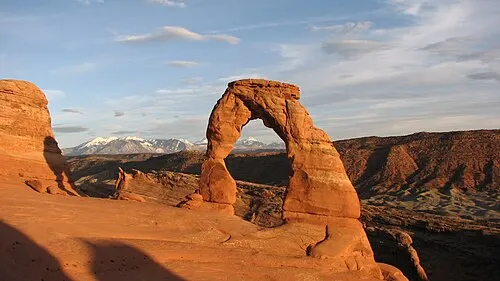
Arches National ParkSouthern Ute representatives were among the five tribes the park invited into its ethnographic study of Arches, run with the University of Arizona's Bureau of Applied Research in Anthropology. The tribes told the researchers what the park's plants, animals, rock features, and landscape meant, and NPS says the results will inform management decisions and go into the park's articles, exhibits and programs. Source
 Black Canyon of the Gunnison National Park
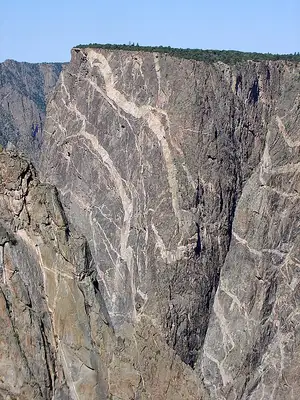
The Southern Ute Tribe's own history places the Uncompahgre, also recorded as the Tabeguache, band near the Uncompahgre and Gunnison rivers around Montrose and Grand Junction, Colorado. That account also records how the 1873 Brunot Agreement took away the Tribe's seasonal camps and its annual elk and deer harvests after gold and silver were found in the San Juan Mountains. Source
 Great Sand Dunes National Park and Preserve
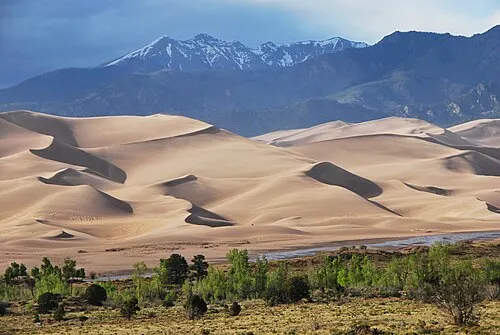
In the tribe's own history, the Caputa band, one of the two bands that make up the Southern Ute Indian Tribe, lived east of the Continental Divide, south of the Conejos River and in the San Luis Valley near the headwaters of the Rio Grande. Today the Mouache and Caputa bands are headquartered at Ignacio, Colorado. Source
 Mesa Verde National Park
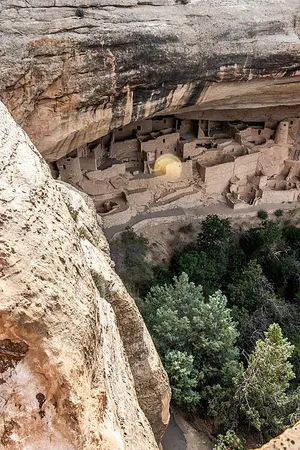
The Southern Ute Tribe is one of three Ute governments NPS names at Mesa Verde, and it runs the Southern Ute Cultural Center and Museum, which the park points visitors to for Ute history and culture. Mesa Verde was one of the Ute hunting and gathering grounds. Source
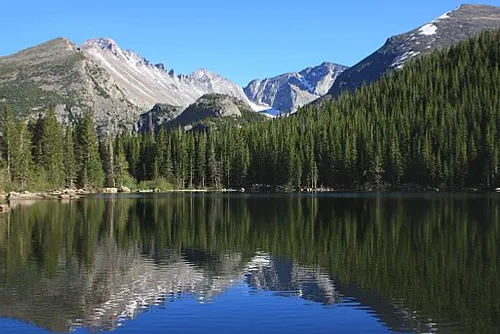 Rocky Mountain National Park
The park calls the Nuuchiu (Ute) the oldest continuous residents of Colorado and of Rocky Mountain National Park, people who lived at higher elevations in summer and moved down to the plains in winter. The park notes that the spelling Nuuchiu is specific to the Southern Ute Indian Tribe, and that the three Ute tribes today represent 13 original bands. Source
Programs
Bison Program
Part of the tribe's Natural Resources department, which also runs forestry, agriculture, and range programs on the reservation.
Environmental Programs Department, Water Quality and Remediation Division
Monitors surface water and streams on the reservation, including the Animas River, and runs water quality standards and remediation work.
Sources
- https://www.govinfo.gov/content/pkg/FR-2026-01-30/html/2026-01899.htm
- https://www.southernute-nsn.gov/
- https://www.southernute-nsn.gov/visit/
Checked September 2026.