Pueblo of Zuni
A nation today
Background
A trail of about 7.5 miles across the lava flows at El Malpais National Monument has been used to connect Zuni Pueblo and Acoma Pueblo for at least a thousand years and is still in use, marked by cairns. The park names the trail for whichever of the two pueblos a hiker is nearest to. A waffle garden is a sunken square of ground built to trap and concentrate run-off water, and Zuni Pueblo still uses them, on land the National Park Service calls one of the oldest continually cultivated areas in the United States. The same technique has since been taken up as sustainable gardening in arid parts of the Southwest, and the Zuni grew corn, beans and squash with it. The Zuni Pueblo Tourism Board manages the Zuni-Cibola Complex National Historic Landmark, a district of four sites that NPS says carries hundreds of years of Zuni-area history and the early Spanish contact. A Franciscan mission at Halona, which became Zuni Pueblo after the Pueblo Revolt of 1680, was re-roofed in 1905 and then excavated and rebuilt between 1966 and 1969 in a partnership among the tribe, the National Park Service and the Catholic Diocese of Gallup.
Visit and learn
Mission Nuestra Senora de Guadalupe
The restored adobe church stands on NM 53 inside the pueblo, in the National Register-listed pueblo it is part of. Life-size kachina murals painted into it were finished in 2006. The Pueblo offers tours for a fee and asks that you make reservations at least a week in advance, with the visitor information center at 505-782-7238. Photography is by permission only, and NPS says to check with the Zuni Pueblo Department of Tourism about access to the church before you go.
https://www.nps.gov/subjects/travelspanishmissions/mission-nuestra-senora-de-guadalupe.htm
Tribal lands have their own laws. Check the nation's site before you visit.
Parks on its homelands
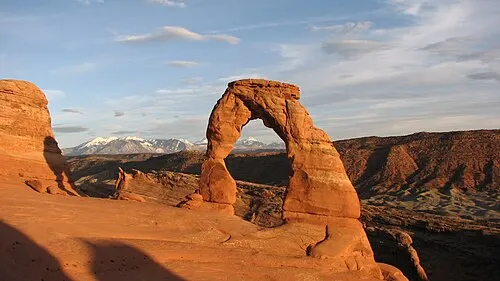
Arches National ParkRepresentatives of the Pueblo of Zuni took part in the ethnographic study the park ran with the University of Arizona, and NPS names the tribe A:shiwi. Source
 Canyonlands National Park
 Grand Canyon National Park
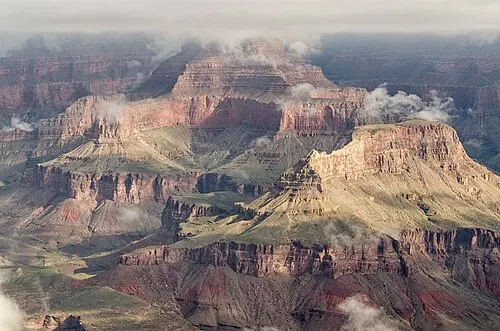
The Pueblo of Zuni is A:shiwi in the park's list of the eleven nations associated with Grand Canyon. Source
 Petrified Forest National Park
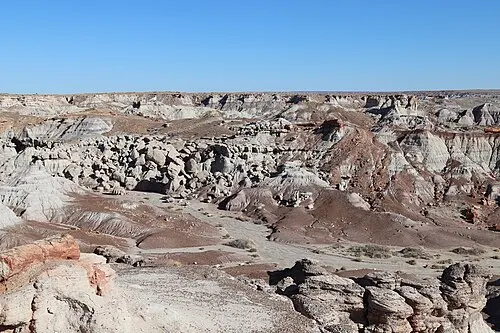
Puerco Pueblo stood on the banks of the Puerco River inside this park, more than 100 rooms with a population of around 200. NPS says it was largely depopulated in the early 1400s during a long drought, and that people then moved in large numbers to larger population centres such as Zuni and Hopi. Source
Affiliations
Arches National Park ethnographic overview
The Pueblo of Zuni is among the tribes NPS lists as having taken part in the ethnographic overview Arches ran with the Bureau of Applied Research in Anthropology at the University of Arizona. NPS says the results give staff a baseline assessment of the tribes' connections to the park, which will inform management decisions and be incorporated into articles, exhibits and programs for visitor education.
Grand Canyon National Park
The Pueblo of Zuni appears on Grand Canyon's list of eleven tribes with historic connections to the lands and resources now found inside the park, with New Mexico as its state.
Great Sand Dunes National Park and Preserve
The Pueblo of Zuni is on the park's list of affiliated tribes. NPS says those tribes share their traditional knowledge and culture with park staff through consultation and with the public through park programs.
Petrified Forest National Park
NPS records that the park's own area was largely depopulated in the early 1400s during a long-standing drought, and that a large movement of people went from there to larger population centres such as Zuni and Hopi.
Sources
- https://www.govinfo.gov/content/pkg/FR-2026-01-30/html/2026-01899.htm
- https://www.nps.gov/subjects/travelspanishmissions/mission-nuestra-senora-de-guadalupe.htm
- https://www.nps.gov/elma/planyourvisit/zuni-acoma-trail.htm
- https://www.nps.gov/places/hawikuh-and-zuni-cibola-complex-nm.htm
Checked September 2026.