Invertebrates of Yellowstone National Park
The 2 invertebrates of Yellowstone National Park: Mountain pine beetle and Yellowstone brine fly.
Common questions
Which Yellowstone National Park invertebrates demand distance from a kid?
Mountain pine beetle and Yellowstone brine fly carry a rule worth reading. Mountain pine beetle: Harmless to people. Yellowstone brine fly: It cannot bite or sting. (per NPS species pages).
What do Yellowstone National Park invertebrates eat?
Mountain pine beetle eats the inner bark (phloem) of pine trees. Yellowstone brine fly eats mats of heat-loving cyanobacteria and algae in the runoff channels. (per NPS species pages).
The strangest true thing about Yellowstone National Park's invertebrates.
Mountain pine beetle: A red blob of dried sap on a pine trunk, called a pitch tube, marks the exact spot where a beetle tried to bore in and the tree fought back with resin. Yellowstone brine fly: It lives alongside a hungry neighbor at Yellowstone's hot springs: the wetsalts tiger beetle, a heat-tolerant hunting beetle found nowhere else, preys on brine flies at the water's edge. (per NPS species pages).
-
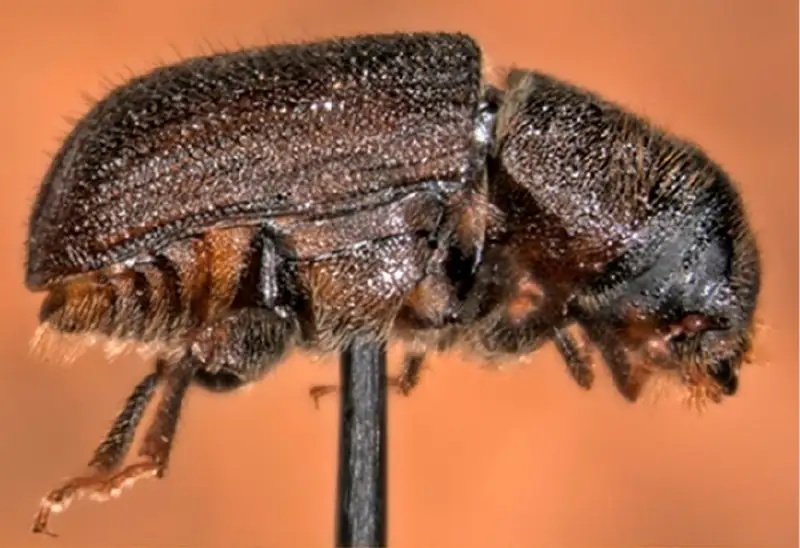 Invertebrate
Mountain pine beetle
Dendroctonus ponderosae
A beetle about the size of a grain of rice that tunnels under pine bark and can turn a mountainside red at Yellowstone, Glacier, and Rocky Mountain.
-
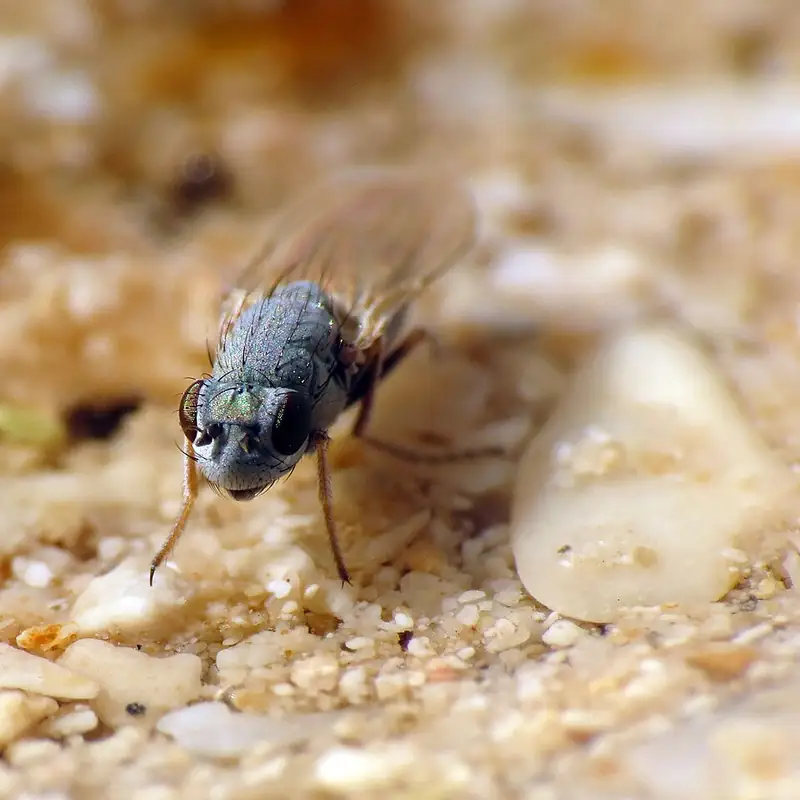 Invertebrate
Yellowstone brine fly
Ephydra bruesi
A small fly that lives in Yellowstone's hot runoff channels, walking on water close to the boiling point that would kill almost anything else.