Invertebrates of Olympic National Park
The 5 invertebrates of Olympic National Park. Their profiles carry sizes, diets, and whether you should worry.
Common questions
Which Olympic National Park invertebrates demand distance from a kid?
Banana slug, California mussel, Giant green anemone, Ochre sea star, and Western tiger swallowtail carry a rule worth reading. Banana slug: A banana slug cannot bite or sting and is not poisonous to touch. California mussel: Harmless to touch, but the shells are sharp and the rocks they cover are slick, so tide-pool footing is the real hazard. Giant green anemone: Its sting is far too weak to hurt a person, though it feels sticky if you touch a tentacle. Ochre sea star: Harmless to people. Western tiger swallowtail: Completely harmless. (per NPS species pages).
What do Olympic National Park invertebrates eat?
Banana slug eats fallen leaves, mushrooms, dead plants, animal droppings, moss. California mussel eats plankton, tiny bits of drifting food. Giant green anemone eats crabs, mussels, small fish, sea urchins. Ochre sea star eats mussels, barnacles, snails, limpets. 1 more species have menus worth reading. (per NPS species pages).
The strangest true thing about Olympic National Park's invertebrates.
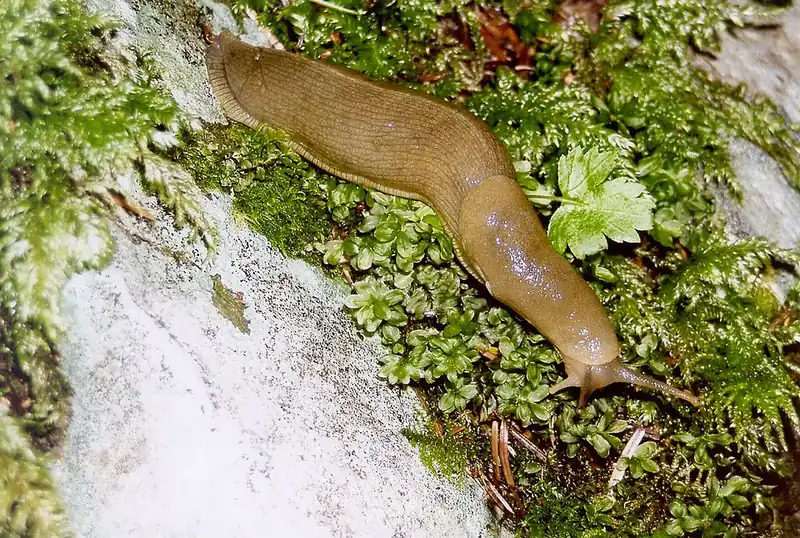
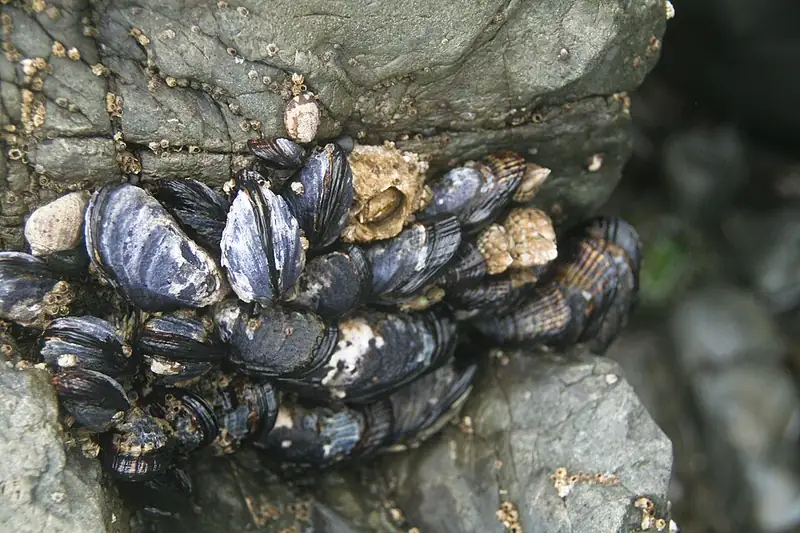
Banana slug: A banana slug breathes through a hole in its side. That round opening near the front, called a pneumostome, opens and closes to let air into a simple lung inside the slug's body. California mussel: It anchors to rock with a bundle of tough stretchy fibers called byssal threads, and the glue on those threads sticks even underwater, which is why scientists have studied it to make better surgical adhesives. (per NPS species pages).
-
 Invertebrate We saw it
Banana slug
Ariolimax columbianus
A long yellow slug, sometimes as big as a real banana, that glides across the damp floor of the redwood forest and cleans up what falls there.
-
 Invertebrate
California mussel
Mytilus californianus
The big blue-black mussel that packs Pacific rocks by the thousands, anchored by threads so strong they inspired medical glue.
-
 Invertebrate
Giant green anemone
Anthopleura xanthogrammica
A bright green tide-pool anemone that farms algae inside its own body for the color and eats crabs whole with a ring of stinging tentacles.
-
 Invertebrate
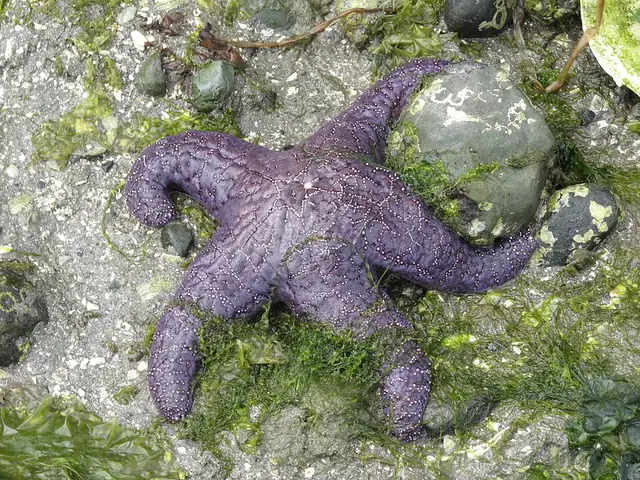
Ochre sea star
Pisaster ochraceus
The purple or orange five-armed star of Pacific tide pools whose appetite for mussels decides what everything else on the rock gets to be.
-
 Invertebrate
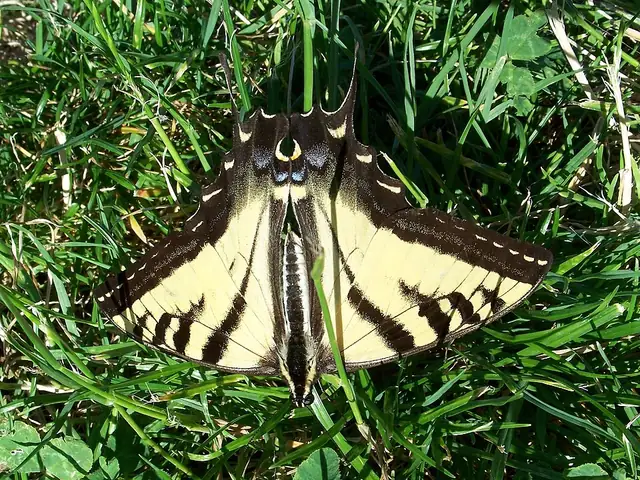
Western tiger swallowtail
Papilio rutulus
The big yellow-and-black butterfly of western streamsides whose caterpillar wears fake snake eyes and flips out a stinky orange horn when scared.