Mammals of Great Sand Dunes National Park and Preserve
The 5 mammals of Great Sand Dunes National Park and Preserve. Their profiles carry sizes, diets, and whether you should worry.
Common questions
Which Great Sand Dunes National Park and Preserve mammals demand distance from a kid?
Abert's squirrel, Golden-mantled ground squirrel, Mountain lion, Townsend's big-eared bat, and Yellow-bellied marmot carry a rule worth reading. Abert's squirrel: Harmless and shy. Golden-mantled ground squirrel: None. Mountain lion: Confrontations are very rare — even in Yellowstone, with a healthy population, few have ever been documented. Townsend's big-eared bat: Bats are not out to hurt you, and they are not 'flying mice' or blind. Yellow-bellied marmot: Marmots are not dangerous, but they are wild and can bite if you corner or try to grab one. (per NPS species pages).
What do Great Sand Dunes National Park and Preserve mammals eat?
Abert's squirrel eats ponderosa pine seeds and cones, the soft inner bark of pine twigs, mushrooms, old bones and antlers. Golden-mantled ground squirrel eats fungi, seeds, nuts, buds, roots, bird eggs, insects, carrion. Mountain lion eats elk, deer, marmots, porcupines. Townsend's big-eared bat eats moths, small flying insects. 1 more species have menus worth reading. (per NPS species pages).
The strangest true thing about Great Sand Dunes National Park and Preserve's mammals.
Abert's squirrel: It's nicknamed the "scrabbit" because its tall, tufted ears look almost rabbit-like. Golden-mantled ground squirrel: A golden-mantled ground squirrel roughly triples its body weight over the summer to survive up to six months of underground hibernation without eating. (per NPS species pages).
-
 Mammal
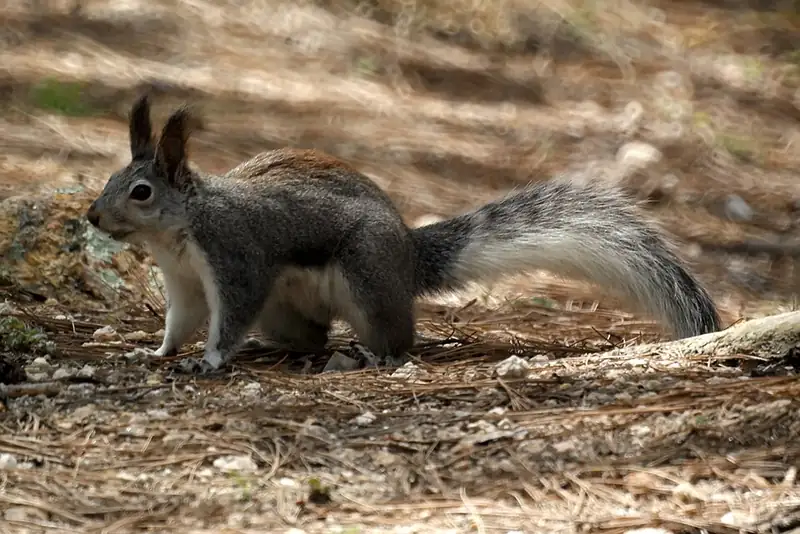
Abert's squirrel
Sciurus aberti
A tasseled-eared squirrel of ponderosa pine forests at Mesa Verde, Rocky Mountain, and Great Sand Dunes, nicknamed the scrabbit.
-
 Mammal
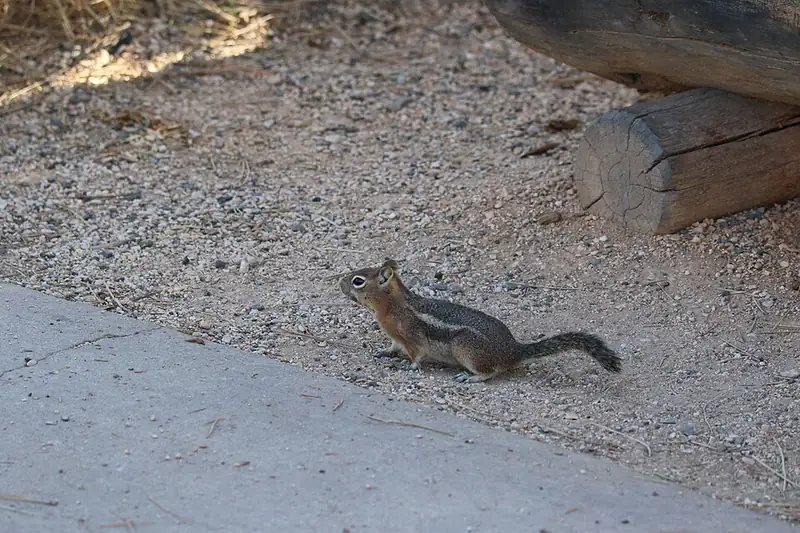
Golden-mantled ground squirrel
Callospermophilus lateralis
A chipmunk-lookalike ground squirrel with a reddish-gold head and shoulders and no face stripes, common on rocks and trailsides from Glacier to Mesa Verde.
-
 Mammal
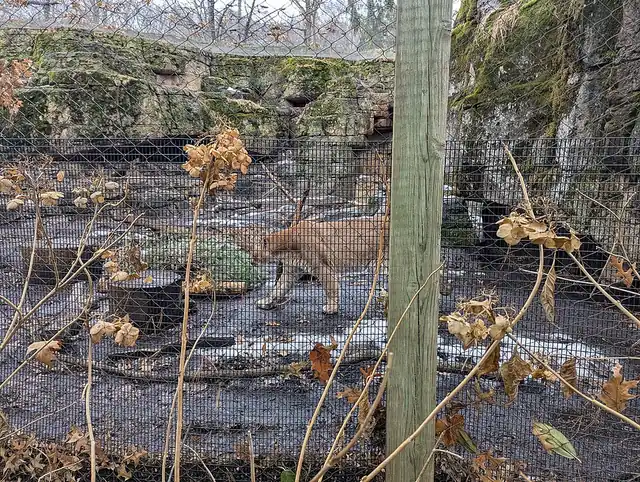
Mountain lion
Puma concolor
A tan, solitary big cat found from Glacier to Mesa Verde, called cougar, puma, or panther by region, and rarely seen at all.
-
 Mammal
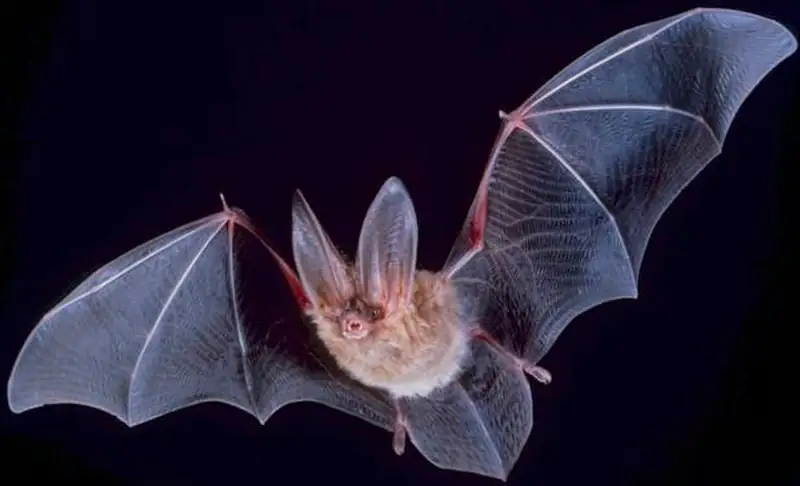
Townsend's big-eared bat
Corynorhinus townsendii
A soft brown bat with enormous curling ears that roosts in the cool lava-tube caves of Lava Beds and hunts moths in the dark.
-
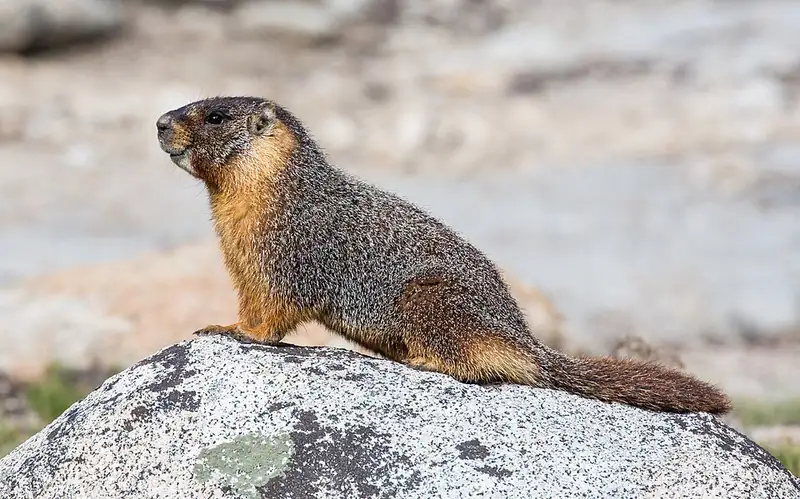 Mammal
Yellow-bellied marmot
Marmota flaviventris
A chubby, whistling ground squirrel that suns itself on high-country rocks at Rocky Mountain and Yosemite, and sleeps away most of the year.