Oglala Sioux Tribe
A nation today
Background
Pine Ridge covers 3.5 thousand square miles, more than twice the size of Rhode Island, and the tribe's own site counts nine districts and more than fifty communities. Established in 1889, the reservation covers southwestern South Dakota and northwestern Nebraska. Pine Ridge was originally part of the Great Sioux Reservation, created by the Fort Laramie Treaty of 1868 and later reduced to five reservations. The Oglala Sioux Tribe maintains more than 52,000 enrolled members, and a twenty-one member council governs it under the Indian Reorganization Act of 1934.
Visit and learn
Tribal lands have their own laws. Check the nation's site before you visit.
Parks on its homelands
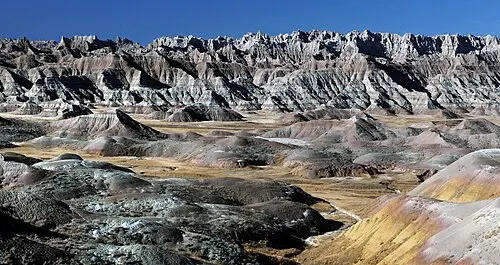
Badlands National ParkBadlands' South Unit is entirely tribal trust land, held in trust for the Oglala Sioux Tribe, and a 1976 memorandum of agreement between the park and the tribe set out shared priorities from recruiting and fee revenue to bison management. Source
 Wind Cave National Park
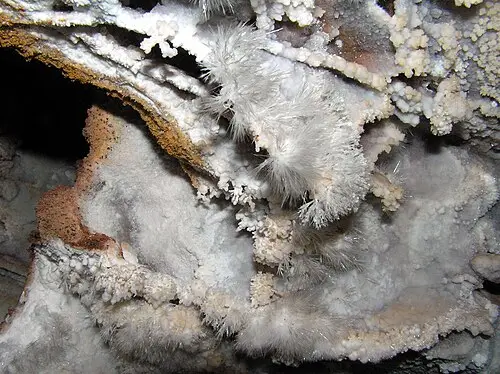
Pine Ridge, the Tribe's home since 1889, covers 3,500 square miles of southwestern South Dakota and northwestern Nebraska, more than twice the size of Rhode Island, and the Tribe counts more than 52,000 members. Its own account dates Pine Ridge to the Great Sioux Reservation created by the 1868 Fort Laramie Treaty, and names the loss of the Black Hills, where this park stands, as a continuing point of contention. Source
Sources
Checked September 2026.