Lakota
A people
Background
The Lakota are the western of three divisions of the Sioux. NPS sets out the three in its account of the 1851 treaty council. The eastern Sioux are four bands known collectively as the Santee or Dakota. The middle Sioux are the Yankton and Yanktonai, or Nakota. The western Sioux are the Lakota or Teton. In 1876, in what is now Theodore Roosevelt National Park, General Alfred Terry's troops camped three miles south of present-day Medora on May 29, and Custer wrote to his wife that marching fifty miles they had forded the crooked Little Missouri River thirty-four times. Rain, then sleet, then snow held the command near Square Butte from June 1 until June 3. On June 25, less than a month after they cleared the badlands, Custer was killed with 262 of his troops at the Battle of Little Bighorn, which NPS calls the last major victory for Plains Indian people against the United States Army.
Parks on its homelands
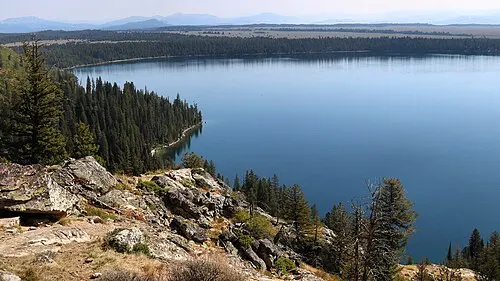
Grand Teton National Park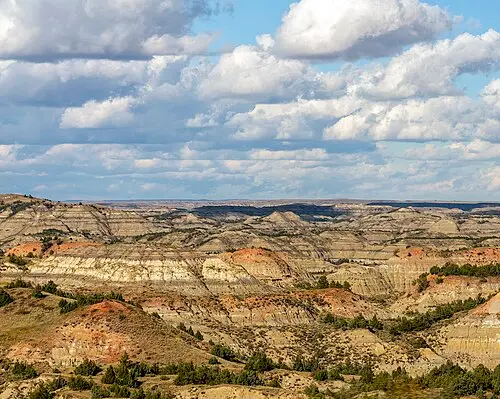 Theodore Roosevelt National Park
In 1876 General Alfred Terry and George Custer rode out of Fort Lincoln into these badlands. Terry camped three miles south of today's Medora on May 29, and Custer wrote that marching fifty miles that day they forded the crooked Little Missouri River thirty-four times. Rain, sleet and snow held the command near Square Butte from June 1 until June 3. Source
Sources
- https://www.nps.gov/articles/000/finding-the-horse-creek-treaty-of-1851-site-an-interdisciplinary-approach-to-national-historic-landmark-designation.htm
- https://www.nps.gov/thro/learn/historyculture/the-us-army-and-the-sioux-part-4.htm
Checked September 2026.