Fungi of Mount Rainier National Park
The 4 fungi of Mount Rainier National Park. Each carries a fun fact and a note on whether a kid should worry about it.
Common questions
Which Mount Rainier National Park fungi demand distance from a kid?
Fly agaric, Golden chanterelle, Lobster mushroom, and Methuselah's beard lichen carry a rule worth reading. Fly agaric: Poisonous if eaten. Golden chanterelle: Safe to touch, and safe to eat only after a mushroom expert has identified it. Lobster mushroom: Safe to touch, and safe to eat only after a mushroom expert has identified it. Methuselah's beard lichen: Harmless to touch. (per NPS species pages).
What do Mount Rainier National Park fungi eat?
Fly agaric eats sugars traded from birch, pine, and spruce roots. Golden chanterelle eats sugars traded from conifer tree roots. (per NPS species pages).
The strangest true thing about Mount Rainier National Park's fungi.
Fly agaric: Its name comes from an old trick: people would break the cap into a dish of milk to stun houseflies, so it became the "fly" mushroom. Golden chanterelle: A chanterelle does not have thin, flat gills under its cap like many mushrooms. Instead it has blunt, forked ridges that run part way down the stem. Knowing that helps tell it apart from its poisonous look-alikes. (per NPS species pages).
-
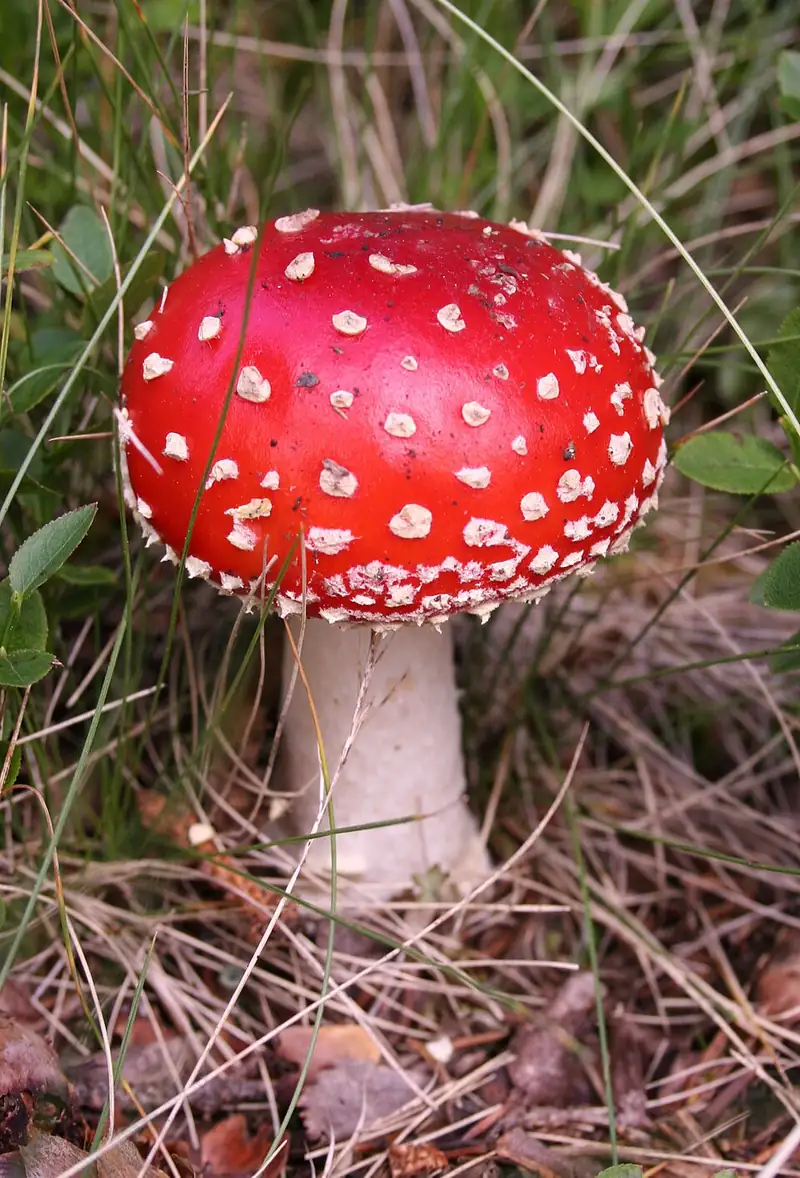 Fungus
Fly agaric
Amanita muscaria
The storybook red mushroom with white spots, found in northern conifer and birch woods. It is joined to tree roots and poisonous to eat.
-
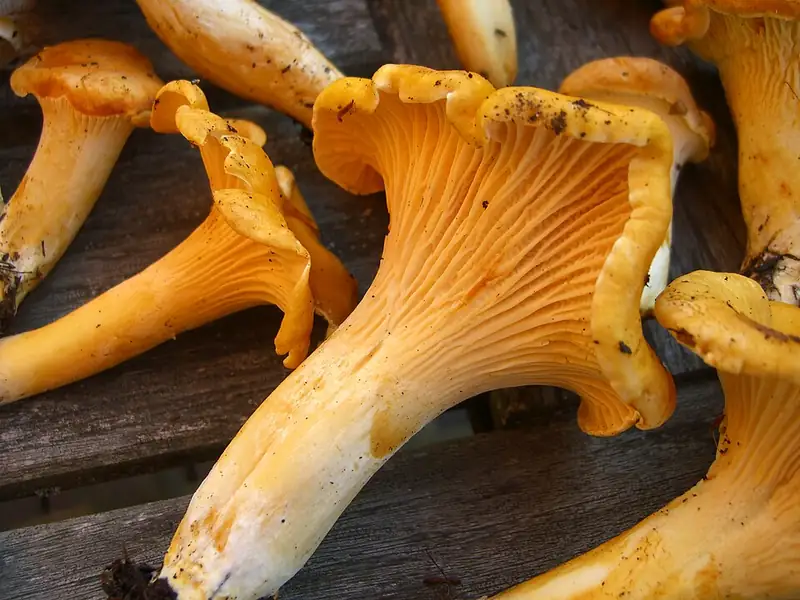 Fungus
Golden chanterelle
Cantharellus formosus
A trumpet-shaped golden mushroom of Pacific Northwest conifer forests that lives joined to tree roots and trades food with the trees.
-
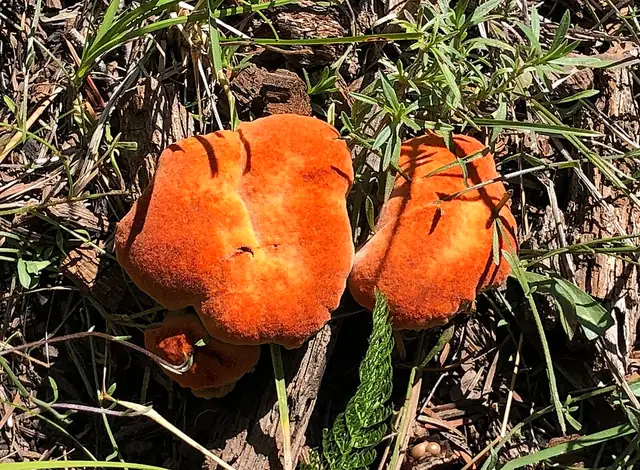 Fungus
Lobster mushroom
Hypomyces lactifluorum
Not really a mushroom at all, but a fungus that attacks another mushroom, turning it lobster-orange, firm, and good to eat.
-
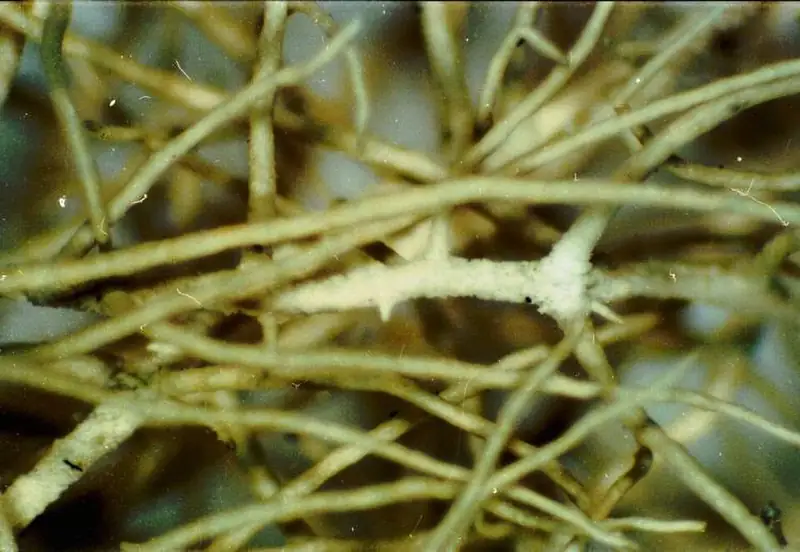 Fungus
Methuselah's beard lichen
Usnea longissima
The longest lichen in the world, hanging in pale green beards from old rainforest branches, and a winter food for deer and flying squirrels.