Amphibians of Lassen Volcanic National Park
The 2 amphibians of Lassen Volcanic National Park: Pacific chorus frog and Western toad. Their profiles carry sizes, diets, and whether you should worry.
Common questions
Which Lassen Volcanic National Park amphibians demand distance from a kid?
Pacific chorus frog and Western toad carry a rule worth reading. Pacific chorus frog: It cannot bite or sting in any way that matters. Western toad: Harmless to touch, but the two glands behind its eyes ooze a thick white poison meant to deter predators, so wash hands after handling and don't touch your eyes or mouth first. (per NPS species pages).
What do Lassen Volcanic National Park amphibians eat?
Pacific chorus frog eats spiders, beetles, flies, ants, small insects. Western toad eats ants, beetles, bees, spiders, sowbugs, grasshoppers. (per NPS species pages).
The strangest true thing about Lassen Volcanic National Park's amphibians.
Pacific chorus frog: It is the most commonly encountered amphibian at Lava Beds, turning up everywhere from lava-tube mouths to the smallest rainwater pools. Western toad: It is the only toad species known to occur in Mount Rainier National Park, and park biologists consider it relatively rare and mysterious compared to the park's frogs and salamanders. (per NPS species pages).
-
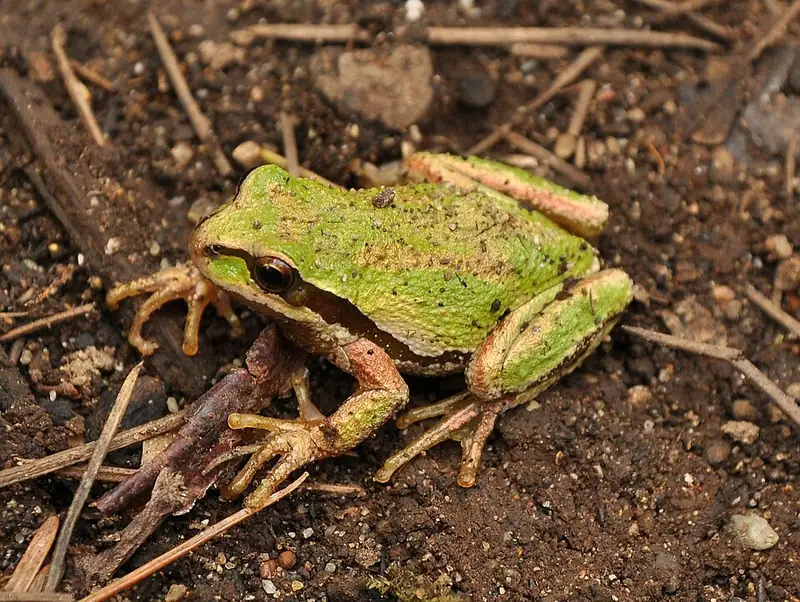 Amphibian
Pacific chorus frog
Pseudacris regilla
A two-inch frog that shifts between green and brown and calls the ribbit Hollywood dubs onto night scenes everywhere, from sea level to alpine ponds.
-
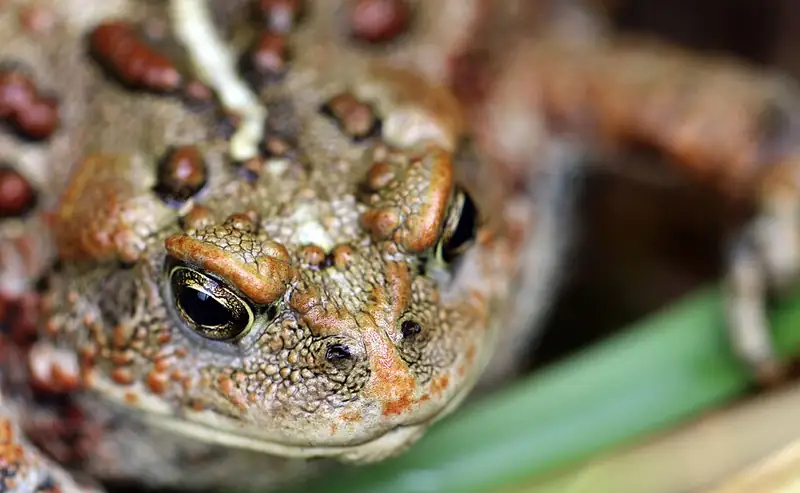 Amphibian
Western toad
Anaxyrus boreas
A stout, warty toad that walks instead of hopping, with poison glands behind each eye, ranging from lowland ponds to mountain lakes across the Cascades.