Plants of Great Sand Dunes National Park and Preserve
The 6 plants of Great Sand Dunes National Park and Preserve. Each carries a fun fact and a note on whether a kid should worry about it.
Common questions
Which Great Sand Dunes National Park and Preserve plants demand distance from a kid?
American pasqueflower, Colorado blue columbine, Engelmann spruce, Fireweed, and Two-needle pinyon carry a rule worth reading. American pasqueflower: Every part of this plant is poisonous to eat, and the fresh sap can blister skin. Colorado blue columbine: Harmless to touch or smell. Engelmann spruce: Harmless — no spines, no poison. Fireweed: Some people eat the young shoots or make tea from the leaves, though there's no need to pick it in a park. Two-needle pinyon: The needles aren't sharp enough to worry about, though the trunk and cones can be sticky with resin. 1 more species carry a rule worth reading. (per NPS species pages).
What do Great Sand Dunes National Park and Preserve plants eat?
American pasqueflower eats sunlight, water, soil nutrients. Engelmann spruce eats sunlight, water, soil nutrients. (per NPS species pages).
The strangest true thing about Great Sand Dunes National Park and Preserve's plants.
American pasqueflower: At Theodore Roosevelt National Park, the pasqueflower is the first wildflower to bloom each spring, in April. Colorado blue columbine: Its five spurs are shaped to fit a hawkmoth's long tongue. Some hawkmoths carry a proboscis up to 4 inches long, reaching nectar no bee can get to. (per NPS species pages).
-
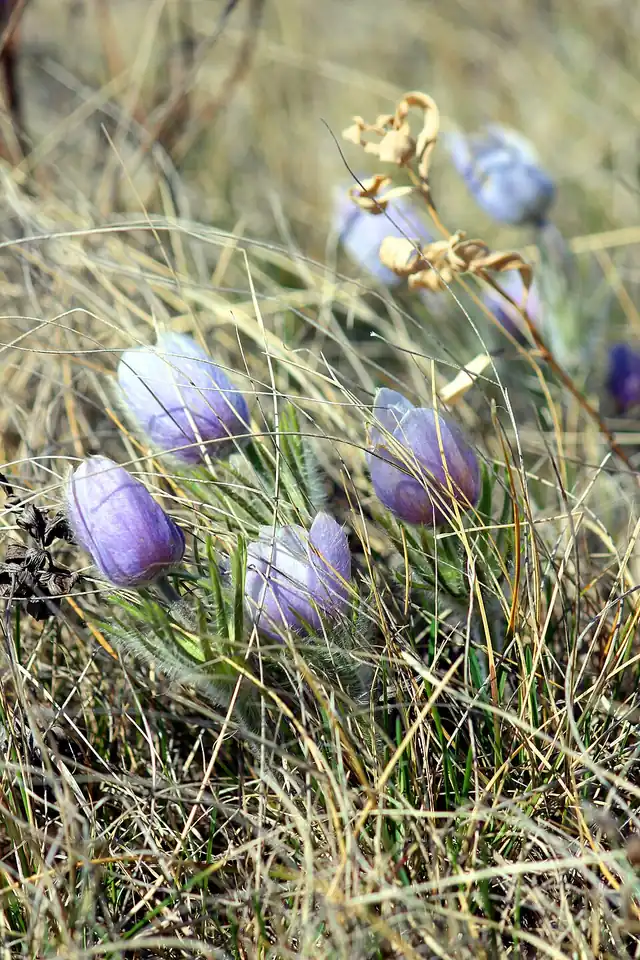 Plant
American pasqueflower
Pulsatilla patens ssp. multifida
A furry, purple-blue prairie flower that beats the grass out of the ground each spring, blooming before almost anything else is green.
-
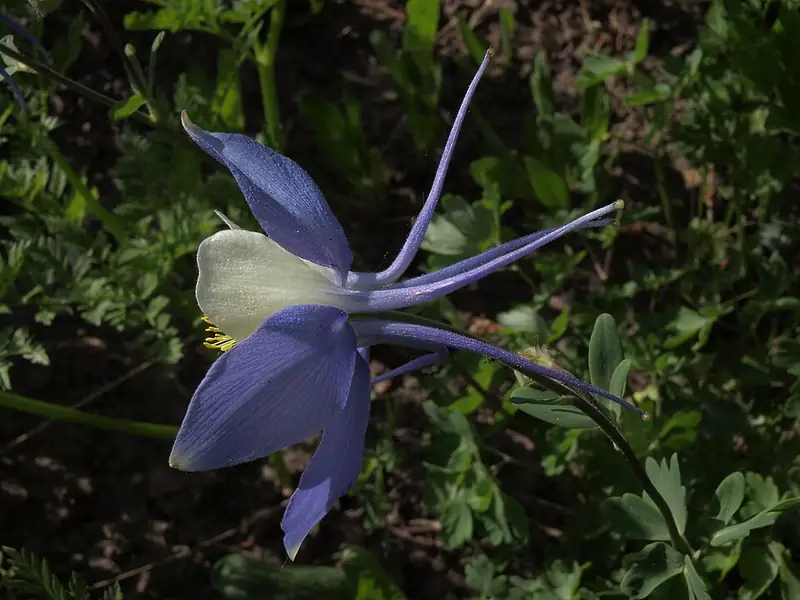 Plant
Colorado blue columbine
Aquilegia coerulea
Colorado's blue-and-white state flower, its long spurs full of nectar that only a hawkmoth's tongue can reach.
-
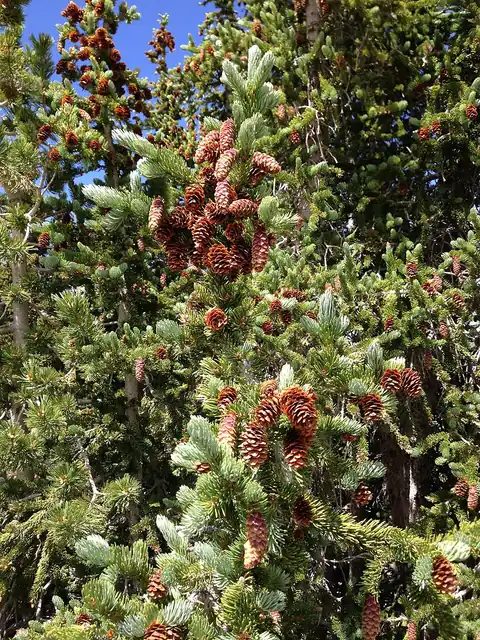 Plant
Engelmann spruce
Picea engelmannii
A high-elevation spruce with scaly bark and sharp, squarish needles, whose Colorado stands have lost more than a million acres to a beetle since 1996.
-
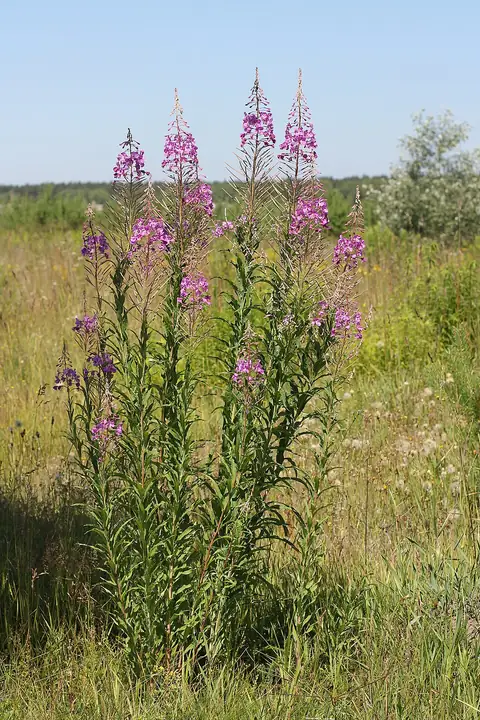 Plant
Fireweed
Chamerion angustifolium
A tall pink-purple wildflower that is often the first color to return to a burned mountainside.
-
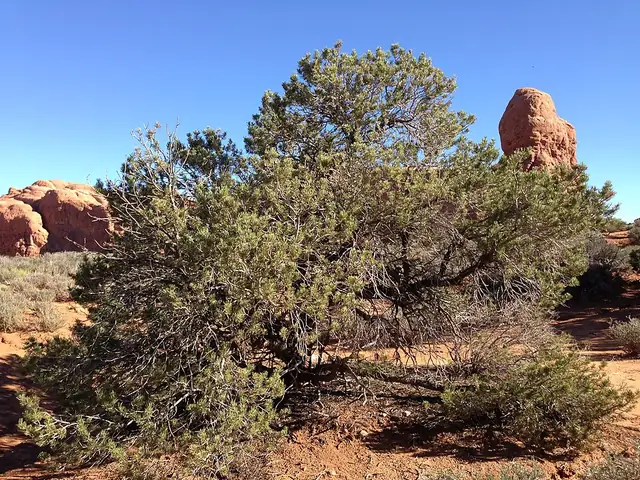 Plant
Two-needle pinyon
Pinus edulis
A short, gnarled pine of the drier Southwest, growing at Mesa Verde, Black Canyon, and Great Sand Dunes, with nuts a jay plants by forgetting them.
-
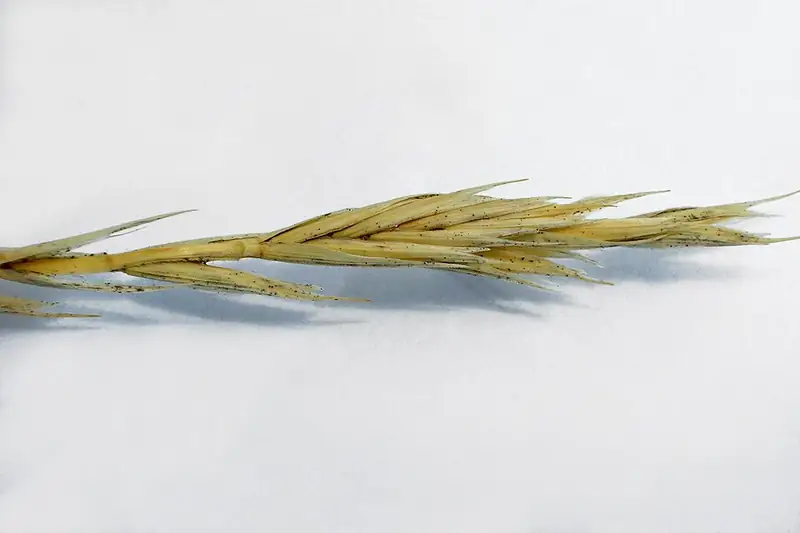 Plant
Western wheatgrass
Pascopyrum smithii
A blue-green prairie grass whose underground rhizomes weave a tough sod — the official state grass of North and South Dakota.