Animals & Plants of Everglades National Park
The 12 animals, plants, and fungi you can find at Everglades National Park, with sizes, diets, and whether you should worry. See the full park guide at Everglades National Park.
Everglades is a slow river of grass and water, and most of its big animals are birds and reptiles. American alligators hold the sloughs, ospreys and bald eagles hunt fish from the air, and sandhill cranes stalk the open prairie. White-tailed deer and bobcats live in the drier hammocks, and Spanish moss hangs from the trees there.
Common questions
Which Everglades animals demand real distance?
At Everglades National Park, give space to American alligator. American alligator: This one is genuinely dangerous, so the rules are simple and firm. (per NPS species pages).
What do the Everglades animals eat?
At Everglades National Park, the most interesting eaters are Bald eagle, Osprey, and American alligator. Bald eagle eats fish, ducks, gulls, small mammals, carrion. Osprey eats fish. American alligator eats fish, turtles, snakes, birds, small mammals. (per NPS species pages).
Which Everglades species has the strangest true fact?
The strangest true thing about Everglades National Park: American alligator: The Everglades is the one place on Earth where alligators and crocodiles live side by side. An alligator has a wide, rounded snout and looks dark; a crocodile has a narrower snout and looks grayish-green. Spanish moss: Spanish moss is not a moss and it is not Spanish. It is a flowering plant related to the pineapple, and it grows wild across the warm, damp Southeast. (per NPS species pages).
Anything here that bites?
Keep away
- American alligator: This one is genuinely dangerous, so the rules are simple and firm.
- Bobcat: Very low.
- White-tailed deer: White-tailed deer normally run from people.
Bites if handled
- Bald eagle: A bald eagle will not come after you.
- Great horned owl: This owl hunts small animals at night and will not come after you.
- Osprey: None.
- Peregrine falcon: None to worry about.
- Red-tailed hawk: None.
- Sandhill crane: A sandhill crane is big but shy and will usually walk away from people.
Everything else on this page is harmless. What each group means.
-
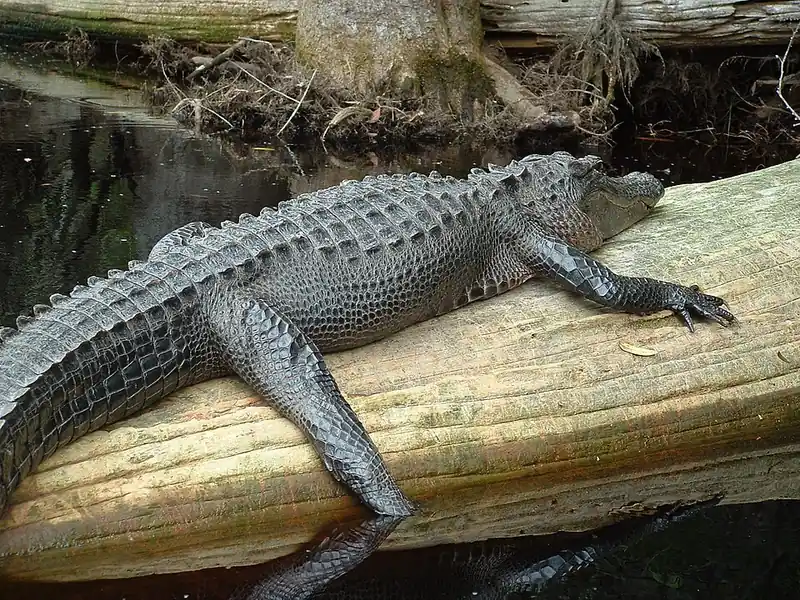 Reptile
 American alligator
Alligator mississippiensis
A big, armor-backed reptile that floats like a log in southern swamps and rivers, the top predator of the wetlands at Everglades and Congaree.
-
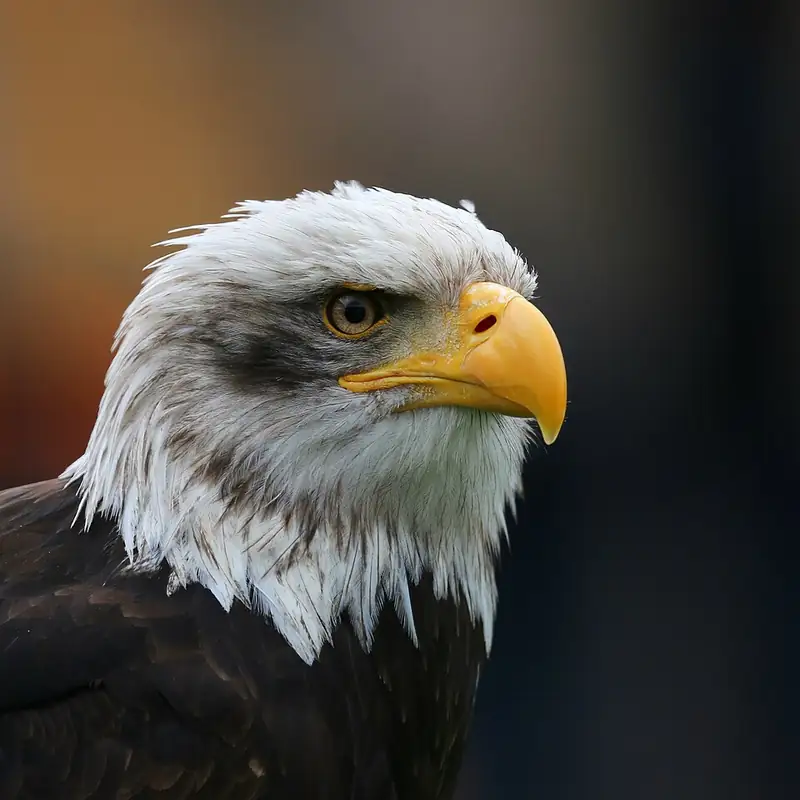 Bird
Bird Bald eagle
Haliaeetus leucocephalus
The white-headed fish hawk that is the national bird of the United States, common along the lakes of Voyageurs and the coasts of Olympic and Katmai.
-
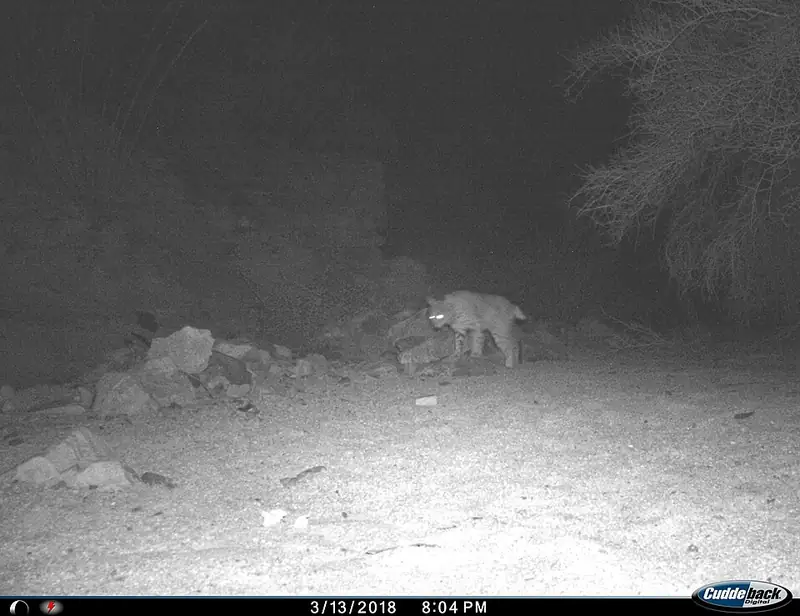 Mammal
 Bobcat
Lynx rufus
A small wildcat about twice the size of a house cat, common but rarely seen, that can bring down prey many times its own weight.
-
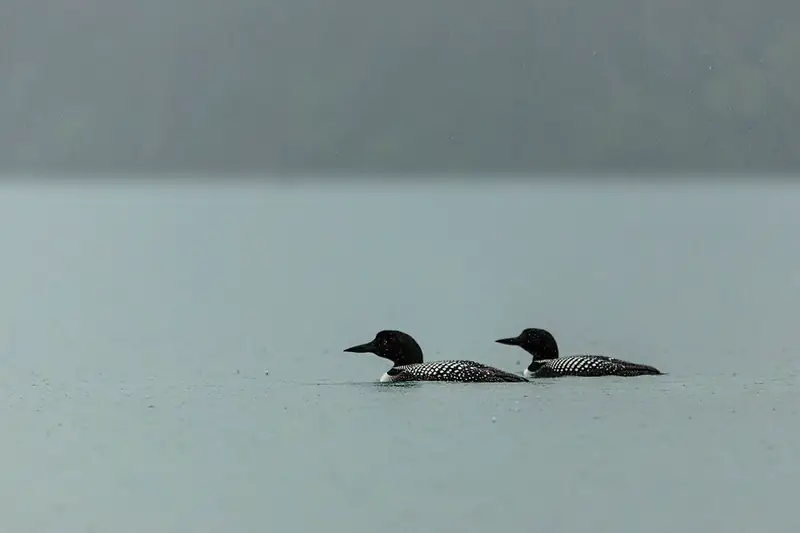 Bird
Bird Common loon
Gavia immer
The black-and-white diving bird whose call carries across Glacier's lakes; one in five of Montana's nesting loons is inside this park.
-
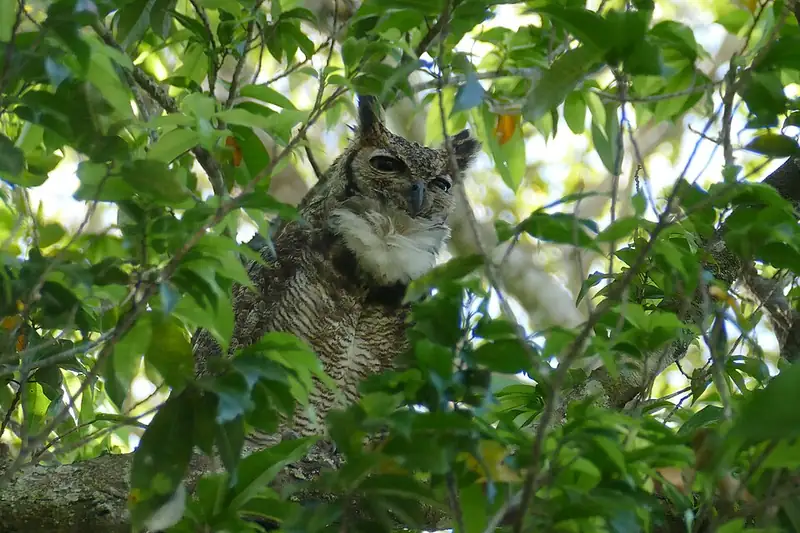 Bird
Bird Great horned owl
Bubo virginianus
A big night hunter with feathery "horns" and a deep hoot, found from the saguaro desert to the Everglades, hunting after dark on silent wings.
-
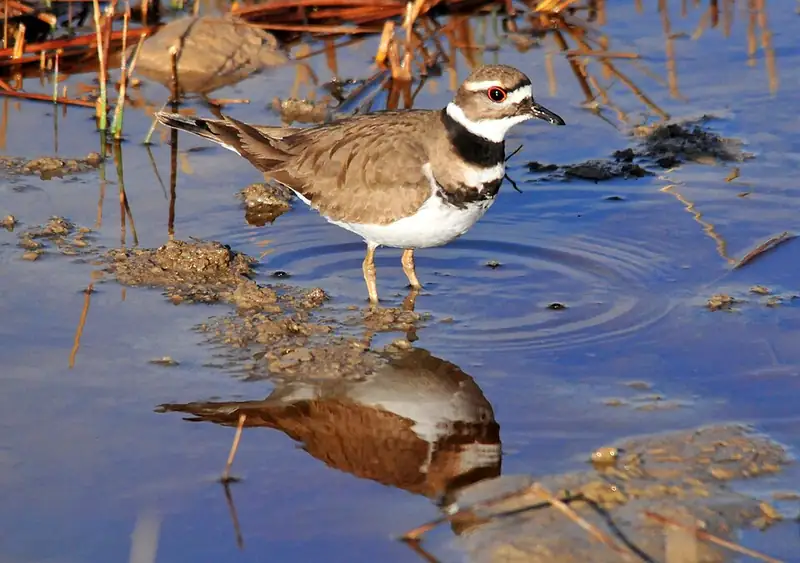 Bird
Bird Killdeer
Charadrius vociferus
A shorebird that lives nowhere near a shore. At Badlands we never saw one. We heard it call its own name across the campground.
-
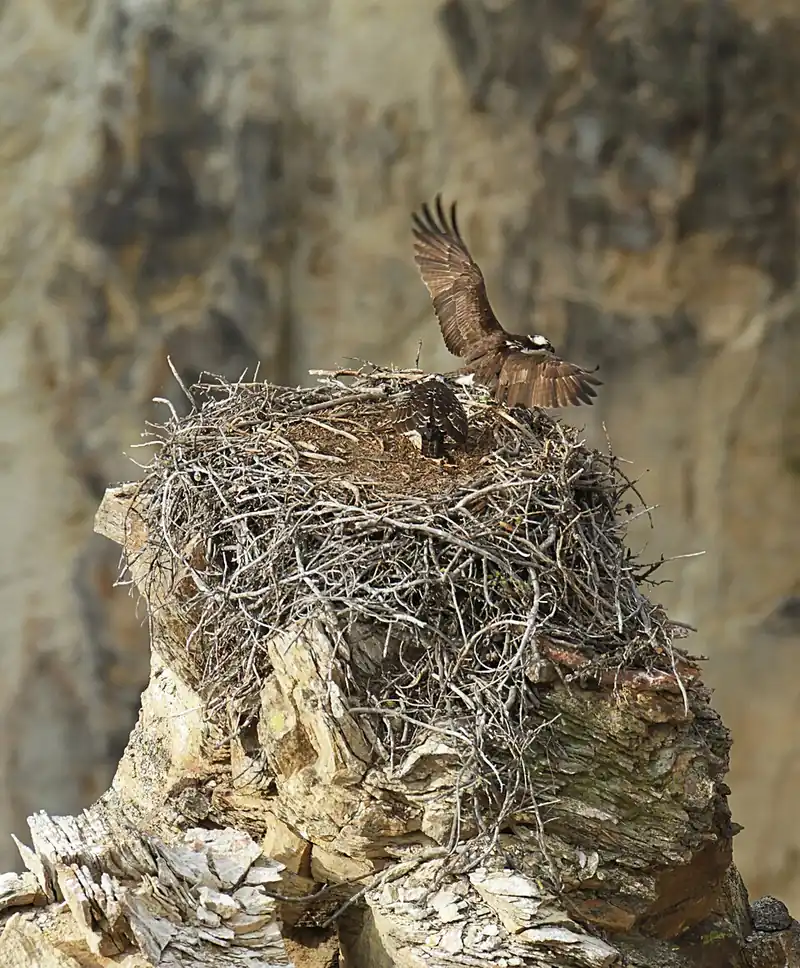 Bird
Bird Osprey
Pandion haliaetus
A fish-hunting hawk that dives feet-first into open water and flies off with its catch turned head-forward like a torpedo.
-
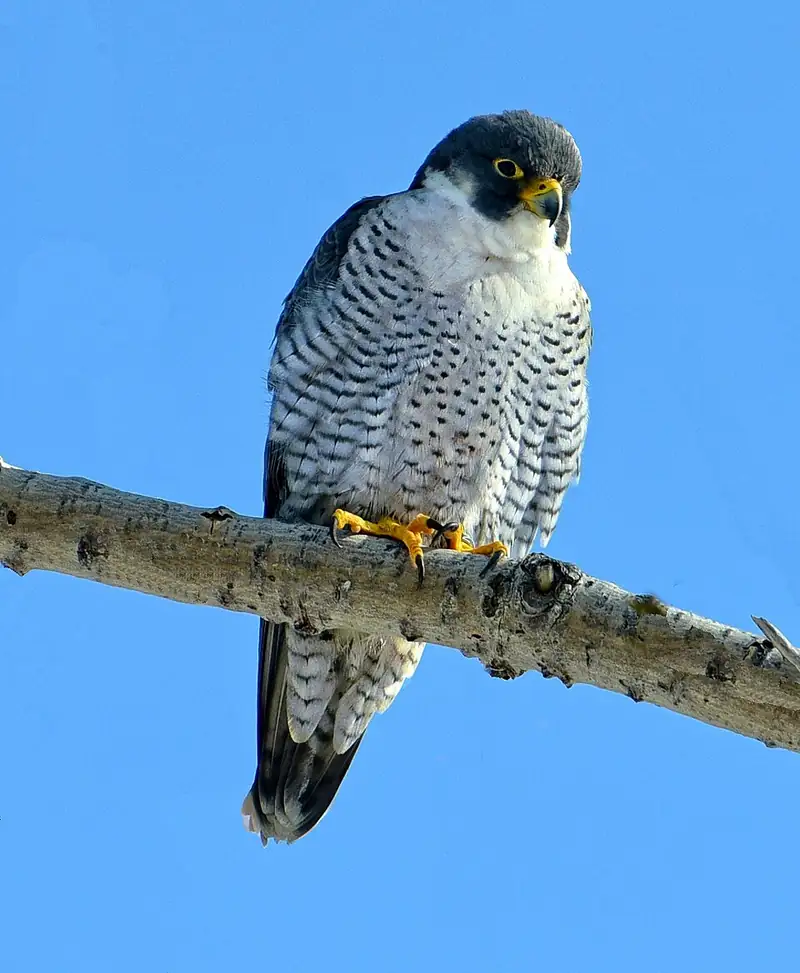 Bird
Bird Peregrine falcon
Falco peregrinus
The fastest animal alive, a crow-sized falcon that folds its wings and stoops on other birds in midair, and a species that nearly vanished before recovering.
-
 Bird
Bird Red-tailed hawk
Buteo jamaicensis
The hawk most often recorded in Yellowstone. We watched a hawk take a pika near the Roosevelt cabins and could not tell you which hawk it was.
-
 Bird
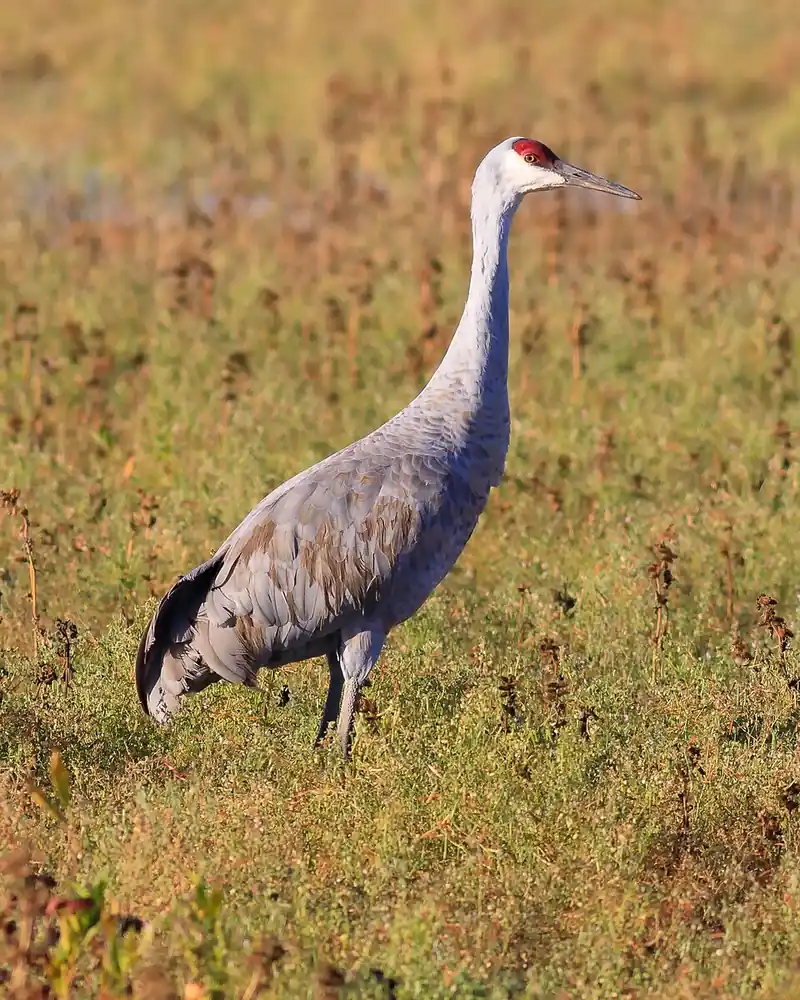
Bird Sandhill crane
Antigone canadensis
A tall gray wading bird with a red forehead and a bugling call, gathering by the thousands near Great Sand Dunes and standing year-round in the Everglades.
-
 Plant
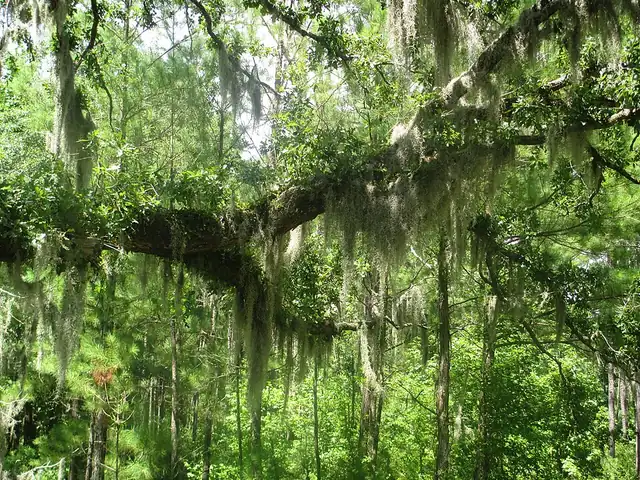
Plant Spanish moss
Tillandsia usneoides
Not a moss at all but a flowering air plant that drapes in gray strands from the branches of trees at Congaree and the Everglades.
-
 Mammal
 White-tailed deer
Odocoileus virginianus
The most common large mammal in eastern parks, running through the woods and waving a white tail like a flag when it bolts.