Plan your visit
Wind Cave National Park Trip Planner
Tell us how long you have, who's along, and the season. We'll group it by region so you drive less and see more.
Day 1 Cave and Visitor Center + Prairie Trails and Wildlife Drive
-

Garden of Eden Tour
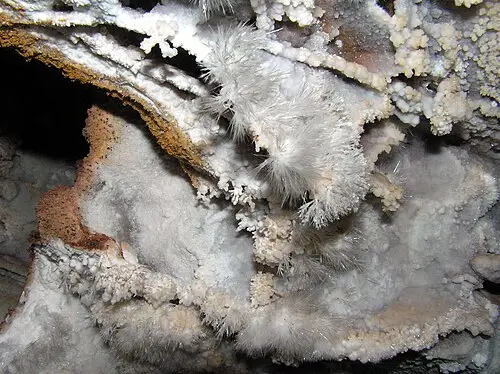
The least strenuous way into the cave: about an hour, a quarter mile, and 150 stairs, with the elevator down and back up. Boxwork, frostwork, flowstone, and cave popcorn all appear along the route. The cave holds 54°F year-round, so bring a jacket even in July.
-
Natural Entrance Tour
About 1 hour 15 minutes, two-thirds of a mile, and 300 stairs, entering near the original opening where Tom and Jesse Bingham heard wind in 1881 and leaving by elevator. This tour visits the Natural Entrance, the largest opening into the cave. NPS calls it a good family tour, and boxwork is abundant the whole way.
-

Fairgrounds Tour
The most strenuous walking tour: 1 hour 30 minutes, two-thirds of a mile, and 450 stairs, including one flight of 89 steps. Boxwork is thick on the middle level, and frostwork and popcorn appear in the upper rooms. Better suited to older legs than the Garden of Eden route.
-
Visitor Center and the breathing cave
Wind moves in and out of the small natural opening as outside barometric pressure changes, which is where the cave's English name and the Lakota name Oniya Oshoka, 'where the earth breathes inside,' come from. The visitor center is where same-day cave tour tickets are sold and where the Junior Ranger and Junior Cave Scientist booklets come from. Winter hours end at 4:30 p.m.
-

Rankin Ridge Nature Trail
The highest point in the park, reached by a 1-mile loop from a trailhead off South Dakota Highway 87. The fire tower is closed to the public, but the eastern edge of the trail looks as far as the Badlands on a clear day. Go early: the ridge is in full sun and summer afternoons bring lightning.
-

Prairie Vista Trail
A 1-mile loop from the visitor center through open prairie, with waysides along the way. NPS lists it as an easy trail, the flattest surface option when the cave stairs are too much. Leashed pets are allowed on this trail and on the Elk Mountain Campground loop.
-

Highway 385 wildlife drive
US Highway 385 and NPS Highway 87 cross the park's prairie, and this is the drive most visitors actually use. Bison, pronghorn, and prairie-dog towns line the shoulders, and a bison jam is part of the trip. Stay 25 yards back, drive slowly, and expect animals on the road.
Day 2 Hot Springs Gateway
≈20 min drive from Cave and Visitor Center
-
The Mammoth Site of Hot Springs
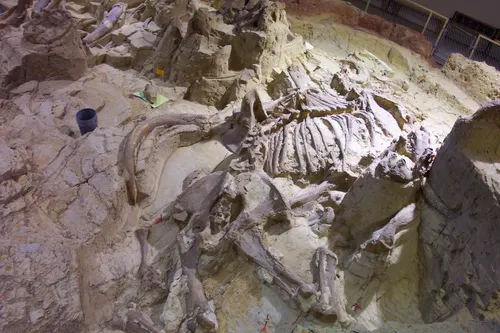
An active paleontological dig in Hot Springs, about 12 miles south of the park, built over a sinkhole that trapped Columbian and woolly mammoths between about 160,000 and 232,000 years ago. The building is climate-controlled and walkable in about an hour, which makes it the rainy-day stop in the southern Black Hills. The museum holds one of the largest known concentrations of mammoth bones on one site; confirm seasonal hours.
If you have more time
-
Prairie-dog towns
Black-tailed prairie dogs live in towns along Highway 385 and the gravel back roads, active year round and easy to watch from a pullout. The towns draw badgers, coyotes, birds of prey, burrowing owls, and rattlesnakes, so this is the short stop that turns up several species without a hike. Stay back from the burrows, because fleas there can carry plague, and feeding any park animal is illegal.
-

Mixed-grass prairie and the bison herd
The park protects more than 33,000 acres of mixed-grass prairie. The bison herd descends from 14 animals brought from the New York Zoological Park in 1913. Watch from the car and give bison 25 yards or more; they are more aggressive from May through August.
-

Custer State Park Wildlife Loop Road
Custer State Park adjoins Wind Cave on the north, and its 18-mile Wildlife Loop Road carries one of the largest publicly owned bison herds in the country plus the begging burros that walk the road. It is a separate state park with its own entrance license, not part of the fee-free national park. Go early or late, when the herd is most often near the road.
Plans by trip length
One day in Wind Cave National Park
In one day, Cave and Visitor Center: Garden of Eden Tour, Natural Entrance Tour; Prairie Trails and Wildlife Drive: Rankin Ridge Nature Trail, Prairie Vista Trail.
Two days in Wind Cave National Park
Two days adds Hot Springs Gateway: The Mammoth Site of Hot Springs.
Best time to visit Wind Cave National Park
The best time to visit Wind Cave National Park is spring, summer and fall, when most of the park is open. In winter, Cave and Visitor Center and Prairie Trails and Wildlife Drive close with snow.
Common questions
How many days do you need for Wind Cave National Park?
Wind Cave National Park fills about 2 days at an easy pace — Custer State Park and the North & Prairie Trails and Wildlife Drive & Cave and Visitor Center, Hot Springs Gateway.
Can you see Wind Cave National Park in one day?
Yes — pick one area: Prairie Trails and Wildlife Drive & Cave and Visitor Center (Garden of Eden Tour, Natural Entrance Tour, Fairgrounds Tour). You'd skip Custer State Park and the North and Hot Springs Gateway, but it's a full day.
What's the best time to visit Wind Cave National Park?
Aim for spring, summer and fall; that's when its roads and trails are fullest.
Is Wind Cave National Park good with young kids?
Yes — the easier, shorter stops work well with little kids: Garden of Eden Tour, Natural Entrance Tour, Visitor Center and the breathing cave, Rankin Ridge Nature Trail.
Is Wind Cave National Park doable with limited mobility?
Several stops are short and low-effort: Garden of Eden Tour, Visitor Center and the breathing cave, Prairie Vista Trail, Highway 385 wildlife drive. Check current trail and road conditions with the park.