Mescalero Apache Tribe
A nation today
Background
Three peoples make up the tribe today: Mescalero, Lipan, and Chiricahua. Survivors of the Lipan Apaches were brought from northern Chihuahua around 1903, and about 200 members of the Chiricahua band arrived in 1913, after years held at Fort Sill. The reservation covers 463,000 acres in south central New Mexico and was formally established by executive order of President Ulysses S. Grant on May 29, 1873, when about 400 Mescaleros lived on it. The tribe reorganized under the Indian Reorganization Act of 1934, and an eight-member Tribal Council governs it, with its President and Vice-President elected to two-year terms.
Visit and learn
Mescalero Apache Cultural Center and Museum
The tribe's cultural center and museum, run through its Cultural Resources department.
https://mescaleroapachetribe.com/mescalero-apache-cultural-center-museum/
Mescalero Apache Tribe's own site
Tribal lands have their own laws. Check the nation's site before you visit.
Parks on its homelands
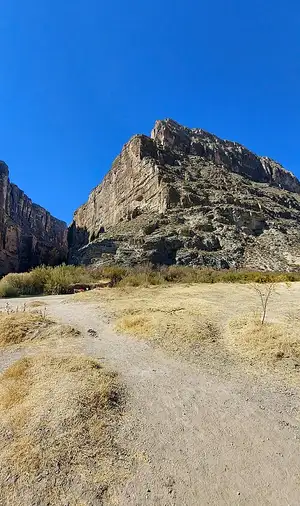
Big Bend National ParkAround 1700 the Mescalero Apache entered the Big Bend, displacing or absorbing the Chisos. NPS calls the Comanche the last Indigenous people to use the Big Bend, passing through on the Great Comanche Trail on the way to and from raids deep into Mexico, and those raids continued until the mid-1800s. Source
 Carlsbad Caverns National Park
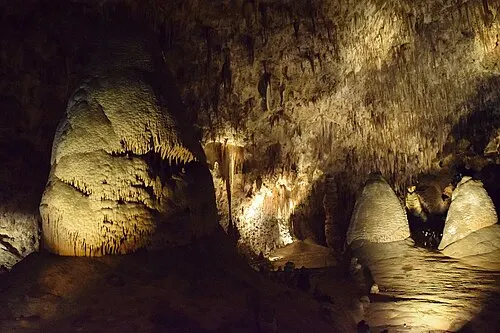
The park's own chronology dates the arrival of Mescalero Apaches in the Guadalupe Mountains area to 1400. It also puts American Indian life in those mountains twelve to fourteen thousand years ago, and records that some cooking ring sites and pictographs have been found inside today's park boundaries. Source
 Guadalupe Mountains National Park
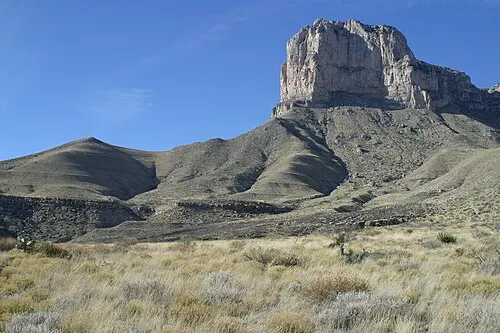
Before the mid-1800s the Guadalupes were an unchallenged refuge for the Mescalero Apache. In the winter of 1869 troops under Lt. H. B. Cushing pushed into the range and destroyed two of their camps, and by the late 1800s NPS says nearly all of the surviving Mescalero Apaches in the United States were living on reservations. Source
 White Sands National Park
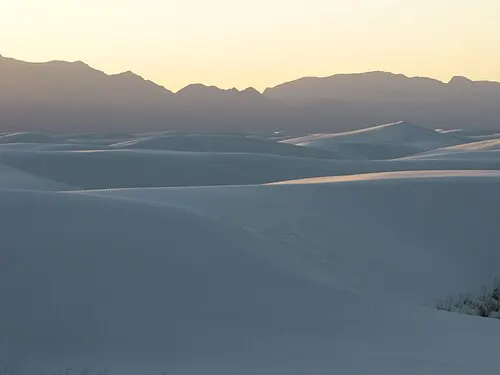
About 700 years ago bands of Apaches moved into the Tularosa Basin and made it home, and NPS records the Mescalero Apache as the living descendants of those first settlers. On today's White Sands Missile Range, archaeologists have found over 800 cartridges from the 1880 Battle of Hembrillo Basin, fired from 39 pistols and 147 rifles. Source
Programs
The Mescalero Apache Tribe Language Program
The tribe's language program, listed under Cultural Resources alongside the cultural center and the historical preservation office.
Division of Resource Management and Protection
Runs the tribe's land and natural resource work, alongside a conservation law enforcement department, a tribal fish hatchery, and a parks and recreation department.
Sources
- https://www.govinfo.gov/content/pkg/FR-2026-01-30/html/2026-01899.htm
- https://mescaleroapachetribe.com/
- https://mescaleroapachetribe.com/our-culture/
Checked September 2026.