Animals & Plants of Kenai Fjords National Park
The 7 animals, plants, and fungi you can find at Kenai Fjords National Park, with sizes, diets, and whether you should worry. See the full park guide at Kenai Fjords National Park.
Kenai Fjords is a coast where the mountains slide into the sea: tidewater glaciers meet fjords full of humpback whales and harbor seals. Sea otters float offshore in the kelp, close enough for a kayak to pass them. On land, black bears work the rainforest edge above the tide line.
Common questions
Which Kenai Fjords animals should kids give real space?
At Kenai Fjords National Park, give space to Moose, American black bear, Harbor seal, and Sea otter. Moose: A moose looks slow and gentle, but it is one of the most dangerous animals to crowd. American black bear: Black bears are usually shy and would rather leave than meet you. Harbor seal: Harbor seals are wild animals with strong jaws, and they bite to defend themselves. Sea otter: Sea otters stay in the water and keep away from people, so a kid on shore is very unlikely to get near one. (per NPS species pages).
What do the marine residents of Kenai Fjords eat?
At Kenai Fjords National Park, the most interesting eaters are Moose and Sea otter. Moose eats willow, aspen leaves, twigs, water plants, pond weeds. Sea otter eats sea urchins, clams, mussels, crabs, snails. (per NPS species pages).
Which Kenai Fjords species has the strangest true fact?
The strangest true thing about Kenai Fjords National Park: Moose: The moose is the biggest deer on Earth. On Isle Royale a grown moose stands over six feet tall at the shoulder and weighs close to 1,000 pounds, the largest animal on the island. American black bear: Great Smoky Mountains National Park has about two black bears per square mile, roughly 1,900 bears, one of the thickest black-bear populations anywhere. (per NPS species pages).
Anything here that bites?
Keep away
- American black bear: Black bears are usually shy and would rather leave than meet you.
- Harbor seal: Harbor seals are wild animals with strong jaws, and they bite to defend themselves.
- Humpback whale: Humpbacks are not a danger to people on shore, and the rules here protect them, not you.
- Moose: A moose looks slow and gentle, but it is one of the most dangerous animals to crowd.
- Sea otter: Sea otters stay in the water and keep away from people, so a kid on shore is very unlikely to get near one.
Bites if handled
- Peregrine falcon: None to worry about.
- Townsend's big-eared bat: Bats are not out to hurt you, and they are not 'flying mice' or blind.
Everything else on this page is harmless. What each group means.
-
 Mammal
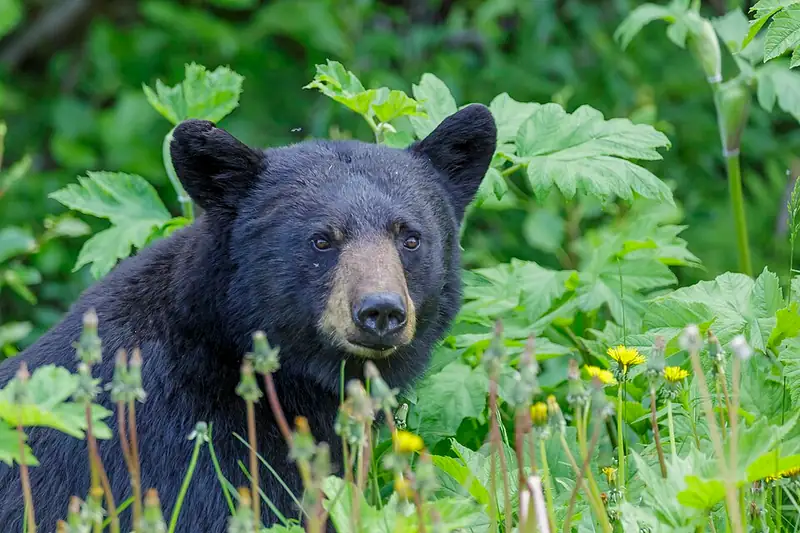
 American black bear
Ursus americanus
The bear you're most likely to meet east of the Rockies, a strong tree-climber that eats mostly plants and comes in black, brown, or cinnamon.
-
 Mammal
 Harbor seal
Phoca vitulina
A gray, dog-snouted true seal that rests hauled out on rocks and floating glacier ice, bobbing in Alaska fjords with ear holes and no ear flaps.
-
 Mammal
 Humpback whale
Megaptera novaeangliae
A giant ocean mammal famous for breaching and long songs, following the food to Glacier Bay every summer to eat until its blubber is thick again.
-
 Mammal
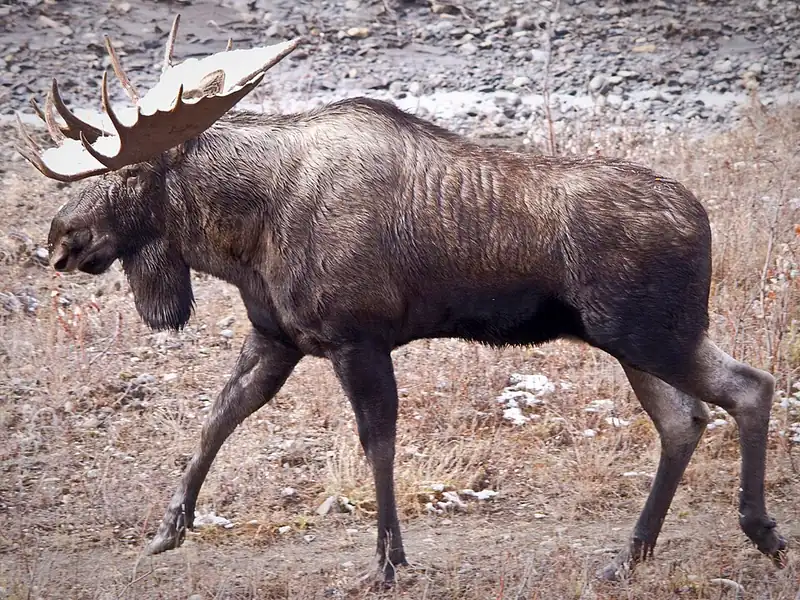
 Moose
Alces alces
The largest deer in the world, a long-legged giant you might see wading in ponds at Grand Teton, Isle Royale, Denali, or Rocky Mountain.
-
 Bird
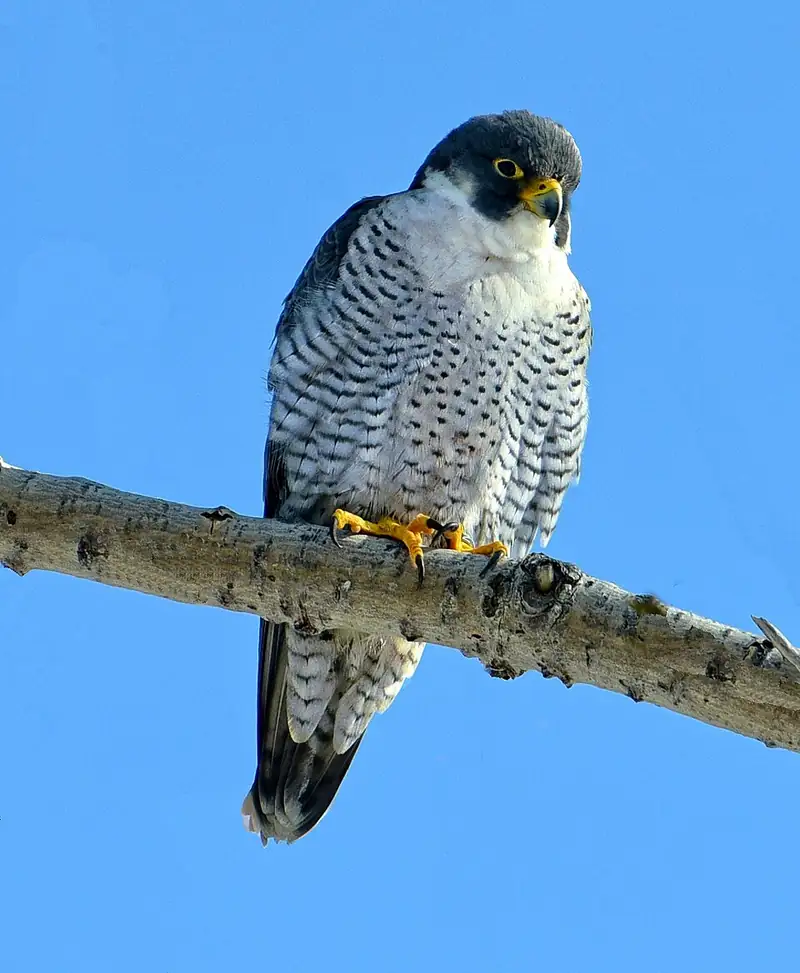
Bird Peregrine falcon
Falco peregrinus
The fastest animal alive, a crow-sized falcon that folds its wings and stoops on other birds in midair, and a species that nearly vanished before recovering.
-
 Mammal
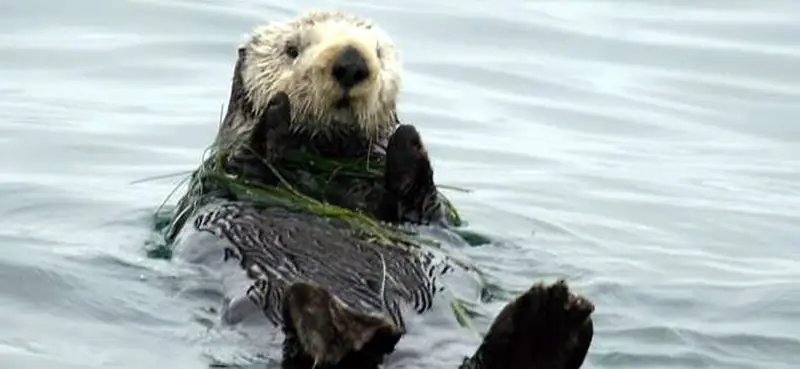
 Sea otter
Enhydra lutris
The heaviest weasel-family animal alive, floating on its back in Olympic's coastal kelp beds with no blubber at all, just the densest fur of any mammal.
-
 Mammal
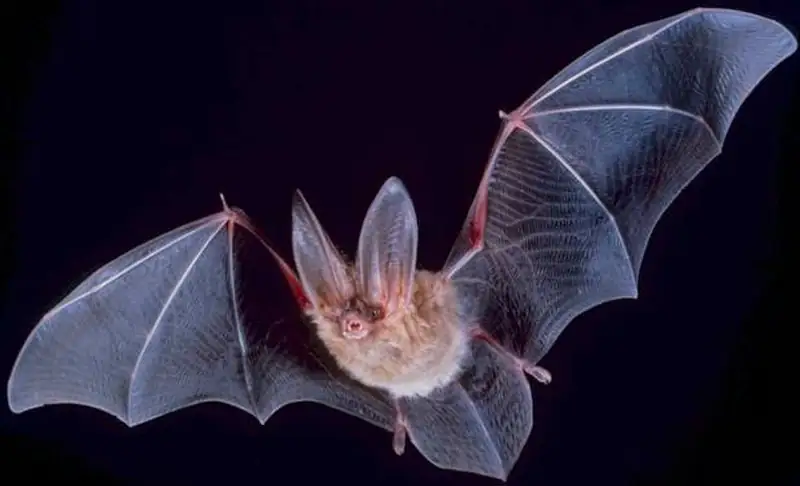
 Townsend's big-eared bat
Corynorhinus townsendii
A soft brown bat with enormous curling ears that roosts in the cool lava-tube caves of Lava Beds and hunts moths in the dark.