Amphibians of Great Sand Dunes National Park and Preserve
The 4 amphibians of Great Sand Dunes National Park and Preserve. Their profiles carry sizes, diets, and whether you should worry.
Common questions
Which Great Sand Dunes National Park and Preserve amphibians demand distance from a kid?
Barred tiger salamander, Boreal chorus frog, Great Plains toad, and Plains spadefoot carry a rule worth reading. Barred tiger salamander: This salamander is harmless. Boreal chorus frog: Completely harmless. Great Plains toad: Not dangerous if you leave it alone. Plains spadefoot: Not dangerous. (per NPS species pages).
What do Great Sand Dunes National Park and Preserve amphibians eat?
Barred tiger salamander eats worms, insects, snails, tadpoles. Boreal chorus frog eats small insects, spiders, other invertebrates. Great Plains toad eats ants, beetles, cutworms, flies, centipedes, mites, other insects. Plains spadefoot eats earthworms, ants, beetles, other insects, sometimes other spadefoot tadpoles. (per NPS species pages).
The strangest true thing about Great Sand Dunes National Park and Preserve's amphibians.
Barred tiger salamander: A barred tiger salamander spends most of its life hidden underground, often in burrows other animals dug, and comes out mainly on rainy nights, so people rarely see one. Boreal chorus frog: A boreal chorus frog can freeze solid enough in winter that its heart stops, then thaw out in spring and start calling again as if nothing happened. (per NPS species pages).
-
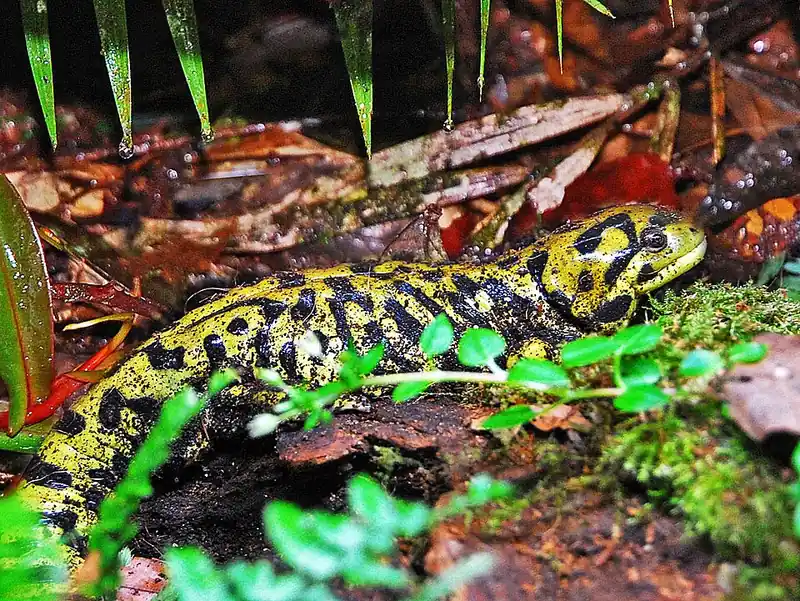 Amphibian
Barred tiger salamander
Ambystoma mavortium
A stout, yellow-barred salamander that spends most of the year underground and gathers in prairie ponds to breed, living around Great Sand Dunes and Badlands.
-
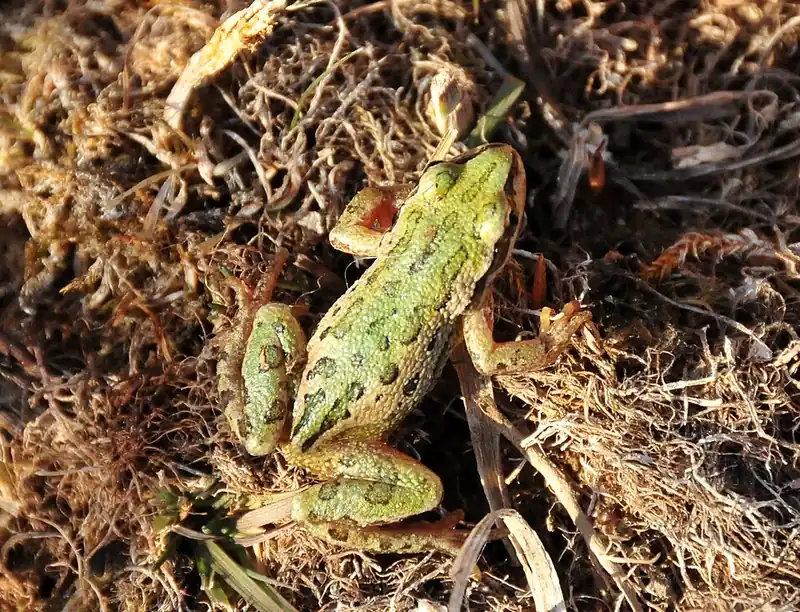 Amphibian
Boreal chorus frog
Pseudacris maculata
A finger-sized frog whose spring trill fills Rocky Mountain wetlands, and whose cells can freeze solid and still wake up.
-
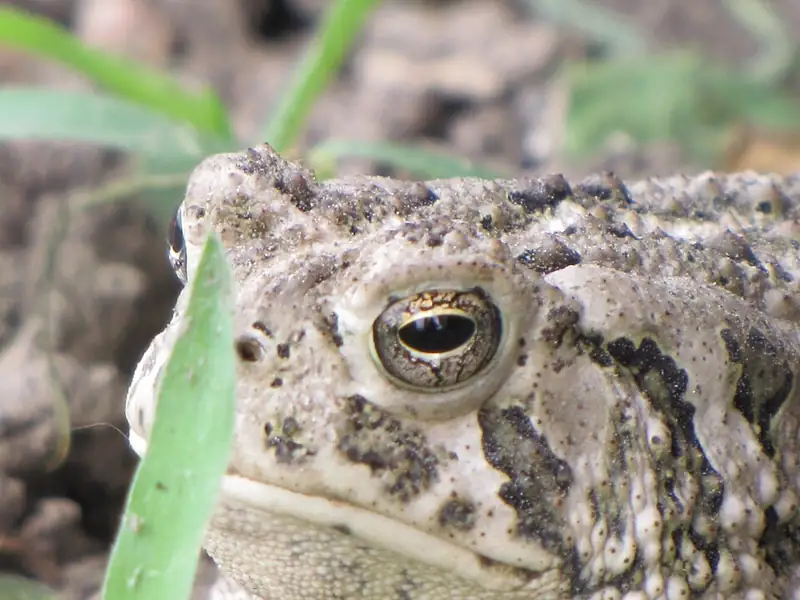 Amphibian
Great Plains toad
Anaxyrus cognatus
A warty prairie toad that rises from the ground by the thousands after summer rain to fill Great Sand Dunes with a buzzing, metallic trill.
-
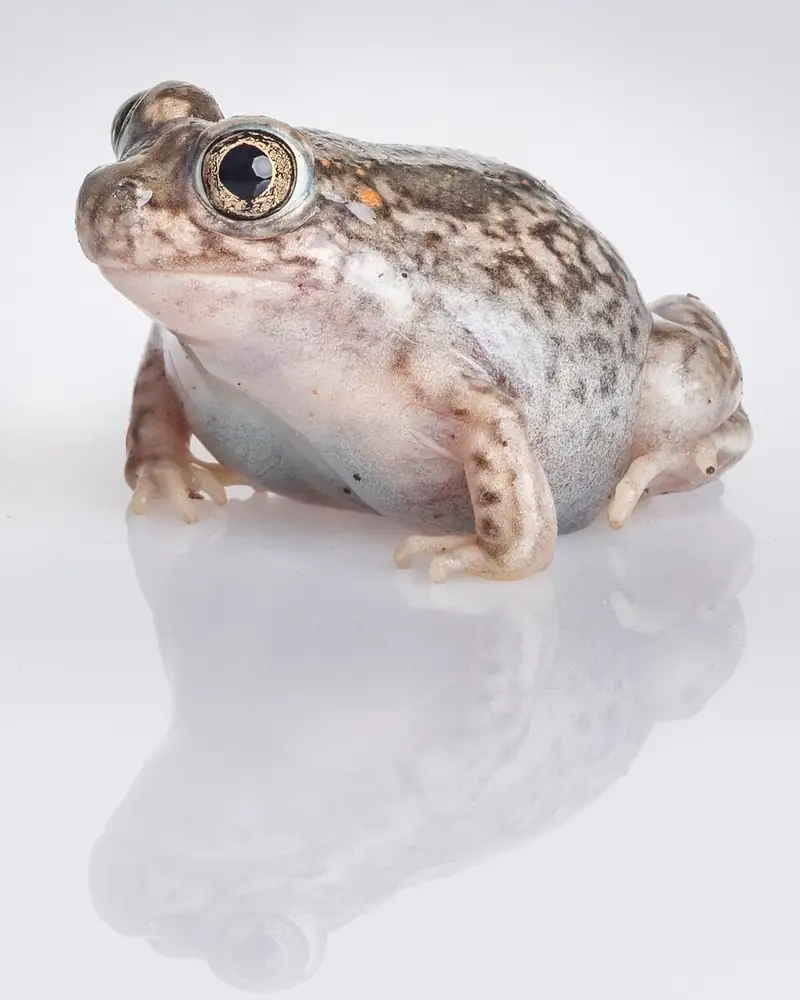 Amphibian
Plains spadefoot
Spea bombifrons
A cat-eyed toad that digs backward into sand with a spade on each hind foot and spends nearly all year hidden underground.