Reptiles of Great Basin National Park
The 2 reptiles of Great Basin National Park: Sagebrush lizard and Western fence lizard. Their profiles carry sizes, diets, and whether you should worry.
Common questions
Which Great Basin National Park reptiles demand distance from a kid?
Sagebrush lizard and Western fence lizard carry a rule worth reading. Sagebrush lizard: This lizard has no venom, and its main defense is running. Western fence lizard: It has no venom. (per NPS species pages).
What do Great Basin National Park reptiles eat?
Sagebrush lizard eats ants, beetles, grasshoppers, flies, spiders and other small arachnids. Western fence lizard eats beetles, spiders, ticks, crickets, isopods, centipedes. (per NPS species pages).
The strangest true thing about Great Basin National Park's reptiles.
Sagebrush lizard: Crater Lake's own reptile page lists only two confirmed reptile species in the entire park: the sagebrush lizard and the short-horned lizard. Western fence lizard: A 1998 UC Berkeley study found a protein in the western fence lizard's blood kills the bacterium that causes Lyme disease, so a tick that feeds on this lizard often loses its infection. (per NPS species pages).
-
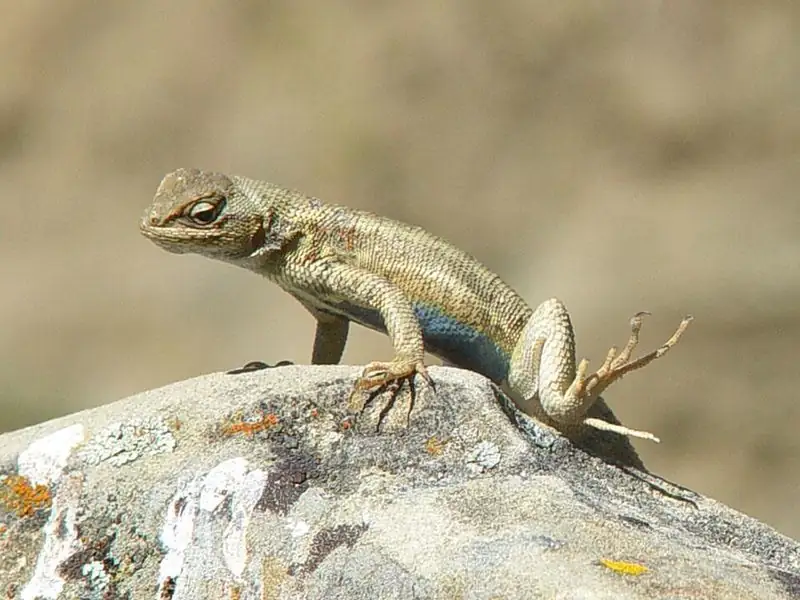 Reptile
Sagebrush lizard
Sceloporus graciosus
A small, slender, high-country lizard, the fence lizard's cousin, whose males flash blue belly and throat patches in a push-up display.
-
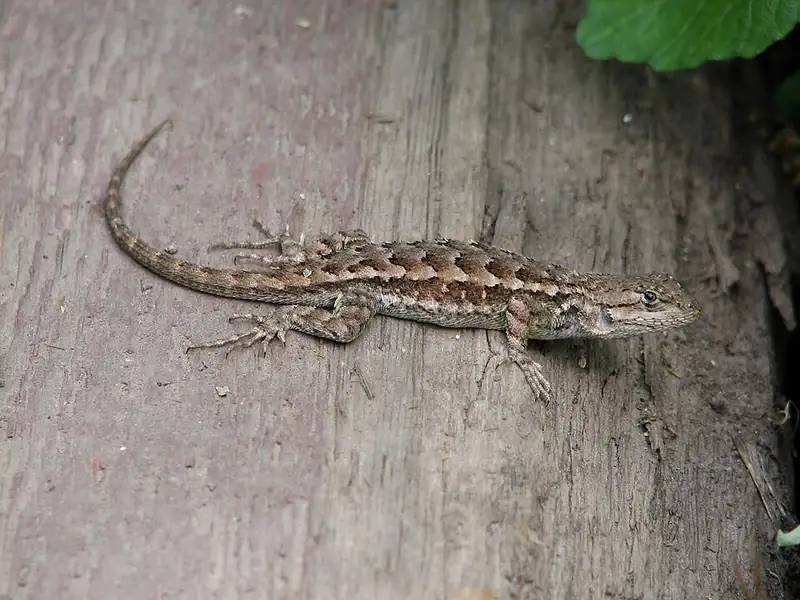 Reptile
Western fence lizard
Sceloporus occidentalis
The blue-bellied lizard of West Coast rock walls and fence rails, whose blood carries a protein that kills the Lyme disease bacterium inside a feeding tick.