Animals & Plants of Death Valley National Park
The 7 animals, plants, and fungi you can find at Death Valley National Park, with sizes, diets, and whether you should worry. See the full park guide at Death Valley National Park.
Anything here that bites?
Venomous
- Giant desert hairy scorpion: Its sting hurts, but it is not dangerous to a healthy person.
Keep away
- Bighorn sheep: Bighorn sheep are shy and would rather climb away than come near you.
- Coyote: Coyotes almost always run from people.
Bites if handled
- Golden eagle: A golden eagle will not come after a person.
Everything else on this page is harmless. What each group means.
-
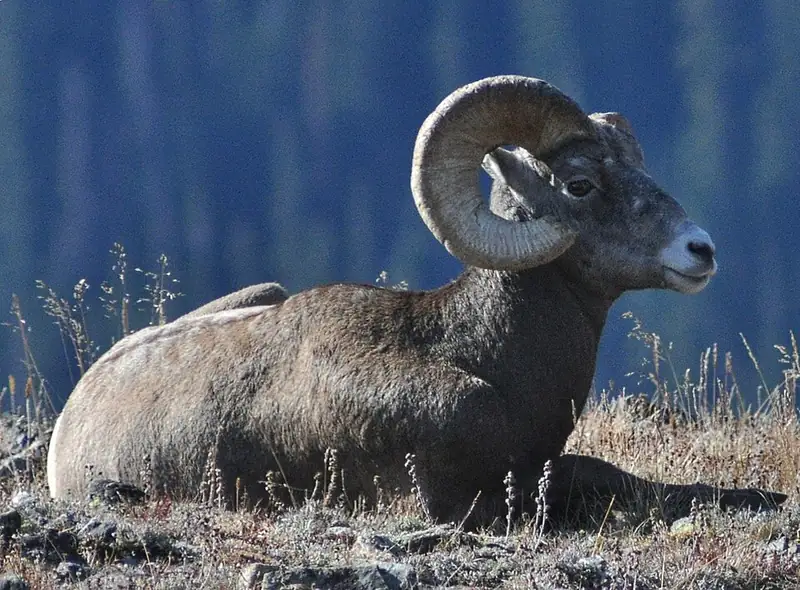 Mammal
 Bighorn sheep
Ovis canadensis
A wild sheep of cliffs and canyons, where rams carry heavy curled horns and both sexes cross steep rock other animals can't.
-
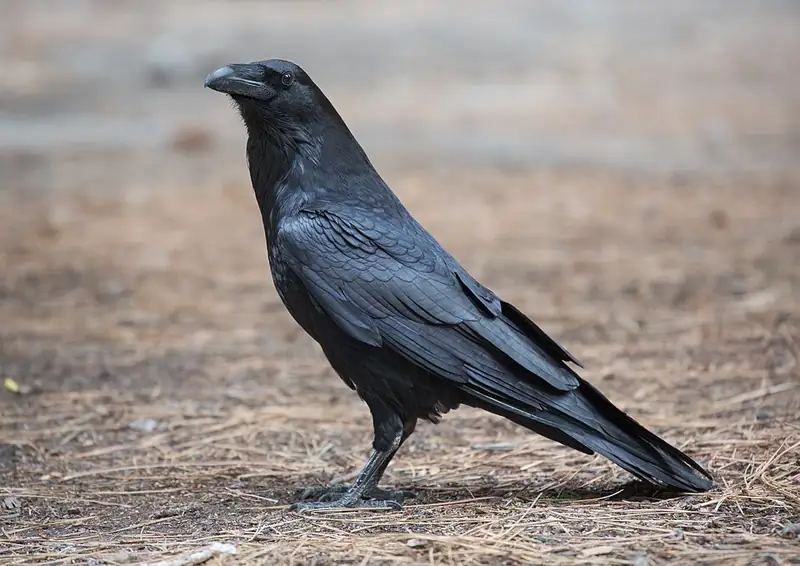 Bird
Bird Common raven
Corvus corax
A big, glossy-black problem-solver that rolls and tumbles over the cliffs of Grand Canyon, Arches, and the desert parks, watching for its next meal.
-
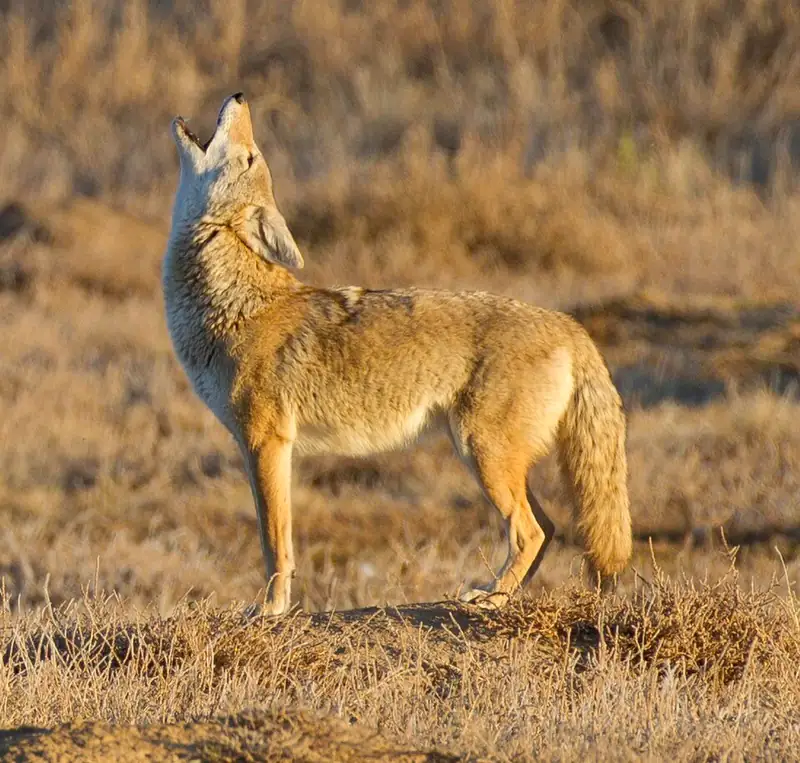 Mammal
 Coyote
Canis latrans
The wild dog you're most likely to hear at a national park — a coyote, at home in the desert, the mountains, and the edges of towns.
-
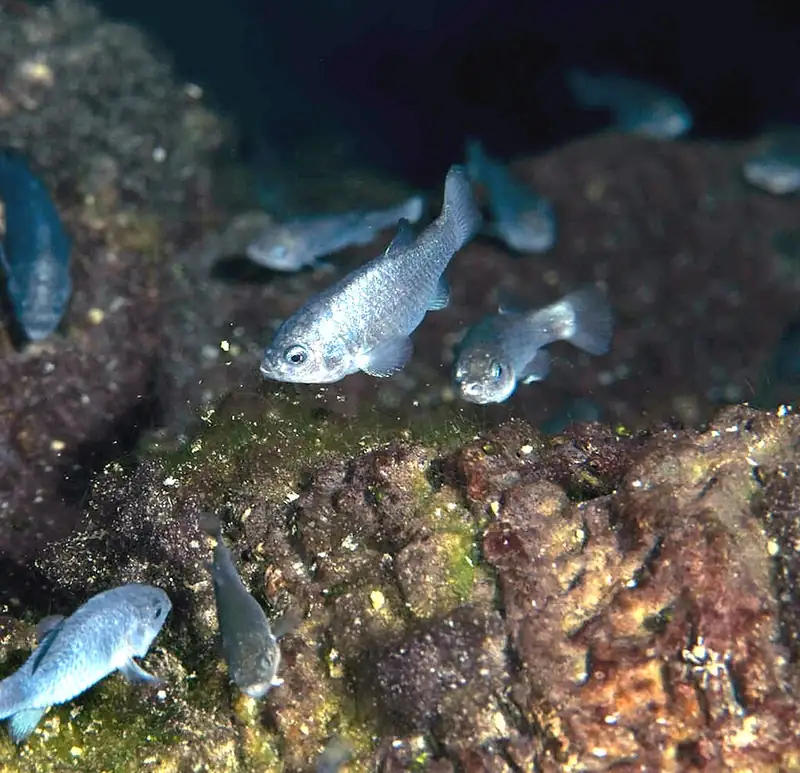 Fish
Fish Devils Hole pupfish
Cyprinodon diabolis
A tiny blue fish that lives in one warm, deep desert pool at Death Valley and nowhere else on Earth, one of the rarest fish in the world.
-
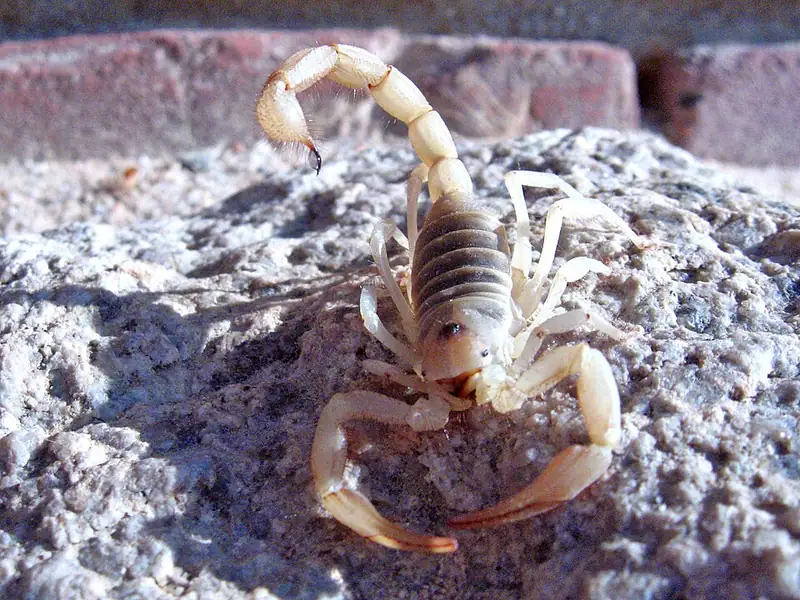 Invertebrate
 Giant desert hairy scorpion
Hadrurus arizonensis
The largest scorpion in North America, a sandy-colored desert digger covered in sensing hairs that glows blue-green under ultraviolet light.
-
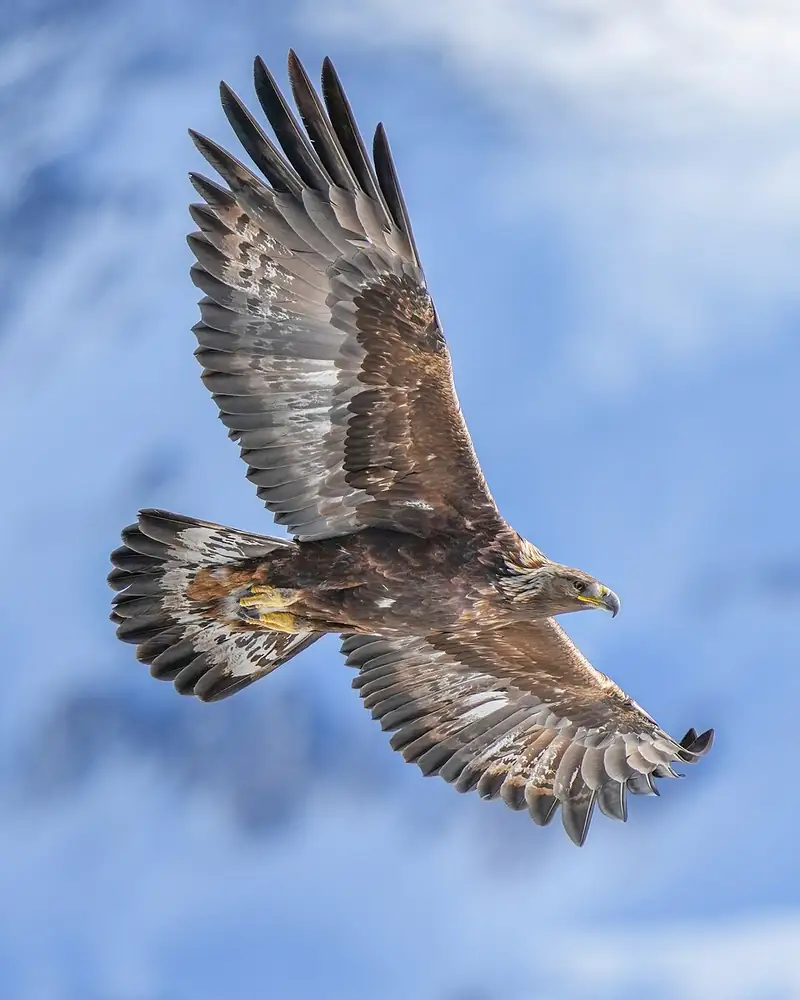 Bird
Bird Golden eagle
Aquila chrysaetos
A dark brown eagle with golden neck feathers that hunts rabbits and hares across open country, nesting on cliffs in Denali, Death Valley, and Great Basin.
-
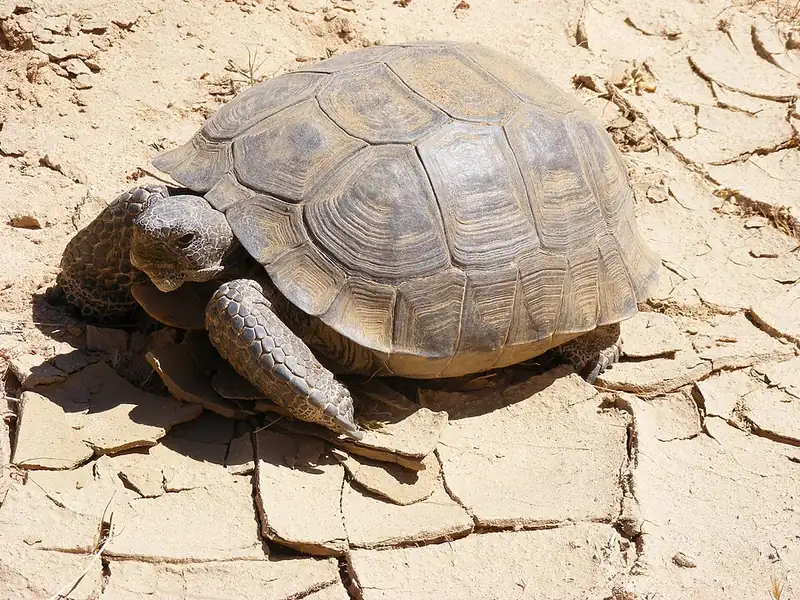 Reptile
 Mojave desert tortoise
Gopherus agassizii
A slow, dome-shelled land turtle that digs long burrows to escape the desert heat, living in the Mojave country of Joshua Tree, Saguaro, and Death Valley.