Plan your visit
Mount Rainier National Park Trip Planner
Tell us how long you have, who's along, and the season. We'll group it by region so you drive less and see more.
Day 1 Paradise & Longmire (SW)
-
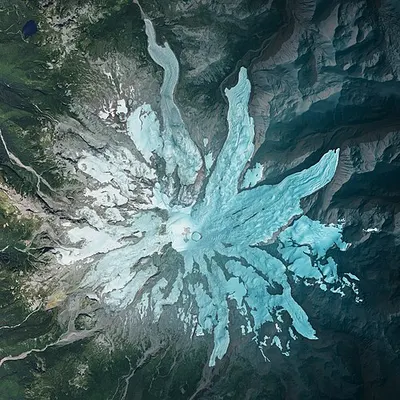
Mount Rainier
The 14,410-foot volcano anchors the whole park and carries more glacial ice than any other peak in the contiguous United States. On a clear day the south face fills the sky from Paradise; the mountain makes its own weather, so a socked-in morning can open by noon.
-
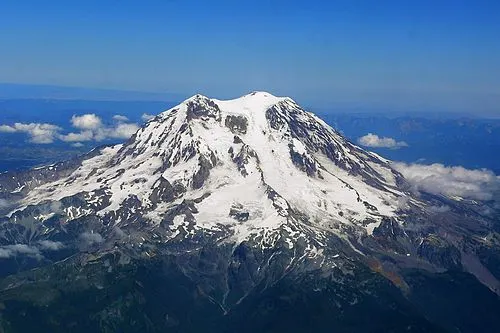
Paradise
The park's busiest hub at 5,400 feet, reached from the Nisqually (southwest) entrance and open year-round. Subalpine meadows bloom in late summer; in winter it becomes a snowplay and snowshoe base. The Henry M. Jackson Visitor Center has exhibits, food, and rangers.
-
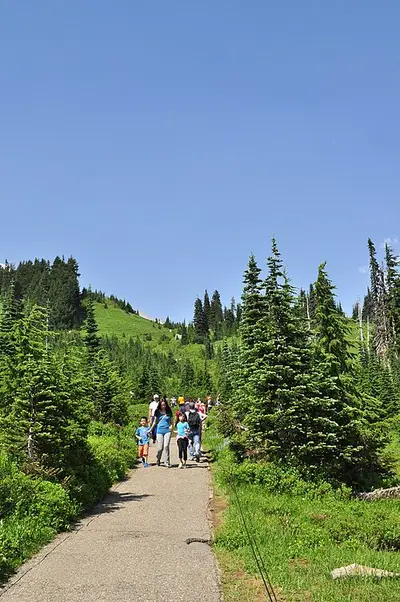
Skyline Trail to Myrtle Falls
A paved start from Paradise climbs into the meadow to Myrtle Falls, with the mountain behind it — the classic short walk before the Skyline loop steepens. Snow buries the meadow into July; check conditions and footing.
-
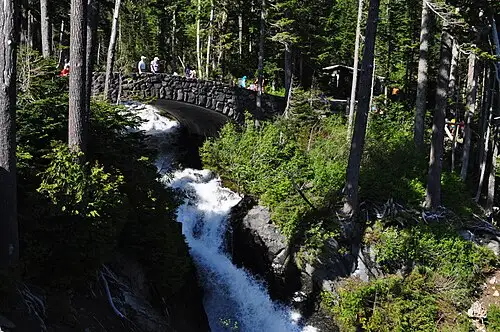
Narada Falls
A 168-foot fall on the Paradise River, signed off the Paradise–Longmire road with roadside parking and a short, steep path to the lower viewpoint — slick with spray, so hold small hands.
-
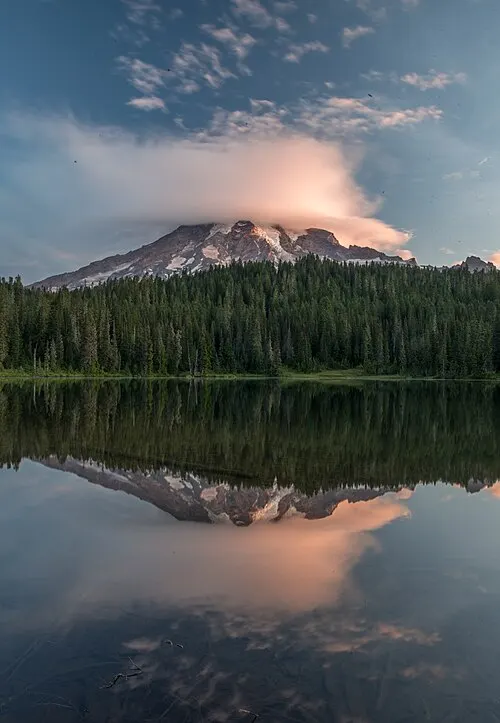
Reflection Lakes
Two roadside tarns on Stevens Canyon Road, a few minutes east of the Paradise junction, that mirror the mountain on a still morning. The road here is closed by snow in winter.
-
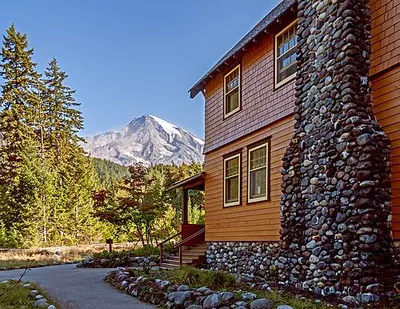
Longmire Historic District
The park's first developed area, on the southwest entrance road between the Nisqually gate and Paradise: a museum, the National Park Inn, and the short Trail of the Shadows loop past mineral springs. Open year-round.
Day 2 Ohanapecosh (SE)
≈50 min drive from Paradise & Longmire (SW)
-
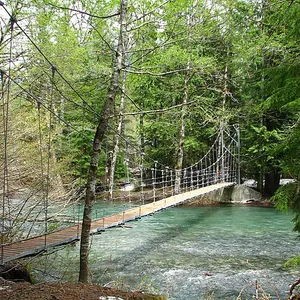
Grove of the Patriarchs
An island of thousand-year-old Douglas-fir, western redcedar, and hemlock in the Ohanapecosh River, in the park's southeast corner. The suspension bridge to the grove has been closed since 2021 — check the park for current access before you count on the loop.
Day 3 Sunrise (NE)
≈1h 15m drive from Ohanapecosh (SE)
-
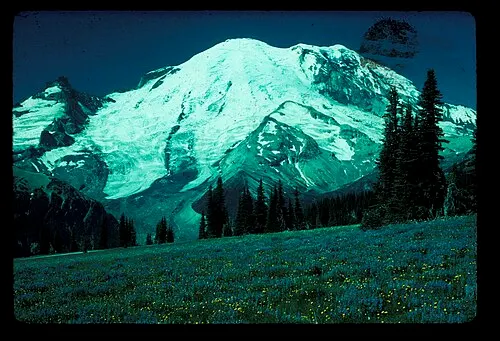
Sunrise
At 6,400 feet in Yakima Park, the highest point reached by car in the park and the closest road-accessible look at the mountain's glaciated north side. The Sunrise Road opens only for a short summer season, typically early July through September.
-
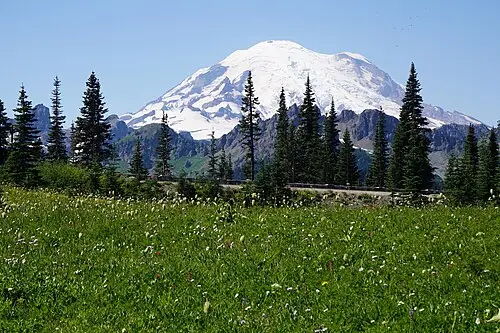
Tipsoo Lake
A subalpine lake ringed by wildflower meadow right at Chinook Pass on SR 410, on the park's east boundary. State Route 410 over the pass closes with winter snow.
If you have more time
Plans by trip length
One day in Mount Rainier National Park
In one day, Paradise & Longmire (SW): Mount Rainier, Paradise.
Two days in Mount Rainier National Park
Two days adds Ohanapecosh (SE): Grove of the Patriarchs.
Three days in Mount Rainier National Park
Three days adds Sunrise (NE): Sunrise, Tipsoo Lake.
Best time to visit Mount Rainier National Park
The best time to visit Mount Rainier National Park is summer and fall, when most of the park is open. In winter, Sunrise (NE) and Ohanapecosh (SE) close with snow.
Trails on this plan
Common questions
How many days do you need for Mount Rainier National Park?
Mount Rainier National Park fills about 3 days at an easy pace — Paradise & Longmire (SW), Ohanapecosh (SE), Sunrise (NE).
Can you see Mount Rainier National Park in one day?
Yes — pick one area: Paradise & Longmire (SW) (Mount Rainier, Paradise, Skyline Trail to Myrtle Falls). You'd skip Ohanapecosh (SE) and Sunrise (NE), but it's a full day.
What's the best time to visit Mount Rainier National Park?
Aim for summer and fall; that's when its roads and trails are fullest.
Is Mount Rainier National Park good with young kids?
Yes — the easier, shorter stops work well with little kids: Mount Rainier, Paradise, Narada Falls, Reflection Lakes.
Is Mount Rainier National Park doable with limited mobility?
Several stops are short and low-effort: Mount Rainier, Paradise, Reflection Lakes, Longmire Historic District. Check current trail and road conditions with the park.