Yurok Tribe
A nation today
Background
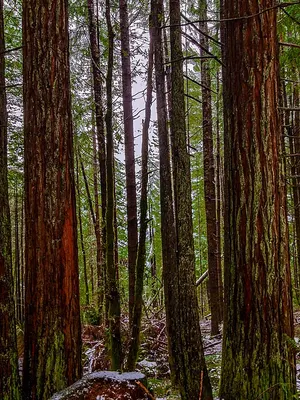
On the lower Klamath, people called themselves Oohl, meaning Indian people. People down river on the Klamath were called Pue-lik-lo', those on the upper Klamath and the Trinity Pey-cheek-lo', and those on the coast Ner-'er-ner'. The Tribe's own history page names the foods those waters and lands give, in its own words, among them ney-puy for salmon, Kaa-ka for sturgeon, kwor-ror for candlefish, pee-ee for mussels, chey-gel' for seaweed and woo-mehl for acorns, and records that traditional homes were made from fallen keehl, the redwood. The Tribe describes itself as the largest tribe in California, with more than 5,000 enrolled members and more than 200 employees, and names the Hoopa-Yurok Settlement Act, dam removal, natural resources protection, sustainable economic development and land acquisition as its major initiatives. Its departments include Fisheries, Marine, Cultural Resources, Language, a Tribal Court and a Tribal Police department, and its council operations office holds open comment periods at 10:00 a.m., after lunch and at the end of every council meeting.
Visit and learn
Tribal lands have their own laws. Check the nation's site before you visit.
Parks on its homelands
Redwood National and State ParksYurok people once lived in more than fifty villages across their ancestral territory, and they call themselves Oohl, meaning Indian people. The Klamath and Trinity rivers have always been the source of most of their food, from ney-puy, the salmon, to Kaa-ka, the sturgeon, and kwor-ror, the candlefish. Source
Sources
- https://www.govinfo.gov/content/pkg/FR-2026-01-30/html/2026-01899.htm
- https://www.yuroktribe.org/our-history
- https://www.yuroktribe.org/tribal-council
- https://www.yuroktribe.org/departments/language-department
Checked September 2026.